
Postbiotics Market
Global Industry analysis, Size, Share, Growth, Trends, and Forecast 2026-2031
The global postbiotics market is projected to reach USD 235.9 billion by 2031, growing at a CAGR of 9.5% during the forecast period.
| Market Size (2026): | Forecast (2031): | CAGR (2026–2031): | Leading Region: | Fastest Growing Region: |
|---|---|---|---|---|
| $ 150 Million | $ 235.9 Million | 9.5 % | North America | Asia Pacific |
Summarize this report with:



Market Overview
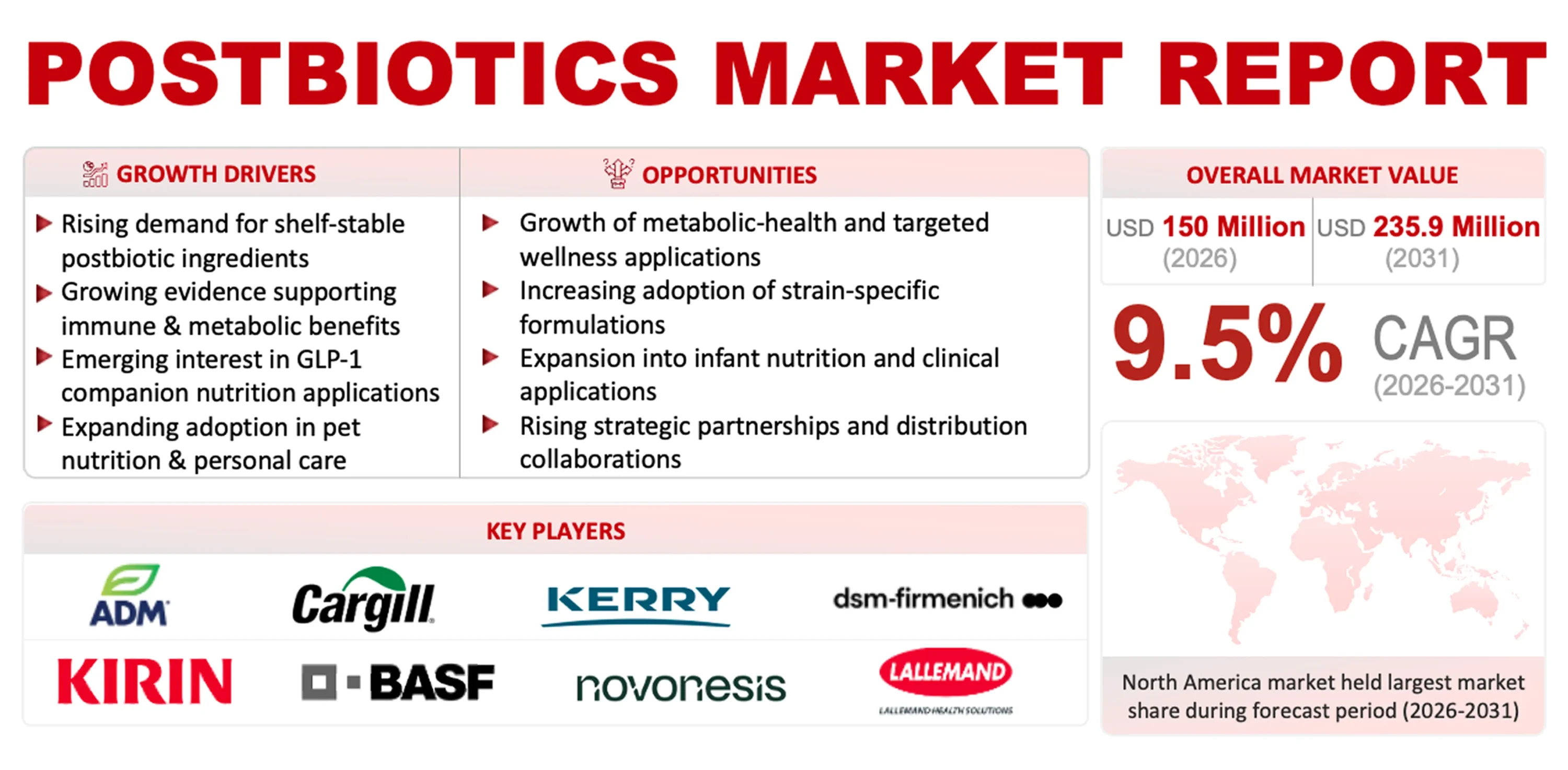
Postbiotics represent a unique middle ground in the microbiome active ingredients category: unlike live probiotic strains, they are preparations of inanimate microorganisms and/or their components, including microbial cells, cellular fractions, and microbial-derived metabolites, that provide demonstrated health benefits. This stability factor is driving commercial interest in the category as brands seek to transition their health benefits for gut health from chill-only supplements to ambient supplements, snack bars, and beverages. The momentum in the category is also supported by the 2021 ISAPP consensus definition, which provided a much-needed scientific reference point for researchers and companies by establishing a consistent terminology for postbiotics. This has helped accelerate product development and research alignment, although regulatory pathways and health claim substantiation requirements continue to vary across regions. The global postbiotics market is estimated at USD 150 million in 2026 and is projected to reach USD 235.9 million by 2031, expanding at a CAGR of 9.5% over the forecast period.
Technology Overview
Postbiotics are primarily derived from bacterial genera such as Lactobacillus-related species, Bifidobacterium, Lactococcus, and emerging strains such as Akkermansia muciniphila, as well as yeast species including Saccharomyces. Postbiotics include preparations of inanimate microorganisms and/or their components, including microbial cells, cell fractions, and metabolites, demonstrated to provide health benefits. The resultant postbiotic ingredient class includes a wide array of chemical compositions, ranging from inactivated whole cells, short chain fatty acids like butyrate and propionate, exopolysaccharides, bacteriocins, enzymes, and cell surface structural components like peptidoglycan and teichoic acid. These diverse ingredient formats enable applications across dietary supplements, functional foods and beverages, clinical nutrition, and personal care products, depending on the functional properties of the specific postbiotic preparation.
Key Growth Drivers
- Companies are increasingly adopting postbiotic ingredients in applications where maintaining live probiotic viability is challenging, enabling shelf-stable formulations without the need for cold-chain distribution, owing to the fact that inactivated cultures have the ability to withstand the conventional food processing, storage, and manufacturing processes that normally destroy live cultures
- The 2021 ISAPP consensus definition established a common scientific framework for postbiotics by defining the category and distinguishing it from probiotics and prebiotics. This has improved consistency in research communication, product development, and industry alignment, although regulatory requirements for health claims remain region-specific
- The increasing research interest in short-chain fatty acids for their role as systemic signal molecules rather than just as gut health markers opens up more claim possibilities for postbiotics in terms of immune regulation and metabolic regulation
- With the swift commercialization of GLP-1 medications for weight loss, a burgeoning companion nutrition category has emerged focused on lean mass preservation, sustainability of weight loss, and addressing nutrient deficiencies during rapid weight loss, and postbiotic suppliers are exploring opportunities in this emerging nutrition category
- Pet nutrition companies are increasingly adopting human nutrition trends, including microbiome-focused solutions, through postbiotic and synbiotic formulations targeting digestive and metabolic health
- Skin and scalp barrier products in personal care are using postbiotic fractions like exopolysaccharides, expanding postbiotic ingredient usage from ingestibles to topicals
Postbiotics Market Key Highlights
Need deeper insights on this market?
Get full report access with detailed forecasts, competitive analysis, and segmentation.
Postbiotics Market Trends
The postbiotics market is evolving along two parallel paths: expansion into new application areas beyond traditional digestive health, and increasing specialization toward strain-specific and metabolite-specific formulations targeting defined physiological benefits.
Convergence with Metabolic Health and GLP-1 Companion Nutrition
The swift rise in the use of GLP-1 agonists for weight loss is creating an emerging commercial opportunity for postbiotic ingredient providers. Early research interest is exploring the potential role of postbiotics as nutritional support during weight-management interventions, although clinical evidence specifically combined with GLP-1 therapies remains limited. Ingredient suppliers and consumer brands are increasingly exploring postbiotic-based solutions positioned around metabolic health and weight-management support, while pet nutrition brands are also evaluating postbiotic applications for metabolic and digestive health.
Expanding Applications Beyond Digestive Health into Immune Support, Metabolic Health, and Personal Care
While postbiotic health claims used to be limited almost exclusively to digestive well-being, product introductions made during 2025 and 2026 indicate that the sector is branching out to immune system support, stress and mood regulation, and topical skin applications as well as supported by clinical research on particular strains or fractions. Also, the usage of heat inactivated bacterial postbiotics is being actively developed, especially in beverages. The scope extension is also reflected in the formulation strategy, where brands offer postbiotics combined with prebiotics and probiotics in the so-called “synbiotic” formulations such as gummies.
Key Players in the Postbiotics Market
The major companies operating in the postbiotics industry are competing on strain and metabolite specificity, clinical documentation depth, formulation format flexibility, and speed of geographic expansion through distribution partnerships.








Strategic Activities Within the Postbiotics Market
The Akkermansia Company (Belgium), which is a subsidiary of Danone, has introduced METAbiotics™, a brand new consumer health postbiotic product in the U.S. This brand is based on the research done on Akkermansia muciniphila. Moreover, it is positioned around weight management and and metabolic health-based product.
Superbrewed Food (USA) announced the commercial launch of Thryvia™, a stable protein-based post-biotic which is meant for the improvement of digestive and immune health. This ingredient has the potential to be utilized in different products, from supplements to food and beverages, thus widening its application opportunities.
Probi (Sweden) entered the market of postbiotics with a product known as Rham271h™, which was introduced by Probi during Vitafoods Europe 2026. This heat-inactivated form of Lacticaseibacillus rhamnosus 271 has been designed to be used in functional food and beverage products that have immune-support based claims.
Lallemand Health Solutions (Canada) and Kirin Holdings (Japan) signed an agreement aimed to broaden the global reach of IMMUSE® – a heat-inactivated Lactococcus lactis postbiotic developed by Kirin for the supporting immune health. The alliance leverages Lallemand’s formulation and commercialization capabilities and Kirin’s postbiotic research expertise to expand applications across dietary supplements, foods, and beverages.
Postbiotics Market Insights
Postbiotics are emerging from being a niche microbiome-adjacent ingredient, to becoming a clear functional category with a growing number of clinical studies being released and marketers utilizing the benefits of this format’s shelf-stability over live probiotics in so many products. The market is forecasted to reach USD 150 million in 2026, and it is expected to bloom to USD 235.9 million by 2031, at a CAGR of 9.5%.
The dietary supplement still remains the major commercial application, with functional food and beverage applications being secondary to this, with products in dairy, bakery, and beverages categories. Other minor but structurally important adjacent applications include infant nutrition, animal feed and pet nutrition, cosmetics and personal care, pharmaceuticals and clinical nutrition, and sports and performance nutrition. Each application uses its own chemical fraction of postbiotics, either whole cells in supplements and infant formula, pure metabolites in pharmaceuticals and clinical nutrition, or exopolysaccharides in personal care.
The most immediate opportunity available is the positioning of metabolic health in addition to GLP-1 therapy, which is an adjacent category without any existing incumbent, along with high consumer search interest. The future opportunity would lie in strain- and metabolite-specific scientific evidence that would enable the postbiotics industry to transition from general health benefits to condition-specific positioning, along with geographical expansion through strategic distribution alliances.
These include GLP-1 complementary nutrition, immune system and skin health claims, and synbiotic formulation involving the incorporation of postbiotics along with prebiotic fiber and probiotic strains in one formulation. A harmonized global regulatory framework specifically dedicated to postbiotics is currently lacking. Companies typically navigate existing food, supplement, novel food, and health claim regulations depending on geography. Another challenge is analytical: proper characterization and standardization of multi-component postbiotic preparations is very hard from the point of view of methodology, which makes consistent quality control, cross-study comparison, and standardization challenging.
It is anticipated that Asia Pacific will lead among all regions in terms of growth due to the increase in disposable income, increased gut health awareness, and rising use of functional foods and supplements in the region’s key economies. South Korea, for instance, has a presence of postbiotics commercialization activities even in adjacent areas of nutrition in the pharmaceutical space, whereas China and India have largely untapped markets with increased spending on health.
Postbiotics Market Dynamics
Drivers: Advantage of Shelf-Stability and Expanding Clinical Claims
The key driver here is a manufacturing one: while postbiotics are stable through processing and at room temperature where probiotics can’t survive, allowing the brand to use the benefits for digestion and immunity in products such as bars, beverages, and other shelf-stable supplements where live-culture ingredients were not possible before. The other major factor is increasing scientific evidence showing postbiotics as signaling molecules outside the digestive tract, mainly due to short-chain fatty acids.
Opportunities: Establishing Metabolic Health Position and Expanding Reach into New Sectors
The main opportunity for the short-term is to position oneself in the nascent sector of GLP-1 companion nutrition, which is all about aiding patients in losing weight by applying drugs. Using this nutrition trend, suppliers of postbiotics are rapidly taking their entry into the space. The other important opportunity is that of diversification of applications by extension into pet nutrition, cosmetics, and infant nutrition, making for an expansion in addressable markets far beyond the supplement category.
Challenges: Regulatory Ambiguity and Analytical Standardization
The lack of a particular legislative framework from major food safety authorities continues to be the biggest structural limitation within the industry, resulting in uncertainty around permissible claims and ingredient classification, which increases compliance risk and makes it difficult to enter international markets. To add to this complexity, the chemical diversity of postbiotic products, from whole attenuated cells to specific metabolites, makes achieving consistently standardized analysis difficult and thereby hampers quality control, comparability of studies, and acts against the attractive idea of uniform labeling desired by both enforcement bodies and retailers.
Technology and Market Insights
The evolution of the postbiotics market is increasingly supported by advancements in enabling technologies that are improving ingredient development, characterization, and application potential. Precision fermentation is enabling more controlled and scalable production of targeted microbial fractions and bioactive metabolites, while multi-omics approaches, including genomics, proteomics, and metabolomics, are enhancing the understanding of microbial components associated with specific health outcomes. In parallel, advances in encapsulation and delivery technologies are helping improve ingredient stability, functionality, and compatibility across diverse applications such as dietary supplements, functional foods, beverages, and clinical nutrition. Emerging applications of artificial intelligence and machine learning are further contributing to strain identification, metabolite profiling, and formulation optimization, although these technologies are still at an early stage of adoption within the sector. Collectively, these developments are expected to accelerate the transition of postbiotics from broad microbiome-based ingredients toward more targeted, evidence-driven, and function-specific solutions.
Technology Scope and Products
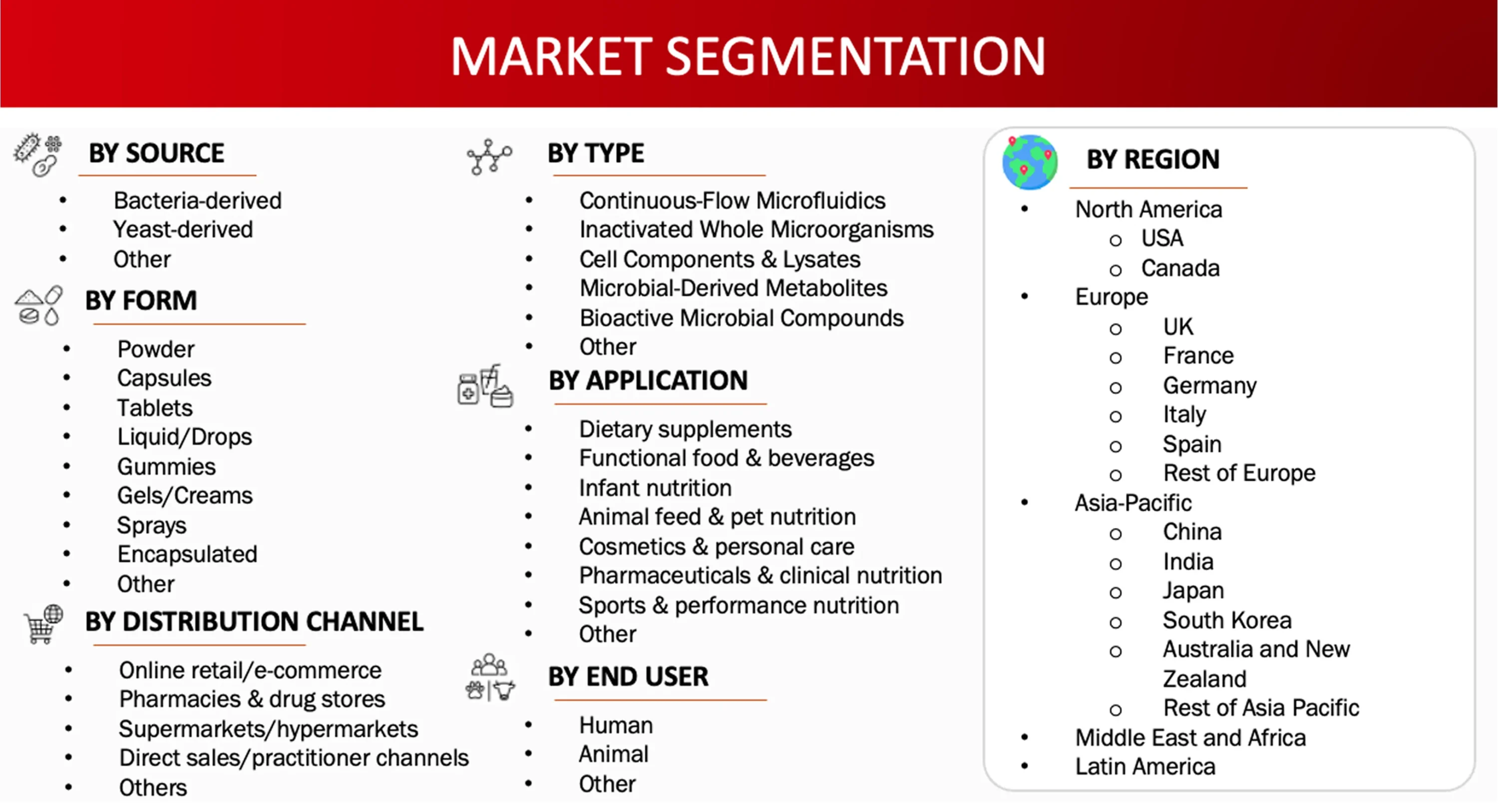
Postbiotics Market Segmentation
Want detailed insights from this report?
Industry Developments and Competitive Landscape
Three factors are driving the postbiotics market in the near future: unresolved regulatory classification across major food-safety authorities, the emergence of GLP-1 companion nutrition opportunities in functional foods and beverages, and the entry of specialist and early-stage ingredient developers challenging the big players in the category. Established companies defend their positions by providing enough evidence of their efficacy based on scientific studies of what they do instead of reducing prices on their products. Emerging start-ups, on the other hand, are acting quickly in a narrowly focused market, filling a niche with the one type of strain, one type of metabolite, and one health claim, which allows them to be ahead of more established companies in creating formulations using postbiotics.
Bacteria-based postbiotics produced via fermentation constituted the largest share of the market and highlight the maturity of the fermentation processes of bacteria, which have become established in the broader probiotics market, consequently decreasing barriers to the conversion of current production lines to postbiotic output. In addition, next-generation bacterial sources are further supporting this trend: the release of the postbiotic from the Akkermansia Company in 2026 from the Akkermansia muciniphila in the US demonstrates how existing fermentation firms are extending bacteria-source postbiotics to new strains instead of moving toward yeast-based options.
Use of functional foods and beverages is anticipated to grow at a rapid pace, owing to the heat and stability of postbiotics which makes it possible to include them in the product range that does not require live cultures. An example of this trend toward ambient-format functional products is the launch of heat-inactivated postbiotic Lacticaseibacillus rhamnosus by Probi in May 2026, which was developed for functional food and beverage applications with immune-support claims.
North America accounted for the biggest regional market share, backed by strong awareness about gut health and immunity products among consumers and robust activities of ingredient innovation and commercialization. Several 2026 postbiotics, such as The Akkermansia Company’s METAbiotics™ and Superbrewed Food’s Thryvia™, have been launched in the region first as it is seen as an ideal launch pad for the weight management and digestive health supplements category.
What This Report Covers-
This report provides a comprehensive analysis of the postbiotics market, offering insights into key trends, growth drivers, challenges, and future opportunities. It is designed to support strategic decision-making through a combination of quantitative data and qualitative analysis.
Specifically, the report covers:

Market Overview & Definition:
Overview of the market scope, structure, and key terminology

Market Size & Forecast:
Historical data and future projections across key segments and regions

Key Market Trends:
Insights into emerging trends, technological advancements, and evolving demand patterns

Drivers, Restraints & Opportunities:
Analysis of key factors influencing postbiotics market growth

Competitive Landscape:
Overview of major players, their strategies, and recent developments

Detailed Patent Analysis:
This includes, top assignees, geography focus of top assignees, legal status, technology evolution, key patents and patent trends and innovations

Segmentation Analysis:
Breakdown by source, type, form, application, distribution channel, end user, and region

Regional Insights:
Key regional trends and growth opportunities

Future Outlook:
Strategic insights and future market direction
Research Methodology
The analysis of the postbiotics market is based on a combination of primary and secondary research approaches, complemented by data validation and analytical assessment to ensure the accuracy, consistency, and reliability of market findings.
Market Definition: Postbiotics Market
It refers to the discovery, development, manufacturing, and commercialization of formulations of inanimate microorganisms and/or their cellular constituents and/or metabolites that impart a proven health benefit to the host, following the definition of 2021 set by the International Scientific Association for Probiotics and Prebiotics. The market features the postbiotics which are obtained through fermentation using either bacteria or yeast in different forms, like powders, capsules, pills, liquids, gummies, creams, or sprays for further usage in making finished products.
Scope includes postbiotics used as ingredients and postbiotic finished products in dietary supplements, functional foods and beverages, infant nutrition, animal feed & pet nutrition, cosmetics & personal care, pharmaceuticals & clinical nutrition, and sports & performance nutrition. Postbiotics are primarily derived from bacterial and yeast sources, with bacterial strains representing the dominant commercial category, and will be available as inactivated whole cells, purified metabolites, or fragmented cell structures.
Key Stakeholders
The postbiotics market involves a diverse ecosystem of stakeholders:
- Postbiotic Ingredient Manufacturers and Strain Developers
- Finished-Product Brand Owners (supplement, functional food, and beverage brands commercializing postbiotic-containing products)
- Raw Material and Fermentation Input Suppliers
- Formulation and Format Manufacturers
- Animal Nutrition and Pet Food Companies
- Cosmetics and Personal Care Manufacturers
- Distribution & Retail Channels
- Contract Manufacturers and CDMOs
- Research Institutions and Trade Bodies
- Regulatory and Government Organizations
- Investors and Industry Associations
- Consumers/End Users
Key Objectives of the Study
- To define, describe, analyze, segment, and forecast the postbiotics market by source, by type, by form, by application, by distribution channel, and by end user
- To describe and forecast the market for four key regions: North America, Europe, Asia Pacific, and Rest of the World
- To provide detailed information regarding key drivers, restraints, opportunities, and challenges influencing market growth
- To analyze macro and micro market indicators with respect to individual growth trends, prospects, and contributions to the overall market size
- To analyze opportunities for stakeholders in the postbiotics industry and emphasize the competitive landscape of the market
- To develop competitive benchmarking of key market players based on business strategies, product offerings, and end-user applications
- To strategically profile key players and comprehensively analyze their product portfolios, technological capabilities, and core competencies
Need deeper insights on this market?
Get full report access with detailed forecasts, competitive analysis, and segmentation.
Research Approach
This research employs a systematic approach by using primary research along with secondary research to achieve full coverage and accuracy of information about the postbiotics sector. Through this approach, the current market trends in terms of consumer behavior, technological developments, product innovation, and competitive environment can be analyzed thoroughly.
Secondary Research
Secondary research involves the collection of data from reliable sources such as industry databases, company annual reports, press releases, industry articles, investor presentations, and clinical research publications. This process helps in understanding market trends, identifying key players, and gathering technical and commercial insights.
A comprehensive database of leading companies and market participants is developed through secondary research to support further analysis.
Primary Research
Primary research is conducted to validate findings from secondary research and to gain deeper insights into market dynamics. Interviews are carried out with industry stakeholders across both demand and supply sides, including executives such as R&D leads, ingredient manufacturers, formulation specialists, research institutions, and stakeholders from business development, marketing, and product teams.
Data is collected through structured questionnaires, email interactions, and telephonic interviews across key regions including North America, Europe, Asia-Pacific, and Rest of the World.
Market Size Estimation
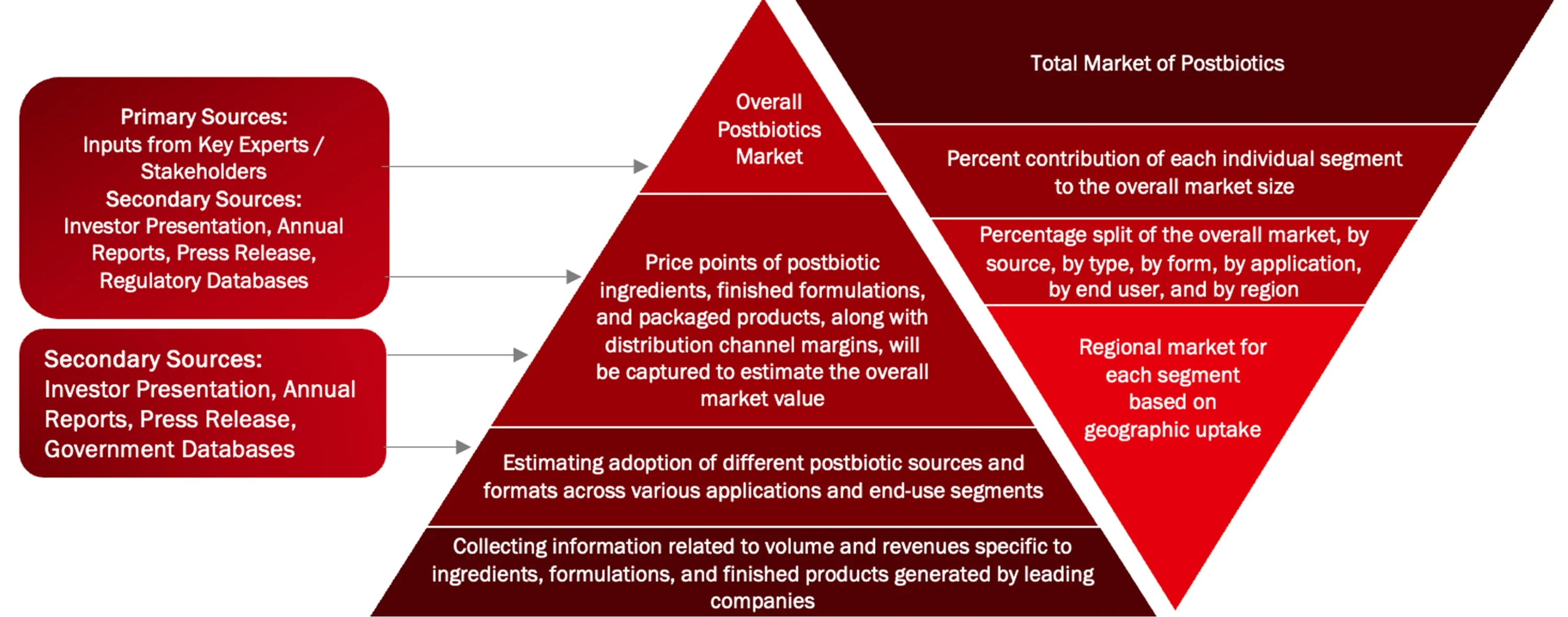
Market size estimation is performed using both top-down and bottom-up approaches. Key market players are identified, and their revenues are analyzed to estimate the overall market size.
The market is further segmented based on:
- Product portfolio mapping across regions
- Adoption patterns across application segments
- Insights gathered through primary and secondary research
Data Validation and Research Design
After estimating the overall market size, the data is validated using triangulation methods and market breakdown techniques to ensure accuracy and consistency. Both demand-side and supply-side factors are considered to refine the analysis.
The final data is validated through multiple sources to ensure reliability and to provide accurate insights across all market segments and regions.
Assumptions of the Study
The analysis of the postbiotics market is based on the following key assumptions:
- Trends in the industry are drawn from historical data and current information within the postbiotics sector
- The future outlook is underpinned by constant economic conditions in the absence of major shocks to the market
- The adoption rate of postbiotic ingredients will rise steadily across all important regions
- Product innovation, clinical substantiation, application diversification, and formulation advancement will remain important growth contributors
- Market size and market share figures are estimated using available information from the industry and publicly available data
- The regulatory frameworks, R&D spending, and pricing conditions are assumed not to be significantly disrupted during the forecast period
Scope and Limitations
Scope of the Study
This report offers an exhaustive overview of the international postbiotics market and includes the following components:
- Summary of market size, growth trends, and projections
- Carefully segmented market based on source, type, form, application, distribution channel, end user, and geography
- Discussion of primary factors influencing the market
- Competitor analysis
- Insights into regional and national market performance
Limitations of the Study
Despite the best efforts being made to keep the results accurate, the study does suffer from some limitations:
- It has been done using both primary and secondary data that come with their own constraints
- Rapid developments in clinical research and formulation technology might affect the future course of market dynamics
- Some figures are only approximations due to lack of public disclosure
- The report is not an insurance against any disruptions in macroeconomics and geopolitics
- Future forecasts are indicative and subject to change due to altered industry dynamics
Data Triangulation and Market Breakdown
Data triangulation involved the combination of primary research, secondary research, and the Wissen Research analysis. Once the data points were sourced from the secondary market research, we sanitized the data points to make the market sizing and growth forecast more accurate by developing our own assumptions based on the inputs and insights we gather through the primary interviews with the industry experts. Once the data was thoroughly validated through primary interviews from both, demand and supply side of the market, our team of analyst and other team members involved finalized the market sizing and growth forecast.
Data Triangulation Methodology
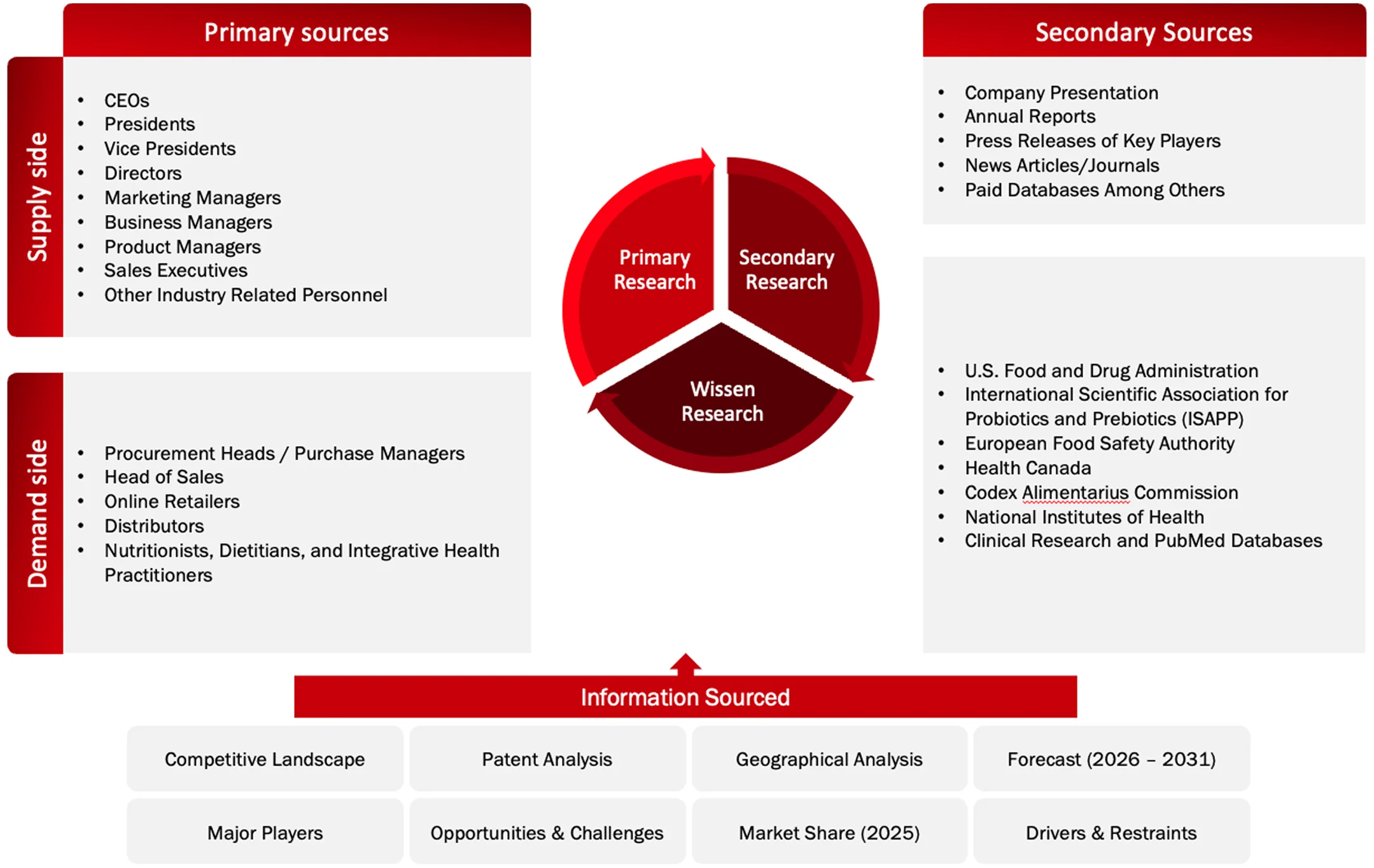
Sources: International Scientific Association for Probiotics and Prebiotics (ISAPP), U.S. Food and Drug Administration (FDA), European Food Safety Authority (EFSA), Codex Alimentarius Commission, Health Canada, National Institutes of Health (NIH), PubMed/Clinical Research Databases, Company Websites, Annual Reports, Investor Presentations, Product Launch Announcements, Nutraceutical and Functional Food Industry Publications, Paid Data Sources, and Wissen Research Analysis.
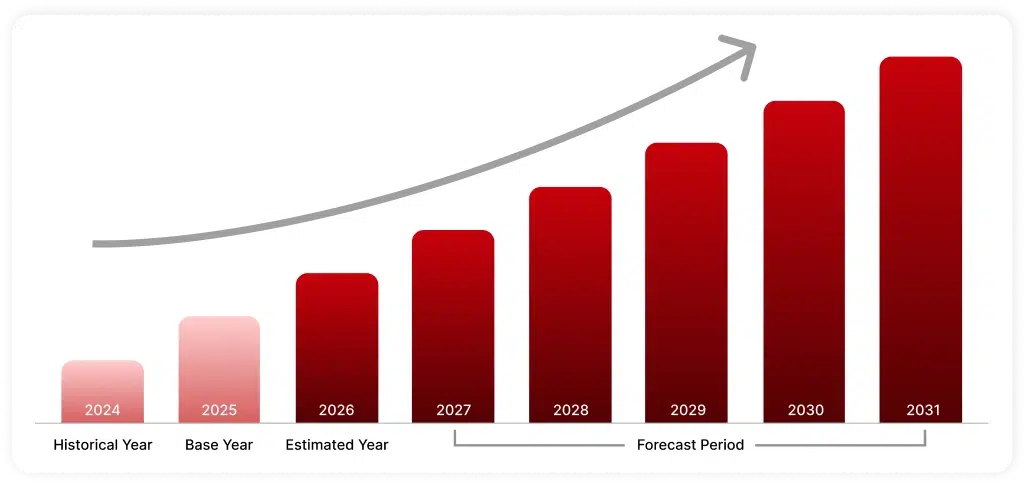
Year Framework
Bottom-Up Approach (Demand Side) And Top-Down Approach (Supply Side)
Bottom-Up Approach (Demand-Side Approach):
Determining the market size through the consolidation of demand among end-users, sectors, and geographic areas, which are calculated according to real-world demand conditions.
Top-Down Approach (Supply-Side Approach):
Calculating the market size through revenue and performance of the industry and its important companies, allocating the market size among various sectors.
Want detailed insights from this report?
Buy this Report
Choose the option that best fits your needs


