
Sensor Patch Market
Global Industry analysis, Size, Share, Growth, Trends, and Forecast 2026-2031
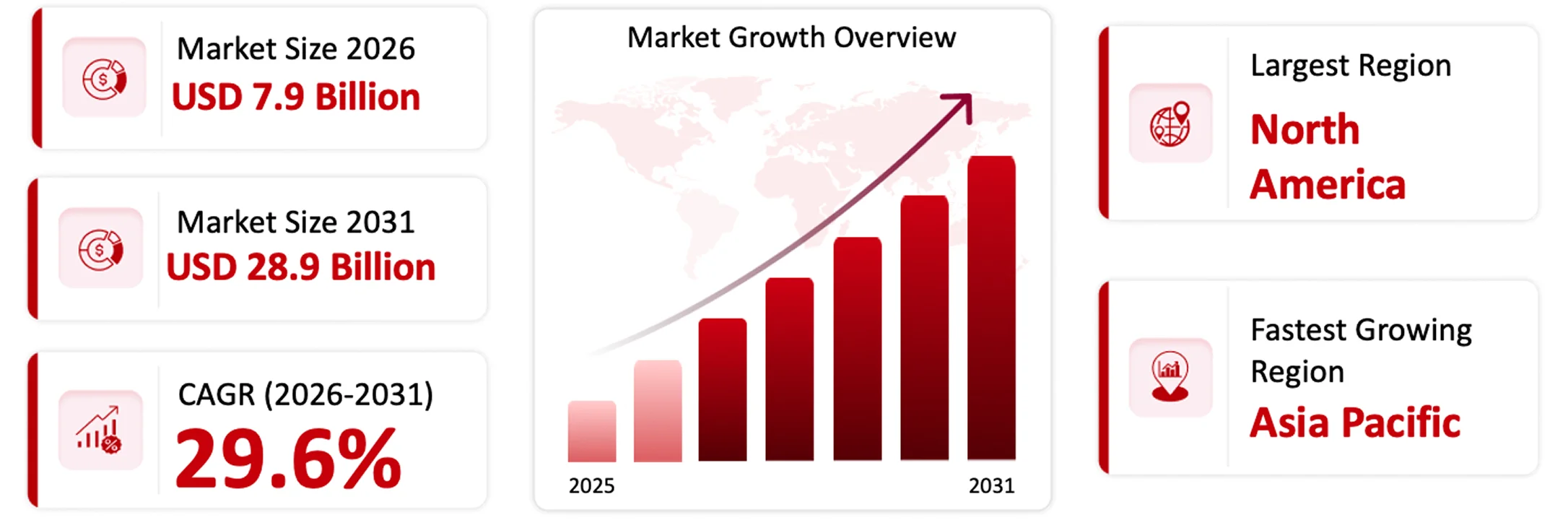
The global sensor patch market is projected to reach USD 28.9 billion by 2031, growing at a CAGR of 29.6% during the forecast period.
| Market Size (2026): | Forecast (2031): | CAGR (2026–2031): | Leading Region: | Fastest Growing Region: |
|---|---|---|---|---|
| $ 7.9 Billion | $ 28.9 Billion | 29.6 % | North America | Asia Pacific |
Summarize this report with:



Market Overview
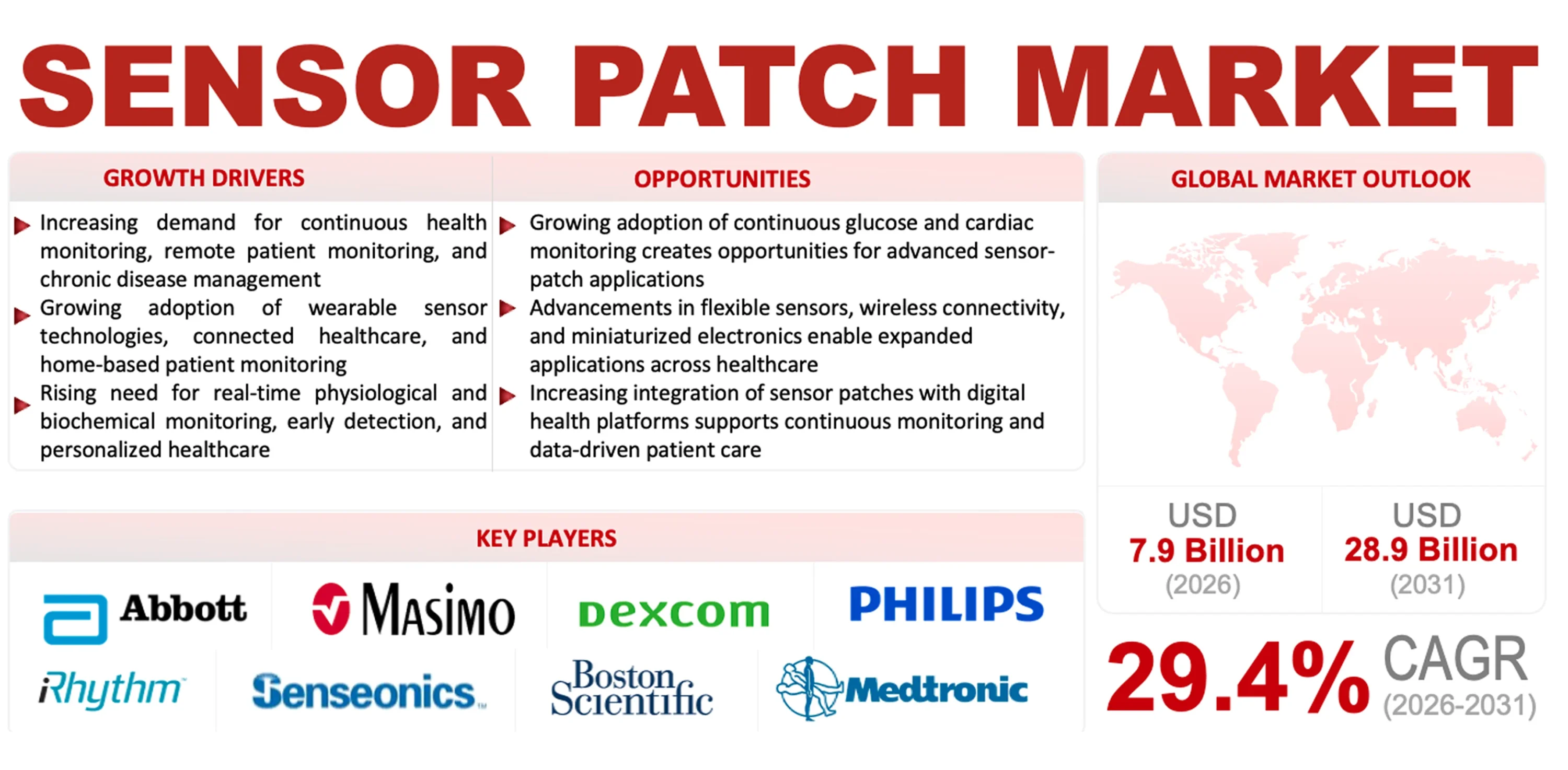
There is a considerable development in the sensor patch market given that healthcare specialists, patients, and users continue getting used to the wearable patch technologies. The sensor patches assume the form of flexible or adaptable devices that encompass different sensing devices, advanced electronics, and components. They might be used to establish the glucose levels in the blood, electrocardiograms, heart rate, temperature, oxygen levels, blood pressure, movement of the body, and some other parameters. The sensor patch market covers the realm of its implementations and includes the assistance in chronic illness treatment and management, cardiac monitoring, diagnostics, home care, advanced clinical studies, sports, and fitness activities. The market is supported by the increasing occurrence of chronic illnesses and growing need for constant monitoring of one’s health, growth of remote healthcare, progress in the development of flexible electronics and miniaturized sensors, the emergence of the technologies that allow monitoring glucose levels in the blood. The market is estimated to be USD 7.9 billion in 2026 and is projected to reach USD 28.9 billion by 2031, growing at a CAGR of 29.6 % during the forecast period (2026-2031).
Technology Overview
Sensor patch technology is a combination of flexible substrates, compact sensors, signal processing electronics, and wireless communication. The type of patch used will depend on the parameter being measured. Examples of sensing technologies include electrochemical, thermal, optical, electrical, or electromedical. The electronics necessary for processing, storing, or transmitting physiological data is built into the sensor.
The technological development has moved from single-parameter and unconnected to multimodal sensor systems. One of the successful examples of the development of this technology is the introduction of a continuous glucose monitoring system, but ECG patches, which have made it possible to monitor ECG in patients for long periods of time, have become another successful application in this field. The newest technologies combine all physiological measurements, microfluidic sampling methods, and a number of additional technologies.
In the latest scientific literature more attention is being paid to the interconnection of physical and biochemical sensors but such problems as signal drift, biofouling, inter-user differences, power supply, and skin compatibility continue to draw attention.
Key Growth Drivers
- The increasing burden of chronic illnesses is leading to a rise in the need for continuous patient monitoring because diseases such as diabetes and heart diseases require checking in real time and out of traditional clinical settings. The World Health Organization (WHO) believes that chronic diseases are responsible for about 41 million fatalities each year and about 71% of mortality rates globally are due to diseases of this kind.
- The increasing prevalence of diabetes has promoted the development of glucose-sensing patches, especially systems for continuous monitoring of glucose in order to take measurements of interstitial glucose at regular intervals. The International Diabetes Federation (IDF) has stated that about 589 million people aged 20–79 suffer from diabetes in 2024 which makes up around 11.1% of the population in that age range.
- The introduction of remote and home care practices has accelerated the use of sensor-based patches for physiological data collection outside the hospital and its transmission to relevant medical professionals or the digital health platform. The FDA has defined wearable digital health technologies in the form of sensors, including patches, as the devices operating in a continuous or periodic monitoring mode outside a clinical setting, such as at home.
- Changes in flexible electronics and sensor technologies enhance patches usability and functionality. Flexible materials, conformable electronics, power-efficient components, microfluidics, and wireless communication enable the sensors to conform to the body better, providing long-term monitoring and more diverse measurements.
- Increasing acceptance of wearable sensors in regulation is driving the growth of usage of these devices commercially. The FDA lists several further approved systems for continuous glucose monitoring from Abbott, Dexcom, Senseonics, and ECG patches such as iRhythm's Zio system.
Sensor Patch Market Key Highlights
Need deeper insights on this market?
Get full report access with detailed forecasts, competitive analysis, and segmentation.
Sensor Patch Market Trends
The sensor patch industry is moving away from simple single-parameter monitoring devices and towards connected, multimodal, and smarter health-monitoring systems. Currently, the best commercial applications are those for continuous glucose monitoring and ambulatory cardiac monitoring, while research and development are focused on more advanced applications such as temperature, blood pressure, biochemical sensing, hydration, metabolism, and systems using multiple physical parameters.
Increasing Adoption of Continuous and Multimodal Monitoring
Sensor patches undergo development to collect physiologic data on a continuous basis or more frequently than clinical settings based on periodic measurements alone. ECG patches offer prolonged ambulatory heart monitoring while the glucose sensor patches sense the continuous amount of interstitial glucose enabling monitoring of diabetes patients.
The FDA database contains generations of CGM systems from Dexcom, Abbott Diabetes Care, Senseonics, etc. It also includes the G7 15 Day systems from Dexcom and the Eversense 365 system from Senseonics, which is proof of continuous development towards sensing glucose for longer periods of time and less replacement frequency.
Multimodal sensing represents one of the trends in the industry. Increasingly, research platforms combine electrical, mechanical, thermal, optical and biochemical techniques on one flexible substrate, which allows for more pronounced physiological characterization than individual devices. However, a large number of state-of-the-art biochemical and multimodal solutions exist at various stages of validation and commercialization rather than being mature mass market solutions.
Expansion of Remote Patient Monitoring and Home Healthcare
The increased utilization of remote patient monitoring is generating the need for miniaturized sensor patches capable of collecting physiological data through a person’s daily activities. Monitoring via patches would allow decreasing dependence on repeated in-person measurements and provide more longitudinal data than what could be obtained during short routine visits.
Cardiac monitoring could be considered as a well-established example of this type of approach. For instance, iRhythm Technologies, Inc. is known for receiving various FDA approvals for its Zio patch and relevant monitoring systems, which show the existence of the comprehension regulatory route for the mobile ECG monitoring by the use of patches. The initial Zio Patch received FDA approval in 2009 and the consecutive Zio systems received more approvals, allowing for more advanced monitoring opportunities. In addition to that, the medical industry is becoming more and more interested in the prospect of the use of wearable technologies for remote monitoring of chronc diseases, post-acute care of older people, and trial studies. This tendency is facilitated by the emerging technologies, such as wireless connectivity, cloud data platforms, mobile communication accessibility, and possible remote clinical procedures.
Key Players in the Sensor Patch Market
Leading companies in the sensor patch market are focusing on continuous glucose monitoring, ambulatory cardiac monitoring, physiological sensing, flexible electronics, sensor miniaturization, wireless connectivity, data analytics, and expansion of wearable monitoring applications.








Strategic Activities Within the Sensor Patch Market
DexCom, Inc. (U.S.) received FDA clearance expanding Stelo’s use to children aged 2 years and older who did not use insulin. The company also announced a redesigned Stelo app and planned expansion into the U.K., Australia, New Zealand, and South Korea, broadening access to its wearable glucose biosensing technology.
Abbott Laboratories (U.S.) secured CE Mark approval for Libre Duo and Libre Duo 10 Day, its dual glucose-ketone sensing bio wearables. The sensors continuously monitored glucose and ketones, provided up to 15 or 10 days of wear, and integrated with Abbott’s Libre digital health ecosystem. Abbott planned European launches later in 2026.
iRhythm Technologies, Inc. (U.S.) agreed to acquire VitalConnect, Inc. (U.S.) for approximately USD 287.5 million, combining Zio cardiac monitoring with VitalPatch wearable biosensors. VitalPatch uses AI-enabled algorithms to provide real-time ECG and vital-sign data through cloud connectivity. The acquisition expanded iRhythm’s cardiac monitoring, hospital, and remote-care capabilities.
Sensor Patch Market Insights
The market for sensor patches has emerged as an essential area within the larger field of wearable medical devices and digital health, which enables the ongoing monitoring of physiological and biochemical indicators. Sensor patches are defined as adhesive or skin-adhering wearable devices that are equipped with different types of sensors and electronics, various components for communication, and microfluidic or minimally invasive interfaces. The applications of this market include continuous glucose tracking, ambulatory cardiac monitoring, temperature monitoring, respiratory monitoring, activity and motion tracking, as well as monitoring of other biological signals. The growth of the sensor patch market is driven by many factors, including, among others, the increasing rate of chronic diseases, demand for continuous health monitoring, development of remote patient monitoring, advances in flexible electronics and biosensors, increased application of glucose tracking devices, and growing popularity of different wireless health monitoring technologies. According to the data produced by the World Health Organization, around 830 million people suffer from diabetes as of 2022, thus justifying the numbers of potential consumers of glucose monitoring technologies.
Sensor patch technology is widely used in many areas, including glucose monitoring, cardiac monitoring, remote patient monitoring, health and fitness monitoring, and new biochemical sensing applications. Of all these areas, continuous glucose monitoring is the most commercially successful application because sensor-based systems allow it to be possible to record multiple glucose levels and transfer data to a smartphone, receiver, or other connected devices. All the information is confirmed by the FDA, which includes the data about authorized devices produced by Abbott Diabetes Care, Dexcom, Inc., and Senseonics Holdings, Inc.
Cardiac monitoring can also be classified as a proven application area with ECG and biosensor patches used for recording physiological signals during ambulatory conditions. With the help of monitoring patches, it is possible to collect the parameters such as heart rate, temperature of skin and respiratory and some other parameters outside usual healthcare facilities. Information is confirmed by documents provided by the FDA about wearable patch systems used for collecting physiologic information and transmitting it from the patch.
One of the significant reasons for the rising acceptance of sensor patches is the rising global prevalence of chronic diseases. The patient tests for chronic diseases like diabetes, cardiovascular diseases, chronic lung diseases, and other chronic conditions require numerous physiological tests, leading to a need for technology that can collect health data outside traditional clinical facilities. As per the estimates of the World Health Organization, in 2022 nearly 830 million people had diabetes while non-communicable diseases continue to be one of the major causes of death worldwide.
The growth of remote or home healthcare is another equally important driver of growth. Sensor patches are capable of continuously or intermittently monitoring physiological parameters while allowing patients to be mobile, hence it might reduce the need for multiple in-clinic diagnostics.
The forefront of the sensor patch market is expected to see advancements in health monitoring systems starting with continuous monitoring, multimodal sensing technology, flexible electronics, and advanced sensors for physiological measurement and signal wireless transmission. Commercial solutions are moving from basic single-parameter monitoring to more advanced solutions capable of simultaneously collecting multiple physiological parameters or combining sensing with digital health technologies. Continuous glucose monitoring and wearable ECG are already commercially available, whereas biochemical, metabolic, hydration, and multimodal sensing is being developed.
Sustainability, comfort of patients, precision of sensors, compatibility of materials with the skin, durability of batters, security of data, and interoperability of devices still play an important role in the value chain. Flexible and skin-adapted materials can improve the usability of the sensor while exploiting the sensor for a long time increases the challenges related to adhesion, mechanical deformation, biofouling, signal drift, calibration, and human variability.
The continent of North America is home to one of the largest markets for sensors, thanks to highly developed healthcare infrastructures, a large degree of acceptance for digital health technology, the presence of medical device manufacturers and a good investment climate, the presence of major players in the market for continuous glucose monitoring and cardiac monitoring.
In addition to the regulatory framework for sensor-based digital health technologies in the U.S., we can see many records by the FDA approving different glucose monitors, cardiac monitors, remote monitors and other wearable monitoring devices.
The driving factors of sensor installations in the market include the rise of chronic diseases, increased use of remote monitoring of patients, growth in home care services, and the integration of wearable devices with mobile devices and the cloud. We can say that the U.S. is a pioneer in the development of flexible biosensors, connected medical devices, and digital clinical trials.
Sensor Patch Market Dynamics
Drivers: Rising Chronic Disease Burden and Demand for Continuous Monitoring
The rising incidence of diabetes, cardiovascular diseases, and various chronic diseases is creating a greater need for continuous and long-term physiological monitoring. Patch sensors can offer constant or occasional readings while eliminating the need for numerous evaluations and allowing patients to stay at home or on the go.
The growing use of telehealth services is also driving the demand for wearable sensor technology. Connected patches collect physiological data and send it via wireless technology to cell phones, cloud systems, or health providers, enabling remote patient monitoring and possibly allowing timely detection of bodily condition changes. According to the FDA, connectivity is a significant aspect in terms of medical device monitoring and data transmission.
Opportunities: Multimodal Sensing, Biochemical Monitoring, and Remote Healthcare
The market for sensor patches holds a lot of potential given the advent of multimodal platforms that can monitor multiple physiological and/or biochemical parameters from a single wearable device. Emerging technologies like flexible electronics, microfluidics, electrochemical sensors, optical technologies, and advanced materials are helping monitor various parameters including glucose levels, electrolytes concentrations, metabolite levels, temperature, cardiac signals, hydration rates, etc.
The field of biochemical and biofluids sensing can also present opportunities for development. Flexible microfluidic technologies can collect and analyze sweat, interstitial fluids, saliva, tears, wound exudates, making it possible to monitor additional parameters using minimally invasive methods. Nevertheless, moving the emerging applications into the mass-market stage requires other developments including clinical validation, scaling-up of production, calibration improvements, and regulation framework establishment.
Challenges: Sensor Accuracy, Skin Compatibility, Data Security, and Regulatory Requirements
Manufacturers producing sensor patches are continuing to encounter difficulties regarding several things. These include measuring details accurately, signal drifiting, calibration, biocompatiblity, skin adhesion, battery life, mechanical deformation and using the patch over a long term. Different physiological conditions among users can also create some challenges in the operation of the sensors, which need sophisticated algorithms, calibration processes and validation.
Another issue is meeting the regulatory standards since it is necessary to prove the safety, efficacy and software usability of those sensor patches performing the monitoring or diagnostic functions and FDA does track the companies producing sensor-based solutions in its constantly increased database with a purpose of promoting commercial opportunities for such technologies.
Technology and Market Insights
The sensor patch industry is evolving toward finger-like flexible, small, and multimodal sensing systems. Developers and manufacturers are investing in electrochemical sensors, optical sensors, electrophysiological sensors, MEMS technologies, flexible electronics, microfluidic sampling, wireless methods of communication, low-power electronics, and data analytics. Major commercial applications already exist for continuous glucose monitoring and ambulatory ECGs. At the same time, sensor patches are already being upgraded toward biochemical and multimodal systems.
Furthermore, the industry is becoming more and more data-based. Sensor patches can be used to connect smartphones, special receivers, cloud platforms, and healthcare information systems. This allows real-time transmission and immediate analysis of physiological data. Digital health technologies are becoming commonly used for the needs of remote data collection in clinical research.
Technology Scope and Products
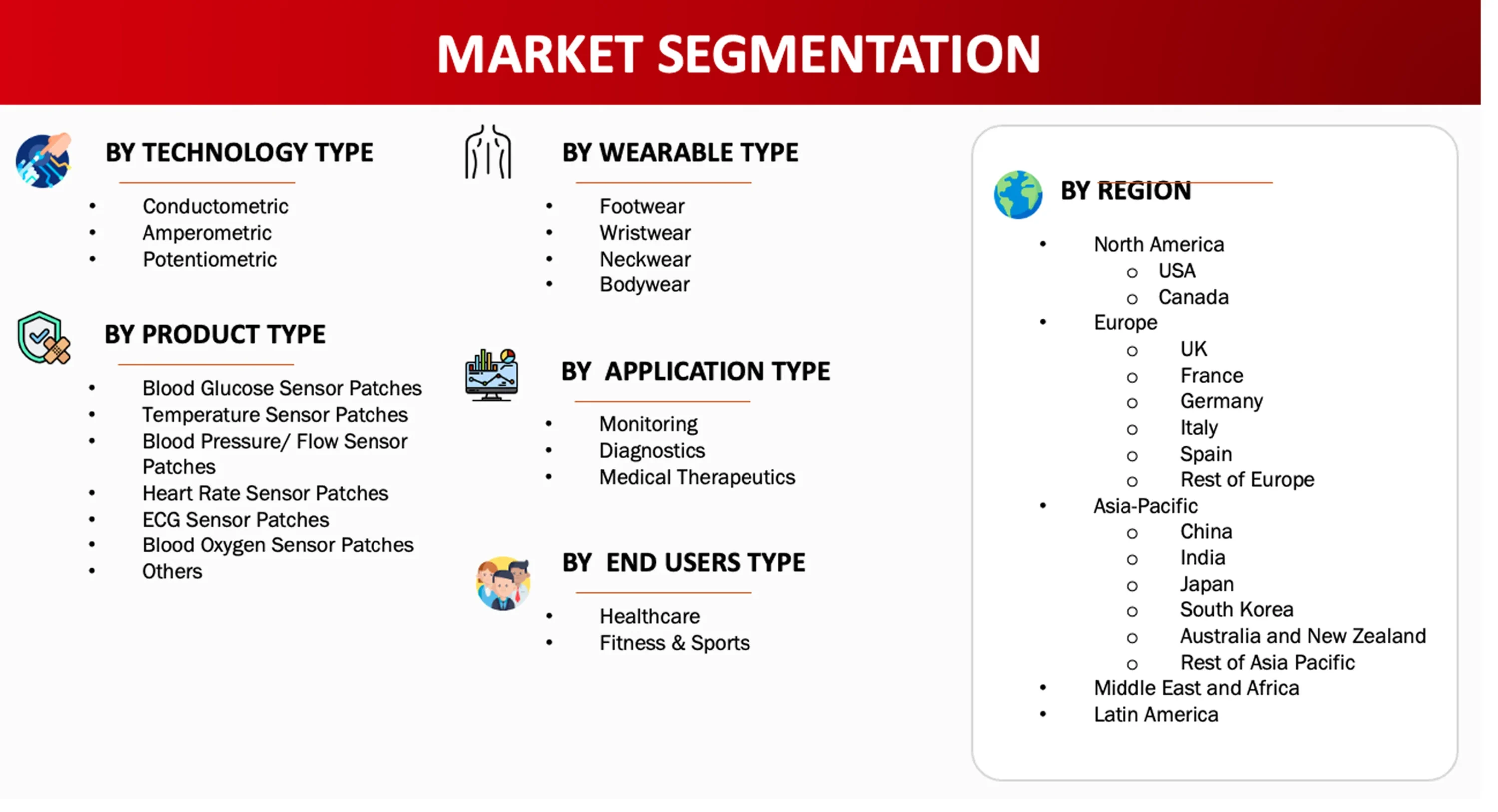
Sensor Patch Market Segmentation
Want detailed insights from this report?
Industry Developments and Competitive Landscape
With the introduction of biosensing technology, flexible electronics, medical device engineering, wireless communication, data analysis, and digital health applications, the competitive landscape of the sensor patch sector has undergone changes. Companies involved in medical device production, sensor technology, and digital healthcare professions have developed patches for use in constant glucose monitoring, heart rate monitoring, body functions monitoring, biochemical metabolism, and the remote monitoring of individuals. All the stakeholders in the sensor patch sector are using small-size sensors on flexible substrates combined with energy-efficient electronics, wireless techniques, glues, and software-based data processing systems. Factors determining competition in the sector include accuracy of sensors, level of miniaturization, ability to be worn, energy power supply, the ability to stick to skin, connection and approval from government agencies.
Amperometric technology held the largest market share in 2025, supported by the substantial commercial scale of continuous glucose monitoring (CGM) sensor patches. Abbott Laboratories (U.S.) reported that approximately 7 million people use its FreeStyle Libre CGM systems globally. Abbott also reported USD 6.8 billion in 2024 Diabetes Care revenue, with the business comprising largely of CGM sales. The company further stated that it opened a 323,000-square-foot manufacturing facility with the highest production capacity for FreeStyle Libre sensors globally, reflecting the scale of demand for glucose-sensing devices.
-
DexCom, Inc. (U.S.) generated USD 4.662 billion in revenue in 2025, an increase of 16% from 2024, with U.S. revenue increasing 15% and international revenue increasing 16%. DexCom also reported approximately 3.5 million customers globally at year-end 2025.
-
The commercial scale of these two major CGM platforms provides strong evidence of the significant contribution of glucose-sensing patches to the sensor patch market. Scientific literature identifies glucose sensing as a major application of amperometric wearable electrochemical sensors. Therefore, the large installed user bases and revenues generated by commercially deployed CGM platforms support amperometric technology as the leading technology segment.
The bodywear segment led the market in 2025, as this will be driven by the adoption of sensor patches worn on the upper arms and torso. As noted by the Abbott Laboratories (U.S.), z the FreeStyle Libre sensor is worn on the back of the upper arm and provides accurate readings. Abbott estimates that there are around 7 million users of the FreeStyle Libre worldwide, indicating the extent of the commercial capabilities of the upper arm sensor patch.
-
On the other hand, DexCom Inc. (U.S.) boasts of operating a large commercial CGM system with more than 3.5 million customers as of the end of 2025, thus providing strong support for bodywear as a commercially successful sector.
-
Cardiac monitoring is another major application of bodywear. iRhythm Technologies, Inc. (U.S.) reported revenue of USD 747.1 million in 2025, which amount to an increase of 26.2% from the previous year. The company further states that the growth in revenue is due to the increase in Zio volume, which is its ambulatory cardiac monitoring solution.
-
The commercial success of CGM and ambulatory cardiac monitoring suggests that bodywear remains popular, especially in terms of commercial applications for sensor patches that are being applied directly on the body as compared the neck, foot, or wrist.
In 2025, North America occupied the position of the largest market, primarily due to the presence of many well-known sensor-patch manufacturers and their products in the US. Abbott Laboratories (US) has approximately 7 million users globally of its FreeStyle Libre CGM systems and around USD 6.8 billion revenue from the diabetes care sector in 2024, the majority of which is attributed to CGM sales. The company has also increased production capabilities for FreeStyle Libre sensors due to the increasing demand for these devices.
-
DexCom, Inc. (US) has announced revenue of USD 4.662 billion in 2025. The growth of the US revenue increased by 15% in 2025, whereas the international revenues went up by 16%, confirming huge scale of its US commercial activities along with international expansion.
-
The cardiac monitoring segment further establishes the mature sensor-patch market in North America. iRhythm Technologies, Inc. (US) has generated revenue of USD 747.1 million in 2025, being driven mainly by increasing Zio service volume.
-
The presence of a number of major sensor-patch companies, huge bases of CGM users along with substantial revenues from operations in the US allows making a conclusion about North America’s top position.
What This Report Covers-
This report provides a comprehensive analysis of the sensor patch market, offering insights into key trends, growth drivers, challenges, and future opportunities. It is designed to support strategic decision-making through a combination of quantitative data and qualitative analysis.
Specifically, the report covers:

Market Overview & Definition:
Overview of the market scope, structure, and key terminology

Market Size & Forecast:
Historical data and future projections across key segments and regions

Key Market Trends:
Insights into emerging trends, technological advancements, and evolving demand patterns

Drivers, Restraints & Opportunities:
Analysis of key factors influencing sensor patch market growth

Competitive Landscape:
Overview of major players, their strategies, and recent developments

Detailed Patent Analysis:
This includes, top assignees, geography focus of top assignees, legal status, technology evolution, key patents and patent trends and innovations

Segmentation Analysis:
Breakdown by product type, by technology type, by wearable type, by application type, by end user industry type, and region

Regional Insights:
Key regional trends and growth opportunities

Future Outlook:
Strategic insights and future market direction
Research Methodology
The study of the sensor patch market is based on a combination of primary and secondary research methodologies, supported by data validation, product and technology mapping, installed-base and adoption analysis, company revenue and product-performance assessment, regulatory and commercialization analysis, application-level demand assessment, and analytical modelling to ensure accuracy and reliability.
Market Definition: Sensor Patch Market
Sensor patches refer to adhesive, skin-worn, or skin-conformable sensing devices designed to continuously or periodically measure physiological, biochemical, or other health-related parameters from the body. Sensor patches may integrate sensing elements, signal-processing components, power sources, wireless communication, and data-transfer capabilities within a compact wearable form factor. Depending on the application, sensor patches may measure parameters including glucose, cardiac electrical activity, temperature, biochemical biomarkers, electrolytes, and other physiological signals.
The market includes commercially available and clinically deployed sensor patches used for continuous monitoring, ambulatory monitoring, remote patient monitoring, chronic disease management, clinical diagnostics, and other healthcare applications. Products may be disposable, semi-reusable, or designed for defined monitoring periods, depending on the sensing technology, application, and product configuration.
Key sensor-patch applications include continuous glucose monitoring, ambulatory cardiac monitoring, remote physiological monitoring, biochemical monitoring, temperature monitoring, and other clinical and healthcare applications. Sensor patches may incorporate electrochemical, electrical, optical, thermal, pressure, impedance, and other sensing technologies. The market is segmented by technology type, wearable type, application, and geography according to the defined scope of the study.
Key Stakeholders
The sensor patch market involves a broad ecosystem of stakeholders:
- Sensor Patch Manufacturers & Medical Device Companies (CGM patches, cardiac monitoring patches, physiological monitoring patches, biochemical sensor patches, and other wearable medical sensors)
- Sensor & Component Manufacturers (Electrochemical sensors, electrodes, biosensing elements, MEMS components, flexible electronics, microfluidic components, batteries, antennas, and other sensor-patch components)
- Medical Device & Diagnostic Companies (Continuous glucose monitoring, cardiac monitoring, remote patient monitoring, diagnostic, and other medical-device platforms incorporating sensor patches)
- Wearable Technology & Digital Health Companies (Wearable sensing platforms, connected monitoring devices, digital-health applications, patient-monitoring systems, and data-management platforms)
- Healthcare Providers & Clinical Institutions (Hospitals, clinics, ambulatory-care centers, diagnostic facilities, cardiac-monitoring centers, diabetes-care providers, and other healthcare organizations using sensor-patch technologies)
- Remote Patient Monitoring & Digital Health Providers (Connected monitoring services, telehealth platforms, remote patient monitoring programs, clinical-data platforms, and patient-engagement solutions)
- Regulatory & Standards Organizations (Medical-device approvals, clinical requirements, safety standards, cybersecurity requirements, data regulations, device classification, and quality-system requirements)
- Testing, Inspection & Certification (TIC) Companies (Device testing, electrical and mechanical testing, biocompatibility assessment, sensor accuracy validation, wireless testing, reliability testing, and regulatory compliance)
- Research Institutions & Technology Developers (Universities, research laboratories, biotechnology companies, sensor developers, flexible-electronics developers, and organizations developing next-generation sensing technologies)
- Healthcare Payers & Reimbursement Stakeholders (Public and private insurers, reimbursement organizations, healthcare programs, and other stakeholders influencing adoption and reimbursement of sensor-based monitoring technologies)
- Patients, Caregivers & End Users (Individuals using sensor patches for diabetes management, cardiac monitoring, chronic disease management, remote monitoring, and other healthcare applications)
- Investors & Strategic Partners (Private equity firms, venture capital firms, medical-device companies, healthcare investors, technology investors, and strategic partners focused on digital health, wearable technology, diagnostics, and medical sensing)
Key Objectives of the Study
- To define, describe, analyze, segment, and forecast the sensor patch by product type, by technology type, by wearable type, by application type, by end user industry type.
- To describe and forecast the market for four key regions: North America, Europe, Asia Pacific, and Rest of the World
- To provide detailed information regarding key drivers, restraints, opportunities, and challenges influencing market growth
- To strategically analyze the micro indicators with respect to individual growth trends, prospects, and contributions to the overall market size
- To analyze opportunities for stakeholders in the sensor patch industry and emphasize on competitive landscape of the market
- To develop competitive benchmarking of the key market players based on technology specifications and end user
- To strategically profile key players and comprehensively analyze their product portfolio offerings, and core competencies
- To analyze competitive developments, such as launches and approvals, agreements, mergers and acquisitions, partnerships, joint ventures, investments and expansions, and collaborations, sensor patch domain
Need deeper insights on this market?
Get full report access with detailed forecasts, competitive analysis, and segmentation.
Research Approach
This research employs a systematic approach by using primary research along with secondary research to achieve full coverage and accuracy of information about the sensor patch sector. Through this approach, the current market trends in terms of consumer behaviour, technological developments, and competitive environment can be analysed thoroughly.
Secondary Research
Secondary research involves the collection of data from reliable sources such as industry databases, company annual reports, investor presentations, and regulatory filings. This process helps in understanding market trends, identifying key players, and gathering technical and commercial insights.
A comprehensive database of leading companies and market participants is developed through secondary research to support further analysis.
Primary Research
Primary research is conducted to validate findings from secondary research and to gain deeper insights into market dynamics. Interviews are carried out with industry stakeholders across both demand and supply sides, including executives such as CXOs, Vice Presidents, and Directors from business development, marketing, and product teams.
Data is collected through structured questionnaires, email interactions, and telephonic interviews across key regions including North America, Europe, Asia-Pacific, and Rest of the World.
Market Size Estimation
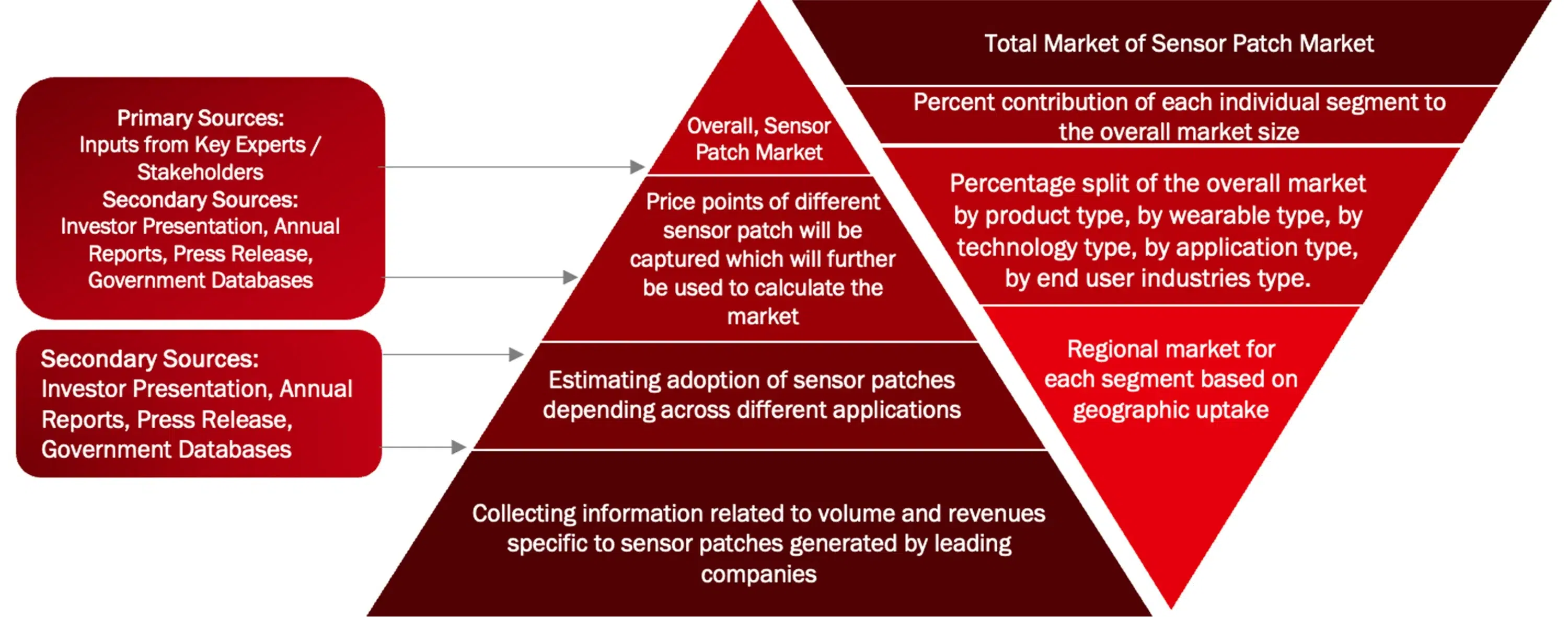
Market size estimation is performed using both top-down and bottom-up approaches. Key market players are identified, and their revenues are analysed to estimate the overall market size.
The market is further segmented based on:
- Product and service mapping across regions
- Adoption patterns across key application segments
- Insights gathered through primary and secondary research
Data Validation and Research Design
After estimating the overall market size, the data is validated using triangulation methods and market breakdown techniques to ensure accuracy and consistency. Both demand-side and supply-side factors are considered to refine the analysis.
The final data is validated through multiple sources to ensure reliability and to provide accurate insights across all market segments and regions.
Assumptions of the Study
The analysis of the sensor patch market is based on the following key assumptions:
- Trends in the industry are drawn from historical data and current information within the sector
- The future outlook is underpinned by constant economic conditions in the absence of shocks to the market
- The rate of adoption for sensor patch will rise steadily in all important regions
- Advancements in AI, connectivity, and lab-on-chip will continue to drive growth in the sensor patch market
- The income statement and market share figures are estimated using available information from the industry and publicly available data
- The exchange rate and price trends will not be greatly affected during the forecast period
Scope and Limitations
Scope of the Study
This report offers an exhaustive overview of the international sensor patch market and includes the following components:
- Summary of market size, growth trends, and projections
- Carefully segmented market based on product type, technology type, wearable type, application type, end user industry type and geography
- Discussion of primary factors influencing the market
- Competitor analysis
- Insights into regional and national market performance
Limitations of the Study
Despite the best efforts being made to keep the results accurate, the study does suffer from some limitations:
- It has been done using both primary and secondary data that come with their own constraints
- Rapid developments in technology might affect the future course of market dynamics
- Some figures are only approximations due to lack of public disclosure
- The report is not an insurance against any disruptions in macroeconomics and geopolitics
- Future forecasts are indicative and subject to change due to altered industry dynamics
Data Triangulation and Market Breakdown
Data triangulation involved the combination of primary research, secondary research, and the Wissen Research analysis. Once the data points were sourced from the secondary market research, we sanitized the data points to make the market sizing and growth forecast more accurate by developing our own assumptions based on the inputs and insights we gather through the primary interviews with the industry experts. Once the data was thoroughly validated through primary interviews from both, demand and supply side of the market, our team of analyst and other team members involved finalized the market sizing and growth forecast.
Data Triangulation Methodology
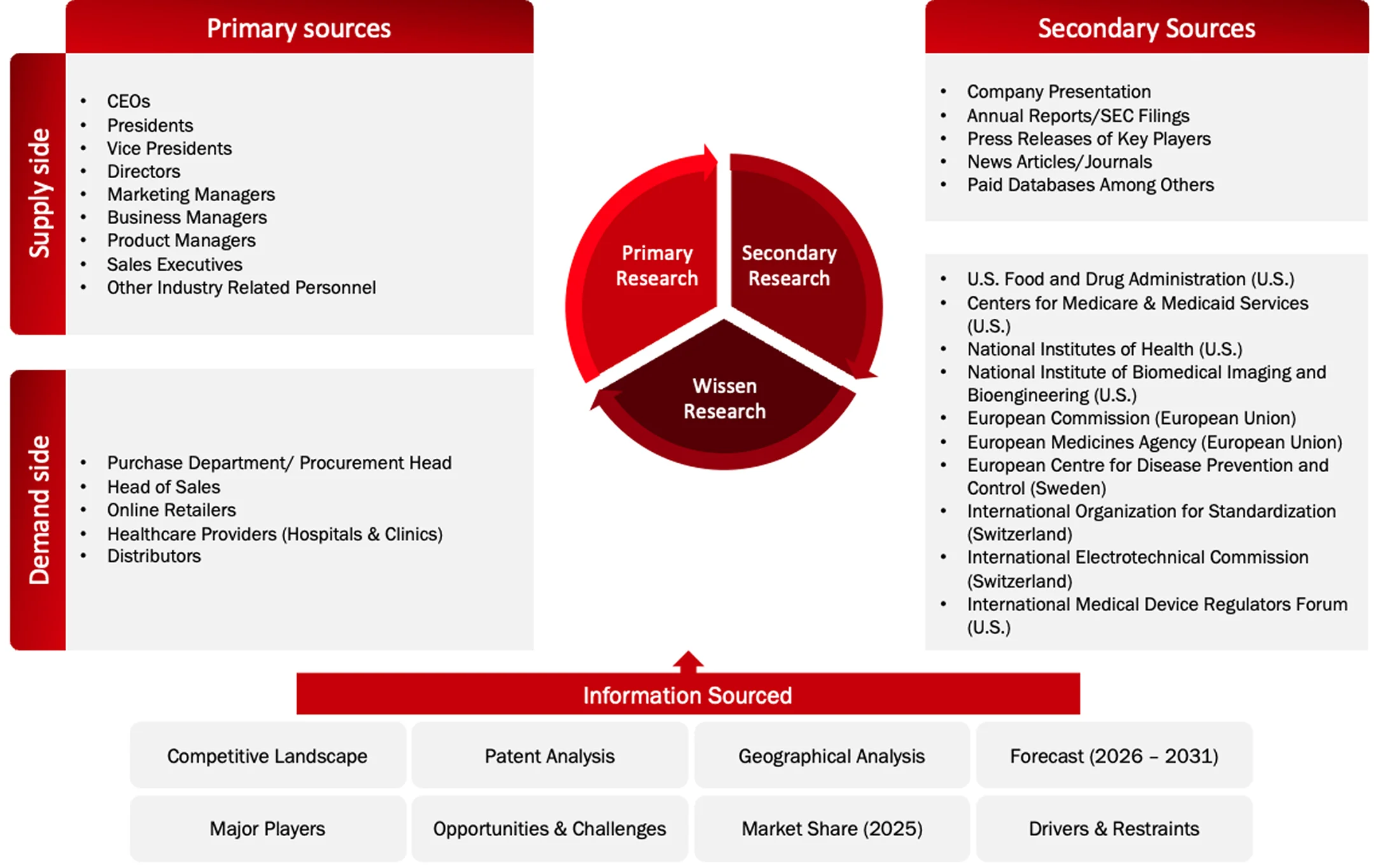
Sources: U.S. Food and Drug Administration, National Institutes of Health, National Cancer Institute, Centers for Medicare & Medicaid Services, Radiological Society of North America, American College of Radiology, Society for Imaging Informatics in Medicine, European Society of Radiology, European Association of Nuclear Medicine, World Health Organization, International Organization for Standardization, International Electrotechnical Commission, Company Websites, Press Releases, Annual Reports, Paid Data Sources, and Wissen Research Analysis.
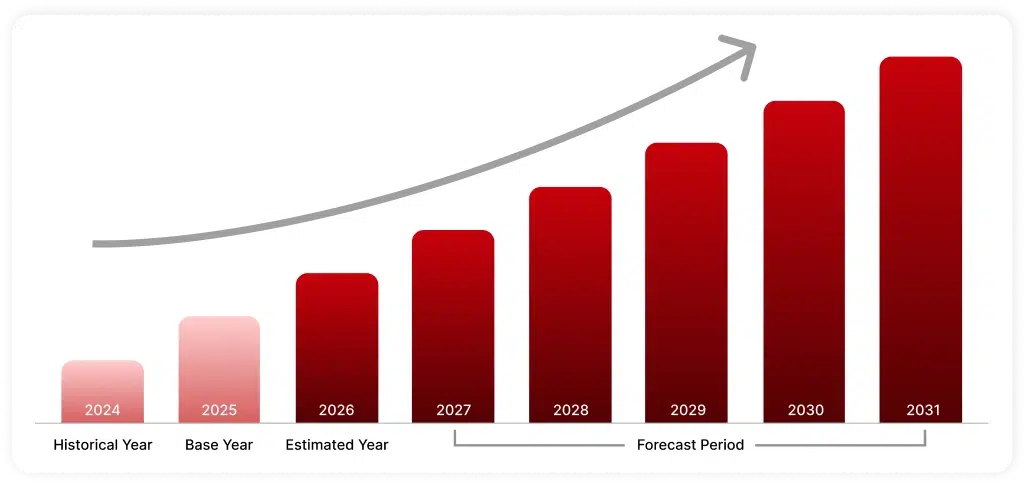
Year framework
Bottom-Up Approach (Demand Side) And Top-Down Approach (Supply Side)
Bottom-Up Approach (Demand-Side Approach):
Determining the market size through the consolidation of demand among end-users, sectors, and geographic areas, which are calculated according to real-world demand conditions.
Top-Down Approach (Supply-Side Approach):
Calculating the market size through revenue and performance of the industry and its important companies, allocating the market size among various sectors.
Want detailed insights from this report?
Buy this Report
Choose the option that best fits your needs