
Artificial Organs and Bionics Market
Global Industry analysis, Size, Share, Growth, Trends, and Forecast 2026-2031
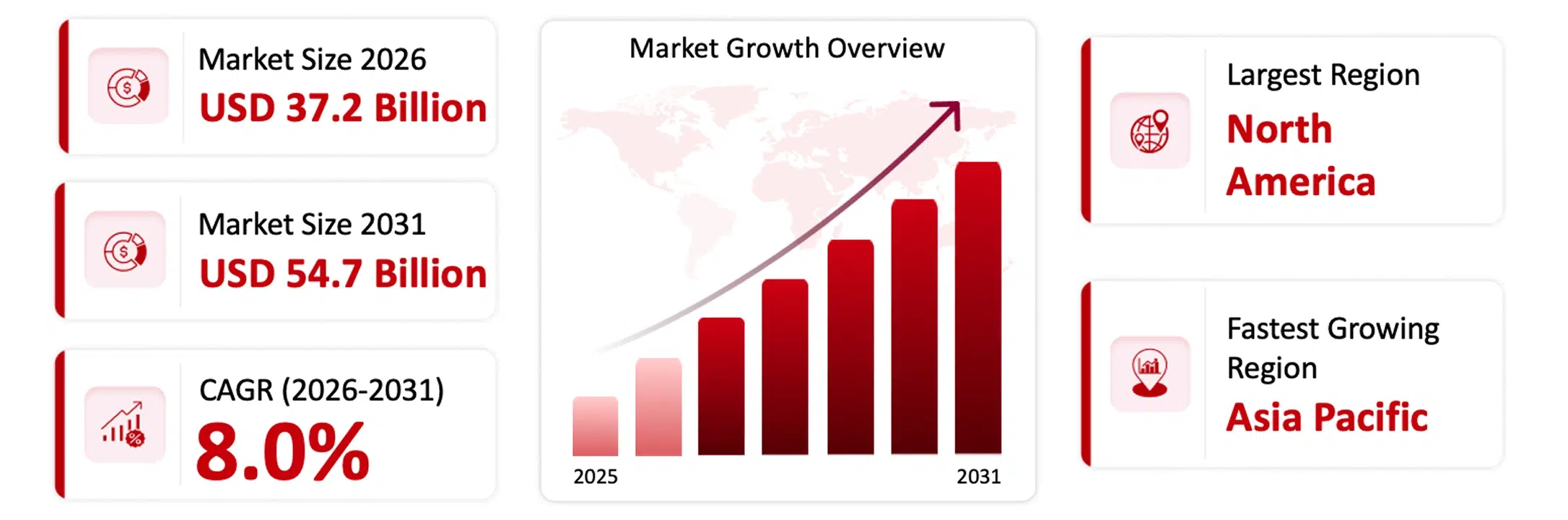
The global artificial organs and bionics market is projected to reach USD 54.8 billion by 2031, growing at a CAGR of 8.0% during the forecast period.
| Market Size 2026 | Market Size 2031 | CAGR (2026-2031) | Largest Region | Fastest Growing Region |
|---|---|---|---|---|
| $37.2 Billion | $54.8 Billion | 8.0% | North America | Asia Pacific |
Summarize this report with:



Market Overview
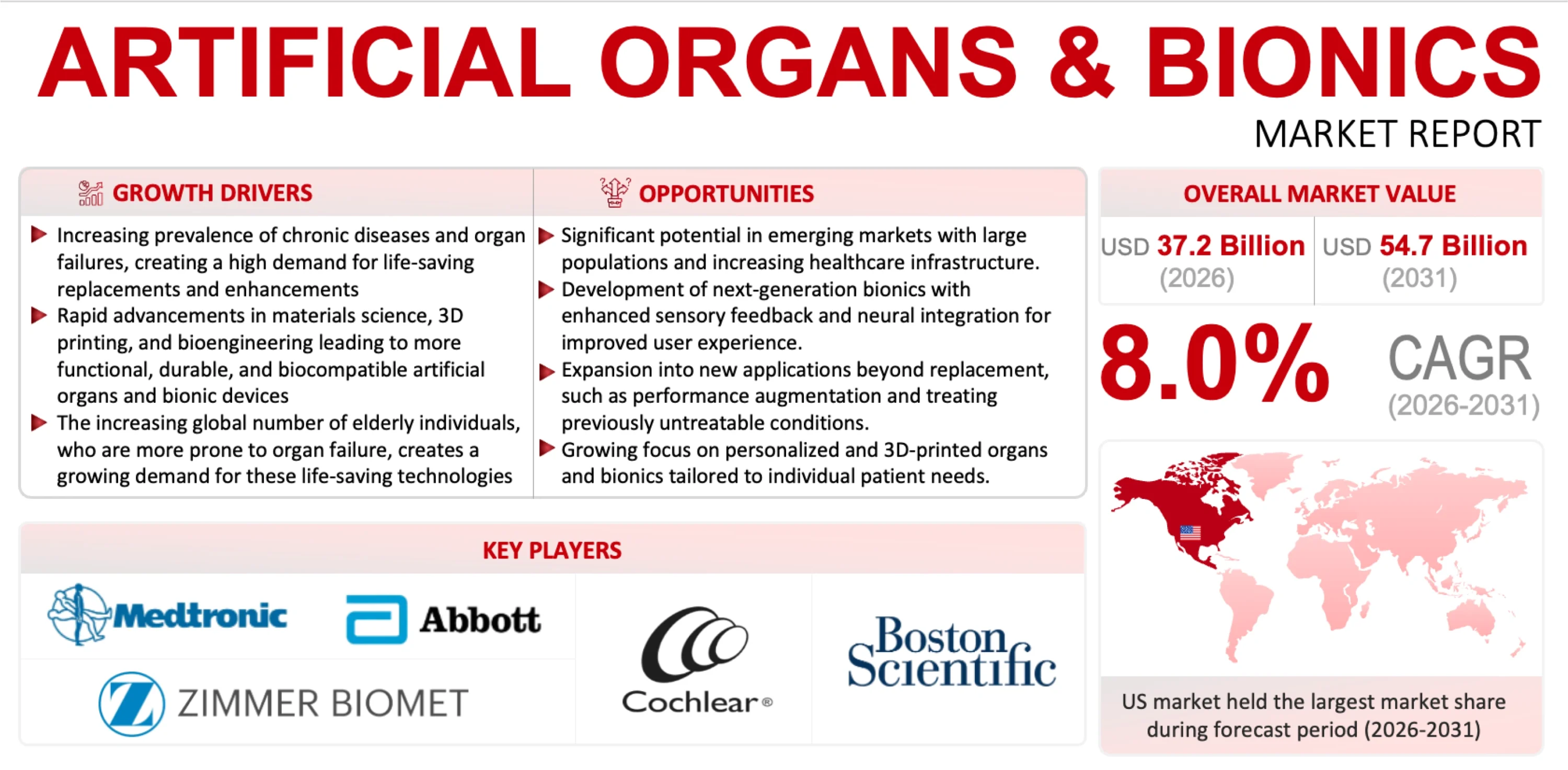
The global artificial organs and bionic market has been growing steadily for years because of their ability to treat many types of organ failure, physical disabilities and age-related health issues. The increased acceptance of innovative technologies like bioelectronics, robotics and intelligent bionic devices has significantly impacted the artificial organ and bionic device industry. The variety of applications for these products is expanding rapidly also as indicated by the increasing number of applications where artificial organs and their corresponding bionic devices can be used. Some examples of these applications include cardiac assistance, artificial kidneys, cochlear implants, orthopaedic bionics, and neurology prostheses. The total market value of the artificial organ and bionic device sector will be $37.2 billion by 2026 with an estimated increase up to $54.7 billion by 2031 based on a compound annual growth rate (CAGR) of 8.0% from 2026 through 2031.
Technology Overview
Artificial organs and bionic technologies can be used to replace, restore or enhance impaired biological functions which provides improvements in patient outcomes and quality of life because existing treatment options like transplants and external assistance devices are limited by availability, effectiveness over time, and physiological acceptability. Recent advancements in advanced materials, bioelectronics, and intelligent sensors have greatly improved upon compatibility, responsiveness, and reliability of devices used in the human body. Current developments in biocompatible coatings, neurological interface technologies, and adaptive control systems are helping to mitigate historical issues with rejection; signal accuracy; and device longevity providing a higher level of performance and reliability.
Key Growth Drivers
- The growing number of VAD implants will drive demand for artificial heart devices
- The surge in cochlear implant procedure volume will increase market adoption of bionic hearing devices
- The rise in amputation cases will accelerate demand for advanced prosthetic devices
- The growth of joint replacement procedures will support the growth of orthopedic bionics
- The increase in exoskeleton corporate approvals will drive mobility/rehabilitative adoption
- Higher rates of prosthetic replacement will create recurring market demand
Artificial Organs and Bionic Market Key Highlights
Need deeper insights on this market?
Get full report access with detailed forecasts, competitive analysis, and segmentation.
Artificial Organs and Bionic Market Trends
New trends are creating more opportunities in many areas like: smart prosthetic devices, implantable bioelectronics, neural interface technologies, and fully implantable artificial organs with remote monitoring functions. Many “top” corporations (e.g., Medtronic (USA), Abbott Labs (USA), Boston Scientific Corp. (USA), Zimmer Biomet (USA), etc.) are developing next-generation products, such as: sensing-enabled prosthetics, AI-enabled bionic systems, and miniaturized implantable devices, with continuous investments into R D and clinical innovations.
Smart Implants and Bioelectronic Integration
Advancements in biomaterials and bioelectronics, as well as miniaturized device engineering, have created a rapidly evolving market for bionic devices and artificial organs. The previous use of traditional mechanical systems has been replaced by biocompatible materials and smart components designed to improve the integration, longevity, and performance of devices in the human body.
There is also an increasing trend towards sensor-enabled and AI-integrated implants (such as adaptive prosthetics) that provide real-time feedback and control through closed-loop systems, enabling more natural motion, improved neural communication, and better physiological regulation of devices (such as artificial hearts and neuroprosthetic).
While previous devices primarily provided function, future generation systems will emulate the biological process through advanced neural interfacing techniques and intelligent control, leading to increased adoption of these systems in rehabilitation, chronic disease management, and life-support applications, ensuring ongoing growth of this market.
Asia-Pacific Artificial Organs & Bionics Market Trends Insights
Strong growth in the artificial organs and bionics market is taking place in the Asia Pacific region driven by better healthcare infrastructure improvements, surgery capability improvements and increased access to more advanced medical devices. Regional leaders driving the growth are China, India, Japan and South Korea.
Increasing demand for artificial organs and bionics is the result of the increasing incidence of chronic diseases, an increase in organ failure and amputation cases as well as more awareness on the availability of advanced treatments (prosthetics, implantable devices, etc.). Additionally, Government supported initiatives expanding access to care, as well as improving reimbursement structures to facilitate adoption of these devices will further drive the expansion of this market, especially in semi-urban and rural areas.
Along with medical device manufacturing expansion and a shift toward local production, the ability to quickly and cost effectively develop and deliver new technologies will benefit the region. Leading enterprises, such as Medtronic (USA), Abbott Laboratories (USA) and Zimmer Biomet (USA), are expanding their regional footprint through investments in R&D, strategic partnerships and expansion of their manufacturing operations.
Key Players in the Artificial Organ & Bionics Market
Leading companies in the artificial organ & bionics market are focusing on innovation, strategic partnerships, and expansion of health-centric features to strengthen their market position.





Strategic Activities Within the Artificial Organ & Bionics Market
Advanced Bionics (United States) made an investment in Spiral Therapeutics (United States) and entered into a research partnership to advance cochlear implant technologies by combining precision drug delivery techniques into the development of these implants which will enhance surgical outcomes and long-term success of hearing restoration through these implants.
Medtronic (United States) received FDA clearance for its OmniaSecure™ temporary implantable defibrillator lead to allow for improved physiological pacing of the heart in patients who are candidates for implantable defibrillators or cardiac resynchronization device therapy.
Blue Arbor Technologies has joined with Ottobock (Germany) and received $5 million in funding to develop its RESTORE™ neuromuscular interface system that allows for more natural control of prosthetic devices, results of Phase 1 human trials demonstrated that participants were able to regain a greater degree of natural movement than previously possible and maintain stable signals from the system over longer periods of time than previously demonstrated.
Boston Scientific Corporation (USA) entered into a definitive agreement to acquire Valencia Technology Corporation (USA) as part of its expansion of its urology product portfolio and the addition of Valencia Technologies’ eCoin® implantable neuromodulation system used to stimulate the tibial nerve to treat patients suffering from overactive bladder.
Artificial Organ & Bionics Market Insights
The Artificial Organs & Bionics Market is continuing to grow as a result of increased demand for advanced alternatives to treat organ failures, permanency due to physical disability, and chronic illness. Organ transplants which are traditional treatment options are limited by a lack of donors available and extensive waiting lists; this has resulted in a significant demand for alternative technologies to achieve these goals. Organizations have started to use artificial hearts, kidneys, prosthetic limbs, as well as neurostimulators to increase the level of service provided by their health care system. The continued development of bioelectronics, robotics, and material science will improve the effectiveness of these devices by making them work more efficiently, lasting longer, and better able to operate in conjunction with the anatomy of human beings. Thus, all of these factors support the growth of the market for a long time to come.
Cardiac assist devices and artificial hearts have been among the most important areas of user applications, and they are also important applications of technology that support patients suffering from severe heart failure. Prosthetics and bionic limbs allow mobility for the amputee, as well as providing improved function and control over body position, due to sensitivity from sensors. Cochlear implants for hearing restoration, and neuroprostheses for restoring function to the nervous system, are gaining popularity, as they both allow the transmission of auditory and other signals via devices that produce sound or transmit signals to the brain or spinal cord. Artificial pancreas systems and implantable drug delivery devices are newer applications that aid in the management of chronic diseases by providing a means to automatically regulate and manage physiological parameters related to diabetes and other chronic diseases.
Increased number of implant and prosthetic surgeries is the primary factor behind device demand. Due to the increased incidents of organ failures and limb dismemberment, there have been a significant number of people who have begun to use artificial organs and bionic devices; thusly influencing their adoption. Additionally, there are also constant replacement and upgrading cycles on prosthetic devices, which indicate continued recurring revenues. Furthermore, new clinical approval and commercialization processes for advanced medical devices should lead to even greater levels of acceptance and adoption through healthcare systems across the globe. Furthermore, the increased research funding and improved reimbursement policies will allow more people to have access to these new medical devices and create a much faster penetration to the marketplace for product manufacturers.
Advancements in technology are delivering new ways of developing smart implants and prosthetics using AI, and neural interface systems. The integration of sensors into these devices and the ability to monitor them will enhance the precision of devices as well as improve patient care. However, the cost of the devices, the complexity of the surgeries involved, the risk of infection, and the issue of biomedical compatibility are all areas of concern. There are also challenges associated with rigorously validating each device. These issues, when combined with the regulatory complexities of the medical device market, are all contributing to delays in getting products to market; however, ongoing innovation in the development of these technologies is expected to provide more reliable products in a cost effect way.
With its recent advancements in healthcare infrastructure and increased access to new medical technologies, the Asia Pacific region is now poised to become one of the fastest growing marketplaces for the provision of health care services. Countries such as China, India and Japan are all experiencing rising levels of patient demand and greater knowledge about modern treatment methods. The continued expansion in the manufacturing of medical devices as well as favorable government policies and lower costs are driving both local and international companies to increase their foothold in this area. Growth will be further accelerated by the implementation of additional capital into the Healthcare industry and by technology implementation in Australia, New Zealand and other countries in the Asia Pacific region.
Artificial Organ & Bionics Market Dynamics
Drivers: Growing trend toward the development of smart implant and bioelectronic-enabled technologies
Advancements in materials science, microfabrication technology, and sensing technologies are leading to the creation of high-performance prosthetic limbs and artificial organs with improved functionality, stability, and compatibility. Today’s devices have the ability to provide real-time feedback and adaptive control capabilities, as well as wireless communication between devices, which creates a better fit for patients and helps to both personalize the desired outcome and provide real-time monitoring of physiological performance (i.e., cardiac output). These innovations have greatly improved functionally for devices such as cardiac assist devices, neurostimulators, and high-performance prosthetic limbs.
Opportunities: Expansion of applications in neuroprosthetic and personalized bionic solutions
Innovation and advances in neurotechnology enable even greater opportunities in the following areas of bioengineering: brain-computer interfaces; spinal stimulation; sensory restoration systems; etc.
As the global industry continues to shift focus to personalization, more people can expect to receive custom-made prostheses and patient-specific implants, thanks in part to advances in 3D printing and AI-assisted design technologies.
As bionics (both wearable and implantable) continue to be used more frequently in the rehabilitation process as well as in long-term care, they will also expand the total market for bionics to markets that are no longer solely clinical.
Challenges: High device costs and complex regulatory approval processes.
The challenges to the artificial organs and bionics marketplace include high prices for very sophisticated devices and surgical procedures that can result in the limited availability of these types of products in the cost-sensitive areas. The long lead times to market due to the very stringent regulatory requirements and the high price associated with clinical validation also has an impact on the overall cost to develop a product. Other factors which are adding to the complexity of this marketplace are issues surrounding long-term biocompatibility, device reliability and the associated risk of complications. In order to resolve these issues, there is a constant need for new designs and additional testing.
Technology and Market Insights
Owing to the increased need for functional restoration and life-support devices, there has been a consistent increase in the artificial organs and bionic devices industry within healthcare networks globally. These technologies are being utilized within critical applications, including: Cardiac support, restoration of mobility, enhancement of sensory function, and treatment of neurological disorders. Replacement or enhancement of impaired biological function with artificial organs and/or bionic devices occur while maintaining internal physiological equilibrium. As advancements continue with respect to materials, neural-interfacing and intelligent control systems, device efficiency, accuracy and long-term usability will improve, thus driving wider usage in complex medical applications.
Technology Scope and Products
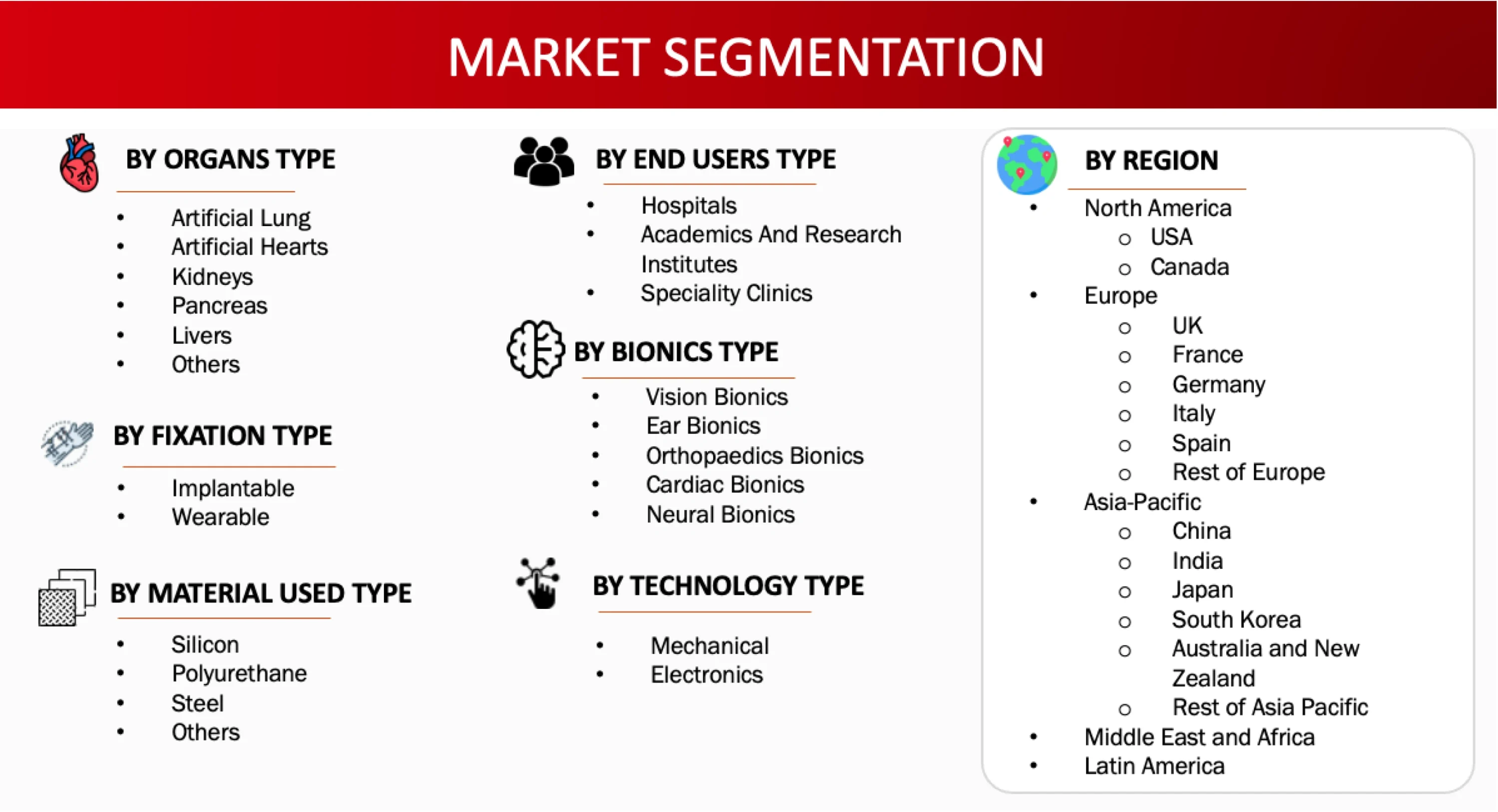
Artificial Organs and Bionics Market Segmentation
Want detailed insights from this report?
Industry Developments and Competitive Landscape
With ongoing advancements in biomaterials, bioelectronics, and microengineering technologies, there continues to be a push for new, high-performance, long-lasting, efficient artificial organs and bionic devices targeted towards critical healthcare applications. Innovations within material science and device design are enabling enhanced biocompatibility, signal fidelity, and functional responsiveness thereby expanding the range of complex applications, such as cardiac support; neural interfacing; and advanced prosthetics.
The artificial kidney market has dominated the artificial organs and bionic market, comprising around 38% to 56% of market share by organ type, because of worldwide popularity due to dialysis survival rates and the global need for artificial kidney products caused by a high burden of renal diseases, regular need for dialysis therapy and limited donor kidney availability.
-
The rising prevalence of chronic kidney disease (CKD) and end-stage renal disease (ESRD) has resulted in the creation of a large global patient population that will require ongoing renal replacement therapies, which are provided by artificial kidney products.
-
Artificial kidneys that are supplied to the patient’s body via multiple weekly dialysis treatments are much higher in value, and thus will lead to continuous usage of filters, fluids and consumables, therefore creating stable and recurring high volume revenue for the provider.
-
The existing and long-standing shortage of donor kidneys continues to grow and create a widening gap in demand vs supply, thereby forcing millions of patients to remain on dialysis for long periods, increasing long-term reliance on artificial kidney technology globally.
Mechanical held the larger share as compare to electronics by technology type in the artificial organs and bionics market for year 2025 because of its broad clinical acceptance, established long-term dependability and frequent application in many high-volume surgical processes, such as dialysis and the replacement of joints, within healthcare around the world.
-
High demand from patients receiving dialysis will continue to increase the use of mechanical systems since these systems are based on pumps and membranes for replacing renal function in vast groups of patients.
-
Long-standing clinical validation of a variety of devices used in these applications, including mechanical heart valves, and artificial joints, confirms the preference of dentists and physicians due to predictability and safety.
-
Durability of materials such as titanium and carbon-based materials can withstand significant physiologic stresses without failure and therefore make mechanical devices consistently more reliable than electronic devices.
-
Lower manufacturing costs and established reimbursement policies (e.g. Medicare) support the broad adoption of mechanical devices on a global scale.
As of 2025, North America continues to dominate the market for artificial organs & bionics, thanks to the significant number of people with chronic medical conditions, gaps in the availability of organ transplants, an abundance of high-tech medical device companies and an extensive healthcare system, especially in the US where continuous advancements in technology are supporting innovation and use.
-
Because so many people have chronic kidney disease (CKD) and heart diseases, there is a greater demand for artificial organs since many of the people with CKD will eventually require a transplant.
-
Large companies like Abbott Laboratories and SynCardia Systems encourage new and better ways to make and sell artificial organs.
-
The US government continues to support research on new types of artificial organs through grants to the National Institutes of Health (NIH) and grants to the Advanced Research Projects Agency for Health (ARPA-H).
-
The United States has a favorable reimbursement system through Medicare that makes it possible to afford many of these higher cost artificial organ procedures and this will ultimately result in a greater number of these procedures being put into practice.
What This Report Covers-
This report provides a comprehensive analysis of the artificial organs & bionics market, offering insights into key trends, growth drivers, challenges, and future opportunities. It is designed to support strategic decision-making through a combination of quantitative data and qualitative analysis.

Overview of the market scope, structure, and key terminology.

Historical data and future projections across key segments and regions.

Insights into emerging trends, technological advancements, and evolving demand patterns.

Analysis of key factors influencing market growth.

Overview of major players, their strategies, and recent developments.

Top assignees, geography focus of top assignees, legal status, technology evolution, key patents and patent trends and innovations

Breakdown by organs, bionics, fixation, material, technology, end user & region.

Key regional trends and growth opportunities.

Strategic insights and future market direction.
Research Methodology
The study of the artificial organs & bionics market is based on a combination of primary and secondary research methodologies, supported by data validation and analytical modeling to ensure accuracy and reliability.
Market Definition: Artificial Organ & Bionics Market
The artificial and bionic organ and device market includes the design, production and sale of appliances that are designed to replace, assist or enhance the operations of human organs and parts of patients. All of these devices are made up of a combination of mechanical, electronic and bioengineered or biocompatible materials to help restore normal physiological operation in patients who have a failed organ or body part, physical limitation or impaired biological systems.
Types of products found in this market include artificial hearts, pump replacements for the left or right ventricular heart; artificial kidneys (dialysis); cochlear implants; bionic limbs (arm or leg); and artificial visual clearers. These products are regularly used in hospitals and outpatient specialty clinics and rehabilitation centers. The use of artificial organs and bionic devices allows patients to live longer and have a higher quality of life (QL) than they would without an artificial organ (i.e., the patient’s use of an artificial heart would help them survive longer and have a higher QL than they could expect if they were able to get a matching human heart); permit patients to live longer (to no longer be dependent on a matching donor organ); long-term disease management (efficiency, precision and new technology will allow the patient to have long-term disease management).
Key Stakeholders
The artificial organs & bionics market involves a diverse ecosystem of stakeholders:
- Device Manufacturers (artificial hearts, ventricular assist devices, artificial kidneys, cochlear implants, bionic limbs)
- Component & Material Suppliers (biocompatible polymers, titanium alloys, sensors, microelectronics)
- Equipment & System Providers (dialysis systems, implantable device systems, monitoring and control units)
- Healthcare Providers (hospitals, transplant centers, rehabilitation clinics, specialty care units)
- Pharmaceutical and Biotechnology Companies
- Contract Manufacturing Organizations (CMOs) & Medical Device Outsourcing Firms
- Regulatory Authorities (e.g., U.S. Food and Drug Administration, European Medicines Agency)
- Research Institutions and Academic Organizations
- Distributors and Supply Chain Providers (medical device distributors, hospital suppliers)
- Healthcare Infrastructure Providers (dialysis networks, transplant programs, rehabilitation centers)
- Government and Public Health Agencies
- Investors (venture capital firms, private equity, strategic investors)
Key Objectives of the Study
- To define, describe, analyze, segment, and forecast the artificial organs & bionics market by organs type, by bionics type, by technology type, by material type, by end user’s, by region type.
- To describe and forecast the market for four key regions: North America, Europe, Asia Pacific, and Rest of the World.
- To provide detailed information regarding key drivers, restraints, opportunities, and challenges influencing market growth
- To strategically analyze the micro indicators with respect to individual growth trends, prospects, and contributions to the overall market size
- To analyze opportunities for stakeholders in the artificial organs & bionics industry and emphasize on competitive landscape of the market.
- To develop competitive benchmarking of the key market players based on technology specifications and end users.
- To strategically profile key players and comprehensively analyze their product portfolio offerings, and core competencies
- To analyze competitive developments, such as launches and approvals, agreements, mergers and acquisitions, partnerships, joint ventures, investments and expansions, and collaborations, artificial organs & bionics domain.
Need deeper insights on this market?
Get full report access with detailed forecasts, competitive analysis, and segmentation.
Research Approach
This research employs a systematic approach by using primary research along with secondary research to achieve full coverage and accuracy of information about the artificial organs & bionics sector. Through this approach, the current market trends in terms of consumer behavior, technological developments, and competitive environment can be analyzed thoroughly.
Secondary Research
Secondary research involves the collection of data from reliable sources such as industry databases, company annual reports, investor presentations, and regulatory filings. This process helps in understanding market trends, identifying key players, and gathering technical and commercial insights.
A comprehensive database of leading companies and market participants is developed through secondary research to support further analysis.
Primary Research
Primary research is conducted to validate findings from secondary research and to gain deeper insights into market dynamics. Interviews are carried out with industry stakeholders across both demand and supply sides, including executives such as CXOs, Vice Presidents, and Directors from business development, marketing, and product teams.
Data is collected through structured questionnaires, email interactions, and telephonic interviews across key regions including North America, Europe, Asia-Pacific, and Rest of the World.
Market Size Estimation
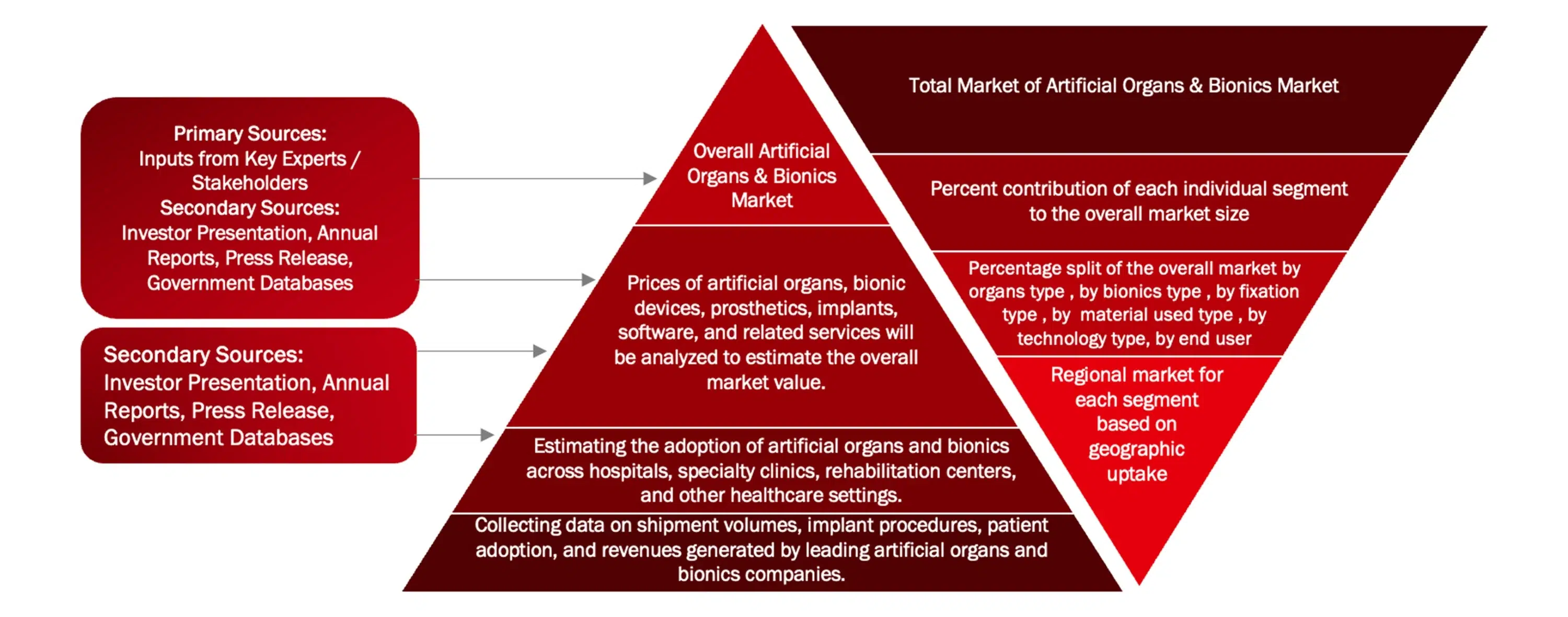
Market size estimation is performed using both top-down and bottom-up approaches. Key market players are identified, and their revenues are analyzed to estimate the overall market size.
The market is further segmented based on:
- Product and service mapping across regions
- Adoption patterns across key application segments
- Insights gathered through primary and secondary research
Data Validation and Research Design
After estimating the overall market size, the data is validated using triangulation methods and market breakdown techniques to ensure accuracy and consistency. Both demand-side and supply-side factors are considered to refine the analysis.
The final data is validated through multiple sources to ensure reliability and to provide accurate insights across all market segments and regions.
Assumptions of the Study
The analysis of the artificial organs & bionics market is based on the following key assumptions:
- Trends in the industry are drawn from historical data and current information within the sector
- The future outlook is underpinned by constant economic conditions in the absence of shocks to the market
- The rate of adoption for artificial organs & bionics will rise steadily in all important regions
- The income statement and market share figures are estimated using available information from the industry and publicly available data
- The exchange rate and price trends will not be greatly affected during the forecast period
Scope and Limitations
Scope of the Study
This report offers an exhaustive overview of the international artificial organs & bionics market and includes the following components:
- Summary of market size, growth trends, and projections
- Carefully segmented market based on organs type, bionics type, fixation type, material used type, by technology type, end user type and geography
- Discussion of primary factors influencing the market
- Competitor analysis
- Insights into regional and national market performance
Limitations of the Study
Despite the best efforts being made to keep the results accurate, the study does suffer from some limitations:
- It has been done using both primary and secondary data that come with their own constraints
- Rapid developments in technology might affect the future course of market dynamics
- Some figures are only approximations due to lack of public disclosure
- The report is not an insurance against any disruptions in macroeconomics and geopolitics
- Future forecasts are indicative and subject to change due to altered industry dynamics
Data Triangulation and Market Breakdown
Data triangulation involved the combination of primary research, secondary research, and the Wissen Research analysis. Once the data points were sourced from the secondary market research, we sanitized the data points to make the market sizing and growth forecast more accurate by developing our own assumptions based on the inputs and insights we gather through the primary interviews with the industry experts. Once the data was thoroughly validated through primary interviews from both, demand and supply side of the market, our team of analyst and other team members involved finalized the market sizing and growth forecast.
Data Triangulation Methodology
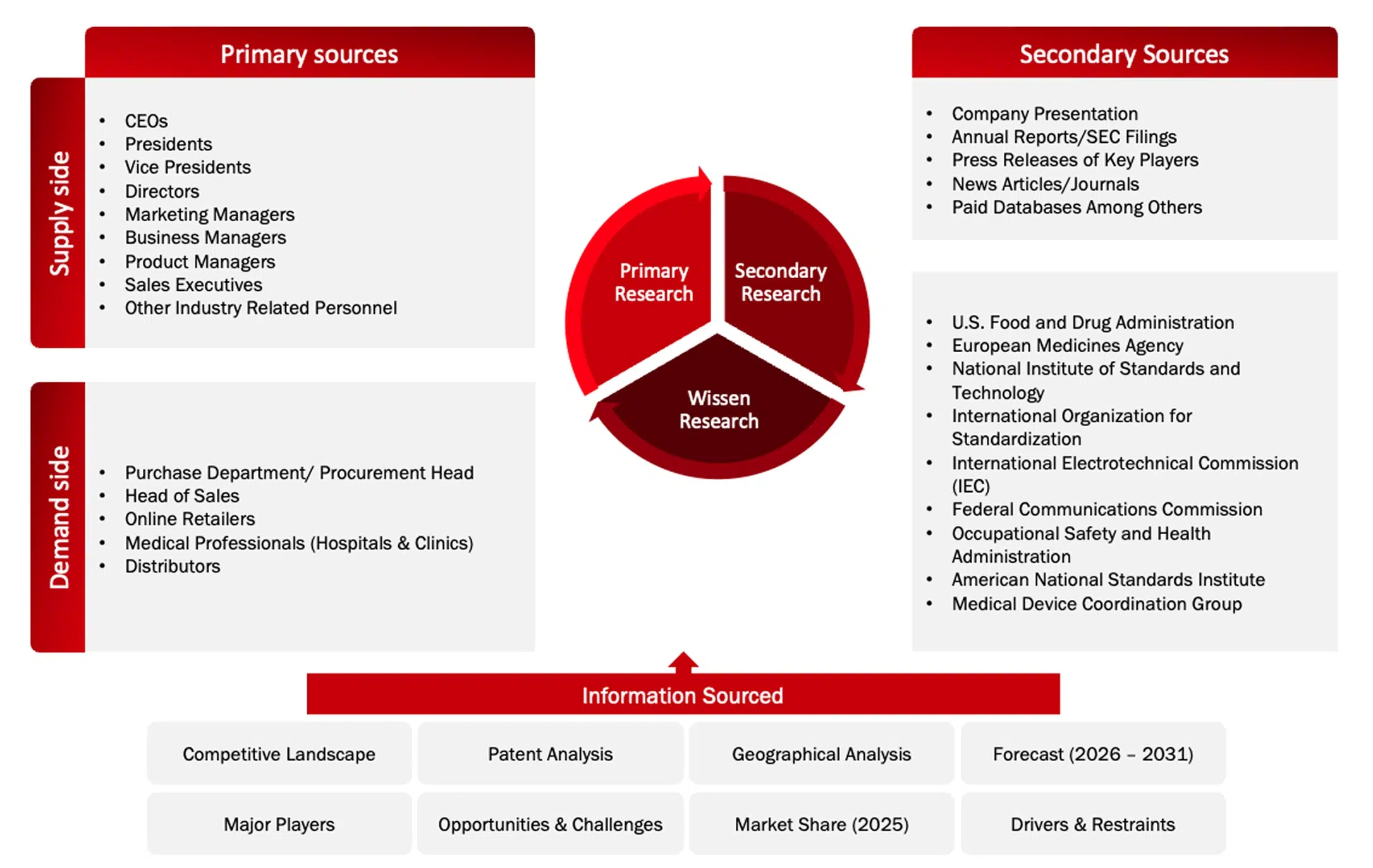
Sources: U.S. Food and Drug Administration, European Medicines Agency, National Institute of Standards and Technology, International Organization for Standardization, International Electrotechnical Commission, Federal Communications Commission, Occupational Safety and Health Administration, American National Standards Institute, Device Coordination Group, Company Website, Press Releases, Annual Reports, Paid Data Sources, and Wissen Research Analysis.
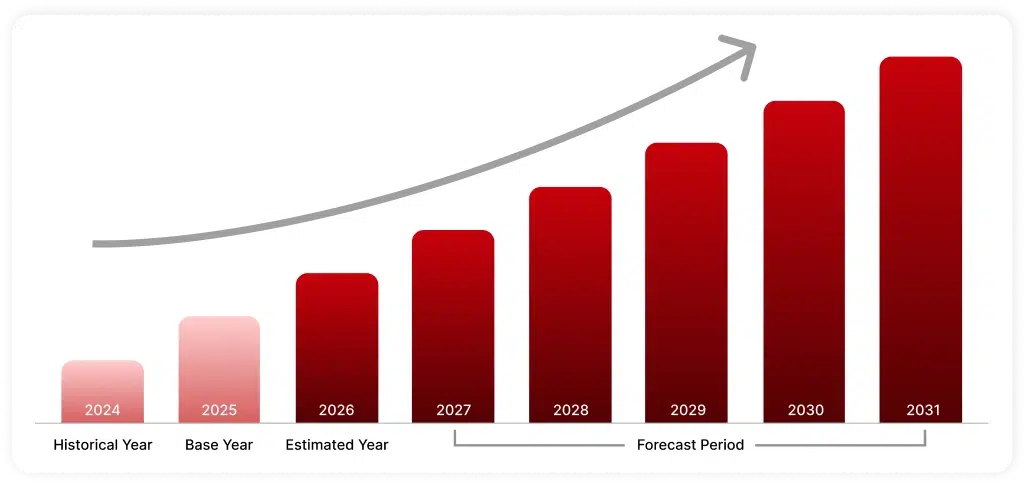
Years Framework
Bottom Up Approach (Demand Side) And Top Down Approach (Supply Side)
Bottom-Up Approach (Demand-Side Approach):
Determining the market size through the consolidation of demand among end-users, sectors, and geographic areas, which are calculated according to real-world demand conditions.
Top-Down Approach (Supply-Side Approach):
Calculating the market size through revenue and performance of the industry and its important companies, allocating the market size among various sectors.
Want detailed insights from this report?
Buy this Report
Choose the option that best fits your needs


