
Digital Therapeutics Market
Global Industry analysis, Size, Share, Growth, Trends, and Forecast 2026-2031
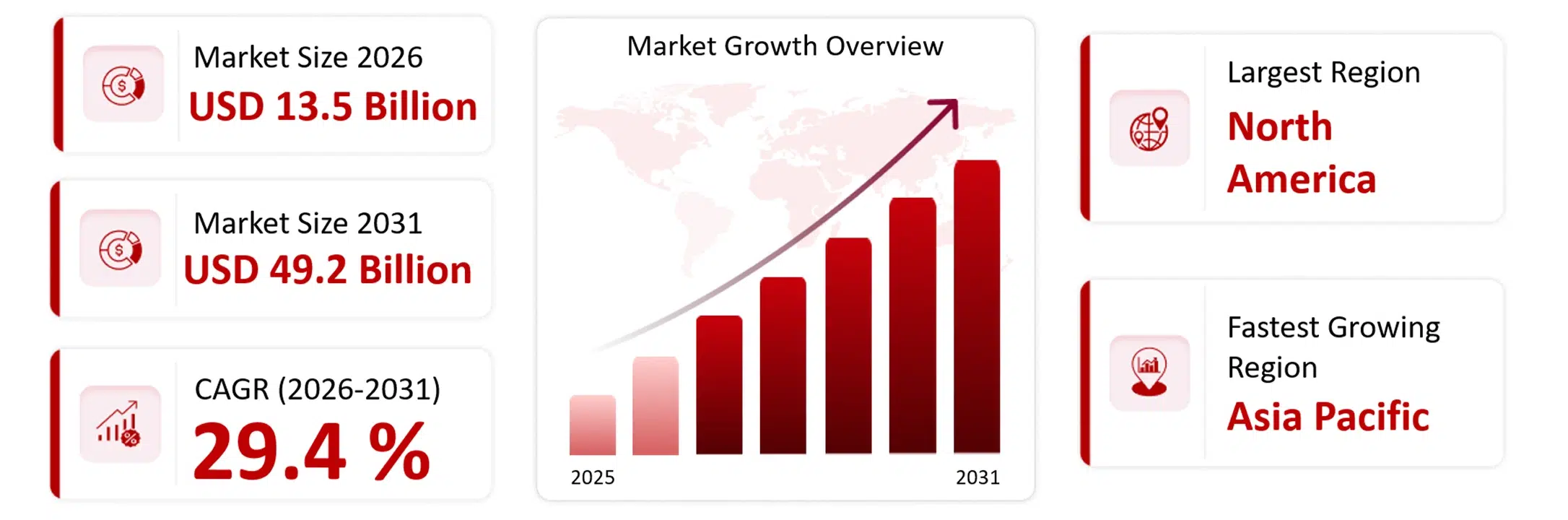
The global digital therapeutics market is projected to reach USD 49.2 billion by 2031, growing at a CAGR of 29.4% during the forecast period.
| Market Size 2026 | Market Size 2031 | CAGR (2026-2031) | Largest Region | Fastest Growing Region |
|---|---|---|---|---|
| $ 13.5 Billion | $ 49.2 Billion | 29.4% | North America | Asia Pacific |
Summarize this report with:



Market Overview
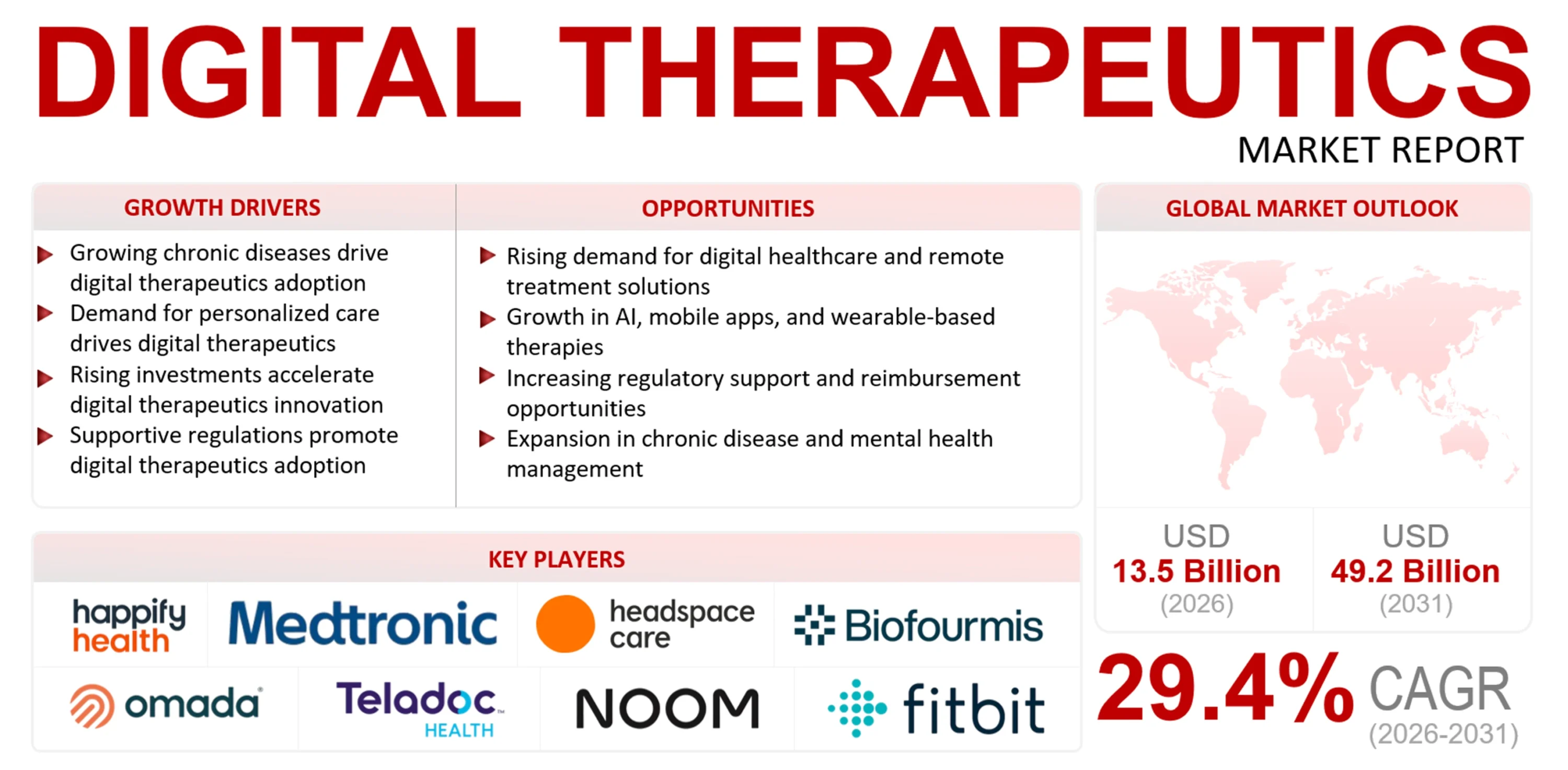
The digital therapeutics sector is growing worldwide due to the rising number of people with chronic illnesses like diabetes and mental health issues. Digital therapeutics describe using software, specifically artificial intelligence, to deliver personalized medical therapies via mobile devices. Many times, digital therapeutic software provides financially sound solutions that will lower the cost of healthcare. North America continues to be the largest contributor to the growth of the global digital therapeutics market, and the FDA’s establishment of a new, more transparent approval process as well as emerging reimbursement policies from insurance companies will only enhance this growth. With more people using smart phones than ever, digital therapies are becoming credible, measurable and data-based additions to, and will ultimately replace, traditional methods of treatment and healthcare delivery. The value of the market in 2026 is estimated to be valued at USD 13.5 billion and projected to be USD 49.2 billion by 2031 with a compound annual growth rate (CAGR) of 29.4 % from 2026 through to 2031.
Technology Overview
Digital therapeutics, or DTx, are remote software-based interventions with an evidence-based approach given that your product is based on evidence of an intervention, your DTx is designed to help patients: to prevent, manage or achieve therapeutic goals related to a specific condition. Compared to traditional medication or therapy options, DTx is easier and more accessible than traditional therapies. Because of this, DTx are used to improve patient experiences by overcoming the issues associated with traditional treatment options (e.g., high cost of medication/therapies, lack of access to physicians, and inconsistent adherence to the prescribed treatment). The rapid improvements in technologies that support DTx include artificial intelligence, real-time data analytics and mobile health solutions.
Key Growth Drivers
- DTx will become more widely adopted by pharmacies and physicians with new reimbursement frameworks in the health care environment.
- Pharmaceutical companies are forming partnerships with DTx companies to help their drugs produce better patient outcomes.
- Clinical validation standards will elevate DTx to a level of medical-grade solutions, thus resulting in greater physician trust and increased rates of prescription.
- EMR integration platforms will streamline the process of digitally prescribing DTx, thus allowing for easier adoption into clinical settings.
- Value-based care reforms demand outcome-based, data-driven digital therapeutic solutions.
- Venture capital funding supports innovation across DTx development and support from prototype to commercialization phases.
Digital Therapeutics Market Key Highlights
Need deeper insights on this market?
Get full report access with detailed forecasts, competitive analysis, and segmentation.
Digital Therapeutics Market Trends
There are new trends emerging in the Digital Therapeutics (DTx) Market that provide growth opportunities in various sectors including: Artificial Intelligence (AI) driven platforms for mental health, digital chronic disease management, remote patient monitoring, and prescription based therapeutic software that generate real-time feedback. Major companies such as Medtronic (United States), Abbott Laboratories (United States), Boston Scientific Corporation (United States), Zimmer Biomet (United States) are continuing to significantly invest in digital platforms, AI based therapeutic solutions and integrated care ecosystems while they continuously conduct Research and Development (R&D) and perform Clinical Validation activities.
Connected Therapeutic Ecosystems: AI-Driven Personalized Therapy
The emergence of new technologies such as AI and analytics is having an enormous impact on how Digital Therapeutics (DTx) are delivered to patients. Many of today’s DTx platforms utilize intelligent systems that provide personalized, individualized treatment interventions to patients by using real-time patient data, previous behaviors, and demographic trends.
Virtual Reality, Artificial Intelligence, and Digital Health technologies are changing the way we are now looking at DTx. More healthcare providers, payers, and patients have shown interest in utilizing DTx because DTx are now being combined with devices used to measure a patient’s vital signs and provide continuous feedback about their health. These systems can adjust dynamically, helping patients remain engaged with their treatment regimen while improving their clinical outcomes for chronic ailments like diabetes, heart conditions, and mental health issues.
In contrast to earlier versions of DTx, today’s versions are evidenced-based, scientifically-backed, outcome-driven products that can help patients change their behaviors and treatment paths. As a result of this growth, the use of DTx will continue to grow among healthcare providers, payers, and patients, creating long-term relationships between patients and DTx manufacturers and making DTx an important part of the modern healthcare system.
Asia-Pacific Digital Therapeutics Market Trends Insights
The Asia Pacific market for digital therapeutics is growing rapidly due to faster adoption of digital health, improved healthcare infrastructure and increasing smartphone and internet usage. Major markets for this digital therapeutic’s expansion are China, India, Japan & South Korea.
The increased demand for digital Therapeutics (i.e. via Direct-to-Consumer channels), therefore, is being driven by greater consumer awareness of digital health solutions, growing acceptance of remote / virtual models of care and need for affordable disease management solutions. The growth within the Digital Health ecosystem that includes many government initiatives supporting the development of an environment conducive for the use & access to digital health therapies such as use of telemedicine and creation of regulatory frameworks for software therapies are also contributing factors.
Furthermore, there has been a proliferation of local digital health start-ups and increased investment by the global players in regional partnerships and innovation hubs across Asia-Pacific which are creating both meaningfully larger access to the DTx solutions and scalability potential. These advances create the condition for more rapid deployment of clinical-grade DTx globally along with establishing an important growth engine for the global digital therapeutics market in the Asia-Pacific.
Key Players in the Digital Therapeutics Market
Leading companies in the digital Therapeutics market are focusing on innovation, strategic partnerships, and expansion of health-centric features to strengthen their market position.








Strategic Activities Within the Digital Therapeutics Market
Noom Inc. (US) bought Tailor Made Compounding in order to integrate its digitally delivered personalized, scalable treatment solutions for healthcare, beyond merely weight management, with prescription-grade therapeutic products.
Omada Health Inc. (US) GLP-1 Flex Care combines medication access, clinical supervision, and lifestyle assistance into a virtual program that enables businesses to deliver cost-effective weight management to their employees using a wage-based approach to care.
Medtronic plc (Ireland) was granted approval for MiniMed Go™ app by the US Food and Drug Administration to be used in the US. The app provides insulin dosing and blood glucose level data, and will provide personalized real-time insights designed to help patients with diabetes that are on multiple daily injections.
Digital Therapeutics Market Dynamics
The Digital Therapeutics (DTx) market is continuing to grow at a steady pace, as more healthcare systems begin to use software solutions as the complement or alternative to traditional treatment methods. DTx, unlike traditional treatments, are scalable, cost-effective, and provide remote access to care, thus providing the potential solution to gaps in patient adherence and long-term disease management. The increasing use of prescription digital therapies, along with advances in artificial intelligence (AI), mobile health platforms, and the use of real-time analytics will help drive improved patient outcomes and engagement with digital therapeutics. With the movement of healthcare toward continuous and preventative care models, digital therapeutics will continue to see long-term growth.
Mental Health Disorders like Anxiety, Depression, and Insomnia are among the most popular applications of Digital Therapeutics (DTx). DTx is being used to provide Cognitive Behavioral Therapy-based (CBT) support for these mental health disorders. Digital Therapeutics are also being used to manage chronic diseases such as diabetes, heart disease, and lung diseases by allowing for ongoing monitoring and modification of behaviors associated with the management of these chronic diseases. DTx have also been incorporated into the treatment of other areas such as addiction treatment, neurological disorders, and rehabilitation programs. The DTx market will continue to grow with new applications including digital oncology tools and software-based pain management solutions.
Digital therapeutics (DTx) are increasingly becoming part of everyday practice as part of clinicians’ workflows and in electronic health records. Clinicians are starting to prescribe digital therapies that are based on clinical evidence. With improvements to the reimbursement model (e.g., through a new reimbursement code) and support from payers, access to digital therapies and the opportunity for commercialization are improving as well. There will be more collaboration across technology companies and pharmaceutical companies to drive innovation and increase their market reach. In addition, the ability to continuously monitor patients and access data-driven insights from digital therapeutics will support the development of outcome-based care models and drive further demand for DTx.
Current trends in the industry are heavily focused on the use of Artificial Intelligence (AI) and Machine Learning (ML) for creating a personalized health experience through real-time patient monitoring, as well as incorporating wearable devices to provide ongoing feedback and modify treatments based upon that feedback. The movement from wellness apps toward clinically validated therapeutically based solutions has helped support the credibility and therefore adoption of this technology. While many advancements have been made toward delivering effective digital therapeutics (DTXs), there are still many challenges that need to be overcome, such as data privacy issues, potential cyber security threats, and the continued need for more rigorous clinical validation. In addition, the variance of regulations from state to state and country to country creates regulatory complexities that can slow down product approvals. Patient engagement and long-term adherence will continue to be key success factors for DTXs to demonstrate effectiveness.
The Asia-Pacific region has begun its meteoric rise to being the most rapidly expanding region for Digital Therapeutics. This prominence is supported by accelerated digitalization, the increase in Smartphone penetration, and an expansion of the availability of Health Services within the Asia-Pacific region. The increase of Digital Health solutions in key areas like China, India and Japan is already happening, aided by Government initiatives and greater awareness of Digital Health. As more local Digital Health startups emerge, along with the support of larger multinational corporations, both innovation & market entry will continue to grow rapidly. Finally, as the Regulatory Frameworks in the Asia-Pacific region continue to improve rapidly & as the focus on the delivery of cost-effective Care increases, so too will Growth in the Asia-Pacific region.
Digital Therapeutics Market Dynamics
Drivers: Growing association of connected, artificial intelligence driven, digital therapeutic platforms.
Artificial Intelligence (AI), cloud computing and real time analytics are advancing the development of digital therapeutics platform solutions that are extremely adaptive, personalized and able to provide real time, individualized interventions tailored to a person (based on ongoing patient data – including both behavioral and clinical) thereby increasing engagement rate and accuracy of treatment. The availability of integration with wearables or remote monitoring has allowed for the provision of ongoing feedback and closed loop interventions to improve patient outcomes in mental health, diabetes management, cardiovascular care and other disease states. As such, DTx is now seen as being part of active delivery of real-time, data-driven interventions as opposed to passive means of delivering supplemental resources.
Opportunities: Grow DTx into personalized, prescription based and multi-condition therapeutic solutions
With the rapid and continuous development of digital health technologies, there are numerous opportunities for ongoing innovations in digital health technologies to provide new avenues relating to prescription digital therapeutics (PDT) or AI-based behavioural therapy, and integrated care platforms for multiple chronic conditions. In addition, as artificial intelligence and machine learning are being used to a larger degree with patient-specific data to identify highly personalized treatment pathways for each patient, this is supporting the expansion of DTx services into new clinical conditions, including earlier detection and treatment of cancer or support for individuals with neurological disorders or those recovering from acute medical issues. Furthermore, as digital therapeutics are being extended from traditional clinical settings to an increasing number of home-based and preventative care settings, new commercial models will be established as these services provide an expanded point of access to primary care services, as well as reach new patient populations.
Challenges: Data privacy concerns, complexity of regulations, and issues with patient compliance are significant with regard to digital therapeutic (DTx) solutions.
The challenge associated with “the challenge posed by stringent data privacy and cyber security requirements” related to managing sensitive patient health data is a concern to many DTx developers. The complexity of regulatory pathways (e.g., globally) associated with the approval of software-based therapies continues to elongate timelines for DTx developers while simultaneously increasing development costs. Sustaining patient engagement and adherence to DTx therapies is yet another major challenge compared to other medical treatments because the efficacy of DTx therapies is very dependent on the regularity with which patients utilize the technology. Integrating with existing health-related systems as well as providing proof of long-term clinical and economic value are also important factors hindering widespread adoption of DTx therapies.
Technology and Market Insights
The rise in demand for ongoing, results-oriented health services is leading to increasing usage of digital therapy (DTx) within all types of healthcare systems worldwide. DTx increasingly being integrated into leading use cases including managing chronic illnesses; treating individuals with mental health issues; assisting individuals undergoing rehabilitation; as well as providing preventative healthcare services. Through providing interventions (software based) to change individual behavior and assist with clinical decision making, DTx platforms allow individuals to maintain both physical and mental health over long periods of time. In addition to this, the continual evolution of artificial intelligence (AI) technology, digital biomarkers and connected health around the world supports DTx’s size, scalability, and long-term effectiveness through greater integration into traditional (mainstream) service delivery models.
Technology Scope and Products
Digital Therapeutics Market Segmentation
Want detailed insights from this report?
Industry Developments and Competitive Landscape
With continuous advancements in artificial intelligence, data analytics, and connected digital health technologies, there is a strong push toward developing more effective, adaptive, and scalable digital therapeutics solutions for critical healthcare applications. Innovations in software design, behavioral science integration, and real-time data processing are enabling improved personalization, engagement, and clinical effectiveness, expanding the scope of applications across areas such as mental health management, chronic disease treatment, and neurological care.
The Software & Platforms segment of digital therapeutics had the largest share of the overall DTx market. This component is the primary means through which DTx interventions are delivered and provides for scalable software supported treatment solutions across therapeutic areas.
-
The rapid adoption of artificial intelligence (AI) and machine learning provided greater personalization and clinical effectiveness. Additionally, the substantial number of software solutions that received approval from the FDA has accelerated the implementation of DTx in healthcare systems.
-
Reimbursement structures have continued to evolve. Medicare introduced new billing codes specifically for digital therapies, and many private payers have increased reimbursement for DTx, enabling many digital therapies to be monetized directly and further increase their ability to integrate with traditional clinical solutions.
-
As digital therapy providers have adopted business-to-business distribution models, employers and health plans have begun using scalable solutions from companies like Teladoc Health and Omada Health to support large populations of patients without complications related to implementation.
-
Software platforms provide critical support in the management of chronic conditions with high-demand characteristics such as obesity and mental health by offering scalable data-driven interventions and functioning as effective treatment adjuncts to pharmaceutical medications.
In 2025, a majority of total revenue from digital therapeutics will come from subscriptions. This is due to the constant need for care associated with chronic disease management, as well as the predictable nature of both the ongoing supply of revenue generated by these platforms.
-
Subscribers access digital therapeutics on a daily basis for managing chronic diseases through continuous monitoring and behavioral support, requiring them to have access to digital therapeutics on an ongoing basis, not just during an episode of care
-
Digital therapeutics will continue to be dominated by B2B models where employers and health plans will prefer the predictable pricing associated with a per member per month model for scaling. Digital therapeutic solutions quickly across their corresponding large volume of members.
-
Barriers to entry are reduced for direct-to-consumer users because they can now afford to use digital therapeutics at a low monthly or quarterly cost, rather than significantly higher one-time upfront costs.
-
Providing a relevant recurring revenue model for maintaining compliance with regulatory agencies and delivering continuous added value to registrants via software updates, cyber security enhancements, and ongoing clinical validation of digital therapeutics.
-
Continued growth and preference for scalable software-as-a-service (SaaS) healthcare delivery models will only encourage more widespread use of subscription-based models for deploying and managing digital therapeutic solutions.
North America accounts for estimated 43-48% of the total global market above all other regions due to their advanced infrastructure/regulations, developed reimbursement systems, high disease burden, and developed venture capital systems providing rapid innovation and commercialization at scale.
-
A huge percentage of adults in the United States (51.8%) suffer from some type of chronic disease that has resulted in an increased demand for digital therapeutic solutions due to growing incidences of diabetes, obesity, mental health issues and overall burden of chronic diseases.
-
The U.S. Food and Drug Administration’s (FDA) regulatory support provides an environment where there are established regulatory pathways for getting software classified as a medical device as well as fast approval for new products through innovative programs and designated innovative products.
-
The reimbursement landscape for digital therapeutics is well-developed and includes several initiatives, such as the Prescription Digital Therapeutics Act, and over 300 billing codes, which makes it easier for healthcare providers to integrate digital therapeutics into their insurance reimbursement and clinical processes.
-
Most of the global venture capital invested in digital health solutions (over 70% of total funding) has come from North America, with billions of dollars raised by U.S.-based digital health startups each year through new investment to further develop their innovative solutions and grow their businesses.
-
There are many large innovation hubs across the United States, including Silicon Valley, Boston, and New York City, that support collaboration among leading companies, universities, and technology companies in order to continue advancing the field of digital therapeutics.
What This Report Covers-
This report provides a comprehensive analysis of the digital therapeutics market, offering insights into key trends, growth drivers, challenges, and future opportunities. It is designed to support strategic decision-making through a combination of quantitative data and qualitative analysis.
Specifically, the report covers:

Overview of the market scope, structure, and key terminology

Historical data and future projections across key segments and regions.

Insights into emerging trends, technological advancements, and evolving demand patterns.

Analysis of key factors influencing market growth.

Overview of major players, their strategies, and recent developments.

which includes, Top Assignees, Geography Focus of Top Assignees, Legal Status, Technology Evolution, Key Patents and Patent Trends and Innovations

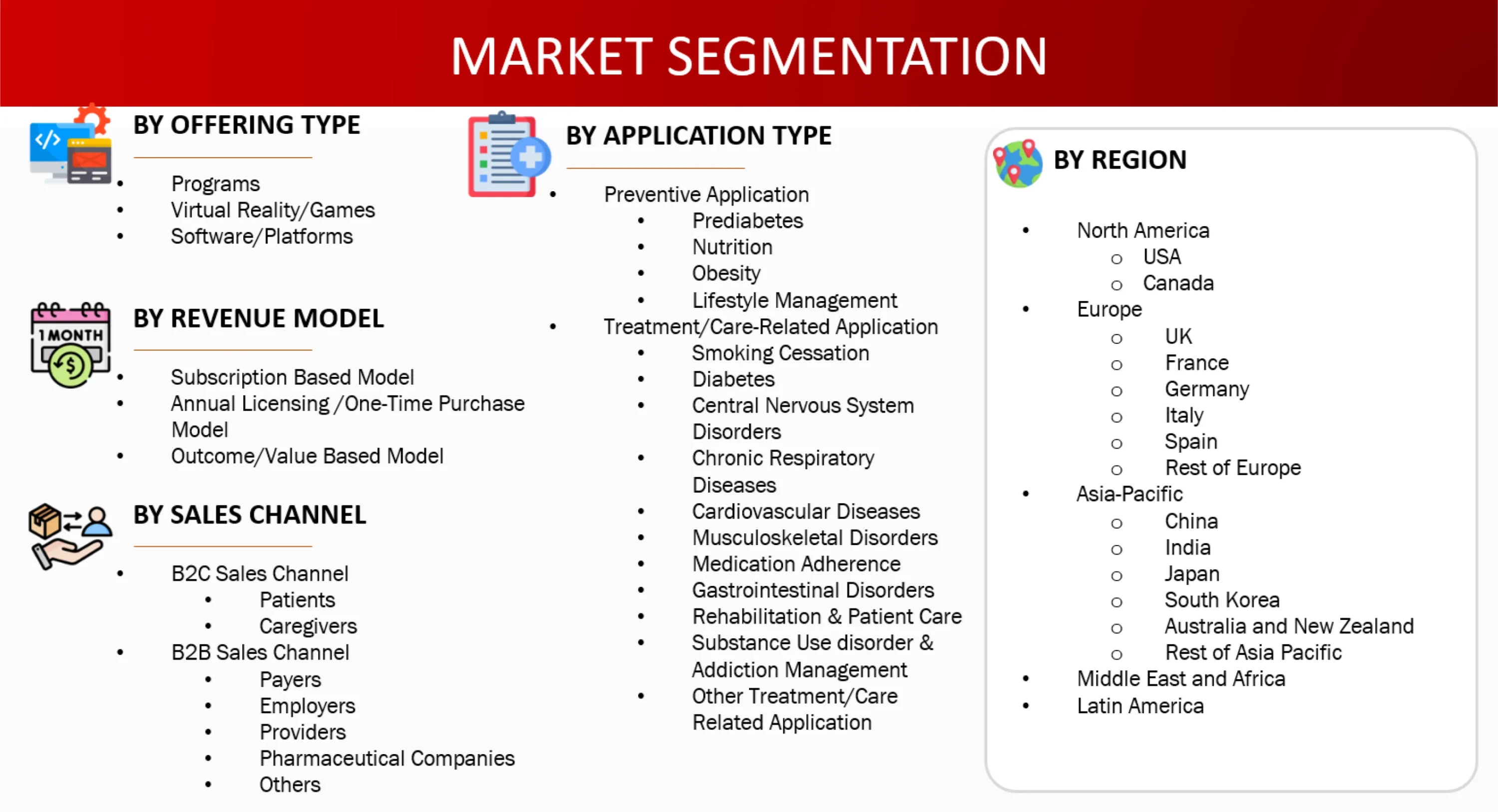
Breakdown by offering, revenue model, sales channel, application & region.

Key regional trends and growth opportunities.

Strategic insights and future market direction.
Research Methodology
The study of the digital therapeutics market is based on a combination of primary and secondary research methodologies, supported by data validation and analytical modeling to ensure accuracy and reliability.
Market Definition: Digital Therapeutics Market
The artificial and bionic organ and device market includes the design, production and sale of appliances that are designed to replace, assist or enhance the operations of human organs and parts of patients. All of these devices are made up of a combination of mechanical, electronic and bioengineered or biocompatible materials to help restore normal physiological operation in patients who have a failed organ or body part, physical limitation or impaired biological systems.
Types of products found in this market include artificial hearts, pump replacements for the left or right ventricular heart; artificial kidneys (dialysis); cochlear implants; bionic limbs (arm or leg); and artificial visual clearers. These products are regularly used in hospitals and outpatient specialty clinics and rehabilitation centers. The use of artificial organs and bionic devices allows patients to live longer and have a higher quality of life (QL) than they would without an artificial organ (i.e., the patient’s use of an artificial heart would help them survive longer and have a higher QL than they could expect if they were able to get a matching human heart); permit patients to live longer (to no longer be dependent on a matching donor organ); long-term disease management (efficiency, precision and new technology will allow the patient to have long-term disease management).
Key Stakeholders
The digital therapeutics market involves a diverse ecosystem of stakeholders:
- Device Manufacturers (artificial hearts, ventricular assist devices, artificial kidneys, cochlear implants, bionic limbs)
- Component & Material Suppliers (biocompatible polymers, titanium alloys, sensors, microelectronics)
- Equipment & System Providers (dialysis systems, implantable device systems, monitoring and control units)
- Healthcare Providers (hospitals, transplant centers, rehabilitation clinics, specialty care units)
- Pharmaceutical and Biotechnology Companies
- Contract Manufacturing Organizations (CMOs) & Medical Device Outsourcing Firms
- Regulatory Authorities (e.g., U.S. Food and Drug Administration, European Medicines Agency)
- Research Institutions and Academic Organizations
- Distributors and Supply Chain Providers (medical device distributors, hospital suppliers)
- Healthcare Infrastructure Providers (dialysis networks, transplant programs, rehabilitation centers)
- Government and Public Health Agencies
- Investors (venture capital firms, private equity, strategic investors)
Key Objectives of the Study
- To define, describe, analyze, segment, and forecast the digital therapeutics by offering type, by revenue model, by sales type, by application type
- To describe and forecast the market for four key regions: North America, Europe, Asia Pacific, and Rest of the World.
- To provide detailed information regarding key drivers, restraints, opportunities, and challenges influencing market growth
- To strategically analyze the micro indicators with respect to individual growth trends, prospects, and contributions to the overall market size
- To analyze opportunities for stakeholders in the digital therapeutics industry and emphasize on competitive landscape of the market.
- To develop competitive benchmarking of the key market players based on technology specifications and end users.
- To strategically profile key players and comprehensively analyze their product portfolio offerings, and core competencies
- To analyze competitive developments, such as launches and approvals, agreements, mergers and acquisitions, partnerships, joint ventures, investments and expansions, and collaborations, digital therapeutics domain.
Need deeper insights on this market?
Get full report access with detailed forecasts, competitive analysis, and segmentation.
Research Approach
This research employs a systematic approach by using primary research along with secondary research to achieve full coverage and accuracy of information about the digital therapeutics sector. Through this approach, the current market trends in terms of consumer behavior, technological developments, and competitive environment can be analyzed thoroughly.
Secondary Research
Secondary research involves the collection of data from reliable sources such as industry databases, company annual reports, investor presentations, and regulatory filings. This process helps in understanding market trends, identifying key players, and gathering technical and commercial insights.
A comprehensive database of leading companies and market participants is developed through secondary research to support further analysis.
Primary Research
Primary research is conducted to validate findings from secondary research and to gain deeper insights into market dynamics. Interviews are carried out with industry stakeholders across both demand and supply sides, including executives such as CXOs, Vice Presidents, and Directors from business development, marketing, and product teams.
Data is collected through structured questionnaires, email interactions, and telephonic interviews across key regions including North America, Europe, Asia-Pacific, and Rest of the World.
Market Size Estimation
Market size estimation is performed using both top-down and bottom-up approaches. Key market players are identified, and their revenues are analyzed to estimate the overall market size.
The market is further segmented based on:
- Product and service mapping across regions
- Adoption patterns across key application segments
- Insights gathered through primary and secondary research
Data Validation and Research Design
After estimating the overall market size, the data is validated using triangulation methods and market breakdown techniques to ensure accuracy and consistency. Both demand-side and supply-side factors are considered to refine the analysis.
The final data is validated through multiple sources to ensure reliability and to provide accurate insights across all market segments and regions.
Assumptions of the Study
The analysis of the digital therapeutics market is based on the following key assumptions:
- Trends in the industry are drawn from historical data and current information within the sector
- The future outlook is underpinned by constant economic conditions in the absence of shocks to the market
- The rate of adoption for digital therapeutics will rise steadily in all important regions
- Advancements in AI, connectivity, and lab-on-chip will continue to drive growth in the point-of-care testing market.
- The income statement and market share figures are estimated using available information from the industry and publicly available data
- The exchange rate and price trends will not be greatly affected during the forecast period
Scope and Limitations
Scope of the Study
This report offers an exhaustive overview of the international digital therapeutics market and includes the following components:
- Summary of market size, growth trends, and projections
- Carefully segmented market based on products, platform, sample, end users, by mode of acquiring and geography
- Discussion of primary factors influencing the market
- Competitor analysis
- Insights into regional and national market performance
Limitations of the Study
Despite the best efforts being made to keep the results accurate, the study does suffer from some limitations:
- It has been done using both primary and secondary data that come with their own constraints
- Rapid developments in technology might affect the future course of market dynamics
- Some figures are only approximations due to lack of public disclosure
- The report is not an insurance against any disruptions in macroeconomics and geopolitics
- Future forecasts are indicative and subject to change due to altered industry dynamics
Data Triangulation and Market Breakdown
Data triangulation involved the combination of primary research, secondary research, and the Wissen Research analysis. Once the data points were sourced from the secondary market research, we sanitized the data points to make the market sizing and growth forecast more accurate by developing our own assumptions based on the inputs and insights we gather through the primary interviews with the industry experts. Once the data was thoroughly validated through primary interviews from both, demand and supply side of the market, our team of analyst and other team members involved finalized the market sizing and growth forecast
Data Triangulation Methodology
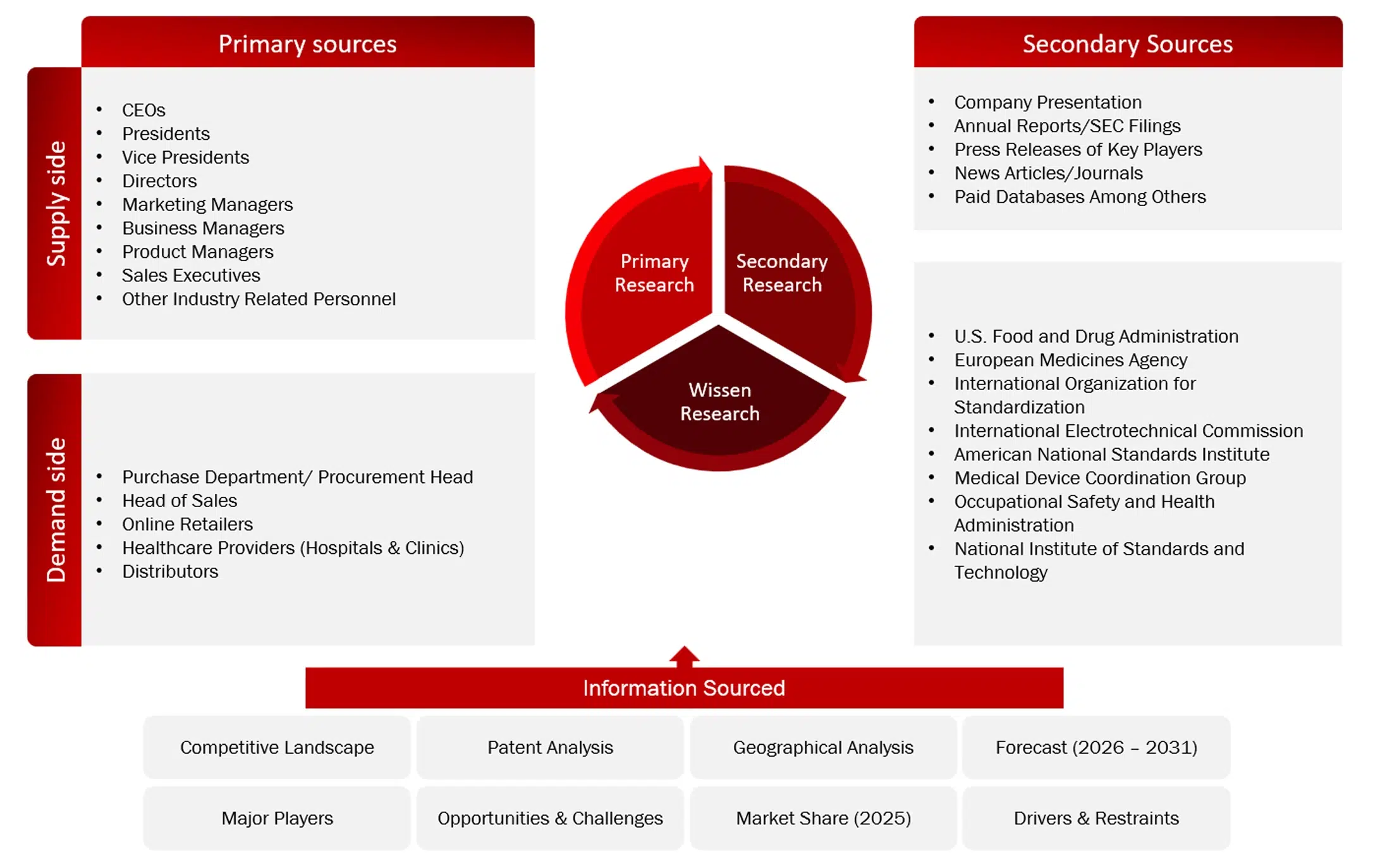
Sources: U.S. Food and Drug Administration, European Medicines Agency, National Institute of Standards and Technology, International Organization for Standardization, International Electrotechnical Commission, Federal Communications Commission, Occupational Safety and Health Administration, American National Standards Institute, Device Coordination Group, Company Website, Press Releases, Annual Reports, Paid Data Sources, and Wissen Research Analysis.
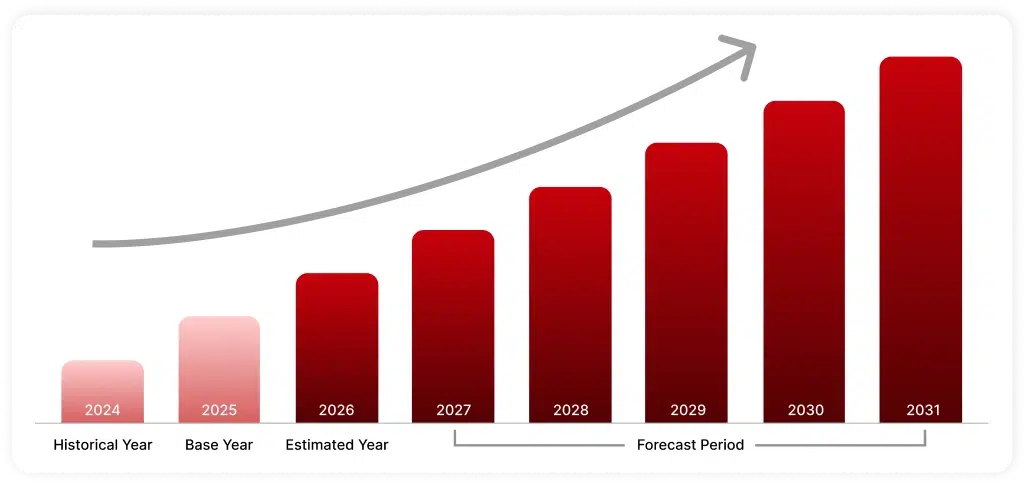
Years Framework
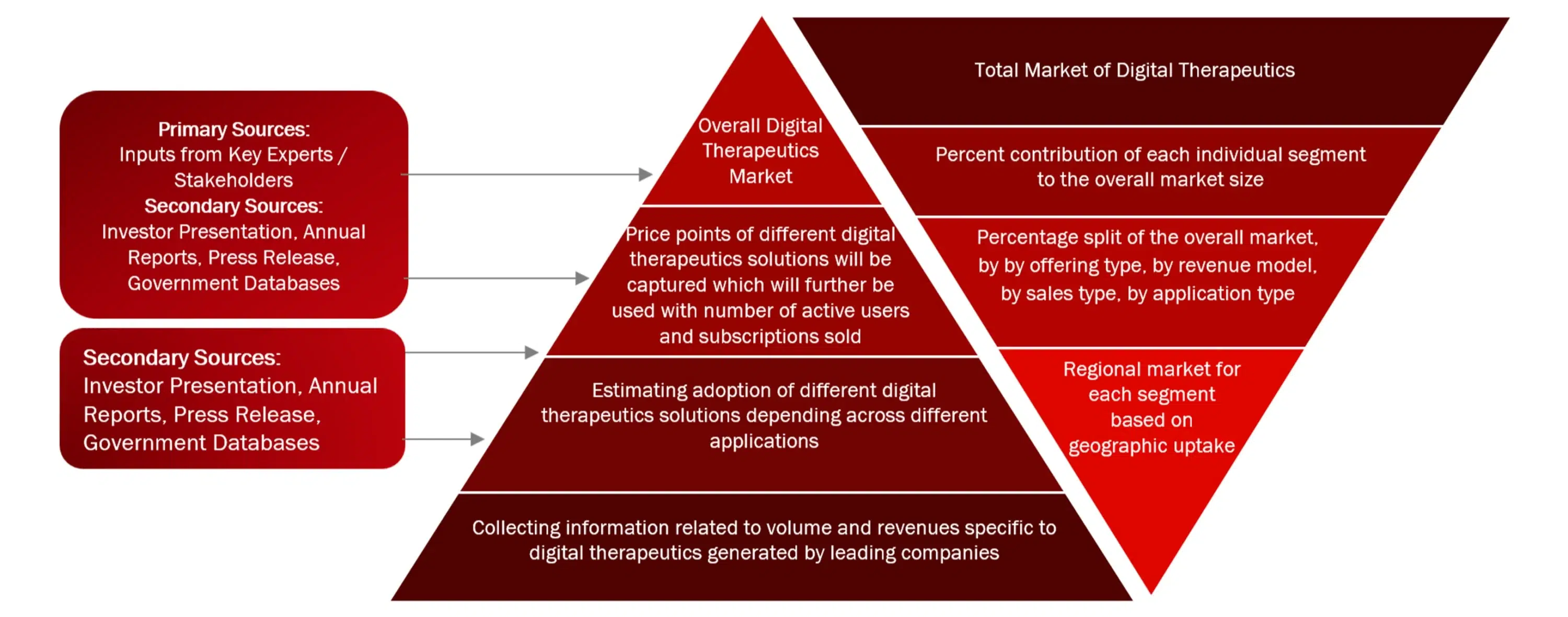
Bottom Up Approach (Demand Side) And Top Down Approach (Supply Side)
Bottom-Up Approach (Demand-Side Approach):
Determining the market size through the consolidation of demand among end-users, sectors, and geographic areas, which are calculated according to real-world demand conditions.
Top-Down Approach (Supply-Side Approach):
Calculating the market size through revenue and performance of the industry and its important companies, allocating the market size among various sectors.
Want detailed insights from this report?
Buy this Report
Choose the option that best fits your needs