
Tumor Ablation Market
Global Industry analysis, Size, Share, Growth, Trends, and Forecast 2026-2031
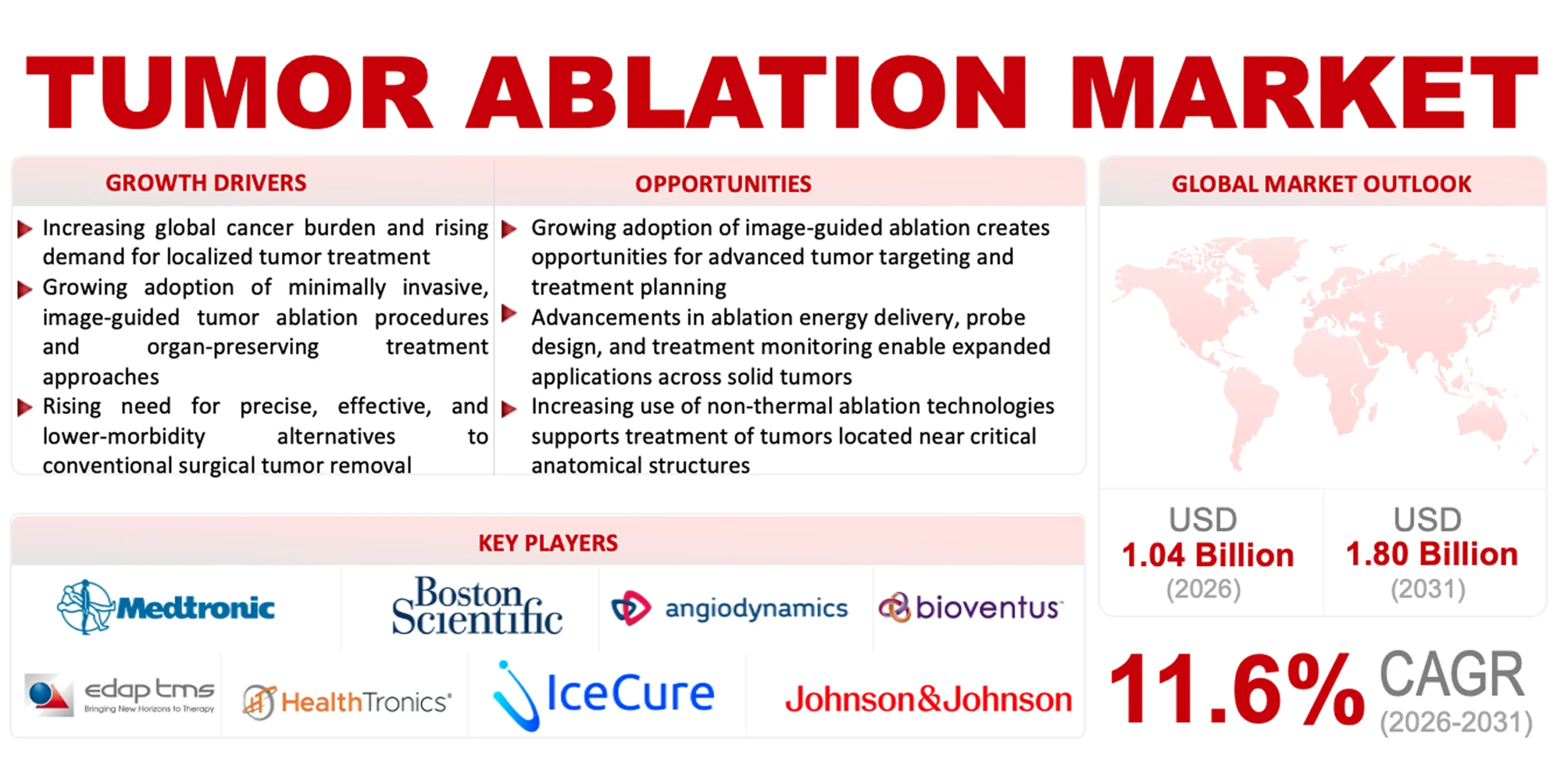
The global tumor ablation market is projected to reach USD 1.8 billion by 2031, growing at a CAGR of 11.6% during the forecast period.
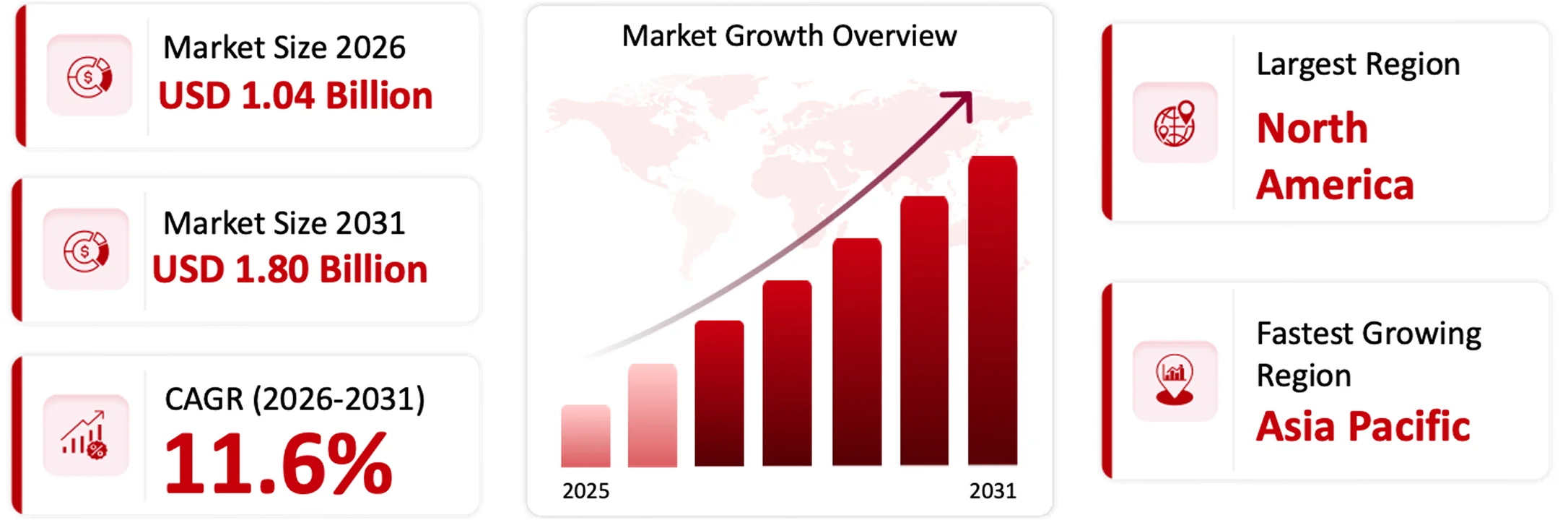
| Market Size (2026): | Forecast (2031): | CAGR (2026–2031): | Leading Region: | Fastest Growing Region: |
|---|---|---|---|---|
| $ 1.04 Billion | $ 1.8 Billion | 11.6 % | North America | Asia Pacific |
Summarize this report with:



Market Overview
“Our study reflected, the tumor ablation market is influenced by the steady growth of the number of cases of cancer around the world, preference of minimally invasive operations, development of new technologies of imaging, and modern ablation systems. As for the International Agency for Research on Cancer, the number of cancer cases is estimated to be around 20.6 million in 2024 and 34.4 million in 2050. Tumor ablation is called the process of destruction a tumor tissue by using heat, cold, and other energy methods in the needed area. The advanced technologies of tumor ablation include Radiofrequency ablation (RFA), microwave ablation (MWA), cryoablation, high-intensity focused ultrasound (HIFU), laser ablation, and irreversible electroporation (IRE). Tumor ablation procedure is done on such organs as the liver, kidney, lung, and prostate and is not limited only to these organs.”
– Mayur Jain, Research Consultant, Wissen Research
The market is estimated to be USD 1.04 billion in 2026 and is projected to reach USD 1.8 billion by 2031, growing at a CAGR of 11.6 % during the forecast period (2026-2031).
Technology Overview
The technology of tumor ablation includes various combinations of systems that create energy, probes or applicators of ablation, support of visual guidance, systems of planning, and systems of monitoring. The choice of the type of ablation is based on multiple factors such as the size, location, and other characteristics of a tumor, as well as other medical goals. Some of the ablation technologies include radiofrequency, microwave, cryo, ultrasound, laser, and electrical ablation. The first two technologies – radiofrequency and microwave systems utilize heating, while cryo technology kills tissue by freezing it. HIFU technology employs ultrasound energy, while irreversible electroporation uses short electric pulses to damage cellular membranes.
Technological advancement has shifted from the conventional technology of energy application to the systems of precise control of the process of ablation. One of the known applications is connected to liver tumors where radiofrequency, microwave, and cryo ablation techniques are applied in cases of certain malignant tumors. Modern technologies are increasingly integrating CT, ultrasound, MRI, navigators, temperature sensors, and planning technologies.
Key Growth Drivers
- Growing cancer incidence is increasing demand for localized treatment of tumours, therefore growing numbers of patients suffering from solid tumours, necessitating development of less invasive methods of treatment besides surgery, radiotherapy, and systemic therapy.
- Preference for less invasive procedures in oncology stimulates accessibility of tumor ablation, especially in cases when surgical treatment is not an option or localized treatment has to be provided without damaging surrounding healthy tissues.
- Increasing usage of image-guided techniques increases accuracy of tumor ablation methods because CT, ultrasound, and MRI allow placing probes, planning treatment and monitoring the area subject to ablation precisely.
- Modern technology being used in ablation equipment expands capabilities of treatment due to improvements in microwave equipment and electrodes, cryoprobes, HIFU systems, and electroporation technologies, allowing for better control and focus in the process of tumor destruction.
- The increase in utilization of different applications in the treatment of solid tumors is strengthening the growth of the market with the growing popularity of ablation technologies being applied in or researched on liver, kidney, lung, prostate, breast, bone, and various other localized tumors.
- The growing trends of organ-saving cancer treatment methods also promote the increase in the popularity of ablation since the destruction of localized tumors requires less extensive surgical intervention and preserves nearby healthy tissue.
Tumor Ablation Market Key Highlights
Need deeper insights on this market?
Get full report access with detailed forecasts, competitive analysis, and segmentation.
Tumor Ablation Market Trends
In the field of tumor ablation, the development of modern imaging technology is preferred over the traditional stand-alone energy delivery systems. Currently, several recognized uses include treatment of liver, kidney, lung, and prostate tumors, while innovations like high-intensity focused ultrasound (HIFU), irreversible electroporation, and modern imaging are expanding possibilities. Liver cancer is particularly important because it is amenable to local treatment via ablation without affecting functioning tissue. Hospital room monitoring is being pursued, with ongoing research and development in areas like temperature, blood pressure, biochemical sensing, hydration, metabolism, and a combination of different physical parameters.
Increasing Adoption of Image-Guided Tumor Ablation
As they get better, tumor ablation systems are evolving to deliver precise and localized destruction of tumors guided by imaging technologies that operate in real or near real time. CT as well as ultrasound can be employed to place ablation probes, while MRI allows healthcare practitioners to obtain detailed images of the area treated with an ablation approach. Through image guidance, it has become easier for doctors to locate tumors as well as evaluate the impact of an ablation zone on surrounding body tissues.
An illustration of the use of this technique is the treatment of liver tumors. As noted by NCI, RFA, microwave therapy and cryoablation fall under the category of ablation techniques used in the treatment of localized liver cancer. Nevertheless, tumor size as well as its location might influence the efficiency of thermal ablation. For instance, the proximity of tumors to large blood vessels may result in the heat-sink effect preventing heat from accumulating in the treatment area and, thus, decreasing effectiveness of thermal ablation.
Expansion of Minimally Invasive and Non-Thermal Ablation
More and more patients with cancer are receiving minimally invasive treatments, which has driven a surge in the demand for tumor ablation devices to eliminate tumor tissues while minimizing damage to adjacent healthy regions. In percutaneous procedures, a physician threads the probe directly through the skin and into the tumor under imaging guidance, thus lowering the risks involved with standard surgical methods.
Another trend in the market is non-thermal techniques for ablation, which involve using electricity for irreversible electroporation, which disrupts cells with electrical waves instead of heat. This technique is being explored in cases when conventional heating is challenging as it is used in the vicinity of sensitive structures. High-intensity focused ultrasound or HIFU is another low-invasive technique that delivers energy through concentrated ultrasound signals.
Apart from these technologies, an increasing movement in the industry is the broader use of tumor ablation in other types of solid tumors beyond the liver and kidney. Improvements in various systems technologies, including imaging, navigation, probe design, treatment planning, and energy delivery, have contributed to the spread of this trend. However, the maturity level of for mass market procedure.
Key Players in the Tumor Ablation Market
Leading companies in the tumor ablation market are focusing on radiofrequency and microwave energy delivery, cryoablation, HIFU, irreversible electroporation, image-guided intervention, navigation, treatment planning, and expansion into additional solid-tumor applications.








Strategic Activities Within the Tumor Ablation Market
IceCure Medical Ltd. (Israel) entered into an exclusive distribution agreement with Scovas Medical for its ProSense® cryoablation systems in the Netherlands. The agreement expanded ProSense® commercialization for breast cancer and interventional oncology, while the Netherlands-based THERMAC trial advanced to Phase III, supporting further clinical adoption of cryoablation.
FocalTherics (France) announced the pricing of a public offering of 8.425 million American Depositary Shares at $4.75 per share, with expected gross proceeds of approximately $40 million. The company’s Focal One Robotic HIFU platform used focused ultrasound, imaging, treatment planning, and robotic precision for minimally invasive focal therapy.
AngioDynamics, Inc. (U.S.) announced that Palmetto GBA had issued a final Medicare coverage determination for irreversible electroporation (IRE) using the NanoKnife System for selected prostate cancer and metastatic colorectal cancer to the liver cases. The coverage was effective July 5, 2026, supporting broader reimbursement and patient access to non-thermal tumor ablation.
Tumor Ablation Market Insights
The market of tumor ablation has become a critical part of the interventional oncology industry and minimally invasive treatments for cancer. This is a process that leads to the local destruction of tumors without performing traditional surgical removal. Tumor ablation techniques involve the use of multiple energy sources for targeted elimination of tumors. Some methods used for this purpose are radiofrequency ablation (RFA), microwave ablation (MWA), cryoablation, high-intensity focused ultrasound (HIFU), laser ablation, and irreversible electroporation (IRE). The tumor ablation market applies to liver tumor treatment, kidney tumor treatment, lung tumor treatment, and prostate cancer treatment and has increasing applications in breast cancer and other solid tumors as well. The growth of the tumor ablation market is determined by multiple factors that include the cancer burden worldwide, an increasing shift towards minimally invasive techniques, increasing popularity of image-guided procedures, technological improvements in ablation technologies, an increased demand for organ preserving treatments, and the growing popularity of interventional oncology. In accordance with the report by the International Agency for Research on Cancer, there were around 20 million new cancer cases and 9.7 million cancer-related deaths in the year 2022, which indicates a great need for effective cancer treatments.
Ablation technologies are used in various areas such as liver cancer, kidney cancer, lung cancer, prostate cancer, and other solid tumors. Of these fields, liver tumor treatment represents one of the most developed use of this technology because ablation provides localized therapy for targeted tumors and retains healthy liver tissue. Available technologies for certain liver tumors include radiofrequency ablation, microwave ablation, and cryoablation. The National Cancer Institute also confirms the use of the ablation technology such as radiofrequency ablation, microwave ablation, and cryoablation, when it comes to certain types of liver cancer. Kidney tumors and lung tumors are also important fields for the application of these technologies, especially among the patients, who are not candidates for traditional surgery or whose health issues are connected with the need to retain organ functionality. The image-guided ablation gives a possibility to place probes on or near tumors so that the energy is delivered locally. Furthermore, prostate cancer can also be treated with the help of certain technologies such as HIFU and cryoablation. The advanced fields of application include breast tumors and solid tumors, but the state of technology and availability of the evidence may vary from one field to another.
Cancer is one of the major contributors to the rising acceptance of tumor ablation. The growing population of patients suffering from solid tumors is forcing the development of local treatment technologies that will be either used together with conventional surgical treatments or, in specific cases, completely replace them. As per the estimates of the International Agency for Research on Cancer, the incidence of cancer globally will keep on rising in the near future, considering the growth of the population, aging of the population, and changes in terms of exposure to the risk factors associated with cancer. Another driving force of market growth is the rise of techniques related to minimally invasive and image-guided cancer treatment. Tumor ablation is a procedure that can be conducted percutaneously, using specialized probes guided by CT, ultrasound, or MRI.
As it pertains to the market for tumor ablation, innovations in image-guided therapy, precision energy delivery, and minimally invasive methods are likely to continue. The trend is to move from traditional separate ablation devices to new composite solutions that merge energy delivery with imaging capabilities, navigation, software, and guidance through the procedure. Among the technologies already present in the market are radiofrequency ablation, microwave ablation, and cryoablation. Currently, irreversible electroporation, HIFU, and laser ablation are still in the process of development. However, several factors still affect the whole process from the point of view of the value chain, including precision, predictability, patient safety, index of tumor recurrence, position of tumor, impact of heat sink, damage to organs around the tumor, as well as issues with the vessels and nerves. In addition, placement of the probes is often associated with inadequate destruction of the tumor and discrepancies in the characteristics of tumors. At the same time, in order for doctors to use advanced imaging technologies, one should take into consideration a range of regulatory issues, presence of clinical evidence, and the level of training.
The continent of North America stands as one of the largest markets for tumor ablation technologies owing to its advanced healthcare infrastructure system, growing interventional radiology infrastructure, high expenditure on cancer treatment, adoption of minimally invasive procedures, and the presence of leading manufacturing organizations. The U.S. has a well-structured regulatory framework for medical devices and various interventional oncology technologies. Regulatory authorities approve and clear many ablation systems for specific medical applications. The primary drivers for the adoption of tumor ablation technologies in the region include the rising cancer incidence, rising number of image-guided procedures, preference for minimally invasive methods, establishment of the interventional oncology industry, and technology advancement in ablation devices. Moreover, the U.S. represents one of the key centers in the field of clinical studies and developments in various procedures, including microwave ablation, cryoablation, radiofrequency ablation, HIFU, and electroporation.
Tumor Ablation Market Dynamics
Drivers: Rising Cancer Burden and Increasing Preference for Minimally Invasive Treatment
The expanding global burden of cancer has been increasingly driving the tumor ablation sector owing to the rising incidence of solid tumors due to aging population and changes in risk factors. According to the International Agency for Research on Cancer, there were about 20 million new cancer cases worldwide in 2022, and it is expected that this number would increase significantly by 2050. The growing number of patients is therefore driving the need for localized treatment options that would serve as alternatives to surgery, radiation therapy, and systemic therapies. Tumor ablation performs minimally invasive destruction of selected tumors using different techniques like radiofrequency ablation, microwave ablation, and cryoablation. These procedures are able to be performed through the skin using imaging techniques and can eliminate the need for surgery for certain patients. The rising use of image-guided interventions and demand for organ-preserving techniques are also supporting the use of ablation.
Opportunities: Expansion of Image-Guided Precision Ablation and Emerging Solid-Tumor Applications
The growth of image-guided precision ablation marks a key point for the tumor ablation market as medical professionals look for more precise, controlled techniques for the destruction of tumors in specific places. Although ablation is defined as the utilization of ablation systems together with CT, ultrasound, MRI, navigation, planning software, and real-time monitoring, the addition of this technology is able to increase the quality of probe positioning, quality of treatment, and efficacy of treatment margins measurements. Despite the fact that this is useful for some tumors situated in close proximity to large blood vessels, bile ducts, air passages, nerves, or other delicate areas. The development of tumor ablation system is also promising in the area of solid tumor usage. The new methods in the area of tumor treatment have the potential of being implemented in breast tumors and other tumors.
Challenges: Treatment Precision, Incomplete Ablation, and Limitations Related to Tumor Location
One of the main obstacles in the tumor ablation field is total destruction of tumors while safeguarding healthy neighboring tissues. The effectiveness of treatment is dictated by tumor size, form, location, tissue properties, and nearness to essential anatomical organs. Effective thermal ablation can also be affected by the heat sink phenomenon especially when tumors are adjacent to large blood vessels because blood flow can pull away heat from the treated area causing unintended ablation. Tumors not fully destroyed might survive on the treatment margin, which leads to increased chances of local relapse and the necessity for repeated procedures or additional treatments. Tumors near bile ducts, airways, nerves, intestines, and other vital organs can diminish the intensity of treatment energy. Therefore, it is essential for imaging, positioning of probes, treatment planning, and monitoring to be perspicuous.
Technology and Market Insights
Tumor ablation technology has made strides towards advanced, less invasive, image-assisted treatment systems. Companies and makers are investing in microwave antennas, RF electrodes, cryoprobes, HIFU transducers, electroporation technology, state-of the art imaging and navigation tools, treatment planning technology, temperature assessment systems, and real-time monitoring of the zone of ablation. Major practical applications are already available for liver, kidney, lung, and prostate cancers, while more applications are being explored for other solid tumors.
Moreover, the industry is becoming more technology- and software-oriented. Tumor ablation machines can be combined with CT scans, ultrasound imaging machines, MRIs, nav software packages, and treatment planning systems to ensure precise placement of probes and effective transfer of treatment. Sophisticated software allows physicians to specify tumor borders and plan the extent of treatment.
Technology Scope and Products
Tumor Ablation Market Segmentation
Want detailed insights from this report?
Industry Developments and Competitive Landscape
There is a change in the tumor ablation market due to improvements in energy delivery systems, image-guided procedures, probe designs, treatment plans, and minimally invasive cancer treatment facilities. Manufacturers that produce medical devices and companies in interventional oncology are coming up with their own forms of radiofrequency, microwave, cryoablation, high-intensity focused ultrasound, and irreversible electroporation. Manufacturers are increasingly merging their generators and probes during their applications with CT, ultrasound, MRI, navigation, treatment planning, and control systems. Various factors influence competition in this area such as treatment reliability, accuracy, energy management, probe designs, ease of procedure, compatibility with imaging, clinical evidence, regulatory approval, adoption by doctors, and production potential.
The treatment method of radiofrequency ablation (RFA) will still rank among the top technologies in 2025 due to its considerable clinical experience, high level of availability, and wide potential of performing treatment of localized tumors. RFA consists of delivering high-frequency electricity into the tissue to produce heat and eliminate specific elements of the tissue. This method enjoys extensive usage in oncology for treating liver tumors, kidney tumors, lung tumors, and other similar tasks. The National Cancer Institute mentions radiofrequency ablation as one of the available local treatment options for liver malignancies.
-
Microwave ablation is gradually overcoming RFA, as it can offer higher temperatures and greater ablation areas and allow simultaneous treatment through multiple devices. Cryoablation technology gets stronger, especially for kidney cancer and prostate cancer as it damages the tissue by the process of freezing and thawing.
-
Thus, the competition now shifts to the area of using technologies for delivering the energy more efficiently, achieving better control of the procedure, obtaining bigger and more predictable ablation areas, and using imaging systems in the process.
Systems continued to be the main type in the tumor ablation market in 2025 due to the increased uptake of energy-based solutions for minimally invasive treatments of tumors. The systems segment is made up of radiofrequency ablation systems, microwave ablation systems, cryoablation systems, irreversible electroporation systems, and other ablation technologies.
-
Radiofrequency and microwave ablation systems benefit from proven efficacy of use in liver, lung, and kidney tumors, while cryoablation systems are routinely used in particular tumors where clinical advantage is gained from targeted freezing. Systems based on irreversible electroporation use a non-thermal methodology of treatment of tumors close to critical anatomical areas.
-
Manufacturers focus on technology improvements in energy delivery and regulation of the treatment area, probe and electrode configuration, cooling technology, and treatment monitoring and compatibility with image guidance.
North America led the market due to its established healthcare infrastructure, high acceptance of minimally invasive oncology treatment, advanced capabilities in the field of interventional radiology, presence of well-known medical device producers and other inner factors. The majority of the market in this region comes from the USA as it possesses sufficient number of cancer treatment centers, skilled cancer specialists, developed infrastructure for clinical researches, and strict regulation of the use of medical devices on its territory.
-
In addition, radiofrequency ablation, microwave ablation, cryosurgery, and many other innovative and progressive systems for tumor treatment are widely applied in practice in this region. The USA-based medical device companies are actively involved in the commercialization of the related products.
-
Knowing that Asia Pacific is the fastest-growing region of the world, it is justified by growing number of patients suffering from cancer and the fastest development of healthcare system in this area. The most important countries in this market are China, Japan, South Korea, and India as they are active in adopting new interventional oncology techniques and image-based technology for treatments.
What This Report Covers-
This report provides a comprehensive analysis of the tumor ablation market, offering insights into key trends, growth drivers, challenges, and future opportunities. It is designed to support strategic decision-making through a combination of quantitative data and qualitative analysis.
Specifically, the report covers:

Market Overview & Definition:
Overview of the market scope, structure, and key terminology

Market Size & Forecast:
Historical data and future projections across key segments and regions

Key Market Trends:
Insights into emerging trends, technological advancements, and evolving demand patterns

Drivers, Restraints & Opportunities:
Analysis of key factors influencing tumor ablation market growth

Competitive Landscape:
Overview of major players, their strategies, and recent developments

Detailed Patent Analysis:
This includes, top assignees, geography focus of top assignees, legal status, technology evolution, key patents and patent trends and innovations

Segmentation Analysis:
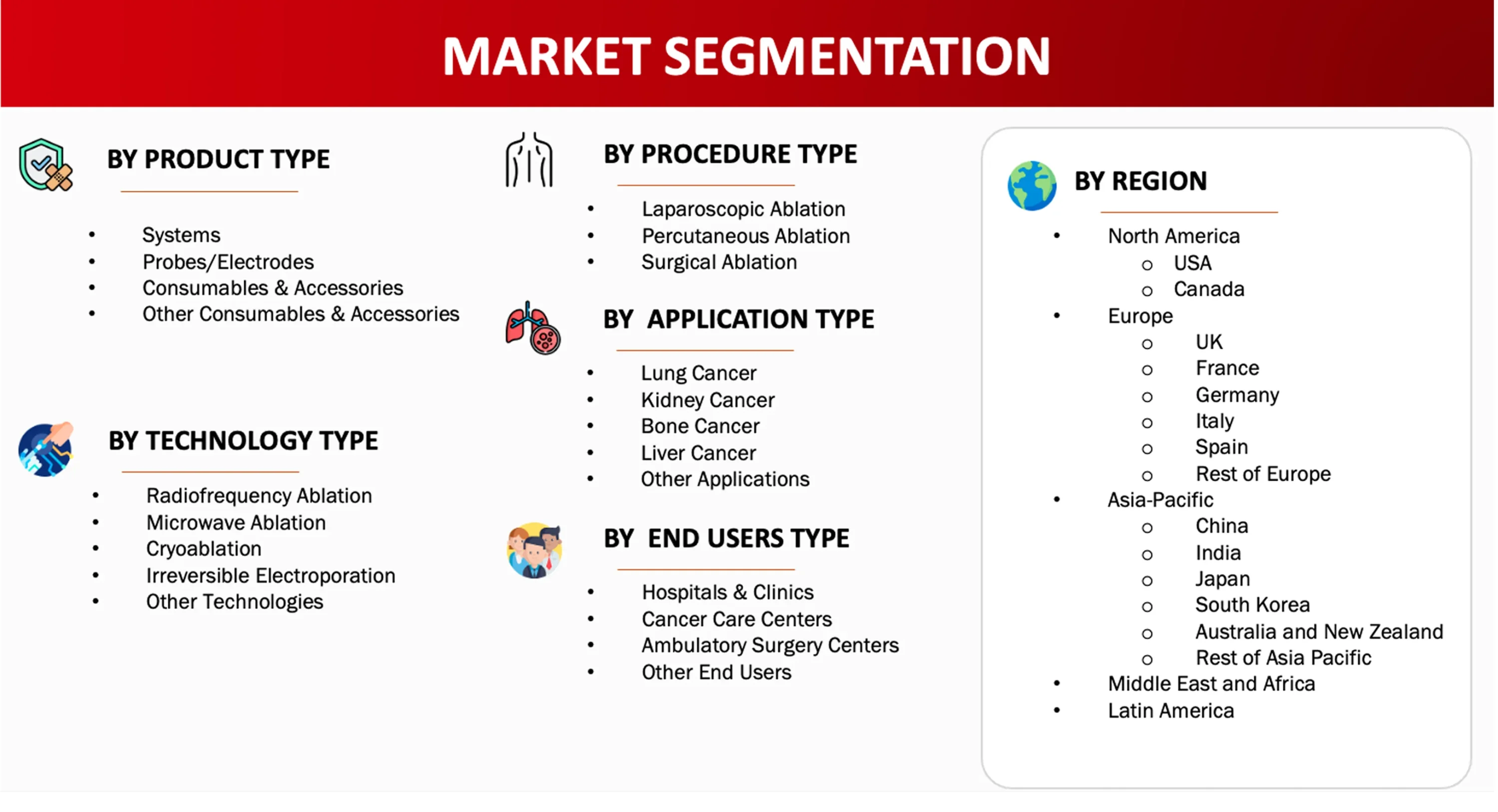
Breakdown by product type, by technology type, by procedure type, by application type, by end user type, and region

Regional Insights:
Key regional trends and growth opportunities

Future Outlook:
Strategic insights and future market direction
Research Methodology
The study of the tumor ablation market is based on a combination of primary and secondary research methodologies, supported by data validation, technology and product mapping, procedure-volume and adoption analysis, company revenue and product-performance assessment, regulatory and commercialization analysis, application-level demand assessment, healthcare infrastructure analysis, and analytical modelling to ensure accuracy and reliability.
Market Definition: Tumor Ablation Market
Tumor ablation refers to minimally invasive procedures that destroy targeted tumor tissue using thermal, non-thermal, or energy-based techniques. Tumor ablation technologies may use radiofrequency energy, microwave energy, cryogenic energy, focused ultrasound, laser energy, or electrical pulses to induce localized tumor destruction while minimizing damage to surrounding healthy tissue.
The market includes commercially available and clinically deployed tumor ablation systems, devices, probes, applicators, generators, treatment-planning technologies, and associated products used for the local treatment and management of tumors. Depending on the technology, procedures may be performed percutaneously, laparoscopically, or through other image-guided minimally invasive approaches.
Key tumor ablation applications include liver tumors, kidney tumors, lung tumors, prostate tumors, bone tumors, breast tumors, and other solid tumors. Tumor ablation technologies include radiofrequency ablation (RFA), microwave ablation (MWA), cryoablation, high-intensity focused ultrasound (HIFU), laser ablation, and irreversible electroporation (IRE). The market is segmented by technology type, product type, application, and geography according to the defined scope of the study.
Key Stakeholders
The tumor ablation market involves a broad ecosystem of stakeholders:
- Tumor Ablation System Manufacturers & Medical Device Companies (RFA systems, microwave ablation systems, cryoablation systems, HIFU systems, laser ablation systems, IRE systems, probes, electrodes, and applicators)
- Ablation Probe, Electrode & Applicator Manufacturers (Radiofrequency electrodes, microwave antennas, cryoprobes, HIFU applicators, laser fibers, electroporation electrodes, and other tumor-ablation delivery components)
- Imaging & Image-Guidance Companies (CT, ultrasound, MRI, image-fusion, navigation, targeting, and image-guided intervention technologies used for tumor localization and ablation procedures)
- Treatment Planning & Monitoring Technology Providers (Treatment-planning software, ablation-zone visualization, temperature monitoring, treatment-margin assessment, navigation software, and procedure-monitoring technologies)
- Hospitals & Healthcare Providers (Hospitals, cancer centers, interventional radiology departments, surgical centers, oncology centers, and other healthcare facilities performing tumor ablation procedures)
- Interventional Radiologists, Oncologists & Surgeons (Interventional radiologists, surgical oncologists, radiation oncologists, urologists, hepatobiliary specialists, pulmonologists, and other physicians involved in tumor ablation treatment)
- Cancer Diagnostic & Imaging Providers (Diagnostic imaging centers, pathology laboratories, cancer diagnostic facilities, and healthcare organizations supporting tumor identification, staging, treatment planning, and follow-up)
- Regulatory & Standards Organizations (Medical-device approvals, clinical requirements, safety standards, quality-system requirements, device classification, and regulatory compliance)
- Testing, Inspection & Certification (TIC) Companies (Device testing, electrical and mechanical testing, biocompatibility assessment, energy-delivery validation, thermal performance testing, reliability testing, and regulatory compliance)
- Research Institutions & Technology Developers (Universities, cancer research centers, medical research laboratories, technology developers, and organizations developing next-generation ablation technologies)
- Healthcare Payers & Reimbursement Stakeholders (Public and private insurers, government healthcare programs, reimbursement organizations, and other stakeholders influencing coverage and adoption of tumor ablation procedures)
- Patients, Caregivers & End Users (Patients receiving tumor ablation for localized cancer treatment, recurrence management, palliative treatment, or as an alternative or complement to surgery and other cancer therapies)
- Investors & Strategic Partners (Private equity firms, venture capital firms, medical-device companies, healthcare investors, technology investors, and strategic partners focused on oncology, interventional medicine, medical devices, and minimally invasive cancer treatment)
Key Objectives of the Study
- To define, describe, analyze, segment, and forecast the tumor ablation by product type, by technology type, by procedure type, by application type, by end user type.
- To describe and forecast the market for four key regions: North America, Europe, Asia Pacific, and Rest of the World
- To provide detailed information regarding key drivers, restraints, opportunities, and challenges influencing market growth
- To strategically analyze the micro indicators with respect to individual growth trends, prospects, and contributions to the overall market size
- To analyze opportunities for stakeholders in the tumor ablation industry and emphasize on competitive landscape of the market
- To develop competitive benchmarking of the key market players based on technology specifications and end user
- To strategically profile key players and comprehensively analyze their product portfolio offerings, and core competencies
- To analyze competitive developments, such as launches and approvals, agreements, mergers and acquisitions, partnerships, joint ventures, investments and expansions, and collaborations, tumor ablation domain
Need deeper insights on this market?
Get full report access with detailed forecasts, competitive analysis, and segmentation.
Research Approach
This research employs a systematic approach by using primary research along with secondary research to achieve full coverage and accuracy of information about the tumor ablation sector. Through this approach, the current market trends in terms of consumer behaviour, technological developments, and competitive environment can be analysed thoroughly.
Secondary Research
Secondary research involves the collection of data from reliable sources such as industry databases, company annual reports, investor presentations, and regulatory filings. This process helps in understanding market trends, identifying key players, and gathering technical and commercial insights.
A comprehensive database of leading companies and market participants is developed through secondary research to support further analysis.
Primary Research
Primary research is conducted to validate findings from secondary research and to gain deeper insights into market dynamics. Interviews are carried out with industry stakeholders across both demand and supply sides, including executives such as CXOs, Vice Presidents, and Directors from business development, marketing, and product teams.
Data is collected through structured questionnaires, email interactions, and telephonic interviews across key regions including North America, Europe, Asia-Pacific, and Rest of the World.
Market Size Estimation
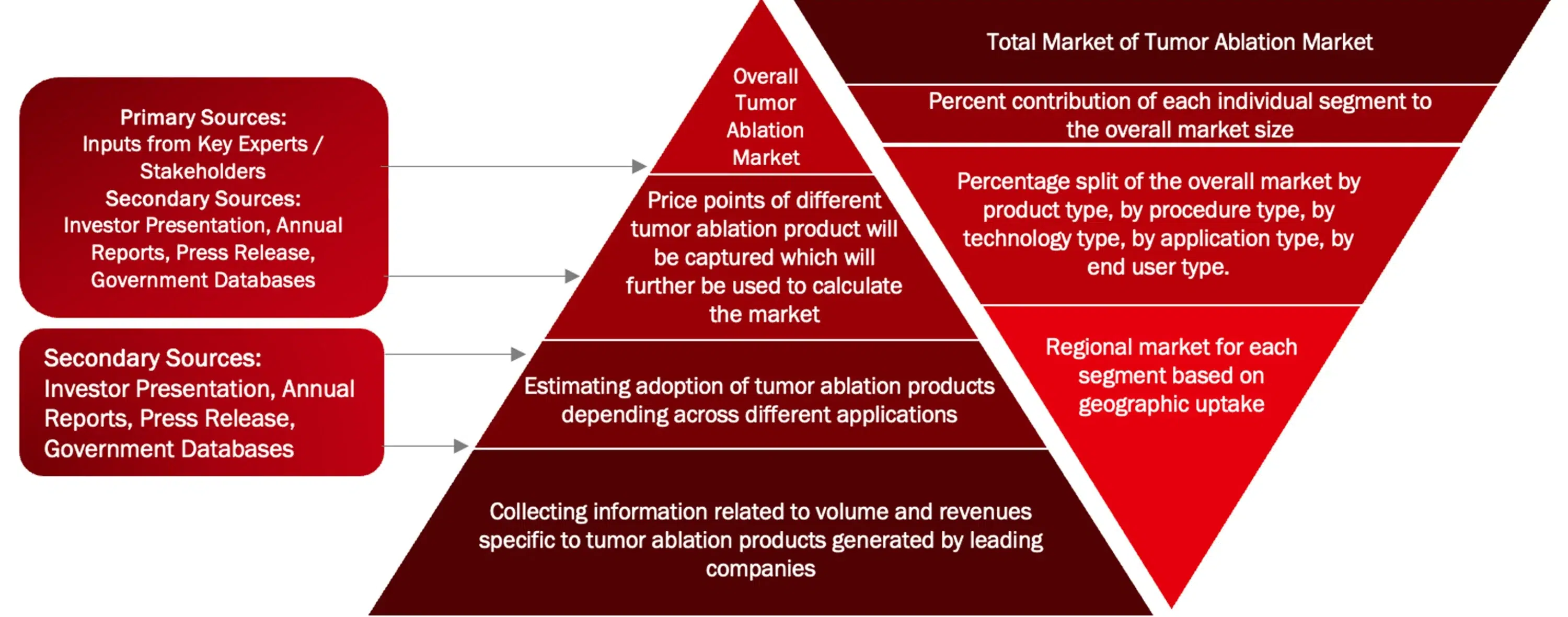
Market size estimation is performed using both top-down and bottom-up approaches. Key market players are identified, and their revenues are analysed to estimate the overall market size.
The market is further segmented based on:
- Product and service mapping across regions
- Adoption patterns across key application segments
- Insights gathered through primary and secondary research
Data Validation and Research Design
After estimating the overall market size, the data is validated using triangulation methods and market breakdown techniques to ensure accuracy and consistency. Both demand-side and supply-side factors are considered to refine the analysis.
The final data is validated through multiple sources to ensure reliability and to provide accurate insights across all market segments and regions.
Assumptions of the Study
The analysis of the tumor ablation market is based on the following key assumptions:
- Trends in the industry are drawn from historical data and current information within the sector
- The future outlook is underpinned by constant economic conditions in the absence of shocks to the market
- The rate of adoption for tumor ablation will rise steadily in all important regions
- The income statement and market share figures are estimated using available information from the industry and publicly available data
- The exchange rate and price trends will not be greatly affected during the forecast period
Scope and Limitations
Scope of the Study
This report offers an exhaustive overview of the international tumor ablation market and includes the following components:
- Summary of market size, growth trends, and projections
- Carefully segmented market based on by product type, by technology type, by procedure type, by application type, by end user type. and geography
- Discussion of primary factors influencing the market
- Competitor analysis
- Insights into regional and national market performance
Limitations of the Study
Despite the best efforts being made to keep the results accurate, the study does suffer from some limitations:
- It has been done using both primary and secondary data that come with their own constraints
- Rapid developments in technology might affect the future course of market dynamics
- Some figures are only approximations due to lack of public disclosure
- The report is not an insurance against any disruptions in macroeconomics and geopolitics
- Future forecasts are indicative and subject to change due to altered industry dynamics
Data Triangulation and Market Breakdown
Data triangulation involved the combination of primary research, secondary research, and the Wissen Research analysis. Once the data points were sourced from the secondary market research, we sanitized the data points to make the market sizing and growth forecast more accurate by developing our own assumptions based on the inputs and insights we gather through the primary interviews with the industry experts. Once the data was thoroughly validated through primary interviews from both, demand and supply side of the market, our team of analyst and other team members involved finalized the market sizing and growth forecast.
Data Triangulation Methodology
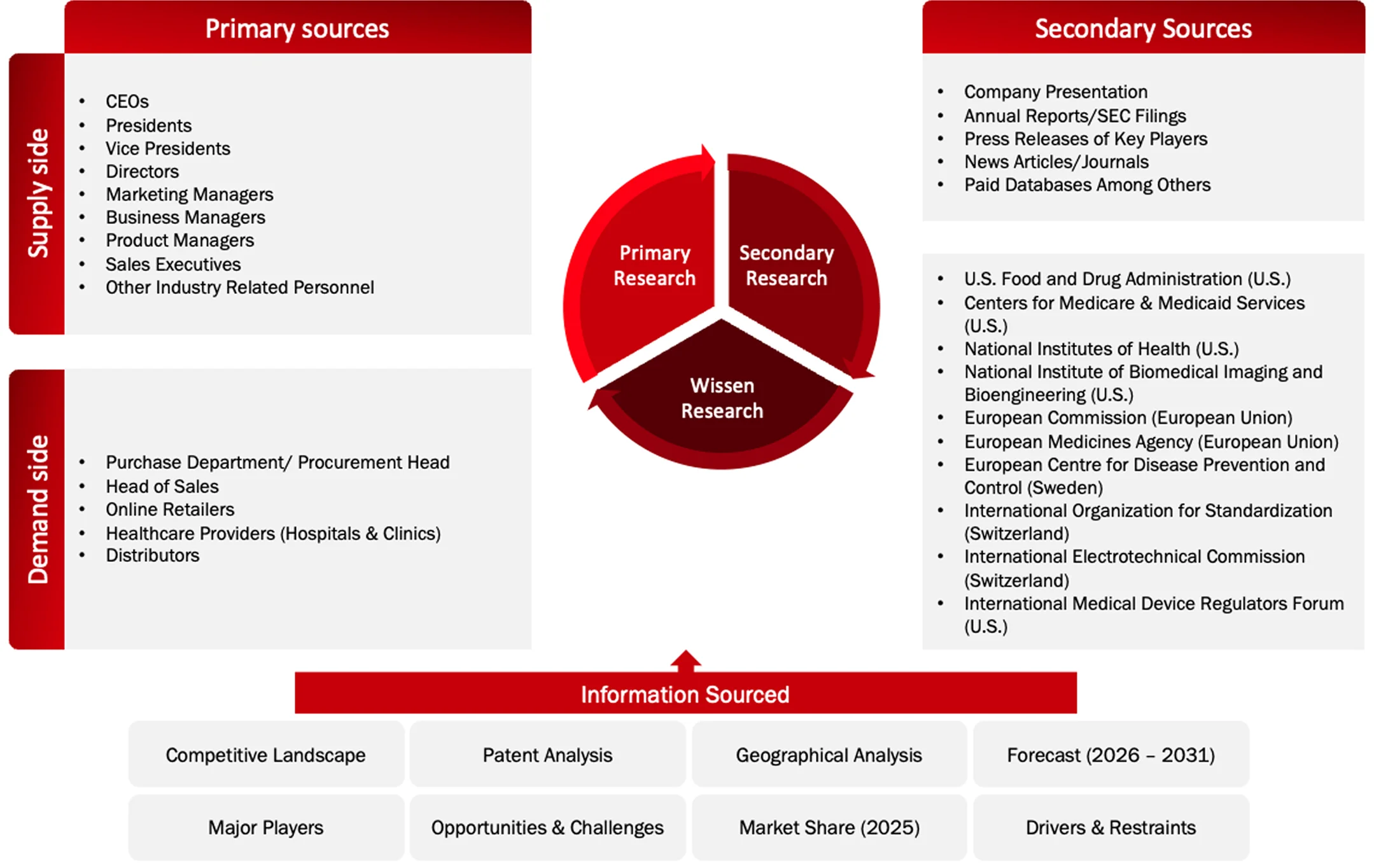
U.S. Food and Drug Administration, National Institutes of Health, National Cancer Institute, Centers for Medicare & Medicaid Services, Radiological Society of North America, American College of Radiology, Society for Imaging Informatics in Medicine, European Society of Radiology, European Association of Nuclear Medicine, World Health Organization, International Organization for Standardization, International Electrotechnical Commission, Company Websites, Press Releases, Annual Reports, Clinical Trial Registries, Peer-Reviewed Scientific Publications, Paid Data Sources, and Wissen Research Analysis.
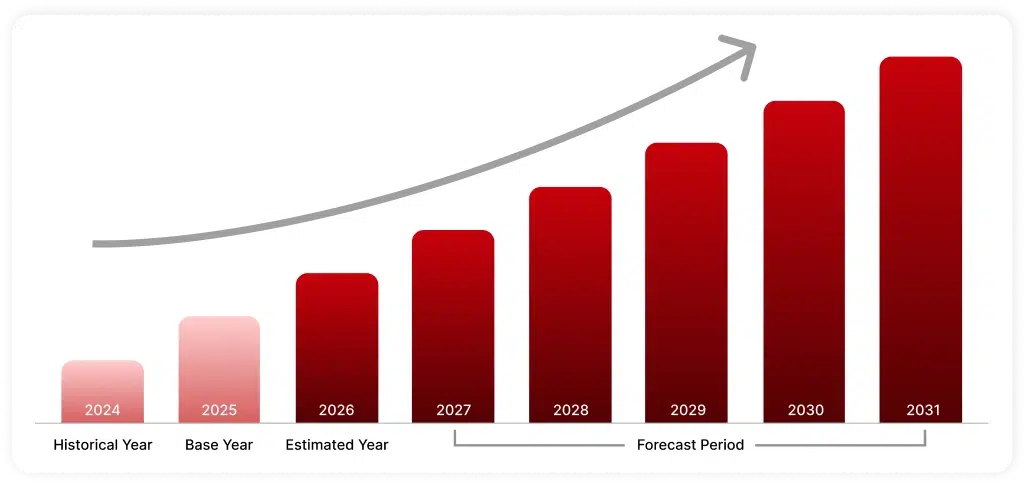
Years Framework
Bottom-Up Approach (Demand Side) And Top-Down Approach (Supply Side)
Bottom-Up Approach (Demand-Side Approach):
Determining the market size through the consolidation of demand among end-users, sectors, and geographic areas, which are calculated according to real-world demand conditions.
Top-Down Approach (Supply-Side Approach):
Calculating the market size through revenue and performance of the industry and its important companies, allocating the market size among various sectors.
Want detailed insights from this report?
Buy this Report
Choose the option that best fits your needs