
Global Minimal Invasive Surgery Market
Global Industry analysis, Size, Share, Growth, Trends, and Forecast 2026-2031
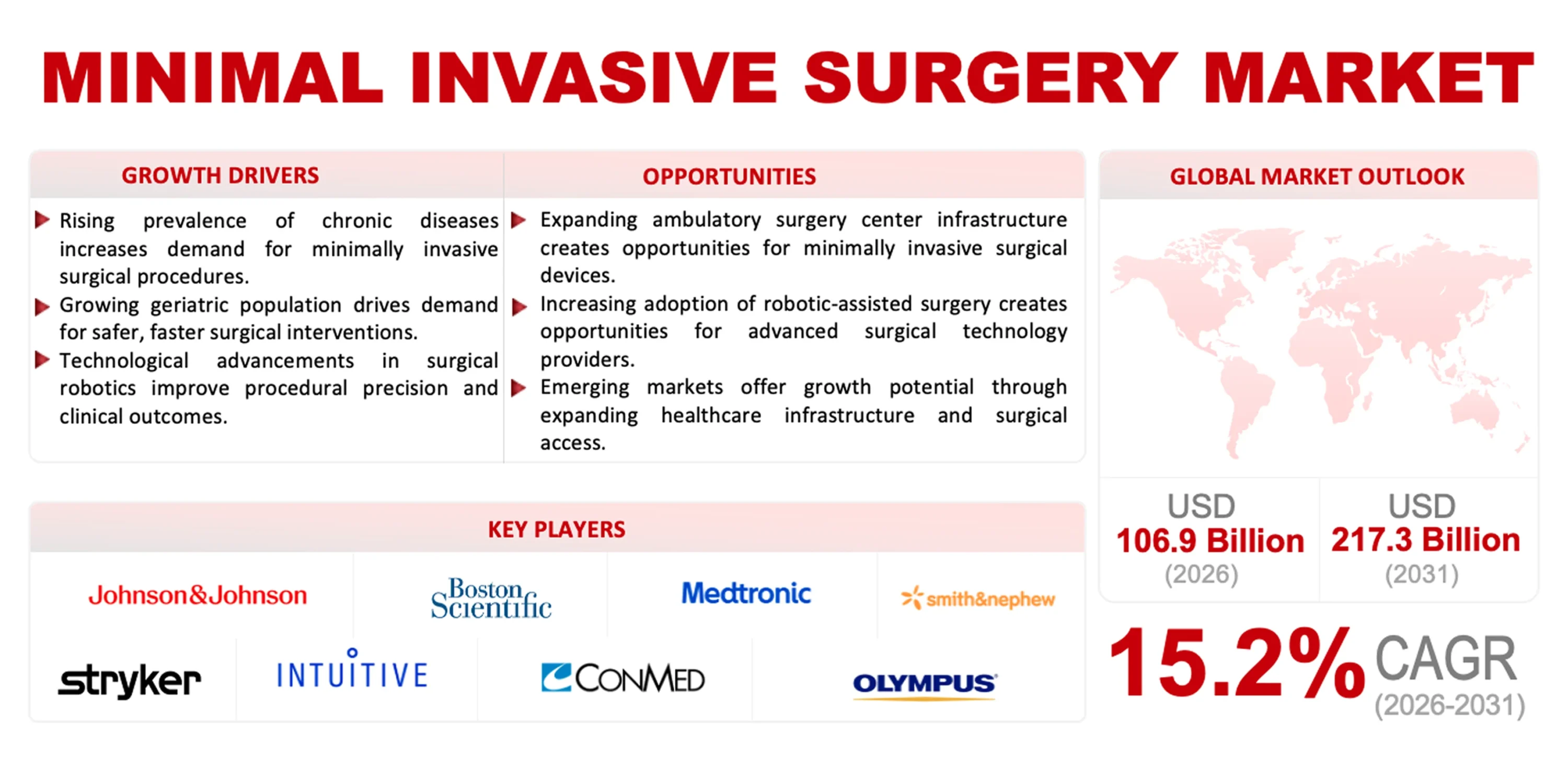
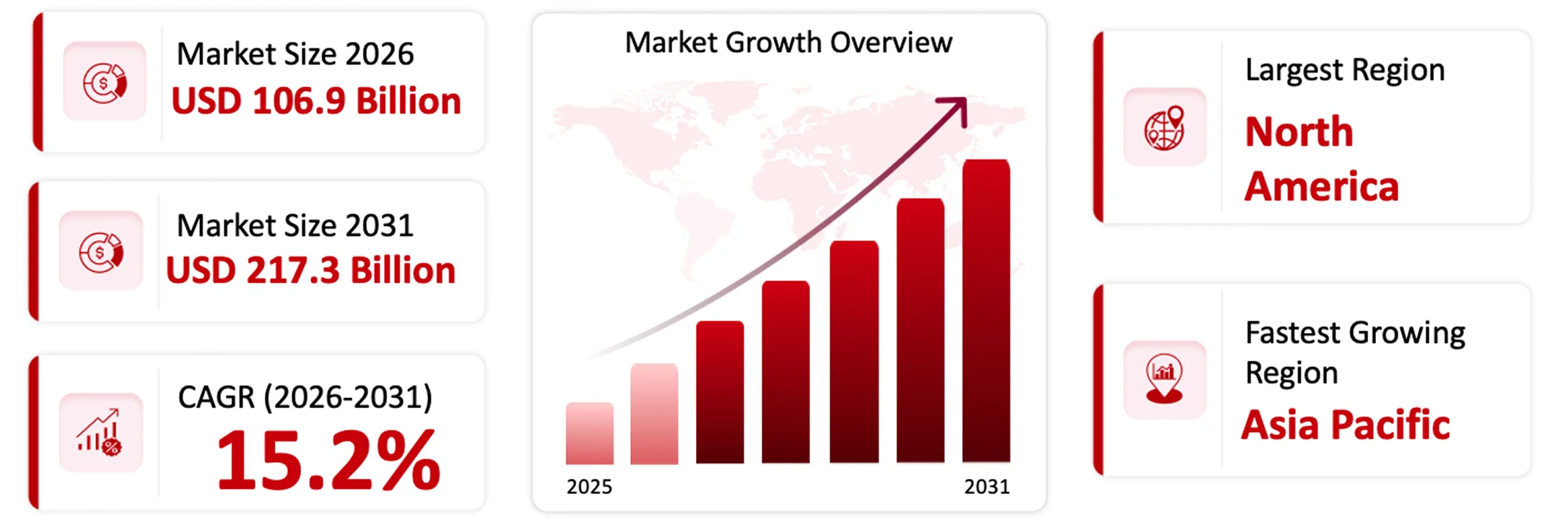
The market is projected to reach USD 217.3 billion by 2031, growing at a CAGR of 15.2 % during the forecast period (2026-2031).
| Market Size (2026) | Forecast (2031) | CAGR (2026–2031) | Leading Region | Fastest Growing Region |
|---|---|---|---|---|
| USD 106.9 Billion | USD 217.3 Billion | 15.2% | North America | Asia Pacific |
Summarize this report with:



Global Minimal Invasive Surgery Market Overview
“In my view the global minimally invasive surgery market is evolving as surgical care increasingly shifts from conventional open procedures toward techniques that reduce tissue disruption while supporting faster patient recovery. Laparoscopy and endoscopy remain established approaches, while robotic-assisted surgery is extending minimally invasive techniques into more complex procedures across urology, gynaecology, colorectal, and thoracic surgery. Advances in high-definition visualization, precision instrumentation, energy devices, and image-guided systems are reshaping operating-room capabilities. The market is also moving beyond technology adoption toward clinical efficiency, procedural standardization, and improved surgical outcomes. However, expansion remains influenced by equipment investment, surgeon training, learning curves, and differences in healthcare infrastructure, creating varied adoption pathways across countries and surgical specialties.”
– Mayur Jain, Research Consultant, Wissen Research
The market is estimated to be USD 106.9 Billion in 2026 and is projected to reach USD 217.3 billion by 2031, growing at a CAGR of 15.2 % during the forecast period (2026-2031).
Technology Overview
Minimally invasive surgery technologies combine specialized instruments, visualization systems, and energy-based tools to perform surgical procedures through small incisions or natural body openings. Core technologies include laparoscopic and endoscopic systems, which use cameras and precision instruments to provide access to internal anatomical structures. Robotic-assisted platforms enhance instrument articulation, tremor filtration, and surgeon control, particularly in complex procedures. Advanced imaging, including fluorescence-guided visualization and three-dimensional imaging, supports anatomical identification and intraoperative decision-making. Energy devices such as electrosurgical, ultrasonic, and vessel-sealing instruments enable tissue dissection, coagulation, and hemostasis. Emerging developments in navigation, digital integration, and image-guided assistance are further improving procedural precision, while technology adoption increasingly depends on clinical suitability, interoperability, training requirements, and operating-room economics.
Key Growth Drivers
- Preference for lower-impact surgical pathways: Surgeons and care teams increasingly select minimally invasive approaches where clinically appropriate to reduce incision size, postoperative pain, wound complications, and recovery time compared with conventional open surgery.
- Robotic systems address technical limits of conventional laparoscopy: Wristed instruments, enhanced visualization, and improved dexterity help surgeons perform procedures in confined anatomical spaces, supporting minimally invasive treatment of technically demanding cases.
- Expansion of surgery into outpatient settings: The shift of suitable procedures toward ambulatory surgical centers favors techniques that support shorter hospital stays and same-day discharge, creating demand for compact, efficient minimally invasive surgical workflows.
- Hospital investment in robotic surgery programs: Hospitals introducing robotic-assisted platforms have recorded increased minimally invasive surgery rates for common general surgery procedures, indicating that institutional technology adoption can directly expand procedural utilization.
- Broader application across surgical specialties: Regulatory clearance of robotic-assisted systems for general, colorectal, gynecologic, thoracic, cardiac, and urologic procedures expands the addressable range of minimally invasive surgical applications.
- Clinical and operational value of reduced recovery burden: Evidence linking minimally invasive approaches with shorter hospital stays and faster return to activity strengthens their appeal to providers seeking to improve recovery pathways and manage postoperative resource requirements. Increasing Product Formulation Diversity: Government product registrations document formulations based on quaternary ammonium compounds, lactic acid, alcohols, hydrogen peroxide, and peracetic acid, reflecting diverse chemical approaches to surface disinfection across end-use environments.
Minimal Invasive Surgery Market Key Highlights
Need deeper insights on this market?
Get full report access with detailed forecasts, competitive analysis, and segmentation.
Minimal Invasive Surgery Market Trends
The global minimally invasive surgery market is moving toward technology-assisted, precision-oriented procedures and broader use across surgical specialties. Robotic-assisted surgery is becoming more integrated into hospital surgical programs, particularly in urology, gynecology, and colorectal procedures, while newer platforms are extending applications beyond traditional laparoscopic workflows. A parallel trend is the adoption of advanced intraoperative visualization, including fluorescence-guided imaging, which helps surgeons assess anatomy and tissue perfusion during procedures. Hospitals are increasingly evaluating these technologies not only for technical capability but also for clinical outcomes, operating-room efficiency, training requirements, and total cost of ownership. Adoption remains uneven across countries and healthcare systems.
Robotic-Assisted Surgery Expanding Beyond Established Specialties
Robotic-assisted surgery is evolving from a technology concentrated in selected specialties into a broader surgical approach. Hospitals are expanding robotic programs into general, colorectal, thoracic, and other procedures, supported by improved instrument articulation, visualization, and surgeon control. The trend is increasingly reflected in actual procedure volumes and installed systems, rather than announcements of technology alone.
Global procedure milestone: More than 20 million patients worldwide had undergone surgery using da Vinci systems by the end of 2025, with over 3.1 million procedures performed during 2025.
Global installed base: Intuitive Surgical reported approximately 11,106 da Vinci systems installed globally at the end of 2025, compared with 9,902 at the end of 2024.
Expansion across specialties: A UK national analysis found robotic procedures increased from 3,622 in 2014 to 36,209 in 2024. By 2024, 67% of NHS trusts reported using robotic-assisted systems.
Procedure-level shift: UK general surgery data covering more than one million operations showed robotic utilization rising from 0.4% in 2015 to 7.0% in 2024, representing 12.8% of minimally invasive procedures in 2024.
Adoption of Fluorescence-Guided and Advanced Intraoperative Visualization
Minimally invasive surgery is increasingly incorporating advanced visualization tools that provide information beyond conventional camera-based viewing. Fluorescence-guided surgery, particularly using indocyanine green (ICG), enables surgeons to assess tissue perfusion, identify anatomical structures, and support intraoperative decision-making. This trend is especially relevant in gastrointestinal, urologic, gynecologic, and oncologic procedures, where visual assessment can influence surgical precision and procedural safety.
Global interest in fluorescence imaging: A 2025 peer-reviewed study tracking worldwide search interest from 2019 to 2024 found the indexed interest in indocyanine green increased from 47 to 88, while fluorescence imaging increased from 64 to 69. These are normalized search-interest indices, not procedure volumes.
Clinical guidance: The 2025 SAGES guidelines evaluated ICG fluorescence imaging across gastrointestinal surgical applications and recommended its use in selected settings, including assessment of anastomotic quality and identification of lymph nodes or cancer-related structures.
Application across specialties: The global study identified increasing interest in fluorescence-guided techniques across endocrine, urologic, and gynecologic surgery, indicating that adoption is not limited to a single procedure category.
Key Players in the Minimal Invasive Surgery Market
Leading companies in the global minimally invasive surgery market are focusing on robotic-assisted surgical platforms, advanced laparoscopic and endoscopic instruments, surgical visualization, precision energy devices, procedure-specific technologies, and expansion of clinical applications across urology, gynecology, general surgery, orthopedics, and gastrointestinal procedures.








Strategic Activities Within the Minimal Invasive Surgery Market
Medtronic plc (Ireland) received U.S. FDA 510(k) clearance for the use of its Hugo™ robotic-assisted surgery system in general surgical procedures, expanding its approved applications beyond urology. The clearance covers upper abdominal procedures, including cholecystectomy, gastric bypass, ventral hernia repair, and small bowel resection, as well as lower abdominal procedures such as inguinal hernia repair and appendectomy. The expansion strengthens Medtronic’s position in soft-tissue robotic surgery and broadens the procedures accessible through its minimally invasive surgical platform.
Johnson & Johnson MedTech (U.S.) announced the first commercial installation of its OTTAVA™ Robotic Surgical System at Memorial Hermann-Texas Medical Center in Houston, marking the beginning of its early-access commercial program in the United States. The system received FDA De Novo authorization in July 2026 for multiple upper-abdominal general surgery procedures and integrates four robotic arms into a standard-sized surgical table. The installation represents an important step in the commercialization of J&J’s soft-tissue robotic platform and its expansion into the minimally invasive general surgery market.
Stryker Corporation (U.S.) announced a strategic alliance with CMR Surgical to accelerate the growth and commercialization of the Versius surgical robotic portfolio. Under the agreement, Stryker will make an approximately USD 400 million preferred equity investment in CMR Surgical, receive an exclusive option to acquire the company’s remaining equity, and serve as the exclusive U.S. sales agent for the Versius portfolio. The partnership combines CMR Surgical’s soft-tissue robotic technology with Stryker’s commercial reach and hospital relationships, strengthening competition in robotic-assisted minimally invasive surgery.
Intuitive Surgical, Inc. (U.S.) announced CE mark approval for its Force Feedback instruments for the da Vinci 5 surgical system, alongside more than 100 system updates and user-experience enhancements for European customers. The technology allows surgeons to sense and measure forces applied to tissue during procedures through console-based haptic feedback and real-time force indicators. The development strengthens Intuitive’s robotic surgery portfolio through improved intraoperative control, digital capabilities, and surgeon-performance insights.
Minimal Invasive Surgery Market Insights
The global minimally invasive surgery market is expanding as healthcare providers increasingly adopt surgical techniques that reduce tissue disruption and support improved postoperative recovery. Market growth is shaped by the rising utilization of laparoscopic and endoscopic procedures, broader integration of robotic-assisted platforms, and continued development of specialized surgical instruments. Demand is also supported by the expansion of minimally invasive approaches into complex procedures previously performed predominantly through open surgery. Hospitals and ambulatory surgical centers are investing in advanced visualization, energy-based devices, and precision instrumentation to strengthen surgical capabilities. However, market expansion varies by procedure type, technology adoption, reimbursement conditions, and healthcare infrastructure across countries.
Minimally invasive surgery is widely applied across specialties where internal access, precision, and reduced surgical trauma are important clinical considerations. Major application areas include general surgery, gynecology, urology, orthopedic surgery, cardiovascular surgery, neurosurgery, thoracic surgery, and gastrointestinal procedures. Laparoscopic techniques are commonly used in cholecystectomy, hernia repair, and colorectal surgery, while endoscopic approaches support diagnostic and therapeutic interventions across multiple organ systems. Robotic-assisted surgery is gaining relevance in prostatectomy, hysterectomy, partial nephrectomy, and complex general surgery procedures. The application landscape continues to broaden as specialized instruments, improved imaging, and surgeon training enable minimally invasive techniques in increasingly complex clinical settings.
Significant opportunities exist in expanding minimally invasive surgery adoption across emerging healthcare markets, where improving hospital infrastructure and rising access to specialized surgical care are creating demand for advanced procedural capabilities. Robotic-assisted surgery presents opportunities through the development of cost-efficient platforms, flexible financing models, and systems designed for smaller hospitals and ambulatory surgical centers. Manufacturers can also strengthen growth by developing procedure-specific instruments, single-use technologies, and integrated visualization solutions that address clinical and operational requirements. Further opportunities arise from fluorescence-guided surgery, digital operating-room integration, and advanced energy devices. Partnerships with hospitals, surgical training centers, and healthcare distributors can accelerate adoption and improve access to specialized technologies.
The global minimally invasive surgery market faces challenges related to high capital investment, procedural complexity, and uneven access to specialized surgical infrastructure. Robotic-assisted platforms require substantial upfront expenditure, ongoing maintenance, and recurring instrument costs, creating financial barriers for smaller hospitals and healthcare systems with constrained budgets. Surgeons also require structured training and experience to achieve proficiency, particularly when transitioning from conventional open or laparoscopic techniques. Limited reimbursement for certain advanced procedures can further restrict adoption. In addition, equipment compatibility, operating-room integration, and availability of skilled technical personnel influence purchasing decisions. These constraints create differences in technology penetration across developed and emerging healthcare markets.
Asia-Pacific is positioned for strong growth in the global minimally invasive surgery market, supported by expanding hospital infrastructure, increasing surgical capacity, and rising adoption of advanced medical technologies across major healthcare markets. China, India, Japan, South Korea, and Australia represent important contributors, although adoption patterns differ according to healthcare spending, reimbursement structures, and clinical capabilities. Growing investment in robotic-assisted surgery, endoscopy systems, and laparoscopic equipment is strengthening regional demand. The expansion of private hospital networks and medical technology distribution channels is also improving access to specialized procedures. However, affordability, surgeon training, and uneven infrastructure remain important factors influencing the pace of adoption across the region.
Minimal Invasive Surgery Market Dynamics
Drivers: Increasing Procedure Volumes and Expansion into General Surgery
- Global procedure growth: Intuitive Surgical reported approximately 3.15 million da Vinci procedures in 2025, an 18% increase over 2024, demonstrating rising utilization of robotic-assisted minimally invasive surgery.
- International adoption momentum: Procedures performed outside the U.S. increased 23% in 2025, reaching approximately 1.14 million, indicating expanding demand beyond the largest established robotic surgery market.
- General surgery expansion: International da Vinci general surgery procedures increased 31% in 2025, compared with 18% growth in U.S. general surgery, highlighting an important source of incremental procedural demand.
- Growth in gynecological applications: International da Vinci gynecology procedures rose 28% in 2025, reflecting continued adoption of robotic-assisted techniques in hysterectomy and other gynecological procedures.
- Higher system utilization: Da Vinci procedures per installed system increased 3% in 2025, indicating that market expansion is supported not only by equipment placements but also by greater use of existing platforms.
Opportunities: Expanding Access and Minimally Invasive Capacity in Underserved Markets
- Unmet global surgical need: The Lancet Commission estimated that 5 billion people lack access to safe, affordable surgical and anesthesia care, indicating a substantial long-term need to expand surgical capacity worldwide.
- Procedure-capacity opportunity: Global Surgery 2030 estimated that approximately 321.5 million additional surgical procedures are needed annually, creating scope for scalable surgical technologies and infrastructure development.
- International robotic procedure growth: Da Vinci procedures outside the U.S. reached approximately 1.14 million in 2025, growing 23%, demonstrating commercial expansion in markets beyond the established U.S. base.
- Adaptable laparoscopic implementation: Research across LMIC settings identified technical adaptability and international collaboration among reported facilitators, supporting opportunities for locally tailored equipment, training partnerships, and service models.
- Opportunity in broader general surgery: International robotic general surgery procedures increased 31% in 2025, suggesting that suppliers can target procedure-specific instruments, training, and hospital partnerships beyond traditional robotic specialties.
Challenges: High Capital Cost and Uneven Clinical Training Capacity
- High acquisition expenditure: Intuitive disclosed da Vinci system prices generally ranging from USD 0.7 million to USD 3.1 million, depending on configuration and geography, creating substantial purchasing barriers for smaller hospitals.
- Recurring operating costs: The company reported annual service-contract fees of approximately USD 95,000–225,000, in addition to replacement instruments and accessories, increasing the total cost of robotic surgery programs.
- Procedure-linked consumable expense: Instruments and accessories generated approximately USD 900–3,700 per procedure, depending on complexity and instrument usage, making case volume and reimbursement important to hospital economics.
- Training capacity limitations: A 2024 survey of 1,045 European robotic surgery respondents found 68% were unaware of a dedicated robotic training curriculum for trainees, highlighting a gap in structured workforce preparation.
- Implementation barriers in emerging markets: A 2026 systematic review of 18 LMIC studies identified limited training capacity in 27 reported factors, equipment cost in 24, and structural limitations in 18, illustrating barriers to wider laparoscopic adoption.
Technology and Patent Insights
Technology development in the global minimally invasive surgery market is progressing toward greater surgical precision, enhanced visualization, miniaturized instruments, and improved surgeon–robot interaction. Robotic platforms increasingly integrate articulated instruments, advanced imaging, motion control, and real-time feedback to support complex procedures. Fluorescence-guided imaging, digital navigation, and AI-assisted surgical planning are emerging as important technology areas. Patent activity reflects strong protection of robotic architectures, instrument mechanisms, navigation systems, and computer-assisted surgical functions. Intuitive Surgical, CMR Surgical, and major medical technology companies continue to develop differentiated platform capabilities. As core robotic technologies mature, innovation is increasingly extending toward software, sensing, workflow integration, and intelligent assistance.
Technology Scope and Products
Minimal Invasive Surgery Market Segmentation
Want detailed insights from this report?
Competitive Landscape and Market Segments Insights
- Intuitive Surgical’s installed-base advantage strengthens competitive positioning: Intuitive Surgical reported 11,106 da Vinci systems installed globally as of December 2025, compared with 9,902 in 2024. Its established hospital relationships, surgeon training ecosystem, and recurring instrument business create significant entry barriers for competitors.
- Competition in robotic-assisted surgery is intensifying: Medtronic’s Hugo, CMR Surgical’s Versius, and Johnson & Johnson’s OTTAVA are challenging established robotic platforms. J&J received U.S. FDA marketing authorization for OTTAVA in July 2026, opening another competitive front in soft-tissue robotic surgery.
- Product differentiation is shifting toward operating-room integration: J&J’s OTTAVA integrates four robotic arms into the operating table, with a reported 30–50% smaller footprint than conventional boom-and-cart systems. This creates differentiation around operating-room space utilization and workflow integration.
- Emerging manufacturers are targeting affordability and underserved markets: Companies such as SS Innovations, MicroPort MedBot, and CMR Surgical are expanding alternative robotic platforms. Their competitive positioning increasingly emphasizes lower-cost configurations, specialized applications, and access to hospitals beyond established premium-system customers.
- Competition is expanding beyond soft-tissue robotic surgery: Stryker’s Mako, Zimmer Biomet’s ROSA, and Globus Medical’s Excelsius platforms strengthen competition in orthopedic and spine procedures. This makes procedure-specific technology, clinical evidence, and surgeon adoption important competitive differentiators.
- Installed-base utilization is becoming a competitive priority: Intuitive’s da Vinci procedure volumes exceeded 3.1 million in 2025, increasing 18% year over year, while its installed base reached 11,106 systems. Competitors must therefore compete not only for new installations but also for surgeon adoption, procedure volumes, consumables, and long-term hospital contracts.
Surgical devices accounted for the largest share of the global minimally invasive surgery market in 2025, supported by their essential role in laparoscopic procedures, widespread utilization across surgical specialties, and extensive adoption in hospitals and ambulatory surgery centers. Demand for handheld instruments, laparoscopic devices, inflation systems, and guiding devices remains strong because these products are fundamental to surgical access, tissue manipulation, dissection, and precision-based interventions.
-
High volume of laparoscopic procedures: Japan’s National Clinical Database recorded 898,643 gastrointestinal and abdominal surgical procedures in 2024, including 120,625 laparoscopic cholecystectomies and 87,819 laparoscopic inguinal hernia procedures, supporting demand for laparoscopic instruments and access devices.
-
Continued adoption of conventional laparoscopy: UK national hospital data recorded 41,587 laparoscopic general surgery procedures in 2024, compared with 6,314 robotic general surgery procedures, highlighting the substantial utilization of conventional laparoscopic surgical equipment.
-
Strong utilization in gynecological surgery: The UK recorded 22,024 laparoscopic gynecological procedures in 2024, compared with 4,142 robotic procedures, supporting demand for laparoscopic access devices, graspers, dissectors, and related instruments.
-
Expanding application across surgical specialties: NHS England’s 2023/24 data showed that robotic-assisted surgery extended across general surgery (24.7%), gynecology (12.7%), and trauma and orthopedics (8.3%), reflecting the expanding adoption of minimally invasive surgical techniques and associated instrumentation across specialties.
Hospitals represented the largest end-user segment in 2025, supported by their concentration of complex surgical procedures, advanced operating-room infrastructure, multidisciplinary surgical teams, and capacity to accommodate high-cost equipment such as robotic-assisted surgical platforms.
-
Concentration of robotic infrastructure: Intuitive Surgical reported 11,106 da Vinci systems installed globally at the end of 2025, reflecting the substantial institutional infrastructure required to support advanced robotic-assisted procedures.
-
Institutional investment in surgical equipment: Intuitive Surgical placed 1,721 da Vinci systems globally during 2025, including 987 in the U.S., 342 in Europe, and 269 in Asia, demonstrating continued investment in advanced surgical infrastructure.
-
Demand for complex oncological procedures: The OECD’s 2025 cancer-care assessment reported robotic-assisted surgery availability in 19 EU+2 countries, with national or regional programs operating in 13 countries, supporting institutional adoption of specialized surgical technologies.
-
Adoption in specialized surgical procedures: A French nationwide study identified 914,350 minimally invasive procedures between January 2017 and June 2023, including 82,840 robotic procedures between July 2020 and June 2023, demonstrating the growing role of advanced surgical technologies.
North America held the largest regional position in 2025, supported by established robotic surgery infrastructure, high adoption of advanced surgical equipment, strong presence of medical technology manufacturers, and substantial hospital investment in minimally invasive surgical capabilities.
-
Largest robotic installed base: Intuitive Surgical reported 6,364 da Vinci systems installed in the U.S. at the end of 2025, representing approximately 57% of its worldwide installed base of 11,106 systems.
-
Strong regional system placements: Of the 1,721 da Vinci systems placed globally in 2025, 987 were installed in the U.S., compared with 342 in Europe and 269 in Asia, highlighting the strength of North American demand.
-
High robotic procedure utilization: Approximately 3.15 million da Vinci procedures were performed worldwide in 2025, supported by the extensive U.S. installed base and established robotic surgery programs across American healthcare facilities.
-
Established ambulatory surgical infrastructure: OECD data published in 2025 showed that ambulatory surgery accounted for at least 90% of cataract procedures in most reporting OECD countries, reflecting the maturity of outpatient surgical pathways in developed healthcare markets.
What This Report Covers-
This report provides a comprehensive analysis of the minimal invasive market, offering insights into key trends, growth drivers, challenges, and future opportunities. It is designed to support strategic decision-making through a combination of quantitative data and qualitative analysis.
Specifically, the report covers:

Market Overview & Definition:
Overview of the market scope, structure, and key terminology

Market Size & Forecast
Historical data and future projections across key segments and regions

Key Market Trends:
Insights into emerging trends, technological advancements, and evolving demand patterns

Drivers, Restraints & Opportunities:
Analysis of key factors influencing minimal invasive surgery market growth

Competitive Landscape:
Overview of major players, their strategies, and recent developments

Detailed Patent Analysis:
This includes, top assignees, geography focus of top assignees, legal status, technology evolution, key patents and patent trends and innovations

Segmentation Analysis:
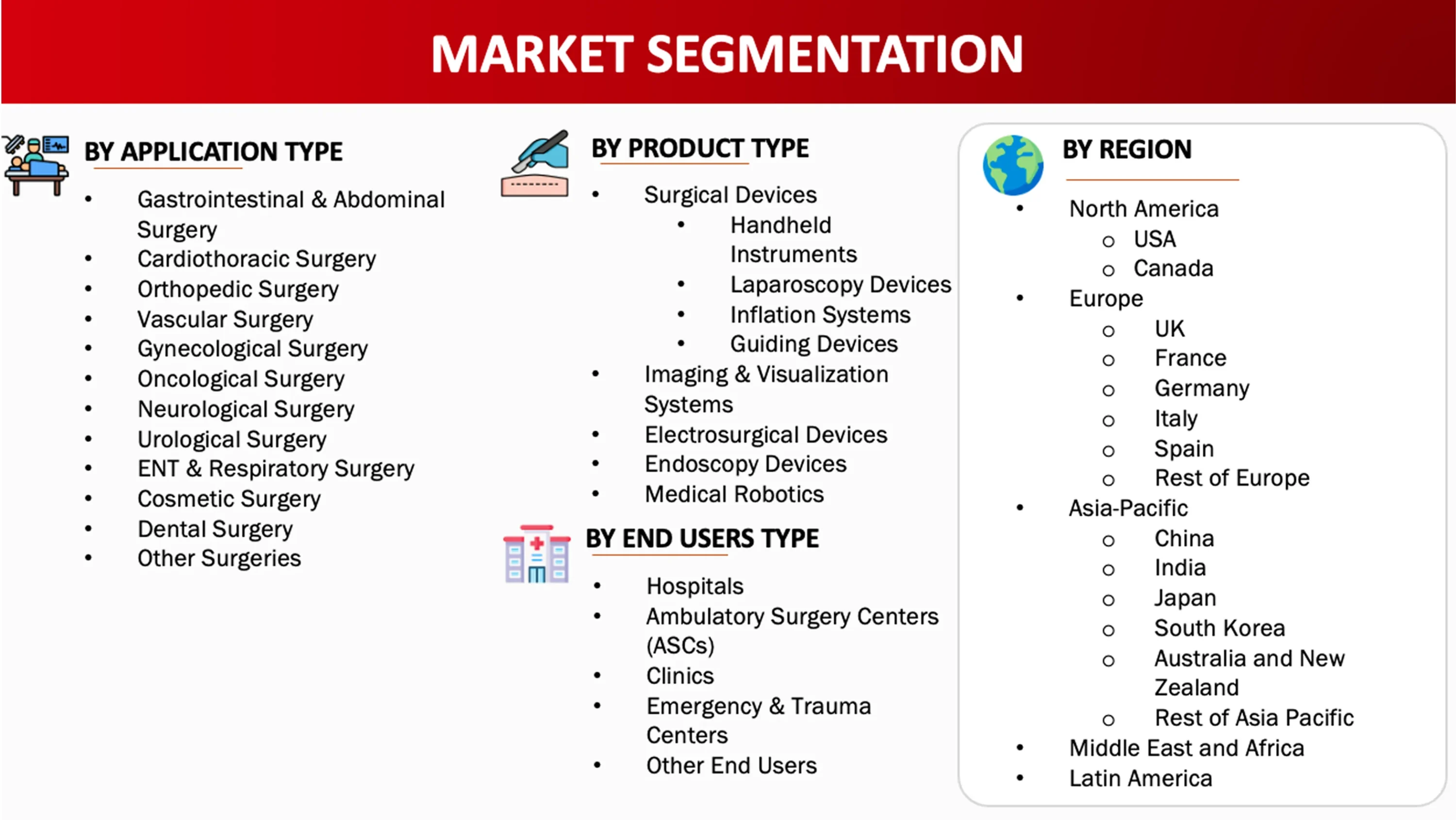
Breakdown by product type, by application type, by end users type, by region.

Regional Insights:
Key regional trends and growth opportunities

Future Outlook:
Strategic insights and future market direction
Research Methodology
The study of the global minimally invasive surgery market is based on a combination of primary and secondary research methodologies, supported by data validation, surgical device and technology mapping, procedure-volume analysis, medical equipment installation and utilization assessment, company revenue and product-portfolio analysis, regulatory approval assessment, surgical application analysis, hospital and ambulatory surgical center demand evaluation, reimbursement analysis, clinical adoption assessment, competitive benchmarking, and analytical modelling to ensure accuracy and reliability.
Market Definition: Minimal Invasive Surgery Market
The global minimally invasive surgery market comprises medical devices, equipment, instruments, systems, and associated products used to perform surgical procedures through small incisions, natural body openings, or image-guided access routes, minimizing tissue disruption compared with conventional open surgery. The market covers surgical devices, including handheld instruments, laparoscopic devices, inflation systems, guiding devices, imaging and visualization systems, electrosurgical devices, endoscopy devices, and medical robotics.
The market includes products used across gastrointestinal and abdominal surgery, cardiothoracic surgery, orthopedic surgery, vascular surgery, gynaecological surgery, oncological surgery, neurological surgery, urological surgery, ENT and respiratory surgery, cosmetic surgery, dental surgery, and other minimally invasive surgical applications. End users include hospitals, ambulatory surgery centers (ASCs), clinics, emergency and trauma centers, and other healthcare facilities. Conventional open surgical instruments, diagnostic-only imaging equipment, non-surgical medical devices, and unrelated therapeutic equipment are excluded unless specifically designed for or directly integrated into minimally invasive surgical procedures.
Key Stakeholders
The global minimally invasive surgery market involves a broad ecosystem of stakeholders:
- Minimally Invasive Surgical Device Manufacturers
- Robotic-Assisted Surgery System Manufacturers
- Laparoscopic Equipment and Instrument Manufacturers
- Endoscopy Equipment Manufacturers
- Surgical Imaging and Visualization System Providers
- Electrosurgical and Energy-Based Device Manufacturers
- Surgical Consumables and Accessories Manufacturers
- Hospitals and Multispecialty Healthcare Networks
- Ambulatory Surgery Centers (ASCs)
- Specialty Surgical Clinics
- Surgical Training and Simulation Centers
- Healthcare Distributors and Medical Device Suppliers
Key Objectives of the Study
- To define, describe, analyze, segment, and forecast the minimal invasive surgery market by product, by applications, and end-use users.
- To describe and forecast the market for five key regions: North America, Europe, Asia Pacific, Latin America, Middle-East & Africa
- To provide detailed information regarding key drivers, restraints, opportunities, and challenges influencing market growth
- To strategically analyze the micro indicators with respect to individual growth trends, prospects, and contributions to the overall market size
- To analyze opportunities for stakeholders in the minimal invasive surgery industry and emphasize on competitive landscape of the market
- To develop competitive benchmarking of the key market players based on technology specifications and end user
- To strategically profile key players and comprehensively analyze their product portfolio offerings, and core competencies
- To analyze competitive developments, such as launches and approvals, agreements, mergers and acquisitions, partnerships, joint ventures, investments and expansions, and collaborations, minimal invasive surgery domain
Need deeper insights on this market?
Get full report access with detailed forecasts, competitive analysis, and segmentation.
Research Approach
This research employs a systematic approach by using primary research along with secondary research to achieve full coverage and accuracy of information about the minimal invasive surgery sector. Through this approach, the current market trends in terms of consumer behaviour, technological developments, and competitive environment can be analysed thoroughly.
Secondary Research
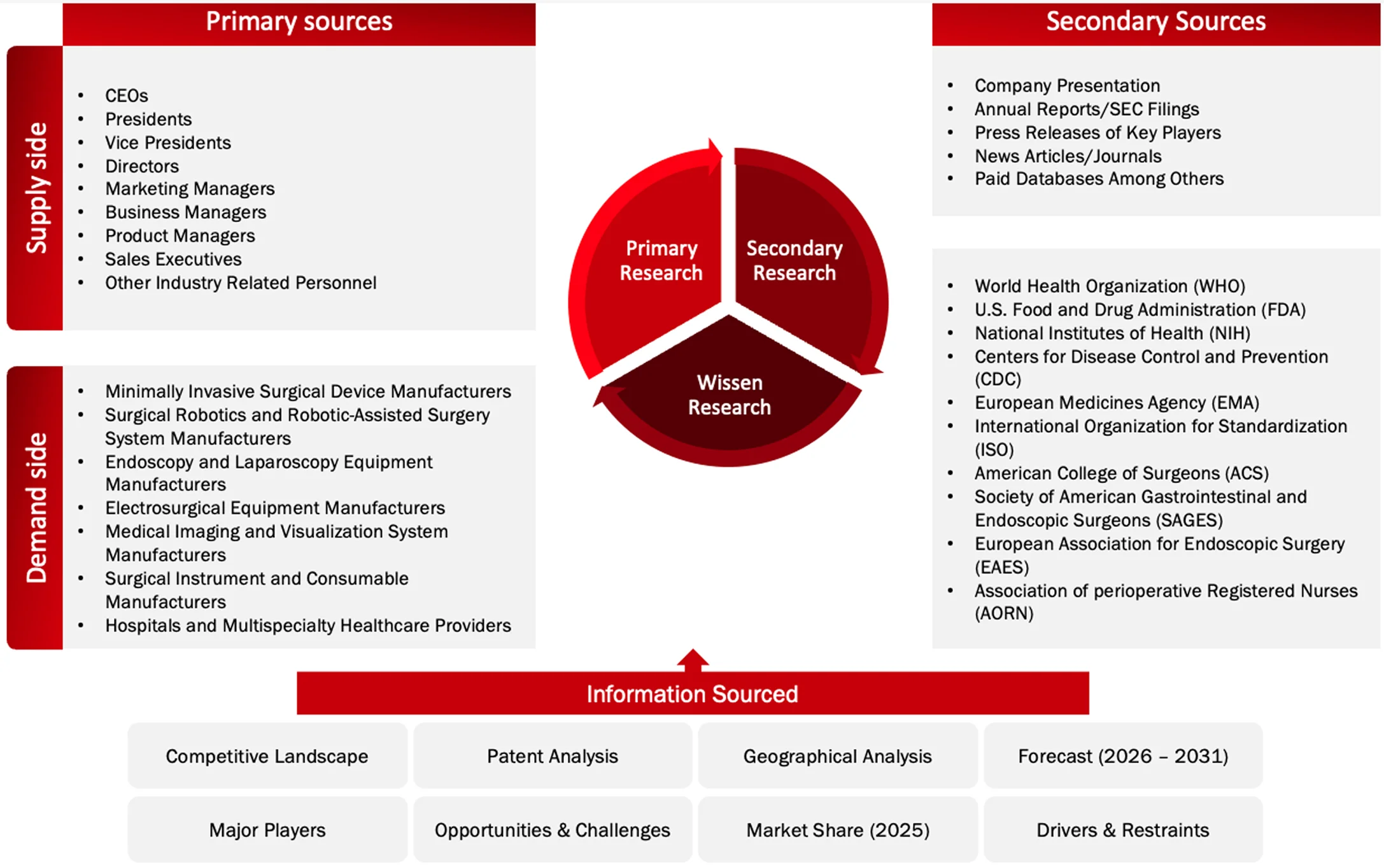
Secondary research involves the collection of data from reliable sources such as industry databases, company annual reports, investor presentations, and regulatory filings. This process helps in understanding market trends, identifying key players, and gathering technical and commercial insights.
A comprehensive database of leading companies and market participants is developed through secondary research to support further analysis.
Primary Research
Primary research is conducted to validate findings from secondary research and to gain deeper insights into market dynamics. Interviews are carried out with industry stakeholders across both demand and supply sides, including executives such as CXOs, Vice Presidents, and Directors from business development, marketing, and product teams.
Data is collected through structured questionnaires, email interactions, and telephonic interviews across key regions including North America, Europe, Asia-Pacific, and Rest of the World.
Market Size Estimation
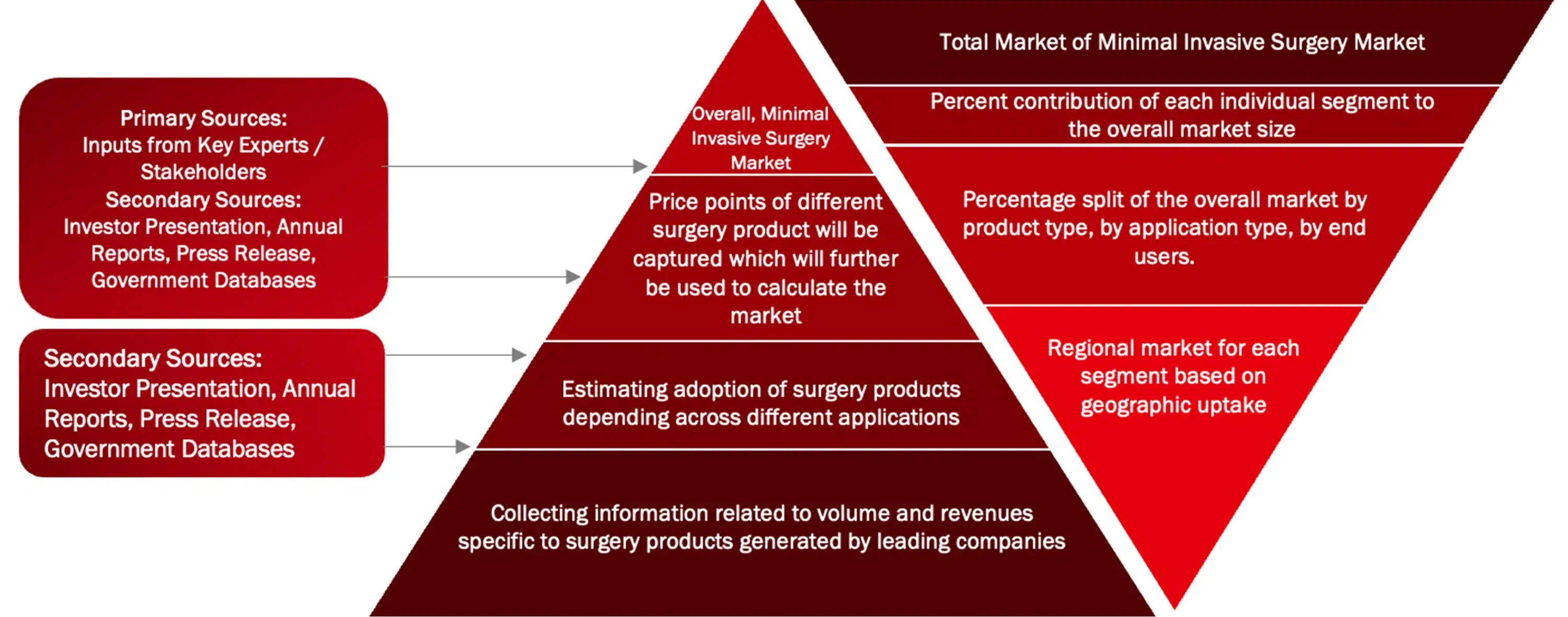
Market size estimation is performed using both top-down and bottom-up approaches. Key market players are identified, and their revenues are analysed to estimate the overall market size.
The market is further segmented based on:
- Product and service mapping across regions
- Adoption patterns across key application segments
- Insights gathered through primary and secondary research
Data Validation and Research Design
After estimating the overall market size, the data is validated using triangulation methods and market breakdown techniques to ensure accuracy and consistency. Both demand-side and supply-side factors are considered to refine the analysis.
The final data is validated through multiple sources to ensure reliability and to provide accurate insights across all market segments and regions.
Assumptions of the Study
The analysis of the minimal invasive surgery market is based on the following key assumptions:
- Trends in the industry are drawn from historical data and current information within the sector
- The future outlook is underpinned by constant economic conditions in the absence of shocks to the market
- The rate of adoption for minimal invasive surgery will rise steadily in all important regions
- The income statement and market share figures are estimated using available information from the industry and publicly available data
- The exchange rate and price trends will not be greatly affected during the forecast period
Scope and Limitations
Scope of the Study
This report offers an exhaustive overview of the international minimal invasive surgery market and includes the following components:
- Summary of market size, growth trends, and projections
- Carefully segmented market based on by product, by applications, and end-use users.
- Discussion of primary factors influencing the market
- Competitor analysis
- Insights into regional and national market performance
Limitations of the Study
Despite the best efforts being made to keep the results accurate, the study does suffer from some limitations:
- It has been done using both primary and secondary data that come with their own constraints
- Rapid developments in technology might affect the future course of market dynamics
- Some figures are only approximations due to lack of public disclosure
- The report is not an insurance against any disruptions in macroeconomics and geopolitics
- Future forecasts are indicative and subject to change due to altered industry dynamics
Data Triangulation and Market Breakdown
Data triangulation involved the combination of primary research, secondary research, and the Wissen Research analysis. Once the data points were sourced from the secondary market research, we sanitized the data points to make the market sizing and growth forecast more accurate by developing our own assumptions based on the inputs and insights we gather through the primary interviews with the industry experts. Once the data was thoroughly validated through primary interviews from both, demand and supply side of the market, our team of analyst and other team members involved finalized the market sizing and growth forecast.
Data Triangulation Methodology
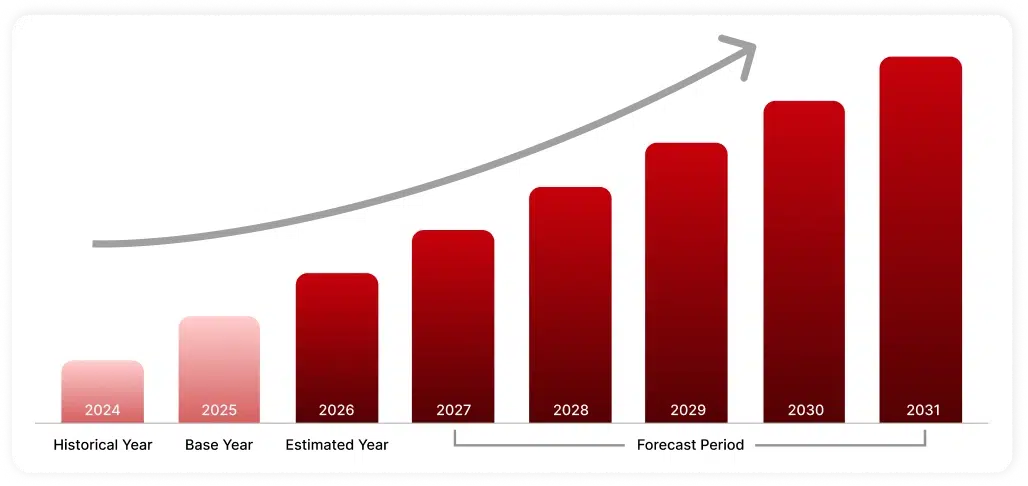
Year Framework
Bottom-Up Approach (Demand Side) And Top-Down Approach (Supply Side)
Bottom-Up Approach (Demand-Side Approach):
Determining the market size through the consolidation of demand among end-users, sectors, and geographic areas, which are calculated according to real-world demand conditions.
Top-Down Approach (Supply-Side Approach):
Calculating the market size through revenue and performance of the industry and its important companies, allocating the market size among various sectors.
Want detailed insights from this report?
Buy this Report
Choose the option that best fits your needs