
Agrochemical Market
Global Industry analysis, Size, Share, Growth, Trends, and Forecast 2026-2031
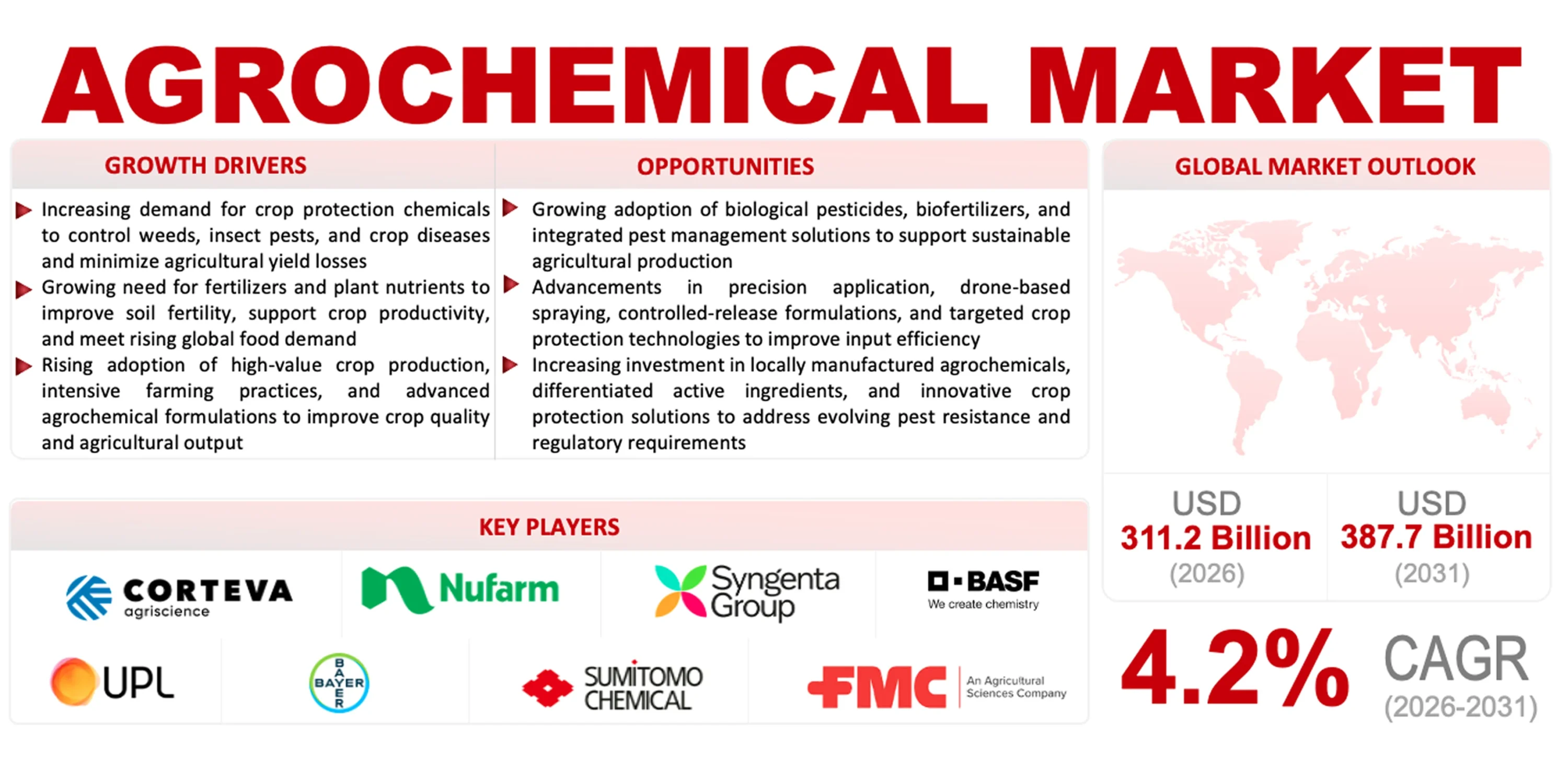
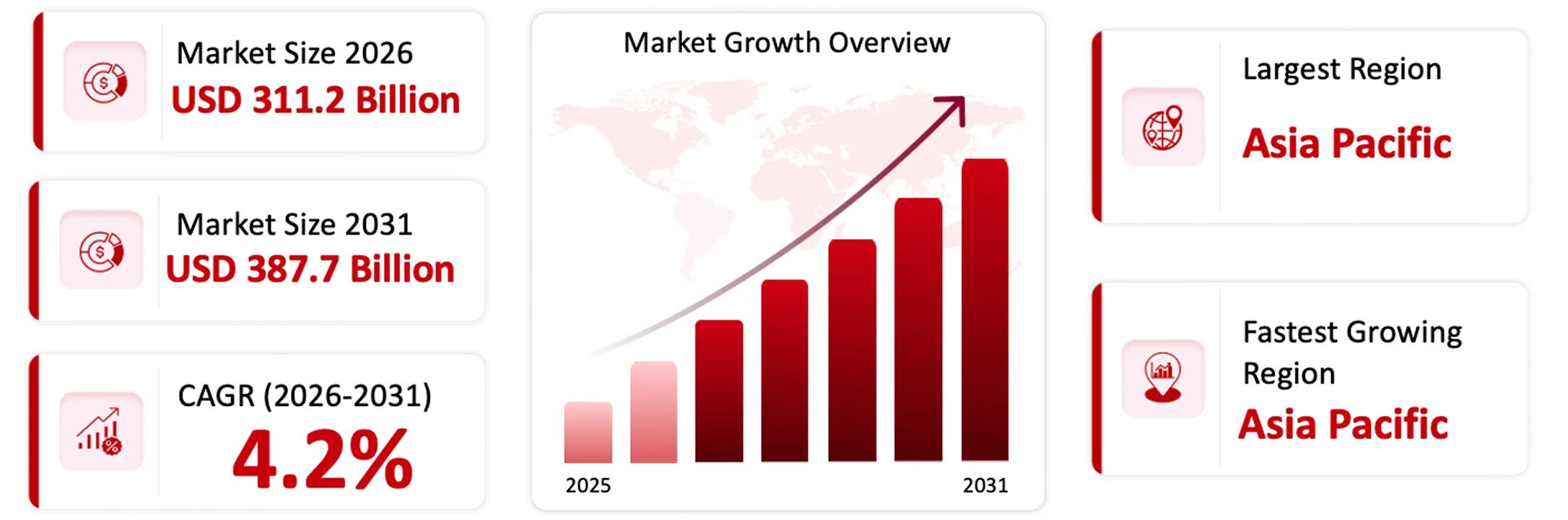
The global agrochemical market is projected to reach USD 387.7 billion by 2031, growing at a CAGR of 4.2 % during the forecast period (2026-2031).
| Market Size (2026) | Forecast (2031) | CAGR (2026–2031) | Leading Region | Fastest Growing Region |
|---|---|---|---|---|
| USD 311.2 Billion | USD 387.7 Billion | 4.2 % | Asia-Pacific | Asia Pacific |
Summarize this report with:



Global Agrochemical Market Overview
“In my view, the world’s agrochemical market is changing, as the use of crop protection chemicals, fertilizers, and special agricultural ingredients is becoming more widespread among farmers. The growing demand is linked to improving agricultural practices that are aimed at increasing crop yield and minimizing losses from weeds, parasites, and diseases. FAO provides statistical data indicating that agricultural pesticides were used in the amount of 3.92 million tons of active ingredients in 2024, which is a 5% increase compared to 2023. However, the environmental policies, pesticide residue requirements, and problems associated with chemical resistance stimulate the manufacturers to develop biological products for crop protection.”
– Mayur Jain, Research Consultant, Wissen Research
The market is estimated to be USD 311.2 billion in 2026 and is projected to reach USD 387.7 billion by 2031, growing at a CAGR of 4.2 % during the forecast period (2026-2031).
Technology Overview
The agrochemical sector is experiencing changes as a result of technological innovations in areas such as market solutions and chemical formulation, precision crop protection, and molecular developments. Innovations in formulations, such as suspension concentrates and water-dispersible granules, guarantee stability of products and improved efficiency of application. Technological advances like the use of agricultural spraying drones and targeted application techniques facilitate the process of pesticide application and lower unwanted effects. In addition, biological pesticides derived from microorganisms, plant extracts, and other natural substances are becoming more popular due to wider possibilities in the field of crop protection. There is also an appearance of RNA interference-based pesticides, which represent a new method for pest control through gene silencing. Technologies mentioned above could lead to the development of new unique products, but it is important to understand that efficiency and regulatory acceptance in practice are also essential factors.
Key Growth Drivers
- Increasing pest infestations and fungal disease outbreaks compel farmers to apply herbicides, insecticides, and fungicides to protect crop yields, prevent quality deterioration, and minimize harvest losses.
- Large-scale farming operations require efficient weed control across extensive acreage. Herbicides reduce dependence on manual weeding and support timely field preparation where agricultural labor availability and costs constrain conventional methods.
- Invasive pests, including fall armyworm, create additional crop protection requirements when they spread into previously unaffected growing regions, prompting farmers to adopt targeted insecticides and integrated pest management solutions.
- Repeated use of identical active ingredients can select resistant weeds, insects, and pathogens, reducing treatment effectiveness. Farmers consequently require alternative modes of action and rotation strategies, sustaining demand for differentiated crop protection products.
- Fruit, vegetable, and export-oriented crop producers must control insects, fungal infections, and blemishes that reduce saleable yields or cause shipment rejections, supporting demand for crop-specific fungicides and insecticides.
- Integrated crop protection programs combine field monitoring, pest thresholds, biological controls, and selective pesticides. These approaches create demand for targeted chemical treatments and complementary biological products to manage infestations more effectively.
Agrochemical Market Key Highlights
Need deeper insights on this market?
Get full report access with detailed forecasts, competitive analysis, and segmentation.
Agrochemicals Market Trends
The agrochemical industry on an international level is beginning to embrace biological pesticides, bio-stimulants, and formulations that reduce traces of hazardous materials. Furthermore, precision farming techniques such as drone spraying and improved application methods are promoting effective application of pesticides. Companies in the industry have started developing crops with particular formulations and alternative active ingredients for pesticide resistance control and compliance with fast-changing regulatory requirements. The emergence of nano-agrochemicals is believed to offer targeted delivery solutions, albeit in limited commercial use. Integrated pest management (IPM) combines chemical means, biological control, and monitoring. While that is going on, horticulture and export agriculture is increasingly seeing demand for specialized products since quality and residue compliance are key factors influencing purchasing decisions.
Growing Adoption of Biological Crop Protection Products
The global agrochemical market is seeing increasing development of biological crop protection products, including microbial pesticides, botanical pesticides, and biochemical agents, as manufacturers expand beyond conventional synthetic chemistries. The U.S. Environmental Protection Agency (EPA) maintained an updated register of biopesticide active ingredients, with new entries registered in 2025 and 2026, including Beauveria bassiana strain BW149, Pepino mosaic virus strains, and Priestia megaterium strain SYM36613. The EPA also reported proposed registrations and new-use applications for microbial and biochemical products during 2026, reflecting continued product development and regulatory activity. These developments are creating opportunities for agrochemical manufacturers to diversify portfolios, develop targeted pest-management solutions, and integrate biological products into crop protection programs.
Increasing Adoption of Precision Agrochemical Application Technologies
The introduction of precision application technologies, most notably agricultural drones for spraying, is transforming the way crop protection solutions are being applied. The Indian Council of Agricultural Research (ICAR) made a claim saying that agricultural drones were capable of spraying products within merely 7-8 minutes per acre during crop protection demonstrations, thus proving their effectiveness in handling the work. Meanwhile, research undertaken in 2024 has unveiled a connection between the usage of unmanned aerial vehicles for the purpose of plant protection, and a decrease in pesticide use intensity of around 24.9% in rice production among 455 farming households located in Jiangxi Province of China. Therefore, the findings show that precision spraying may improve field work and minimize pesticide usage. The trend creates opportunities for formulations, special equipment, and services, despite the variations in the results based on crop and conditions for application.
Key Players in the Agrochemical Market
Leading companies in the global agrochemical market are focusing on crop protection chemicals, fertilizers, biological crop protection products, advanced formulations, and expanded manufacturing and distribution networks. Competition is shaped by product portfolio breadth, active ingredient development, manufacturing capabilities, regulatory approvals, farmer relationships, and access to agricultural markets across major crop-producing regions.








Strategic Activities Within the Agrochemical Market
Bayer Crop Science (Germany) collaborated with Switch Bioworks (U.S.) to develop biological nitrogen-fixation products using genetically engineered microbes designed to produce nitrogen on plant roots. The collaboration combined Bayer’s formulation, field-testing, and commercialization capabilities with Switch Bioworks’ programmable biology technology. Field trials were underway across the U.S. Midwest to evaluate performance.
Syngenta Group (Switzerland) partnered with Kyoyu Agri Co., Ltd. (Japan) to commercialize Cyclopyranil-based herbicides across selected Asian rice markets. The herbicide offered broad-spectrum weed control, including resistant weeds, through a novel Group 14 mode of action. The collaboration aimed to expand weed-management options and help rice farmers protect crop yields.
BASF SE (Germany) received U.S. Environmental Protection Agency registration for Ridivex herbicide, a three-active-ingredient solution designed for post-emergence weed control in corn. Planned for launch in 2027, the product offered rapid weed knockdown and residual control for up to eight weeks, addressing resistant weeds and supporting crop-yield protection.
Corteva, Inc. (U.S.) approved the distribution of Vylor Inc., its seed and genetics business, as an independent publicly traded company. The separation involved distributing one Vylor share for each Corteva share held by eligible shareholders, with regular trading expected to begin on October 1, 2026.
Agrochemical Market Insights
The agrochemical industry all around the world benefits from the stable demand for crop protection products and agricultural nutrients that serve as the basis for a high volume of crop production. The development of this industry indirectly gets affected by factors such as pressure from pests and diseases, weed control needs, replenishing of nutrients in the soil, as well as the rise of commercial agriculture. The demand for agrochemicals depends on the crop mix, climatic conditions, prices for crops, and farmers’ purchasing capacity of agrochemical products. It is worth stating that producers are focused on expanding their product range by using biological methods of protecting crops, innovative formulations, and specialized products used in agribusiness.
Basically, agrochemicals are used in crop protection for all types of crops and plants harvested across wheat, oil crops, fruits, vegetables, and tropical crops. Herbicides are used for weed control against plants competing for resource intake by crops in water, nutrients, and light. Pesticides kill harmful pests. Fungicides, meanwhile, protect crops from pathogens, while fertilizers provide the necessary nutrients, including nitrogen, phosphorus, and potassium, to promote crop development. Seed treatment protects plants from adverse conditions at the beginning of their growing period. Different types of crop production require different protection approaches to maintain crops in the best condition. Modes of agrochemical use and application patterns vary by crop type, temperatures, pest control techniques, and farming practices.
Agrochemical producers can benefit from biological plant protection technologies, alternative formulations, and precision application methods that allow them to produce unique products. Biological pesticides can operate alongside traditional chemicals in integrated pest management, and resistance management will be achieved through alternative modes of action. Agricultural spraying drones and other targeted applications will create a need for appropriate formulations and application solutions. Emerging agricultural markets provide an opportunity to enhance the availability of crop protection products via local distribution networks, farmer education, and specific solutions to different crops. Additionally, differentiation can be reached through seed treatments for and specific products for high-value crops. Achievements will be based on proven field efficacy, marketable pricing, compliance with regulations, and provision of unwavering technical support to farmers.
The agrochemical industry faces stricter regulations regarding the safety of pesticides, their environmental residues, persistence, and impact on non-target organisms. Manufacturers might be required to adjust their product formulations, produce new safety data, and follow approval guidelines in different areas in the event of restrictions on the use of a certain active substance. Pesticide resistance also decreases the effectiveness of the active ingredients used regularly, which increases the demand for alternative methods of pest control. Farmers’ decisions on their purchases are influenced by various factors, including costs of inputs and harvesting, prices of crops, and seasonal income in areas with limited credit opportunities. Improper application of herbicides and sale of counterfeit products create additional risks affecting the efficiency of pesticides used and the safety of farmworkers and the environment that makes it imperative for farmers to observe necessary regulations and guarantee their compliance.
Asia-Pacific is regarded as an important region of the worldwide agrochemical market, owing to its large-scale agricultural activities as well as its different practices and requiring crop protection and plant nutrition products. As per the FAO statistics, in 2024, Asia used approximately 1.06 million tonnes of pesticides which is a significant proportion of overall agricultural pesticide consumption globally. China, India, Indonesia and Vietnam are important agricultural markets where rice, cereals, oilseeds and vegetables make a demand for herbicides, insecticides, fungicides and fertilizers.
Agrochemical Market Dynamics
Drivers: Increasing Crop Loss Prevention Requirements from Pest and Disease Pressure
- Farmers apply herbicides, insecticides, and fungicides to protect crop yields from weeds, insects, and diseases, creating recurring demand for crop protection products across major agricultural systems.
- The Food and Agriculture Organization (FAO) reported global agricultural pesticide use of 3.92 million tonnes of active ingredients in 2024, an increase of 5% from 2023 and 18% over the preceding decade.
- Demand is reinforced by the need to protect both harvest volumes and crop quality, particularly where pest damage can reduce the proportion of produce meeting commercial or export specifications.
- This driver is important because pest pressure creates a direct, recurring need for crop protection treatments, although actual pesticide demand varies with weather, crop type, infestation severity, and farmers’ ability to afford inputs.
Opportunities: Expansion of Biological Crop Protection Products
- Growing pipeline of biological active ingredients: The U.S. Environmental Protection Agency (EPA) listed newly registered biopesticide active ingredients from 2024–2026, including microbial strains, botanical substances, and other biological or biochemical agents, demonstrating continued product-development activity.
- Opportunities in microbial pesticides: The EPA recognizes microbial pesticides based on bacteria, fungi, viruses, and other microorganisms. These products can target specific pests and provide manufacturers with opportunities to develop differentiated solutions for crop-specific protection.
- Integration with conventional crop protection: The EPA identifies biopesticides as components of integrated pest management programs, where they can complement conventional pesticides. This creates opportunities for manufacturers to offer combined crop protection portfolios rather than relying exclusively on synthetic chemistries.
- Potential for shorter registration timelines in the United States: The EPA states that new biopesticides are often registered in less than one year, compared with an average of more than three years for conventional pesticides. This can support faster product development, although timelines depend on the product and regulatory requirements.
- Product differentiation through specialized formulations: Manufacturers can develop biological solutions for specific crops, pests, and disease conditions. The EPA’s biopesticide registration listings include products targeting particular organisms and crop groups, illustrating opportunities for specialized product development.
Challenges: Increasing Regulatory Scrutiny and Compliance Requirements
- Mandatory active-ingredient assessments: In the European Union, plant protection active substances undergo approval and renewal procedures under Regulation (EC) No. 1107/2009. Manufacturers must maintain supporting safety and regulatory documentation to retain market access.
- Long-term regulatory planning requirements: The European Commission requires renewal applications to be submitted no later than three years before an active substance’s approval expires under the applicable renewal procedure. This increases the need for advance planning and timely preparation of regulatory dossiers.
- Restrictions arising from health and environmental assessments: The EPA evaluates proposed pesticide registrations for potential risks to human health and the environment, including pesticide residues in food and feed. These requirements can necessitate additional studies, product modifications, or restrictions on approved uses.
- Compliance requirements across different jurisdictions: Agrochemical manufacturers operating internationally must address differing registration procedures, approved uses, and product-label requirements. These differences increase the complexity of launching and maintaining the same active ingredient or formulation across multiple markets.
- Commercial exposure from approval uncertainty: The European Union’s renewal framework allows active-substance approvals to be renewed for periods not exceeding 15 years, depending on the substance and applicable requirements. Unsuccessful renewal can affect products dependent on that active ingredient, creating portfolio-management and reformulation pressures.
Technology and Market Insights
The agricultural chemicals market is moving towards biological pesticides, RNA crop protection, advanced formulations, and precision application technology. The Food and Agriculture Organization (FAO) has singled out the RNA method among others such as peptides and nanotechnology as different techniques that can be used to boost plant health and suppress plant diseases. At the same time, at the moment, the U.S. Environmental Protection Agency (EPA) is assessing both microbes and pesticides made through the biochemical process, which allows the company to offer innovative products that are different from the traditional chemical pesticide products. Precision spraying and integrated pest management are also getting more attention as manufacturers and farmers are looking for targeted application and better resistance management systems. These innovations will help boost investments in technologically advanced products, although factors such as field efficiency, regulatory approval, and product cost effectiveness will still matter.
Technology Scope and Products
Agrochemical Market Segmentation
Want detailed insights from this report?
Competitive Landscape and Market Segments Insights
• The global pesticide market is concentrated among a small group of multinational suppliers: Syngenta Group, Bayer AG, BASF SE, and Corteva, Inc. collectively accounted for 56% of commercial pesticide sales in 2024, indicating strong competitive pressure on smaller manufacturers.
• Syngenta Group (Switzerland) reported $13.7 billion in crop protection sales in 2025, up 4% year-on-year, supported by higher-value products and branded formulations. Its portfolio spans herbicides, fungicides, insecticides, seed treatments, and biological solutions, enabling competition across multiple crop-protection categories.
• Bayer AG (Germany) generated €21.6 billion in Crop Science sales in 2025, with corn seed sales increasing 13.2% and herbicide sales remaining broadly stable. Its combined seeds and crop protection portfolio strengthens competition across major row crops.
• BASF SE (Germany) competes across herbicides, fungicides, insecticides, seed treatments, and biological solutions. Its broad crop protection portfolio enables it to serve both large-scale cereal and soybean production and higher-value specialty crops, where disease control and formulation performance influence product selection.
• Corteva, Inc. (U.S.) competes through an integrated portfolio of crop protection products, seeds, and crop traits. Its position across chemical protection and seed technologies enables it to offer crop-specific solutions, particularly in corn and soybean production, where weed control and resistance management are important purchasing considerations.
• UPL Limited (India) operates across more than 140 countries, with 43 crop protection manufacturing sites and 57 crop protection research and development centres, according to its FY2026 company factsheet. This manufacturing and distribution reach supports competition in branded formulations, off-patent chemistries, and biological crop protection.
Continued fertilizer-use recovery: The International Fertilizer Association (IFA) reported that global fertilizer use recovered for a second consecutive year in fertilizer year 2024/25, reflecting renewed demand for crop nutrients following earlier affordability-driven declines.
-
Demand across major nutrient categories: Global nitrogen, phosphate, and potash consumption reached 121.5 million, 49.6 million, and 41.9 million tonnes, respectively, in fertilizer year 2024/25, according to IFA.
-
Nitrogen remained the dominant nutrient: Nitrogen accounted for approximately 57% of combined nitrogen, phosphate, and potash consumption in fertilizer year 2024/25, based on IFA’s reported figures.
-
Broad agricultural demand: Fertilizers remained essential inputs for maintaining soil nutrient availability, supporting crop development, and sustaining yields across major crop-producing regions.
-
Continued demand across fertilizer categories: IFA reported increased consumption of nitrogen, phosphate, and potash in 2024/25, indicating broad-based demand for the three principal fertilizer nutrients.
Largest nutrient category by volume: IFA reported nitrogen consumption of 121.5 million tonnes in fertilizer year 2024/25, compared with 49.6 million tonnes of phosphate and 41.9 million tonnes of potash, establishing nitrogen’s leading position by nutrient volume.
-
Majority share of the three principal nutrients: Nitrogen represented approximately 57% of combined nitrogen, phosphate, and potash consumption in 2024/25, based on IFA’s reported figures.
-
Continued annual growth: IFA reported that nitrogen consumption increased by 5% in 2024/25, compared with 6% growth for phosphate and 11% for potash. Nitrogen remained the largest nutrient category despite the faster growth of the other two nutrients.
-
Large global nitrogen demand: Nutrien estimated global nitrogen demand at approximately 167 million metric tonnes in 2025, supporting the continued importance of nitrogen-based fertilizers in agricultural nutrient supply.
-
Support from established production and supply networks: Nitrogen fertilizers serve major crop-producing markets worldwide, while companies such as CF Industries Holdings, Inc. (U.S.) specialize in nitrogen products. This established commercial supply base supports nitrogen’s importance in global fertilizer markets.
East Asia drove global nutrient-demand growth: IFA reported that East Asia accounted for 54% of the global increase in nitrogen use, 88% of phosphate-use growth, and 63% of potash-use growth in fertilizer year 2024/25.
-
China contributed significantly to regional demand: China accounted for all the growth in East Asian nitrogen use, nearly 70% of the region’s phosphate-use increase, and half of its potash-use increase in 2024/25, according to IFA.
-
Strong projected regional growth: IFA’s 2025 outlook projected East Asia to contribute 26% of the global increase in fertilizer consumption between fertilizer years 2023/24 and 2025/26, with South Asia contributing 19%.
-
Government support for agricultural production: IFA identified government support for agricultural production and fertilizer use, alongside fertilizer export restrictions, as factors supporting China’s fertilizer-demand growth in 2024/25.
-
Large agricultural input markets: China and India are important crop-producing economies within Asia, creating substantial requirements for fertilizers and crop-protection products. IFA’s reported nutrient-consumption growth in East Asia and its projected contribution from South Asia provide measurable evidence of regional fertilizer demand.
What This Report Covers-
This report provides a comprehensive analysis of the agrochemical market, offering insights into key trends, growth drivers, challenges, and future opportunities. It is designed to support strategic decision-making through a combination of quantitative data and qualitative analysis.
Specifically, the report covers:

Market Overview & Definition:
Overview of the market scope, structure, and key terminology

Market Size & Forecast:
Historical data and future projections across key segments and regions

Key Market Trends:
Insights into emerging trends, technological advancements, and evolving demand patterns

Drivers, Restraints & Opportunities:
Analysis of key factors influencing agrochemical market growth

Competitive Landscape:
Overview of major players, their strategies, and recent developments

Detailed Patent Analysis:
This includes, top assignees, geography focus of top assignees, legal status, technology evolution, key patents and patent trends and innovations

Segmentation Analysis:
Breakdown by product type, by fertilizers type, by crops type, by pesticides type, by Region type

Regional Insights:
Key regional trends and growth opportunities

Future Outlook:
Strategic insights and future market direction
Research Methodology
The study of the global agrochemical market is based on a combination of primary and secondary research methodologies, supported by data validation, crop protection product and formulation mapping, active ingredient assessment, fertilizer and plant nutrient analysis, crop-wise demand assessment, pesticide consumption analysis, agricultural production evaluation, company revenue and product portfolio analysis, manufacturing capacity assessment, regulatory and policy evaluation, biological crop protection assessment, distribution channel analysis, end-user adoption analysis, competitive benchmarking, and analytical modelling to ensure accuracy and reliability.
Market Definition: Agrochemical Market
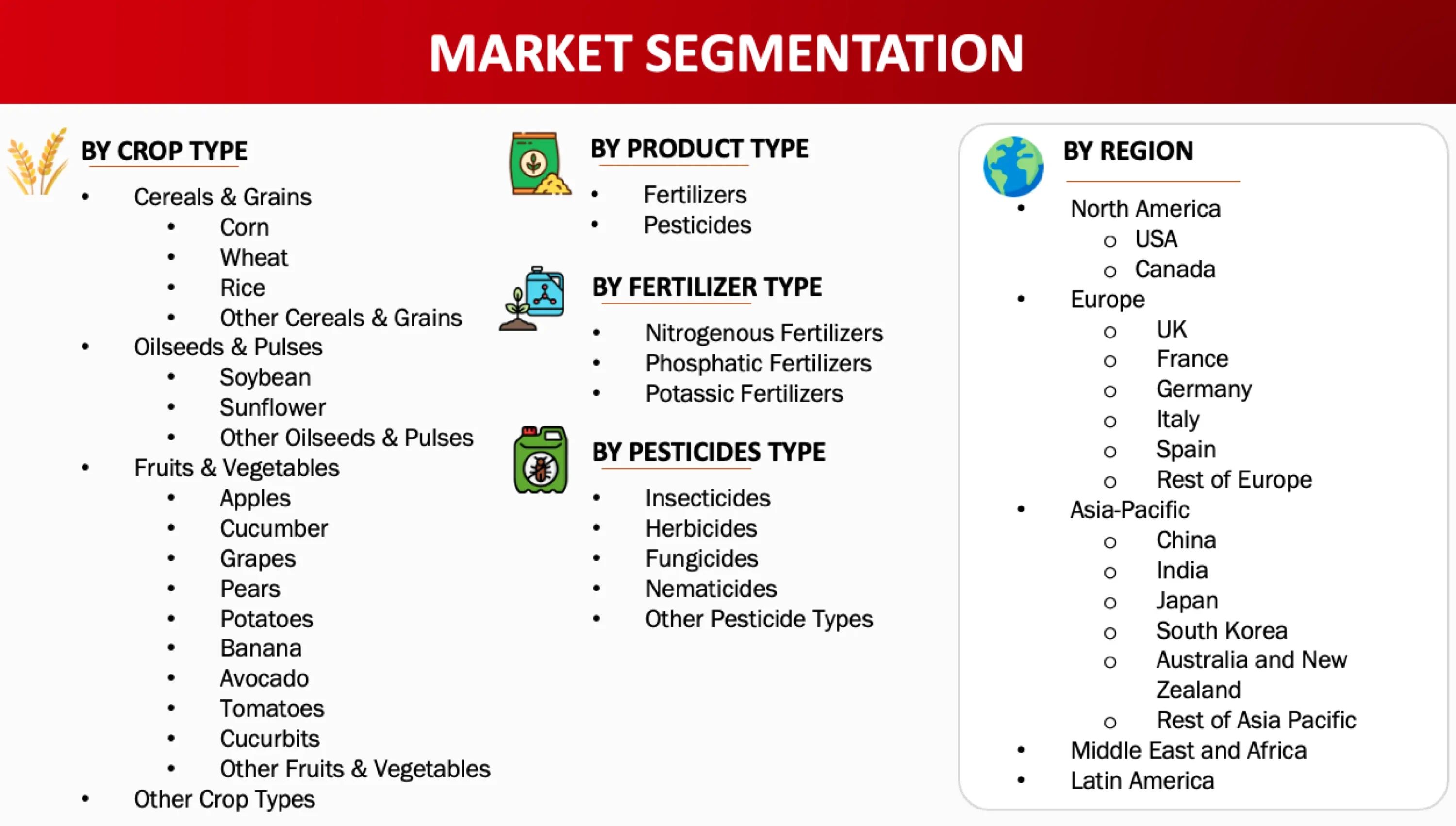
The global agrochemical market comprises fertilizers and pesticides used to improve crop nutrition, protect crops from weeds, insects, diseases, and other pests, and support agricultural productivity. The market covers fertilizers, including nitrogenous fertilizers such as ammonia, calcium ammonium nitrate, urea, ammonium nitrate, and ammonium sulphate; phosphatic fertilizers such as diammonium phosphate (DAP), monoammonium phosphate (MAP), and triple superphosphate (TSP); and potassic fertilizers such as potassium chloride and potassium sulphate. The pesticide segment includes insecticides, herbicides, fungicides, nematicides, and other pesticide types.
The market is segmented by crop type into cereals and grains, oilseeds and pulses, fruits and vegetables, and other crop types. Cereals and grains include corn, wheat, rice, and other cereals and grains; oilseeds and pulses include soybean, sunflower, and other oilseeds and pulses; and fruits and vegetables include apples, cucumber, grapes, pears, potatoes, banana, avocado, tomatoes, cucurbits, and other fruits and vegetables. The market assessment covers the sales and demand for these fertilizer and pesticide categories across the specified crop types.
Key Stakeholders
The global agrochemical market involves a broad ecosystem of stakeholders;
- Crop Protection Chemical Manufacturers
- Fertilizer Manufacturers
- Biological Crop Protection Product Manufacturers
- Agrochemical Active Ingredient Manufacturers
- Agrochemical Formulation Manufacturers
- Specialty Fertilizer and Micronutrient Manufacturers
- Seed Treatment Product Manufacturers
- Plant Growth Regulator Manufacturers
- Agrochemical Intermediates and Chemical Suppliers
- Agrochemical Distributors and Wholesalers
- Agricultural Input Retailers and Dealers
- Commercial Farmers and Plantation Operators
Key Objectives of the Study
- To define, describe, analyze, segment, and forecast the agrochemical market by product type, by fertilizers type, by crops type, by pesticides type.
- • To describe and forecast the market for five key regions : North America, Europe, Asia Pacific, Latin America, Middle East and Africa
- To provide detailed information regarding key drivers, restraints, opportunities, and challenges influencing market growth
- To strategically analyze the micro indicators with respect to individual growth trends, prospects, and contributions to the overall market size
- To analyze opportunities for stakeholders in the agrochemical industry and emphasize on competitive landscape of the market
- To develop competitive benchmarking of the key market players based on technology specifications and end user
- To strategically profile key players and comprehensively analyze their product portfolio offerings, and core competencies
- To analyze competitive developments, such as launches and approvals, agreements, mergers and acquisitions, partnerships, joint ventures, investments and expansions, and collaborations, agrochemical domain
Need deeper insights on this market?
Get full report access with detailed forecasts, competitive analysis, and segmentation.
Research Approach
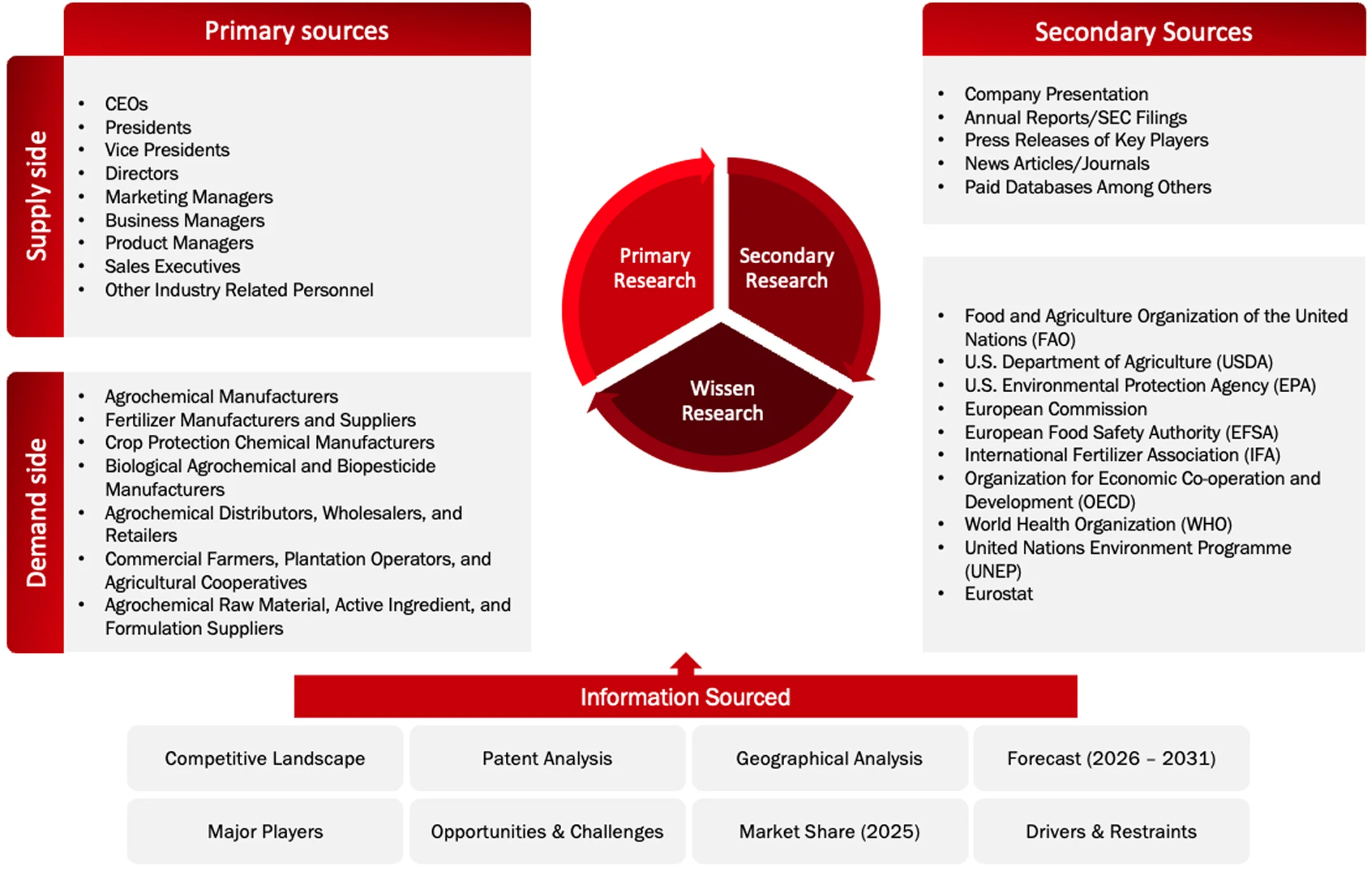
This research employs a systematic approach by using primary research along with secondary research to achieve full coverage and accuracy of information about the agrochemical sector. Through this approach, the current market trends in terms of consumer behaviour, technological developments, and competitive environment can be analysed thoroughly.
Secondary Research
Secondary research involves the collection of data from reliable sources such as industry databases, company annual reports, investor presentations, and regulatory filings. This process helps in understanding market trends, identifying key players, and gathering technical and commercial insights.
A comprehensive database of leading companies and market participants is developed through secondary research to support further analysis.
Primary Research
Primary research is conducted to validate findings from secondary research and to gain deeper insights into market dynamics. Interviews are carried out with industry stakeholders across both demand and supply sides, including executives such as CXOs, Vice Presidents, and Directors from business development, marketing, and product teams.
Data is collected through structured questionnaires, email interactions, and telephonic interviews across key regions including North America, Europe, Asia-Pacific, and Rest of the World.
Market Size Estimation
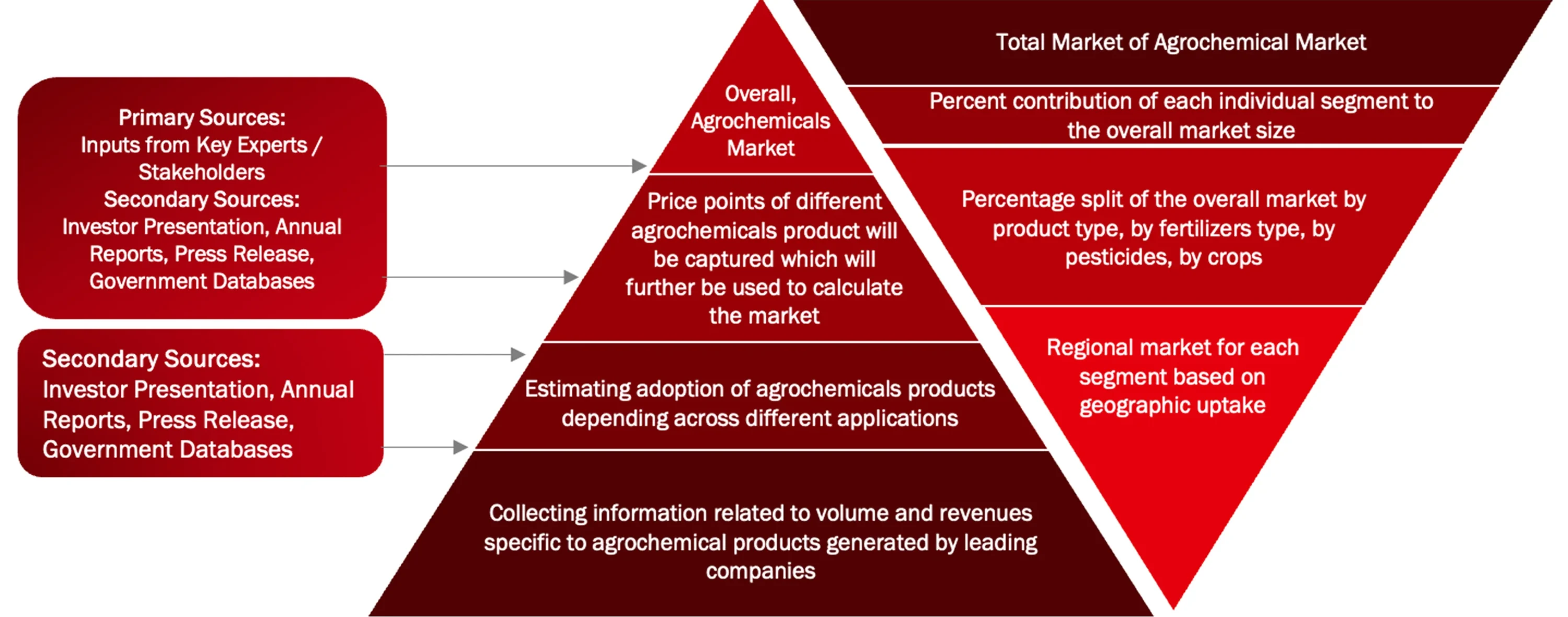
Market size estimation is performed using both top-down and bottom-up approaches. Key market players are identified, and their revenues are analysed to estimate the overall market size.
The market is further segmented based on:
- Product and service mapping across regions
- Adoption patterns across key application segments
- Insights gathered through primary and secondary research
Data Validation and Research Design
After estimating the overall market size, the data is validated using triangulation methods and market breakdown techniques to ensure accuracy and consistency. Both demand-side and supply-side factors are considered to refine the analysis.
The final data is validated through multiple sources to ensure reliability and to provide accurate insights across all market segments and regions.
Assumptions of the Study
The analysis of the agrochemical market is based on the following key assumptions:
- Trends in the industry are drawn from historical data and current information within the sector
- The future outlook is underpinned by constant economic conditions in the absence of shocks to the market
- The rate of adoption for agrochemical will rise steadily in all important regions
- The income statement and market share figures are estimated using available information from the industry and publicly available data
- The exchange rate and price trends will not be greatly affected during the forecast period
Scope and Limitations
Scope of the Study
This report offers an exhaustive overview of the international agrochemical market and includes the following components:
- Summary of market size, growth trends, and projections
- Carefully segmented market based on by product type, by fertilizers type, by crops type, by pesticides type.
- Discussion of primary factors influencing the market
- Competitor analysis
- Insights into regional and national market performance
Limitations of the Study
Despite the best efforts being made to keep the results accurate, the study does suffer from some limitations
- It has been done using both primary and secondary data that come with their own constraints
- Rapid developments in technology might affect the future course of market dynamics
- Some figures are only approximations due to lack of public disclosure
- The report is not an insurance against any disruptions in macroeconomics and geopolitics
- Future forecasts are indicative and subject to change due to altered industry dynamics
Data Triangulation and Market Breakdown
Data triangulation involved the combination of primary research, secondary research, and the Wissen Research analysis. Once the data points were sourced from the secondary market research, we sanitized the data points to make the market sizing and growth forecast more accurate by developing our own assumptions based on the inputs and insights we gather through the primary interviews with the industry experts. Once the data was thoroughly validated through primary interviews from both, demand and supply side of the market, our team of analyst and other team members involved finalized the market sizing and growth forecast.
Data Triangulation Methodology
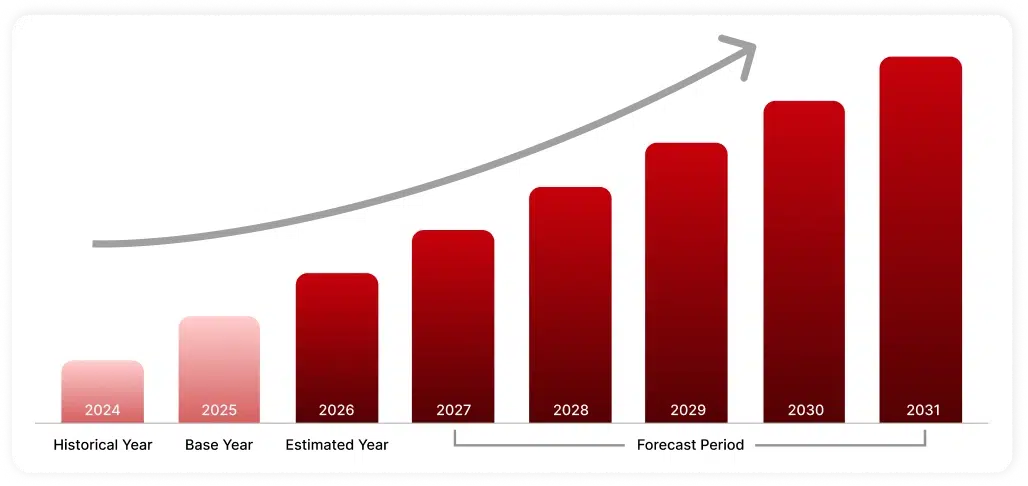
Year Framework
Bottom-Up Approach (Demand Side) And Top-Down Approach (Supply Side)
Bottom-Up Approach (Demand-Side Approach):
Determining the market size through the consolidation of demand among end-users, sectors, and geographic areas, which are calculated according to real-world demand conditions.
Top-Down Approach (Supply-Side Approach):
Calculating the market size through revenue and performance of the industry and its important companies, allocating the market size among various sectors.
Want detailed insights from this report?
Buy this Report
Choose the option that best fits your needs