
Cancer Diagnostics Market
Global Industry analysis, Size, Share, Growth, Trends, and Forecast 2026-2031
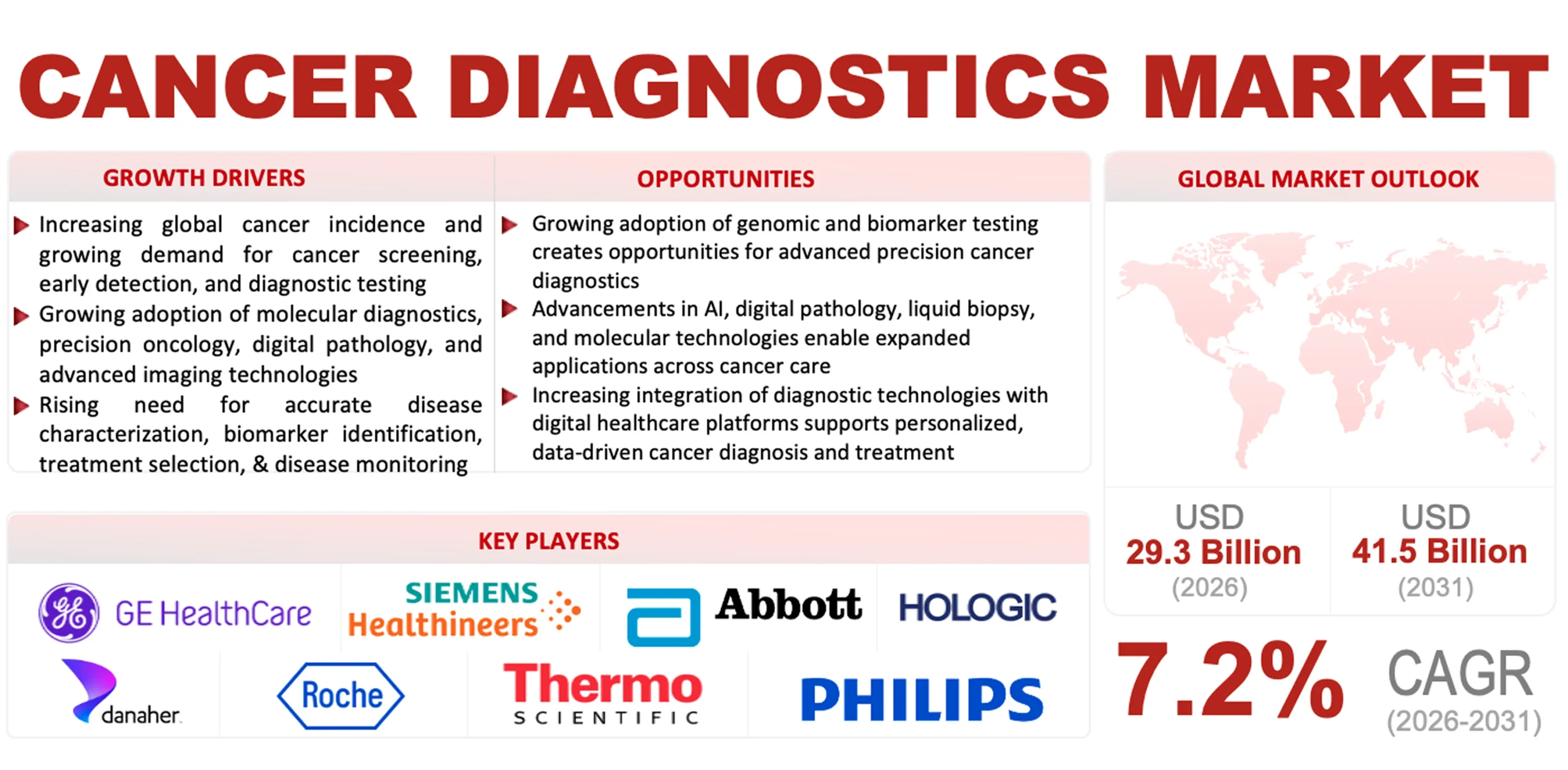
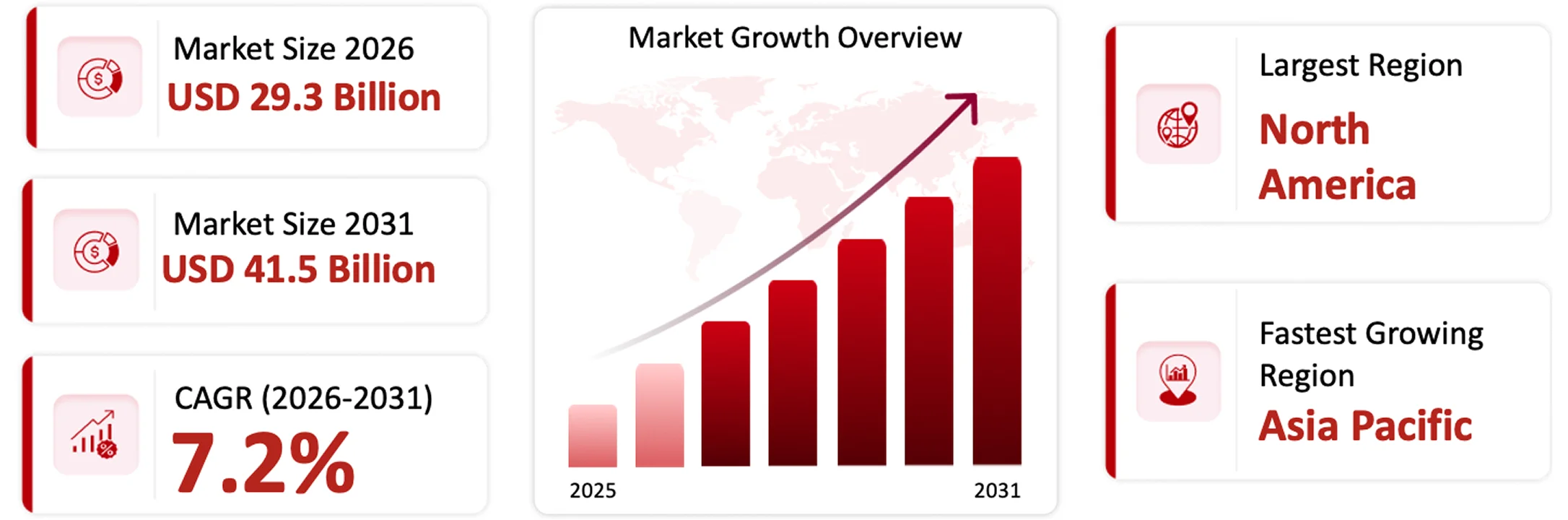
The global cancer diagnostics market is projected to reach USD 41.5 billion by 2031, growing at a CAGR of 7.2% during the forecast period.
| Market Size (2026): | Forecast (2031): | CAGR (2026–2031): | Leading Region: | Fastest Growing Region: |
|---|---|---|---|---|
| $ 29.3 Billion | $ 41.5 Billion | 7.2% | North America | Asia Pacific |
Summarize this report with:



Market Overview
– Mayur Jain, Research Consultant, Wissen Research
The market is estimated to be USD 29.3 billion in 2026 and is projected to reach USD 41.5 billion by 2031, growing at a CAGR of 7.2 % during the forecast period (2026-2031).
Technology Overview
The term cancer diagnostics refers to a group of techniques that include imaging, laboratory tests, pathology, molecular analysis, and computing technologies that are combined in order to detect and study a particular type of cancer. The type of technology employed depends on the diagnosed type of cancer, the clinical situation, the stage of diagnosis, and objective reasons for using diagnostic technology.
Diagnostic imaging technologies include X-ray-based mammograms, CT, MRI, PET, ultrasound and other imaging techniques used to find suspicious masses, study the biostructure, assist in diagnosing the disease, and carry out the biopsy. Pathology remains the major component of cancer diagnostics, since it means microscopic study of tissue and cells in order to confirm the presence of cancer and find out some specific details about it. Histopathology is supplemented by immunohistochemistry used for detection of protein and other specific figures which play a vital role in confirming the tumor type and therapy.
Key Growth Drivers
- During 2022, approximately 20 million new cancer cases and 9.7 million cancer deaths were observed worldwide, according to IARC. Due to demographic changes, the number of people who need cancer screenings, diagnostic evaluation and testing, staging, and monitoring of the disease is expected to grow.
- The need for diagnosis and testing continues to grow as the focus shifts to earlier detection of the disease. WHO differentiates between early diagnosis of patients with symptoms versus screening of those without any symptoms in the population and states that early detection leads to improved treatment outcome. So, there are routines for screening for breast, cervix, colon, lungs, etc. that call for imaging, cytology, and other diagnostics quite frequently.
- The growth of precision oncology brings about increased demand for molecular diagnostics and diagnostics based on different biomarkers. Now molecular testing is utilized to clinically profile tumors and find markers that will dictate treatment.
- ·The development of genomic testing and liquid biopsy methods has enhanced the cancer diagnostic process. The NGS-based tumor profiling allows for the simultaneous assessment of genetic changes, while liquid biopsy technologies enable the assessment of tumor-derived DNA or other biological material from blood or other body fluids. These methods are being developed for different applications, including molecular characterization, therapy selection, and monitoring.
- The introduction of AI technology and digitalization has improved cancer diagnostics. AI technologies are currently being created for such purposes as medical imaging, digital pathology, lesion detection and classification, and working with complex diagnostic data. The use of AI systems in the medical field has been approved by the FDA, while the NCI is constantly working on advancing research in relation to AI technologies in cancer imaging.
Cancer Diagnostics Market Key Highlights
Need deeper insights on this market?
Get full report access with detailed forecasts, competitive analysis, and segmentation.
Cancer Diagnostics Market Trends
The sector involved in cancer diagnostics is transitioning from traditional diagnoses based chiefly on imaging and morphological pathology to the integrated processes of diagnostics which make use of imaging, digital pathology, molecular markers, genetic examination, and artificial intelligence. The familiar methods such as mammography, CT, MRI, various pathology methods, immunohistochemistry, and molecular diagnostics still remain significant tools used for cancer diagnostics, while liquid biopsy, comprehensive gene analysis, digital pathology methods, and AI in diagnostics are seen as perspectives for technology development.
Increasing Adoption of Molecular and Multimodal Cancer Diagnostics
The investigation of various cancers has progressively expanded from identifying the existence of a tumor to finding out its molecular features and vital clinical indicators. Despite the contribution of molecular diagnostics to cancer diagnosis, pathology plays an essential role in diagnosis.
According to the National Cancer Institute, the advanced cancer diagnosis provides information on the location of cancer, disease extension, type of tumor, genetic alterations inherited, and molecular alterations affecting therapy choice. Pathology workflows also include molecular analysis.
The development of the FDA-adapted companion diagnostic background indicates the emergence of increased applicability of biomarker-driven oncology. Such testing is used for the indication of those patients who may benefit from a particular treatment, patients who may develop severe treatment side effects, or the monitoring of treatment efficiency.
In this regard, Next Generation Sequencing comprehensive tumor profiling is seen as an important step in personalized oncology especially when several biomarkers should be analyzed from one sample.
Expansion of Liquid Biopsy and Minimally Invasive Cancer Testing
Liquid biopsy technology is fast becoming an important tool in cancer diagnostics because it allows the identification of tumors using blood or other bodily fluids instead of having to obtain biopsy specimens each time.
According to NCI, liquid biopsy refers to testing the blood for the presence of either cancer cells or pieces of DNA that come from the tumors. This technique can help with cancer diagnosis, treatment decision-making, evaluation of treatment response, or identification of recurrences of the disease.
The technology is becoming more relevant to precision oncology. The FDA has approved liquid biopsy companion diagnostics based on various technologies, including next-generation sequencing that enables to analyze circulating DNA from plasma for relevant cancer biomarkers. Nevertheless, liquid biopsy is not yet ready to replace traditional tissue-based diagnostics universally. Its application is still being studied, and many unresolved questions on such issues as sensitivity, specificity, clinical utility, and validation remain to be answered.
Key Players in the Cancer Diagnostics Market
Leading companies in the cancer diagnostics market are focusing on medical imaging, pathology, molecular diagnostics, genomic testing, companion diagnostics, liquid biopsy, cancer screening, digital pathology, artificial intelligence, and expansion of precision-oncology testing.








Strategic Activities Within the Cancer Diagnostics Market
Leica Biosystems (U.S.), a Danaher Corporation (U.S.) subsidiary, completed the acquisition of StatLab Medical Products (U.S.) on September 28, 2026. The acquisition expanded Leica Biosystems’ anatomic pathology portfolio across specimen collection, preparation, staining, digital imaging, and AI-enabled diagnosis, strengthening its end-to-end pathology capabilities and supporting faster, more standardized cancer diagnostic workflows.
Siemens Healthineers AG (Germany) and Vanderbilt Health (U.S.) entered an $87 million multi-year partnership on July 27, 2026, to modernize diagnostic imaging and radiation oncology capabilities. The agreement included MRI, CT, molecular imaging, and interventional radiology systems, while also advancing AI-enabled radiology, personalized medicine, and workflow automation to strengthen cancer diagnostic and clinical imaging capabilities.
F. Hoffmann-La Roche Ltd (Switzerland) entered a definitive agreement on May 7, 2026, to acquire PathAI (U.S.) for up to $1.05 billion, including $750 million upfront and milestone payments. The acquisition was expected to strengthen Roche’s digital pathology and AI capabilities, integrating PathAI’s AI-powered pathology platform with Roche’s oncology diagnostics and companion diagnostics portfolio to accelerate biomarker discovery, diagnostic development, and personalized cancer care.
Cancer Diagnostics Market Insights
In the broader fields of oncology and healthcare, the area of cancer diagnostics is recognized as a significant segment because it delivers support to various aspects like cancer screening, early diagnosis, confirmation, classification, molecular characterization, treatment assessment, and monitoring. Furthermore, the field of cancer diagnostics covers a wide range of technologies and techniques such as radiology, pathology, cytology, immunohistochemistry, molecular pathology, genomics, marker analysis, liquid biopsy, and other laboratory techniques. The applications of this segment cover various cancers like breast cancer, lung cancer, colonic cancer, prostate cancer, cervical cancer, liver cancer, and blood cancer. The applications also extend to diagnosis, screening, classification, and recurrence evaluation.
Cancer diagnosis is widely used in screening, early detection of cancer, verifying diagnosis, determining the stage of cancer, carrying out molecular characterization, making decisions about treatment, monitoring recurrence, and evaluating response to treatment. Pathology and medical imaging belong among established diagnostic techniques while molecular diagnostics, genomic profiling, liquid biopsy, and AI-based diagnostics are gaining momentum in cancer diagnosis and characterization.
Medical imaging includes techniques such as mammogram, CT scan, MRI, PET, ultrasound, and others, which facilitate detecting suspicious lesions, locating and defining the disease, assisting in staging, and directing the diagnostic procedure. While pathology plays a vital role in cancer diagnosis, its methods help detect the presence of cancer and identify the type of tumor.
The increase in demand for cancer diagnostic is mainly due to the growing global burden of cancer. The IARC estimates around 20 million new cancer cases globally in 2022 and 9.7 million cancer deaths. Moreover, by 2050, more than 35 million new cases are expected yearly. The rise in the number of patients requiring screening, diagnosis elaboration, staging, characterization of molecular processes, and follow-up contributes to the increase in the demand for cancer diagnostic technology.
Another contributing factor in the rise of cancer diagnostic demand is the growing importance of cancer detection and screening in the medical community. Early detection increases the chance for successful treatment before the progress of the disease. Organization of screening programs results in the demand for technologies such as mammography, cervical cancer screening, colorectal cancer testing, and lung cancer screening on a permanent basis. According to WHO, early detection and screening are among the major components of a complete plan for cancer treatment, but the means of screening used depend on the type of cancer, as well as on the specifics of healthcare setting.
When it comes to the cancer diagnostics market, the ongoing strategic move towards detecting cancer earlier has to be taken into account alongside other key trends in this area like the introduction of new types of diagnostics based on molecular analysis technology; integrated diagnostic protocols combining multiple diagnostics procedures; digital pathology; tumor liquid biopsies; and implementation of AI tools for analytical purposes.
The market of cancer diagnostics continues to evolve, providing the increased range of available methods: classical approaches like pathology, immunohistochemistry, mammography, ultrasound, and lab tests are now being supplemented with next generation sequencing (NGS) and different new approaches to diagnostic testing. Thus, cancer diagnostics are changing from the traditional morphology-based approach towards a fully-integrated model where different methodologies, including imaging, pathology, molecular tests, and genomic analysis can be applied together to receive more information about a particular disease.
The cancer diagnostics market is predicted to grow rapidly in the Asia Pacific region, primarily due to the increasing cancer burden, better healthcare infrastructure, and investment in diagnostic facilities in many countries. Developed healthcare investment and the building of new hospitals, diagnostic labs, and cancer hospitals has made modern diagnostic processes accessible. As healthcare becomes more electronically advanced, more stakeholders are adopting molecular diagnosis, gene testing, digital diagnostics, and advanced imaging. Additionally, public cancer screening programs, health awareness programs, and an increase in private health facilities are driving the growth of the cancer diagnostics market.
Cancer Diagnostics Market Dynamics
Drivers: Rising Cancer Burden and Increasing Emphasis on Early Detection
As the incidence of cancer is rising consistently, the need for screening, diagnostic confirmation, staging, molecular characterization, and monitoring has been increasing. International Agency for Research on Cancer (IARC) estimated that around 20 million new cancer cases are reported annually throughout the globe, and the number of cases is expected to rise drastically by 2050. This rising number of people suffering from diseases creates a structural need for diagnostic technology across the cancer treatment process.
An increasing focus on early detection of cancer is also increasing the need for diagnostic technology. Screening and detection at the early stage can detect the disease even before it develops further. Furthermore, modern developments in the field of precise oncology are putting more relevance and focus on biomarker testing.
Opportunities: Liquid Biopsy, Comprehensive Genomic Profiling, AI, and Earlier Detection
The market for cancer diagnostics is expected to help the development of technologies like liquid biopsy, multi-cancer detection, digital pathology, comprehensive genomic profiling, and artificial intelligence and medical imaging technologies.
The liquid biopsy technique examines the circulating tumor DNA and other biological components in blood or other fluids of the body and thus helps in carrying out minimally invasive molecular characterization and treatment monitoring, recurrence monitoring, and probably early cancer detection. The studies funded by NCI also address the challenge of detecting cancer at early stages through liquid biopsy and biomarkers.
Thorough genomic profiling is another avenue of development as it enables the study of multiple genomic changes based on just one tumor specimen. The FDA’s landscape for companion diagnostics is becoming more populated with NGS technologies and liquid biopsy techniques that are used in the treatment of certain cancers.
Challenges: Diagnostic Accuracy, Clinical Validation, Reimbursement, and Regulatory Requirements
Manufacturers and developers of cancer diagnostics continue to face challenges associated with diagnostic accuracy, sample quality, tumor heterogeneity, biomarker variability, false-positive and false-negative outcomes, turnaround time, reimbursement, clinical validation, interoperability of data and regulatory compliances.
Molecular testing may experience difficulties due to a lack of tissue, tumor biology differences and multiple genetically distinct tumor populations. Liquid biopsy can face the challenge of low concentrations of tumor material while imaging and pathology AI systems will need the right dataset and proper clinical validation.
It is also critical to prove the clinical utility of novel cancer diagnostics. A diagnostic technology can have the ability to show a biomarker or an abnormality but may fail to show that its use improves patient outcomes. This is particularly relevant for the case of the new multi-cancer detection technologies, where NCI continues the investigation of how these tests should be integrated into cancer screening and how the tests will impact mortality and patient outcomes.
Technology and Market Insights
The cancer diagnostics sector is progressing toward digital, integrated, minimally invasive, and molecularly informed diagnostic systems assisted by artificial intelligence. Manufacturers and developers in this sector are investing in advanced laboratory-based biomarker testing, digital pathology, medical imaging, PCR testing, immunohistochemistry, NGS, and other methods of genomic profiling, liquid biopsy, biomarker identification, and many more.
Meaning-based diagnostic approaches include various established methods of cancer diagnostics, such as mammography, CT, MRI, ultrasound, tissue biopsy, immunohistochemistry, and pathology. However, the industry is now moving toward another level of technologies, including molecular and digital approaches such as the use and application of liquid biopsy, molecular residual disease as an approach to diagnostics, digital pathology, and many others.
Technology Scope and Products
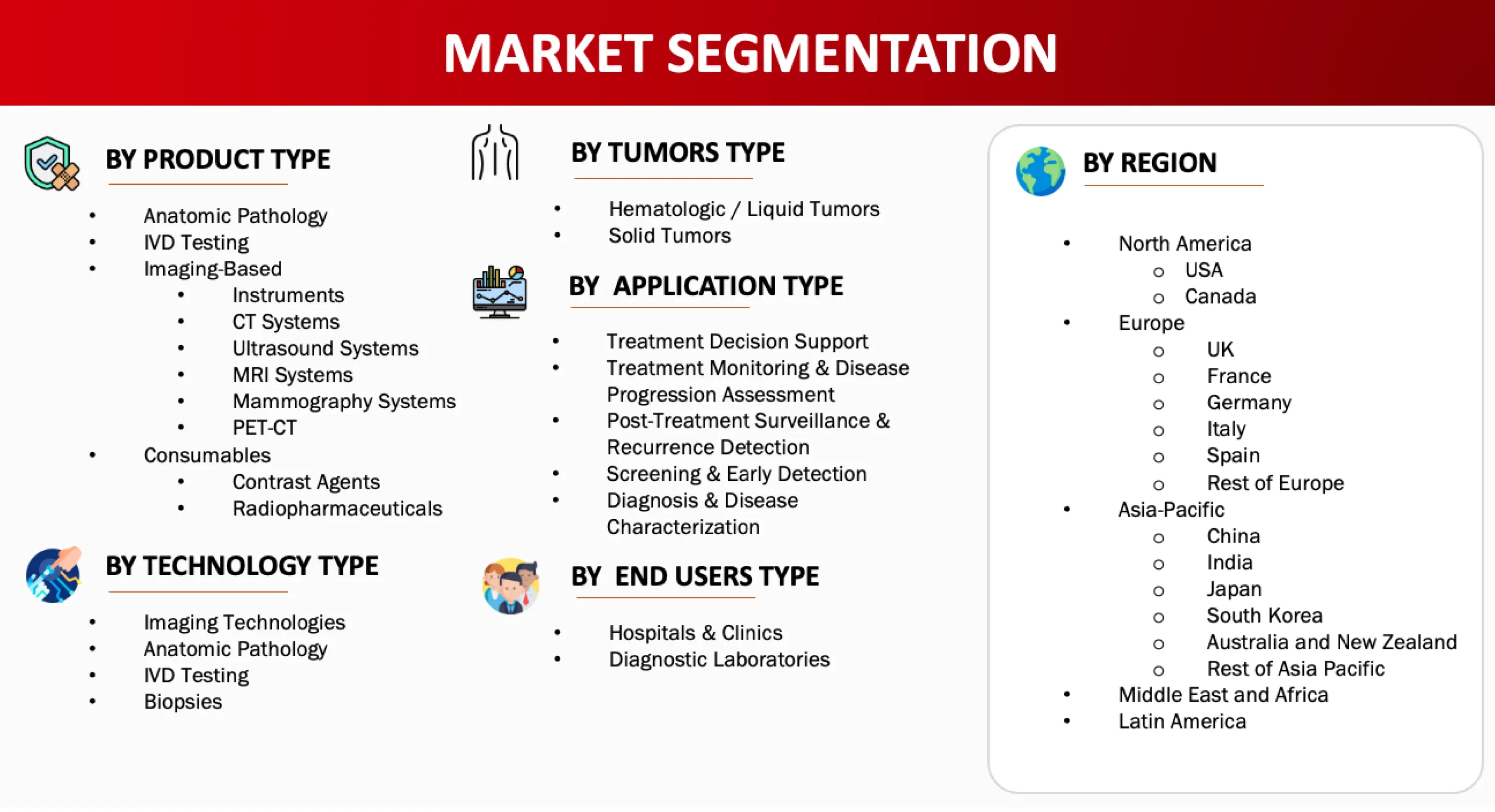
Cancer Diagnostics Market Segmentation
Want detailed insights from this report?
Industry Developments and Competitive Landscape
The development of medical imaging, pathology, molecular diagnostics, genomic technology, liquid biopsy, biomarker testing, digital pathology, artificial intelligence, and laboratory automation has changed the competitive structure of the cancer diagnostics market. Firms in medical devices, diagnostic instruments, laboratory testing, life sciences, pathology, genomics, and oncology are creating and marketing various technologies for cancer screening, early detection, diagnosis, tumor classification, and monitoring of the illness.
The most significant portion of the market by product type is occupied by IVD tests in 2025, which is owing to the widespread implementation of laboratory testing in the diagnosis of cancer, characterization of diseases, assessment of biomarkers, and supporting the adoption of treatment choices. IVD tests contain kits and reagents, PCR and NGS devices, in situ hybridization, and immunohistochemistry and other technologies of laboratories used in diagnostics for oncological purposes.
-
With molecular and biomarker tests being increasingly adopted, it seems that IVD tests play a more and more significant role in the diagnostics of cancer. PCR-based assays are employed to detect genetic changes, while NGS provides simultaneous evaluation of multiple genetic mutations acquired from tumors. Immunohistochemistry and in situ hybridization, nonetheless, continue to play an essential role in detecting protein expression, gene amplification, etc.
-
Given that precision oncology is being widely accepted now, IVD tests become more meaningful since molecular and biomarker testing is included in routine treatment decision-making. FDA has a long list of approved oncology companion diagnostic tests developed due to the incorporation of PCR, immunoassay technologies.
In terms of application, diagnosis and disease characterization accounted for the largest market share in 2025 due to the crucial need to validate the existence of the malignancy and characterize its biological as well as clinical aspects prior to undergoing treatment.
-
The diagnosis of cancer typically employs the use of clinical evaluation, imaging, lab tests, and pathology. The analysis of the tissue and cells can effectively establish the presence of the condition and describe the tumor’s classification while immunohistochemistry and moleculary testing can supplement with additional data regarding tumor biomarker and genetic mutations. In addition, the application of imaging methods, including, CT, MRI, PET scan, ultrasound, and mammography helps detect lesions and specify the area of the disease.
-
Characterization of the disease gains more and more importance in the process of oncology’s switching to precision medicine. Molecular and genomic testing allows the identification of mutations, gene fusions, biomarker expression, microsatellite instability, mismatch-repair status, and several other factors that may determine the treatment selection. The companion diagnostic approach introduced by the FDA embodies the increased importance of diagnostic testing in finding patients that have favourable profile for using particular anti-cancer treatment.
In 2025, North America captured the largest market share, owing to sophisticated medical infrastructures, implementing cancer-screening programs, applying advanced imaging and laboratory technology, using cutting-edge molecular diagnostics, and having several global pioneers in diagnostic technology and medical devices.
-
The U.S. enjoys a well-built regulatory and clinical environment relevant to cancer diagnostics. The FDA is involved in regulating laboratory diagnostic devices, imaging technologies, companion diagnostics, and other medical devices in detecting cancer-related diseases. All of the FDA-endorsed companion diagnostics indicate the vast spectrum of biomarker-based oncology diagnostics present in the U.S.
-
Moreover, this region is characterized by high engagement in imaging, pathology, and molecular testing, and precision oncology. There are many corporate players actively engaged in cancer diagnostics and technologies: F. Hoffmann-La Roche Ltd (Switzerland), Danaher Corporation (U.S.), Abbott Laboratories (U.S.), Thermo Fisher Scientific Inc. (U.S.), GE HealthCare Technologies Inc. (U.S.), Hologic, Inc. (U.S.).
-
Generally, the reason why North America is the leader in the market relates to its large number of patients suffering from cancer, developed infrastructure in the form of screening systems, advanced diagnostic laboratories, presence of precision oncology systems, considerable healthcare expenses, and presence of major diagnostic technology companies.
What This Report Covers-
This report provides a comprehensive analysis of the cancer diagnostics market, offering insights into key trends, growth drivers, challenges, and future opportunities. It is designed to support strategic decision-making through a combination of quantitative data and qualitative analysis.
Specifically, the report covers:

Market Overview & Definition:
Overview of the market scope, structure, and key terminology

Market Size & Forecast:
Historical data and future projections across key segments and regions

Key Market Trends:
Insights into emerging trends, technological advancements, and evolving demand patterns

Drivers, Restraints & Opportunities:
Analysis of key factors influencing cancer diagnostics market growth

Competitive Landscape:
Overview of major players, their strategies, and recent developments

Detailed Patent Analysis:
This includes, top assignees, geography focus of top assignees, legal status, technology evolution, key patents and patent trends and innovations

Segmentation Analysis:
Breakdown by product type, by technology type, by tumors type, by application type, by end users’ type, and region

Regional Insights:
Key regional trends and growth opportunities

Future Outlook:
Strategic insights and future market direction
Research Methodology
The study of the cancer diagnostics market is based on a combination of primary and secondary research methodologies, supported by data validation, diagnostic product and technology mapping, testing-volume and adoption analysis, company revenue and product-performance assessment, regulatory and commercialization analysis, application-level demand assessment, healthcare infrastructure analysis, and analytical modelling to ensure accuracy and reliability.
Market Definition: Cancer Diagnostics Market
Cancer diagnostics refers to the range of diagnostic products, technologies, and testing services used to detect, confirm, characterize, stage, monitor, and assess cancer and associated disease biomarkers. Cancer diagnostics encompasses imaging-based diagnostics, in vitro diagnostic (IVD) testing, anatomic pathology, molecular and genomic testing, immunohistochemistry, immunoassays, cytology, and other diagnostic technologies used across the cancer care pathway.
The market includes commercially available and clinically deployed cancer diagnostic products used for screening and early detection, diagnosis and disease characterization, treatment decision support, treatment monitoring and disease progression assessment, and post-treatment surveillance and recurrence detection. Products may include diagnostic instruments, imaging systems, test kits and reagents, antibodies, probes, contrast agents, radiopharmaceuticals, and other diagnostic consumables, depending on the technology and application.
Key cancer diagnostics products include IVD testing products, anatomic pathology products, and imaging-based diagnostic products. IVD testing includes kits and reagents, PCR instruments, next-generation sequencing (NGS) instruments, microarrays, in situ hybridization, immunohistochemistry, immunoassays, flow cytometry, and other IVD testing technologies. Anatomic pathology includes slide staining systems, tissue processing systems, cell processors, microtomes, embedding systems, cover slippers, digital pathology scanners, antibodies, probes, kits and reagents, and other consumables. Imaging-based diagnostics include CT systems, ultrasound systems, MRI systems, mammography systems, PET-CT systems, contrast agents, and radiopharmaceuticals.
Key Stakeholders
The cancer diagnostics market involves a broad ecosystem of stakeholders:
- Cancer Diagnostics Manufacturers & Medical Device Companies (IVD testing systems, pathology systems, imaging systems, diagnostic instruments, cancer screening technologies, and other oncology diagnostic platforms)
- Anatomic Pathology & Digital Pathology Companies (Tissue processing systems, slide staining systems, microtomes, digital pathology scanners, antibodies, probes, and pathology software)
- Medical Imaging & Radiology Companies (CT, MRI, ultrasound, mammography, PET-CT, contrast agents, radiopharmaceuticals, and related imaging technologies)
- Molecular & Genomic Diagnostics Companies (NGS, PCR, genomic profiling, biomarker testing, companion diagnostics, liquid biopsy, and precision-oncology diagnostics)
- Healthcare Providers & Clinical Institutions (Hospitals, cancer centers, oncology clinics, diagnostic laboratories, pathology departments, and radiology departments)
- Pharmaceutical & Biopharmaceutical Companies (Oncology drug developers, targeted-therapy companies, immunotherapy companies, and companies using companion diagnostics for treatment selection)
- Regulatory & Standards Organizations (Medical-device and IVD approvals, clinical requirements, laboratory standards, quality systems, and regulatory compliance)
- Testing, Inspection & Certification (TIC) Companies (Diagnostic testing, analytical validation, performance assessment, quality-system audits, and regulatory compliance services)
- Research Institutions & Technology Developers (Universities, cancer research centers, biotechnology companies, genomics developers, and organizations developing next-generation diagnostic technologies)
- Healthcare Payers & Reimbursement Stakeholders (Public and private insurers, government healthcare programs, reimbursement organizations, and health technology assessment bodies)• Healthcare Payers & Reimbursement Stakeholders (Public and private insurers, government healthcare programs, reimbursement organizations, and health technology assessment bodies)
- Patients, Caregivers & End Users (Individuals undergoing cancer screening, diagnostic testing, molecular profiling, treatment monitoring, and post-treatment surveillance)
Key Objectives of the Study
- To define, describe, analyze, segment, and forecast the cancer diagnostics by product type, by technology type, by tumors type, by application type, by end users’ type.
- To describe and forecast the market for four key regions: North America, Europe, Asia Pacific, and Rest of the World
- To provide detailed information regarding key drivers, restraints, opportunities, and challenges influencing market growth
- To strategically analyze the micro indicators with respect to individual growth trends, prospects, and contributions to the overall market size
- To analyze opportunities for stakeholders in the cancer diagnostics industry and emphasize on competitive landscape of the market
- To develop competitive benchmarking of the key market players based on technology specifications and end user
- To strategically profile key players and comprehensively analyze their product portfolio offerings, and core competencies
- To strategically profile key players and comprehensively analyze their product portfolio offerings, and core competencies
Need deeper insights on this market?
Get full report access with detailed forecasts, competitive analysis, and segmentation.
Research Approach
This research employs a systematic approach by using primary research along with secondary research to achieve full coverage and accuracy of information about the cancer diagnostics sector. Through this approach, the current market trends in terms of consumer behaviour, technological developments, and competitive environment can be analysed thoroughly.
Secondary Research
Secondary research involves the collection of data from reliable sources such as industry databases, company annual reports, investor presentations, and regulatory filings. This process helps in understanding market trends, identifying key players, and gathering technical and commercial insights.
A comprehensive database of leading companies and market participants is developed through secondary research to support further analysis.
Primary Research
Primary research is conducted to validate findings from secondary research and to gain deeper insights into market dynamics. Interviews are carried out with industry stakeholders across both demand and supply sides, including executives such as CXOs, Vice Presidents, and Directors from business development, marketing, and product teams.
Data is collected through structured questionnaires, email interactions, and telephonic interviews across key regions including North America, Europe, Asia-Pacific, and Rest of the World.
Market Size Estimation
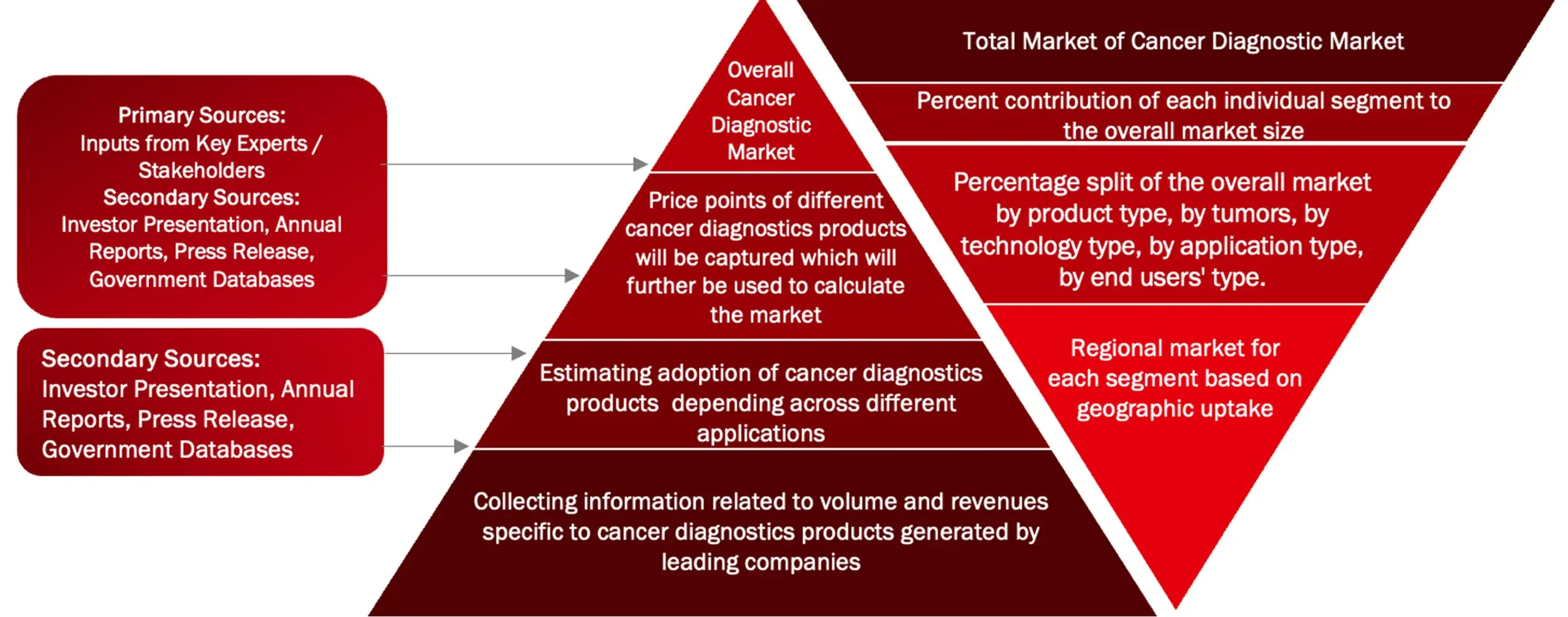
Market size estimation is performed using both top-down and bottom-up approaches. Key market players are identified, and their revenues are analysed to estimate the overall market size.
The market is further segmented based on:
- Product and service mapping across regions
- Adoption patterns across key application segments
- Insights gathered through primary and secondary research
Data Validation and Research Design
After estimating the overall market size, the data is validated using triangulation methods and market breakdown techniques to ensure accuracy and consistency. Both demand-side and supply-side factors are considered to refine the analysis.
The final data is validated through multiple sources to ensure reliability and to provide accurate insights across all market segments and regions.
Assumptions of the Study
The analysis of the cancer diagnostics market is based on the following key assumptions:
- Trends in the industry are drawn from historical data and current information within the sector
- The future outlook is underpinned by constant economic conditions in the absence of shocks to the market
- The rate of adoption for cancer diagnostics will rise steadily in all important regions
- Advancements in AI, connectivity, IoT will continue to drive growth in the cancer diagnostics market
- The income statement and market share figures are estimated using available information from the industry and publicly available data
- The exchange rate and price trends will not be greatly affected during the forecast period
Scope and Limitations
Scope of the Study
This report offers an exhaustive overview of the international cancer diagnostics market and includes the following components:
- Summary of market size, growth trends, and projections
- Carefully segmented market based on product type, technology type, tumors type, application type, end users’ type, and geography
- Discussion of primary factors influencing the market
- Competitor analysis
- Insights into regional and national market performance
Limitations of the Study
Despite the best efforts being made to keep the results accurate, the study does suffer from some limitations:
- It has been done using both primary and secondary data that come with their own constraints
- Rapid developments in technology might affect the future course of market dynamics
- Some figures are only approximations due to lack of public disclosure
- The report is not an insurance against any disruptions in macroeconomics and geopolitics
- Future forecasts are indicative and subject to change due to altered industry dynamics
Data Triangulation and Market Breakdown
Data triangulation involved the combination of primary research, secondary research, and the Wissen Research analysis. Once the data points were sourced from the secondary market research, we sanitized the data points to make the market sizing and growth forecast more accurate by developing our own assumptions based on the inputs and insights we gather through the primary interviews with the industry experts. Once the data was thoroughly validated through primary interviews from both, demand and supply side of the market, our team of analyst and other team members involved finalized the market sizing and growth forecast.
Data Triangulation Methodology
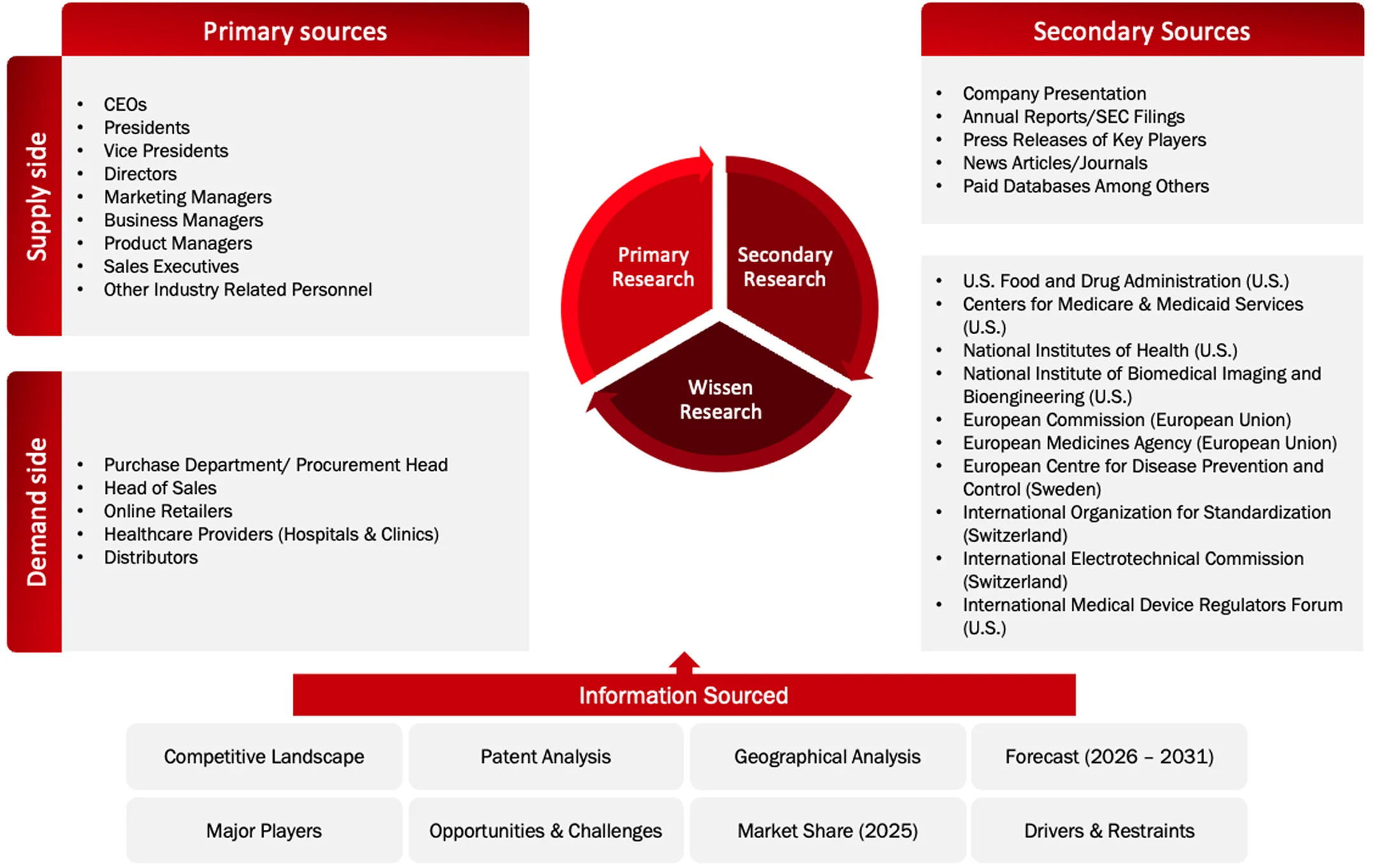
Sources: U.S. Food and Drug Administration, National Institutes of Health, National Cancer Institute, Centers for Medicare & Medicaid Services, Radiological Society of North America, American College of Radiology, Society for Imaging Informatics in Medicine, European Society of Radiology, European Association of Nuclear Medicine, World Health Organization, International Organization for Standardization, International Electrotechnical Commission, Company Websites, Press Releases, Annual Reports, Paid Data Sources, and Wissen Research Analysis.
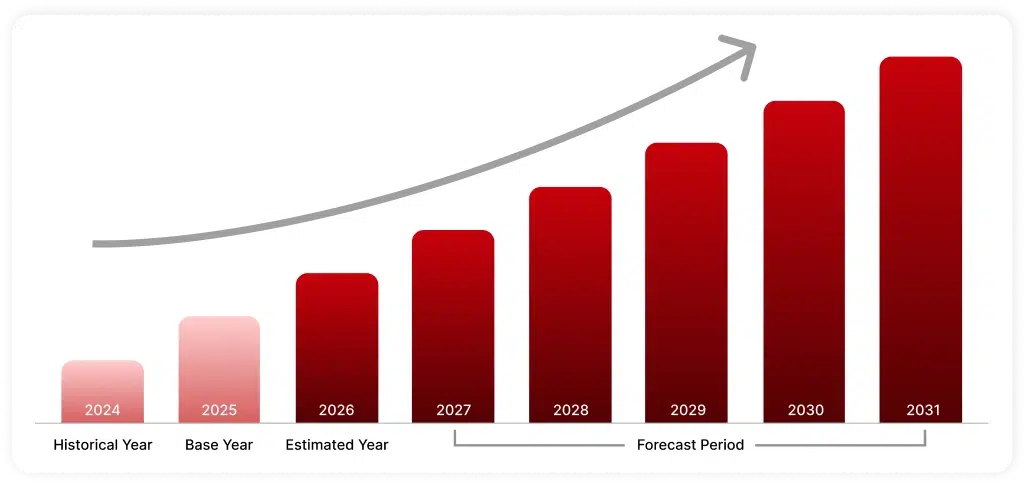
Years Framework
Bottom-Up Approach (Demand Side) And Top-Down Approach (Supply Side)
Bottom-Up Approach (Demand-Side Approach):
Determining the market size through the consolidation of demand among end-users, sectors, and geographic areas, which are calculated according to real-world demand conditions.
Top-Down Approach (Supply-Side Approach):
Calculating the market size through revenue and performance of the industry and its important companies, allocating the market size among various sectors.
Want detailed insights from this report?
Buy this Report
Choose the option that best fits your needs