
Diagnostics Imaging Market
Global Industry analysis, Size, Share, Growth, Trends, and Forecast 2026-2031
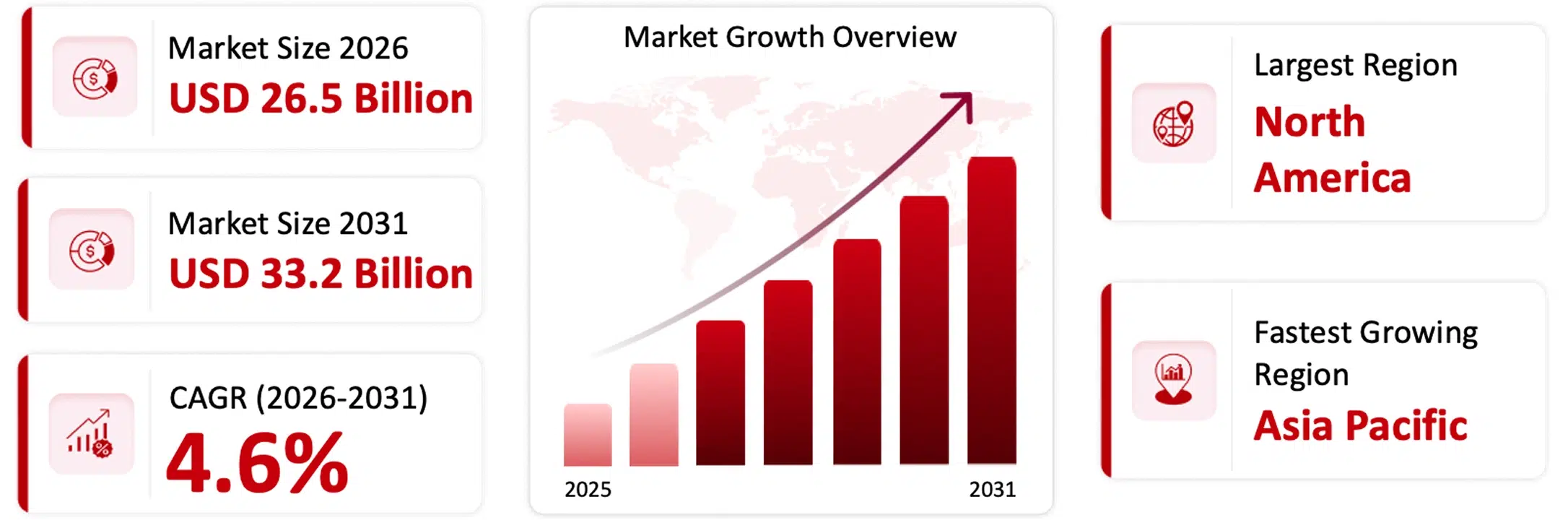
The global diagnostics imaging market is projected to reach USD 33.2 billion by 2031, growing at a CAGR of 4.6% during the forecast period.
| Market Size (2026): | Forecast (2031): | CAGR (2026–2031): | Leading Region: | Fastest Growing Region: |
|---|---|---|---|---|
| $ 26.5 Billion | $ 33.2 Billion | 4.6 % | North America | Asia Pacific |
Summarize this report with:



Market Overview
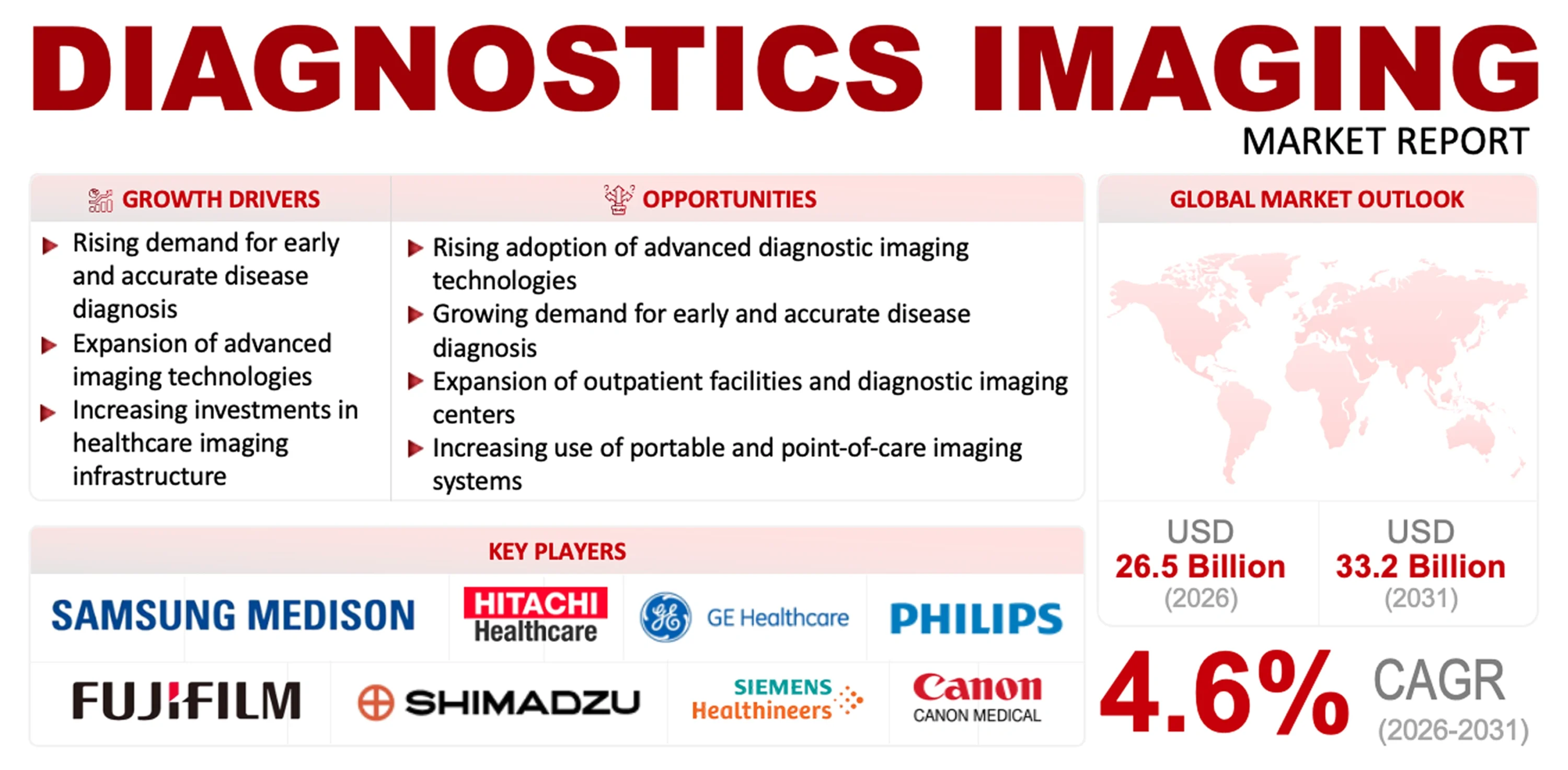
The Diagnostic Imaging (DI) industry is continuing its growth trend on a steady and strong pace driven by the increasing rate of chronic disease incidence among all ages coupled with an expanding geriatric population, and the rising demand for earlier recognition and precise identification of diseases through DI procedures. Current outreach initiatives; such as AI-assisted imaging, 3D/4D imaging technologies, and portable/imaging devices are enhancing the accuracy of imaging studies, increasing the efficiency of workflows between imaging providers and hospitals or clinics, and improving easy access to healthcare providers for patients needing DI and other health services. The market is estimated to be USD 26.5 billion in 2026 and is projected to reach USD 33.2 billion by 2031, growing at a CAGR of 4.6 % during the forecast period (2026-2031).
Technology Overview
Imaging technology is comprised of many different types of imaging modalities (X-ray, CT, MRI, Ultrasound, and Nuclear Imaging), which are used to detect and monitor diseases and evaluate the internal structures of the body. The use of artificial intelligence (AI), digital image processing, and 3D/4D visualization technology in imaging systems have as purpose helping in achieving higher quality images, increased diagnostic accuracy, and improved workflow efficiency whilst also decreasing the amount of manual interpretation work required from radiologists. Ongoing use of automated/high-performance imaging systems have an overall positive impact on both efficiency and patient throughput at hospitals/diagnostic facilities.
Key Growth Drivers
- The increasing use of AI-based imaging systems is enhancing the precision of diagnoses, shortening the length of time from which a patient can get scanned, and raising the volume of patients that can be seen within the same time frame at all types of health care facilities.
- The expansion of cloud-based PACS solutions and tele-radiology platforms allows radiologists to diagnose patients remotely, receive reports more quickly, and operate images more efficiently.
- The commercial introduction of photon counting CT machines has made it possible to provide ultra-high-definition imaging with a significant reduction in radiation exposure through shorter replacement cycles of high-end equipment.
- The increasing availability of advanced diagnostic imaging systems, including portable and handheld imaging devices, has expanded access to diagnostic services across hospitals, outpatient clinics, emergency care settings, and rural healthcare facilities, driving growth in the diagnostic imaging market.
- The increased availability of safer contrast agents and non-renal toxic imaging systems has extended access to diagnostic testing for chronic kidney disease patients and their families.
- The increased availability of OEMAC-certified refurbished imaging systems has reduced the capital expenditure barrier to expanding imaging infrastructure for providers in developing countries.
Diagnostics Imaging Market Key Highlights
Need deeper insights on this market?
Get full report access with detailed forecasts, competitive analysis, and segmentation.
Diagnostics Imaging Market Trends
Technological transformation in diagnostic imaging is strong and quickly changing. Artificial intelligence (AI), cloud-based imaging platforms, and advanced imaging scanner technologies drive this transformation. AI-assisted diagnostic imaging solutions are constantly being adopted by healthcare providers to provide improved accuracy, automation of workflow, and reduced workload for radiologists. There is rapid growth in the diagnostic imaging market for portable diagnostic imaging devices and point-of-care diagnostic imaging systems (especially handheld ultrasound systems for use in emergency departments and outpatient settings). Also, by increasing the ability to provide remote diagnostic services, cloud-native PACS and teleradiology platforms are expanding the ability of healthcare networks to access and receive images. Advanced imaging technologies (e.g., photon-counting CT and hybrid imaging systems) increase the resolution of images while decreasing radiation dose and assisting with early detection in oncology, cardiology, and neurology.
AI Integration in Imaging Workflows
Artificial intelligence has become so readily embedded within diagnostic imaging workflows that it is no longer strictly a post-processing tool. Many advanced imaging systems utilize deep learning reconstruction algorithms at the time the images are obtained in order to enhance / boost the quality of the images and speed up the time to diagnose (as well as reduce noise). An example is in the case of MRI systems, where AI-assisted reconstruction allows radiologists to complete complex imaging protocols faster (but with the same high level of diagnostic quality) as compared to those completed using only conventional methods. Additionally, AI is enabling automated detection of lesions, segmentation of anatomical structures (Organs), and prioritization of workflow in order to help radiologists process increasing volumes of imaging efficiently. All of the major imaging manufacturers (e.g.: GE HealthCare [USA], Siemens Healthineers [Germany], and Philips [Netherlands]) are currently embedding AI functionality into their respective CT, MRI, and Ultrasound system platforms in an effort to enhance productivity and improve clinical decision making.
Growth of Cloud-Based PACS and Tele-radiology
Healthcare institutions are progressing towards a cloud-native image ecosystem rather than traditional on-premise Picture Archiving and Communication Systems (PACS). Cloud-based PACS platforms offer increased accessibility and reduce local storage requirements while supporting seamless integration across multiple sites in the healthcare industry. This phenomenon is supporting the increased adoption of teleradiology services which allows radiologists to review images remotely from hospitals, imaging facilities and rural hospitals. In addition to improving specialist collaboration, cloud-enabled imaging workflows are also supporting faster image reporting turnaround times. Companies such as Fujifilm Holdings (Japan) and Philips (Netherlands) are enhancing their enterprise imaging management capabilities using cloud technologies to support remote radiology diagnostic capabilities and expand globally their scalable healthcare IT infrastructure.
Key Players in the Diagnostics Imaging Market
Leading companies in the diagnostics imaging market are focusing on innovation, strategic partnerships, and expansion of health-centric features to strengthen their market position.








Strategic Activities Within the Diagnostics Imaging Market
GE HealthCare (US) disclosed next generation SIGNA MRI technologies and AI-based workflow solutions during ISMRM 2026. The announcement included the introduction of a series of next generation 3T and helium free MRI systems; advanced Imaging technologies utilizing deep learning, cloud-based research tools, and a MRI platform within a Neuroscience focused area that improve image processing speed, diagnosis accuracy, workflow efficiencies, and clinical collaborations.
Siemens Healthineers (Germany) launched an innovative integrated workflow solution for performing CT-guided percutaneous coronary interventions (PCI) something that has never been done before anywhere in the world! The new solution integrates imaging using CT, plaque analysis, procedural planning, and guidance during cath lab procedures into a single application to provide improved accuracy, efficiency, utilization of resources, and treatment of coronary artery disease through the use of 3D CT visualization technologies.
Samsung Medison (South Korea) has integrated both of its U.S.-based medical imaging divisions, NeuroLogica and Boston Imaging, into a single entity under the Samsung HME America brand. In addition, the organization has widened its scope to include artificial intelligence (AI) ultrasound technologies, digital radiography systems, portable computed tomography (CT) systems, and new technologies based on photon-counting detectors. These improvements aim to enhance innovation, operational efficiency, and diagnostic imaging capabilities throughout the U.S. healthcare system.
Fujifilm Holdings Corporation (Japan) launched the ARIETTA Deep Insight x ultrasound platforms that utilize artificial intelligence and deep learning imaging technology to improve the quality and diagnostic capabilities of ultrasound images. These innovative new ultrasound machines include a number of features that enhance image quality and diagnostic accuracy, including automatic workflow tools, real-time virtual sonography, and improved liver evaluation methodology.
Diagnostics Imaging Market Insights
Diagnostics Imaging is a rapidly growing international industry owing largely to the global increase in Early Disease Diagnosis, the growing number of individuals suffering from Chronic Diseases, and the ongoing advances of technologies in Imaging Systems. Imaging Modalities, such as MRI, CT, Ultrasound, X-ray, and Nuclear Imaging, continue to be critical to many different Health Care Systems today for both Diagnosing Disease and Monitoring Treatment. Furthermore, this growth of the Diagnostics Imaging Market has been driven by an increase in the development of new Health Care Facilities (HCFs), an increase in the number of senior citizens, and the increasing use of AI Enabled Imaging Technology by these Facilities.
In addition, there are increasing investments in Outpatient Imaging facilities (such as free standing/imaging centers), Cloud Based Radiology (using the Internet) and Portable Imaging devices, all of which are increasing access to Diagnostic Imaging Services and making them more efficient in Hospitals and Diagnostic Imaging Facilities around the world.
Diagnostic imaging technology supports disease diagnosis, treatment planning, and monitoring in many clinical specialties. Oncology accounts for one of the largest areas of application (due to increased cancer screening, and an increase in imaging exams performed for tumor assessment) including MRI, CT, PET, and Mammography System Modalities. Cardiology continues to see rapid growth with a rising demand for Cardiac CT, Echocardiography, and Interventional Imaging Procedures. Neurology applications are on the rise due to an increase of patients with stroke, Alzheimer’s Disease and other neurological disorders requiring advanced brain imaging technology. Imaging is critical to making clinical decisions and managing patients in Orthopaedics, Pulmonology, Obstetrics, and Emergency Medicine.
Growth potential exists in the diagnostic imaging market from; ai based imaging solutions, mobile diagnostic devices, and cloud-based imaging platforms. More and more healthcare providers are implementing ai based imaging equipment to; improve the accuracy of their imaging diagnoses, automate their workflow processes and reduce the workload for radiologists. Emerging economies represent great growth potential based on increases in healthcare expenditure and continued access to advanced diagnostic services. The growth of portable ultrasound devices and mobile imaging systems will create new opportunities in the emergency care sector, outpatient centers, and rural healthcare delivery systems. The increasing adoption of photon counting CT scanning, hybrid imaging systems, and image-guided minimally invasive procedures are expected to drive technological advances and extended future growth in the diagnostic imaging market.
The diagnosis imaging industry is growing rapidly, however, there are operational and financial challenges to grow within this market. The high cost in terms of installation and maintenance of advanced diagnostic imaging equipment (e.g., MRI and CT) remains a concern for many hospitals; particularly community hospitals and hospitals located in developing countries. The shortage of qualified radiologists and trained professionals who provide imaging services to patients have also contributed to decreased efficiency of workflow and a growing backlog of reports in many geographic areas. Concerns over data security in relation to cloud-based imaging solutions and increasing threats to cybersecurity also present challenges to the healthcare provider community.
Asia-Pacific is expected to be the fastest-growing region in the diagnostic imaging market, driven by expanding healthcare infrastructure, increasing healthcare expenditure, and improving access to advanced diagnostic services. Rising prevalence of cancer, cardiovascular, and neurological disorders is increasing demand for imaging technologies such as CT, MRI, ultrasound, and X-ray. Government investments in healthcare modernization, along with the expansion of private hospitals and diagnostic imaging centers, are accelerating adoption of advanced imaging systems. Furthermore, increasing adoption of AI-enabled imaging, portable systems, and digital imaging solutions is improving diagnostic capabilities across urban and underserved areas, supporting continued market growth.
Diagnostics Imaging Market Dynamics
Drivers: Deep Learning Reconstruction (DLR) at the Acquisition Level.
One of the main forces changing the landscape in diagnostic imaging is the incorporation of Deep Learning Reconstruction (DLR) algorithms directly into the pipelines used to acquire images from scan machines. Instead of using artificial intelligence as a way to evaluate images after they have been scanned, the largest manufacturers in the industry have started to integrate deep learning algorithms into the hardware of their machines, to help clear data noise at the signal level. According to the most current U.S. Food and Drug Administration (FDA) databases of cleared medical devices, radiology continues to lead the way in AI-enabled devices, with over 1,100 total clearances (the majority having been submitted through the FDA’s expedited 510K clearance pathway). This technology is having an immediate, grass-roots impact on clinical efficiency: For example, GE HealthCare announced recently that its True Definition DL algorithm has received A FDA clearance, and through the introduction of the new Sonic DL sequence, can now perform very complicated multi-sequence MRI scans of the brain and joints in under 15 minutes from start to finish. As a result, hospitals can significantly improve clinical efficiency and increase revenues simply by increasing the number of scans they can perform each day from about 15 scans per machine, to as many as 30 scans per machine, without purchasing any new machines or other capital equipment.
Opportunities: The Transition to Outpatient and Cloud-Native Teleradiology
A significant shortage of onsite radiologists, together with the increasing burden of managing a local server infrastructure, has created a widespread migration to cloud-based, distributed teleradiology systems in the industry. Geographic disparities of access to diagnostic imaging are stark, prompting proposals such as the Health Tech Investment Act in the U.S. This act would create direct accounts payable to Medicare for the delivery of digital health services. As a result of this legislation and with increased pressure to move away from their current proprietary storage solutions, organizations have begun to change their business processes. Samsung HME America has integrated their complete clinical sales pipeline to meet the demand for this new model, offering mobile CT units at the site of care and distributed software. Additionally, Fujifilm Healthcare has expanded its Arietta Deep Insight x System to enable the routing of micro-vascular imaging datasets via enterprise cloud PACS. This transition represents a significant new market opportunity, as independent outpatient imaging centers will now be able to perform high-level studies locally and securely transmit large volumes of imaging file data overnight to offsite subspecialists. Moreover, this enables 24/7 scanning operations and provides improved access to advanced imaging services in many underserved areas.
Challenges: Regulatory Reimbursement Compression and Efficiency Deficits
Largest operational barriers facing imaging networks currently is the ongoing aggressive compression of physician fee schedules from government health authorities. The Centers for Medicare & Medicaid Services (CMS) created a new efficiency adjustment for the 2026 Medicare Physician Fee Schedule (MPFS) which permanently reduces work relative value units (wRVUs) by 2.5% across approximately 7,700 codes for both diagnostic and procedural services. CMS believes that by using advanced forms of automation, they will be able to reduce technician labour over a period of time.
Additionally, there are combined procedures with which new combined Head and Neck CTA codes created significant drops in global payment levels – some as much as 30.8%. These compounded fee compressions have severely impacted hospital margins and have created a direct misalignment between the amount that hospitals are investing into premium multi-slice scanners to ensure that they continue to provide quality diagnostic imaging services to their patients and what they are actually receiving in reimbursement from public insurers.
The result of this financial compression is that many healthcare networks are forced to extend their current equipment’s life cycle and will be unable to afford new equipment due to reimbursement loops from public payers being lower than their actual costs.
Technology and Market Insights
Diagnostic Imaging has been one of the fastest-growing areas of healthcare that are constantly changing. This is being driven by the need for more accurate diagnoses, speedy clinical decision-making and improved patient outcomes. The evolution of advanced imaging systems, AI-enabled Diagnostic tools and automated imaging workflows has produced improvements in Image Quality, Operational Efficiency and Diagnostic Consistency across Health Care Facilities. Innovative Technology continues with the development of Cloud-based Imaging Platforms, Hybrid Imaging Systems, Digital Image Processing, and Portable Diagnostic Devices. As Hospitals and Diagnostic Centers focus on improving Workflow Efficiency and reducing Reporting Turnaround time, Diagnostic Imaging will continue to be a vital part of today’s Healthcare Infrastructure supported by continuing Technology advancements and demand for Early/Accurate Disease Detection.
Technology Scope and Products
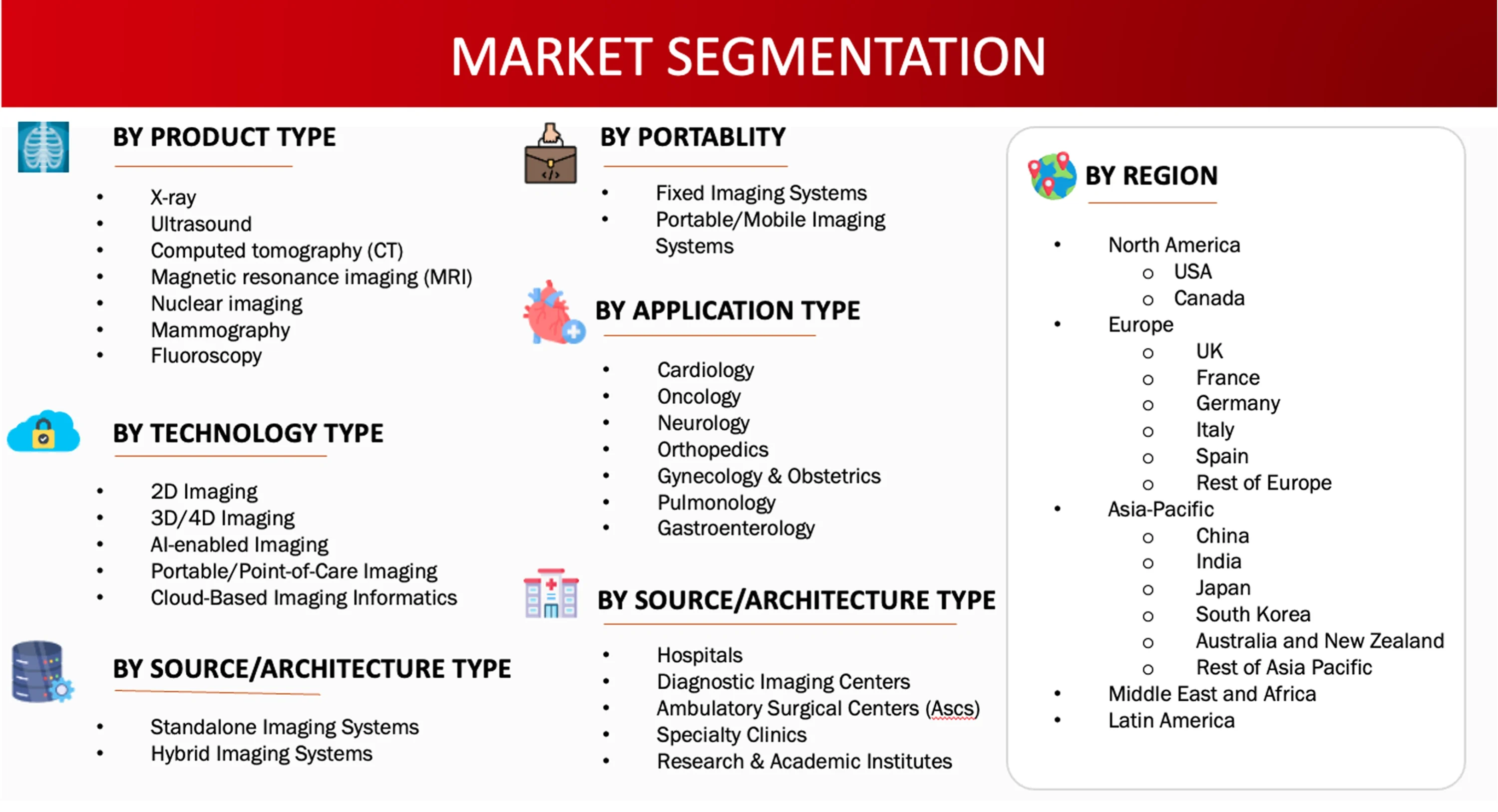
Diagnostics Imaging Market Segmentation
Want detailed insights from this report?
Industry Developments and Competitive Landscape
The rapid advancements in technology within the Diagnostic Imaging sector are powered by advancements in AI, digital imaging technology, and state-of-the-art scanning technology. The advancements in image resolution, detector sensitivity and real-time image handling capabilities that have occurred in Radiology are leading to the ability to diagnose illness more quickly and accurately than before. The use of AI to support image recognition when analysing images has allowed healthcare professionals to find abnormalities in images automatically, increasing efficiency and accuracy within the imaging workflow. The use of new technologies, such as photon-counting CT, deep-learning MRI reconstruction, cloud-based imaging systems, and portable ultrasound systems, has continued to improve the efficiency of imaging as well as reduce scan time and improve the availability of high-quality imaging services to hospitals and outpatient facilities across all health care settings.
X-ray systems held a significant portion of the Diagnostic Imaging market in 2025, driven by improved procedure volumes and imaging speed, lower cost of installation than other modalities, and being used extensively in hospitals, emergency, and outpatient services. X-ray continued to be the primary first-line assessment modality for supporting trauma care, chest assessments, orthopedic assessments, and emergency assessments, thus creating a demand for new and replacement products globally.
-
X-ray imaging drove the most global imaging procedure volumes compared to CT, ultrasound, and MRI; x-ray volumes were dramatically higher than any of the others globally, thus boosting x-ray demand.
-
The rapid workflow of digital radiography systems allowed facilities to process large numbers of patients, resulting in enhanced throughput and operational efficiencies within hospitals.
-
The ongoing transition to digital x-ray systems from analog and computed radiography systems has further driven demand globally for x-ray upgrades and retrofits.
-
The growing number of portable and mobile x-ray systems has increased use of x-ray technology in intensive care units, operating rooms, emergency departments, and at the bedside.
-
Lower installation, shielding, and infrastructure requirements for x-ray systems have allowed for increased use of x-ray in rural hospitals and clinics.
In terms of diagnostic imaging hardware market, by 2025, 2D imaging represented the largest share of the diagnostic imaging hardware market due to its higher procedure volumes and faster imaging workflows, lower infrastructure needs, and access to a wide range of clinical settings. Furthermore, this technology was still the leading methodology in the diagnostic evaluation of standard chest, orthopedic, and abdominal examinations as well as for emergency examinations. As a result of all these advantages, the large majority of hospitals, clinics, ambulatory care, and rural health centres (worldwide) adopted 2D imaging as their primary imaging approach.
-
While 3D and 4D imaging systems had the capability to accommodate large patient volumes, they did not complete a larger number of procedures than the majority of 2D imaging systems did at healthcare facilities throughout the world.
-
Quicker time between images (defined as “turnaround time”) and shorter image acquisition and processing times improved the ability of hospitals to manage large patient volumes and provided them with a more cost-effective means of serving large patient volumes.
-
Due to their lower requirements for installation, shielding and operations, 2D imaging systems were easily implemented in smaller clinics and outpatient facilities.
-
The greater availability of portable and mobile ultrasound and X-ray systems helped to further increase the demand for fast and convenient point-of-care 2D imaging solutions.
-
All of the AI-assisted triage and diagnostic support algorithms were primarily created for a standard 2D radiography and ultrasound imaging workflow.
The Diagnostic Imaging Market was highly dominated by North America in 2025, largely as a result of having a more advanced healthcare infrastructure, greater overall volume of imaging procedures, better reimbursement support and heavier ongoing investments from hospitals towards more expensive imaging technology. Due to an increasing number of older adults, and larger hospital systems with good purchasing capabilities, demand continued increasing for MRI, CT, PET/CT and ultrasound imaging procedures.
-
Hospitals received excellent reimbursement from both government (CMS) and private insurers for advanced/semi-advanced imaging procedures, encouraging hospitals to grow their number of advanced imaging procedures and continually improve their imaging infrastructures.
-
Large manufacturers, including GE HealthCare in the U.S. and Siemens Healthineers in Germany, generated high levels of imaging revenue from the North American healthcare system.
-
Compared to the majority of countries’ overall healthcare systems, hospitals in the U.S. performed a significantly higher number of CT, MRI and cardiovascular imaging procedures on a per capita basis.
-
With the increasing number of elderly individuals and their related chronic diseases, there was an increase in demand for both routine and advanced diagnostic imaging throughout healthcare systems.
-
The formation of large healthcare networks and several group purchasing organizations promoted the possibility of entering into long-term contracts for premium imaging equipment, maintenance services and AI-enhanced imaging technologies.
What This Report Covers-
This report provides a comprehensive analysis of the diagnostics imaging market, offering insights into key trends, growth drivers, challenges, and future opportunities. It is designed to support strategic decision-making through a combination of quantitative data and qualitative analysis.
Specifically, the report covers:

Market Overview & Definition:
Overview of the market scope, structure, and key terminology

Market Size & Forecast:
Historical data and future projections across key segments and regions.

Key Market Trends:
Insights into emerging trends, technological advancements, and evolving demand patterns

Drivers, Restraints & Opportunities:
Analysis of key factors influencing diagnostic imaging market growth

Competitive Landscape:
Overview of major players, their strategies, and recent developments

Detailed Patent Analysis:
This includes, top assignees, geography focus of top assignees, legal status, technology evolution, key patents and patent trends and innovations

Segmentation Analysis:
Breakdown by modality type, by source/architecture type, by portability type, by technology type, by application type, by end user type, and region

Regional Insights:
Key regional trends and growth opportunities

Future Outlook:
Strategic insights and future market direction
Research Methodology
The study of the diagnostics imaging market is based on a combination of primary and secondary research methodologies, supported by data validation and analytical modelling to ensure accuracy and reliability.
Market Definition: Diagnostics Imaging Market
The Diagnostic Imaging market consists of medical technologies and systems that allow healthcare professionals to perform visual examinations of an individual’s body structure for the purpose of diagnosing and monitoring illness and injury. There are many different modalities of diagnostic imaging, including X-ray, CT scan, MRI, Ultrasound, Nuclear Imaging, Mammography and intervention imaging systems. Hospitals, diagnostic imaging centers, ambulatory surgical centers and specialty clinics are the primary users of diagnostic imaging technology to assist in clinical decision-making in oncology, cardiology, neurology, orthopaedic, and other medical areas. The growth of the Diagnostic Imaging market is attributed to an increasing demand for early disease detection and advancements in technology, such as the use of artificial intelligence (AI) and other imaging technologies.
Key Stakeholders
The diagnostic imaging market involves a diverse ecosystem of stakeholders:
- Device Manufacturers (X-ray systems, CT scanners, MRI systems, ultrasound devices, PET/SPECT systems, mammography platforms)
- Imaging Software & Informatics Providers (PACS, RIS, AI-enabled imaging software, cloud imaging and workflow management platforms)
- Contrast Media & Consumables Providers (contrast agents, imaging accessories, detectors, imaging consumables, and positioning systems)
- Healthcare IT & Cloud Providers (teleradiology platforms, enterprise imaging systems, healthcare data storage and interoperability solutions)
- End-Use Healthcare Facilities (hospitals, diagnostic imaging centers, ambulatory surgical centers, specialty clinics, and emergency care facilities)
- Healthcare & Government Organizations (public healthcare systems, screening programs, healthcare infrastructure development agencies)
- Testing & Accreditation Organizations (radiology accreditation bodies, imaging quality assurance and compliance organizations)
- Research Institutions and Academic Organizations (medical imaging research centers, radiology training institutes, and neuroscience research programs)
- Distributors and Channel Partners (medical imaging equipment distributors, healthcare technology suppliers, and service providers)
- Investors (venture capital firms, healthcare technology investors, and strategic medical imaging industry stakeholders)
Key Objectives of the Study
- To define, describe, analyze, segment, and forecast the diagnostics imaging market by modality type, by source/architecture type, by portability type, by technology type, by application type and by end users type.
- To describe and forecast the market for four key regions: North America, Europe, Asia Pacific, and Rest of the World.
- To provide detailed information regarding key drivers, restraints, opportunities, and challenges influencing market growth
- To strategically analyze the micro indicators with respect to individual growth trends, prospects, and contributions to the overall market size
- To analyze opportunities for stakeholders in the diagnostics imaging industry and emphasize on competitive landscape of the market.
- To develop competitive benchmarking of the key market players based on technology specifications and end users.
- To strategically profile key players and comprehensively analyze their product portfolio offerings, and core competencies
- To analyze competitive developments, such as launches and approvals, agreements, mergers and acquisitions, partnerships, joint ventures, investments and expansions, and collaborations, diagnostics imaging domain.
Need deeper insights on this market?
Get full report access with detailed forecasts, competitive analysis, and segmentation.
Research Approach
This research employs a systematic approach by using primary research along with secondary research to achieve full coverage and accuracy of information about the diagnostics imaging sector. Through this approach, the current market trends in terms of consumer behaviour, technological developments, and competitive environment can be analyzed thoroughly.
Secondary Research
Secondary research involves the collection of data from reliable sources such as industry databases, company annual reports, investor presentations, and regulatory filings. This process helps in understanding market trends, identifying key players, and gathering technical and commercial insights.
A comprehensive database of leading companies and market participants is developed through secondary research to support further analysis.
Primary Research
Primary research is conducted to validate findings from secondary research and to gain deeper insights into market dynamics. Interviews are carried out with industry stakeholders across both demand and supply sides, including executives such as CXOs, Vice Presidents, and Directors from business development, marketing, and product teams.
Data is collected through structured questionnaires, email interactions, and telephonic interviews across key regions including North America, Europe, Asia-Pacific, and Rest of the World.
Market Size Estimation
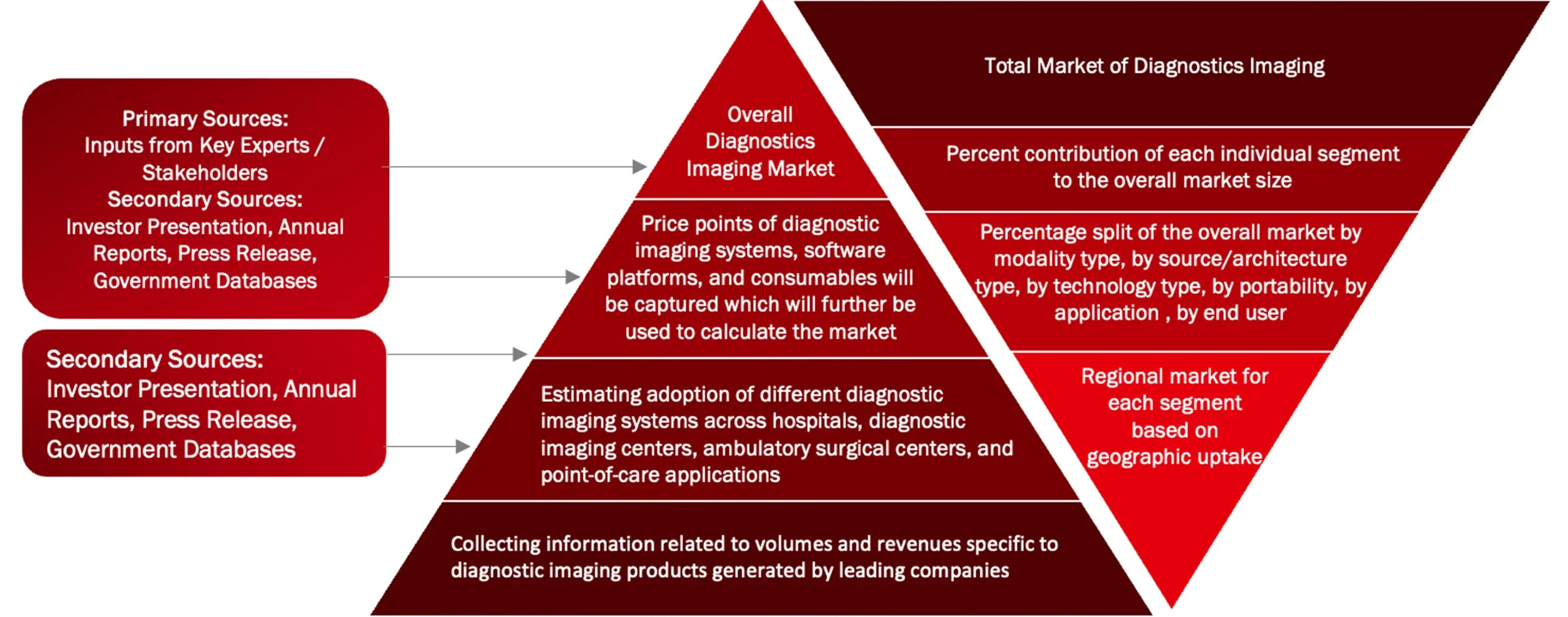
Market size estimation is performed using both top-down and bottom-up approaches. Key market players are identified, and their revenues are analyzed to estimate the overall market size.
The market is further segmented based on:
- Product and service mapping across regions
- Adoption patterns across key application segments
- Insights gathered through primary and secondary research
Data Validation and Research Design
After estimating the overall market size, the data is validated using triangulation methods and market breakdown techniques to ensure accuracy and consistency. Both demand-side and supply-side factors are considered to refine the analysis.
The final data is validated through multiple sources to ensure reliability and to provide accurate insights across all market segments and regions.
Assumptions of the Study
The analysis of the diagnostics imaging market is based on the following key assumptions:
- Trends in the industry are drawn from historical data and current information within the sector
- The future outlook is underpinned by constant economic conditions in the absence of shocks to the market
- The rate of adoption for diagnostics imaging will rise steadily in all important regions
- The income statement and market share figures are estimated using available information from the industry and publicly available data
- The exchange rate and price trends will not be greatly affected during the forecast period
Scope and Limitations
Scope of the Study
This report offers an exhaustive overview of the international diagnostics imaging market and includes the following components:
- Summary of market size, growth trends, and projections
- Carefully segmented market based on products, platform, sample, end users, by mode of acquiring and geography
- Discussion of primary factors influencing the market
- Competitor analysis
- Insights into regional and national market performance
Limitations of the Study
Despite the best efforts being made to keep the results accurate, the study does suffer from some limitations:
- It has been done using both primary and secondary data that come with their own constraints
- Rapid developments in technology might affect the future course of market dynamics
- Some figures are only approximations due to lack of public disclosure
- The report is not an insurance against any disruptions in macroeconomics and geopolitics
- Future forecasts are indicative and subject to change due to altered industry dynamics
Data Triangulation and Market Breakdown
Data triangulation involved the combination of primary research, secondary research, and the Wissen Research analysis. Once the data points were sourced from the secondary market research, we sanitized the data points to make the market sizing and growth forecast more accurate by developing our own assumptions based on the inputs and insights we gather through the primary interviews with the industry experts. Once the data was thoroughly validated through primary interviews from both, demand and supply side of the market, our team of analyst and other team members involved finalized the market sizing and growth forecast.
Data Triangulation Methodology
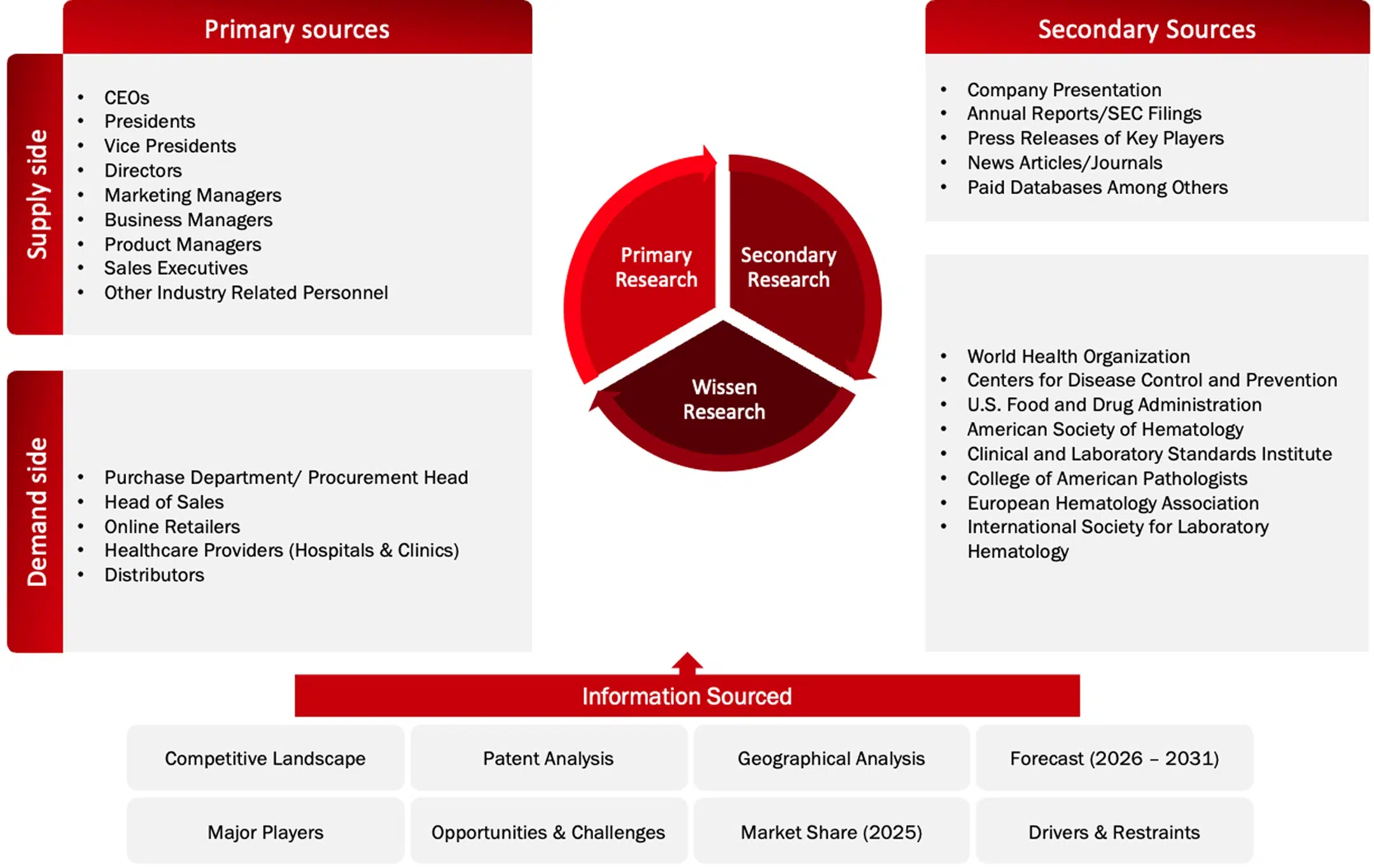
Sources: U.S. Food and Drug Administration, European Medicines Agency, National Institute of Standards and Technology, International Organization for Standardization, International Electrotechnical Commission, Federal Communications Commission, Occupational Safety and Health Administration, American National Standards Institute, Device Coordination Group, Company Website, Press Releases, Annual Reports, Paid Data Sources, and Wissen Research Analysis
Year Framework
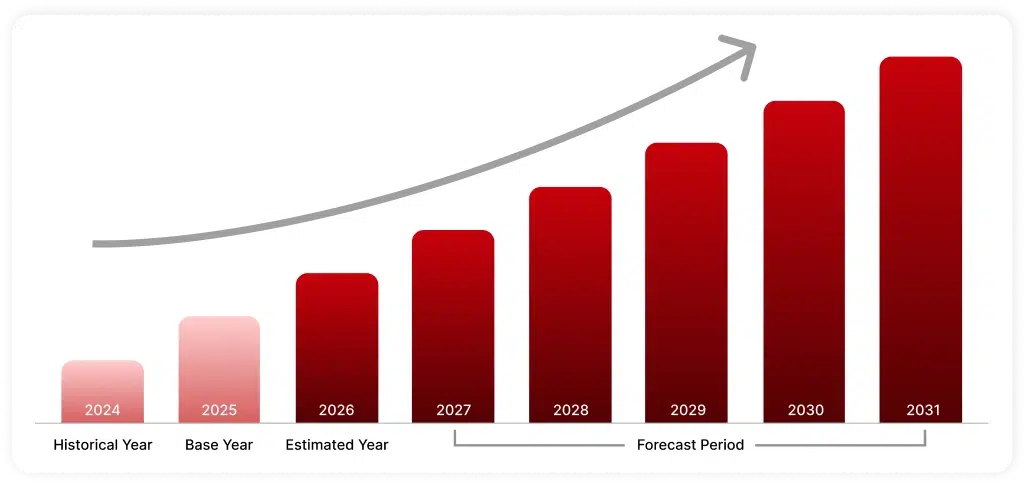
Bottom-Up Approach (Demand Side) And Top-Down Approach (Supply Side)
Bottom-Up Approach (Demand-Side Approach):
Determining the market size through the consolidation of demand among end-users, sectors, and geographic areas, which are calculated according to real-world demand conditions.
Top-Down Approach (Supply-Side Approach):
Calculating the market size through revenue and performance of the industry and its important companies, allocating the market size among various sectors.
Want detailed insights from this report?
Buy this Report
Choose the option that best fits your needs