
Microfluidics Market
Global Industry analysis, Size, Share, Growth, Trends, and Forecast 2026-2031
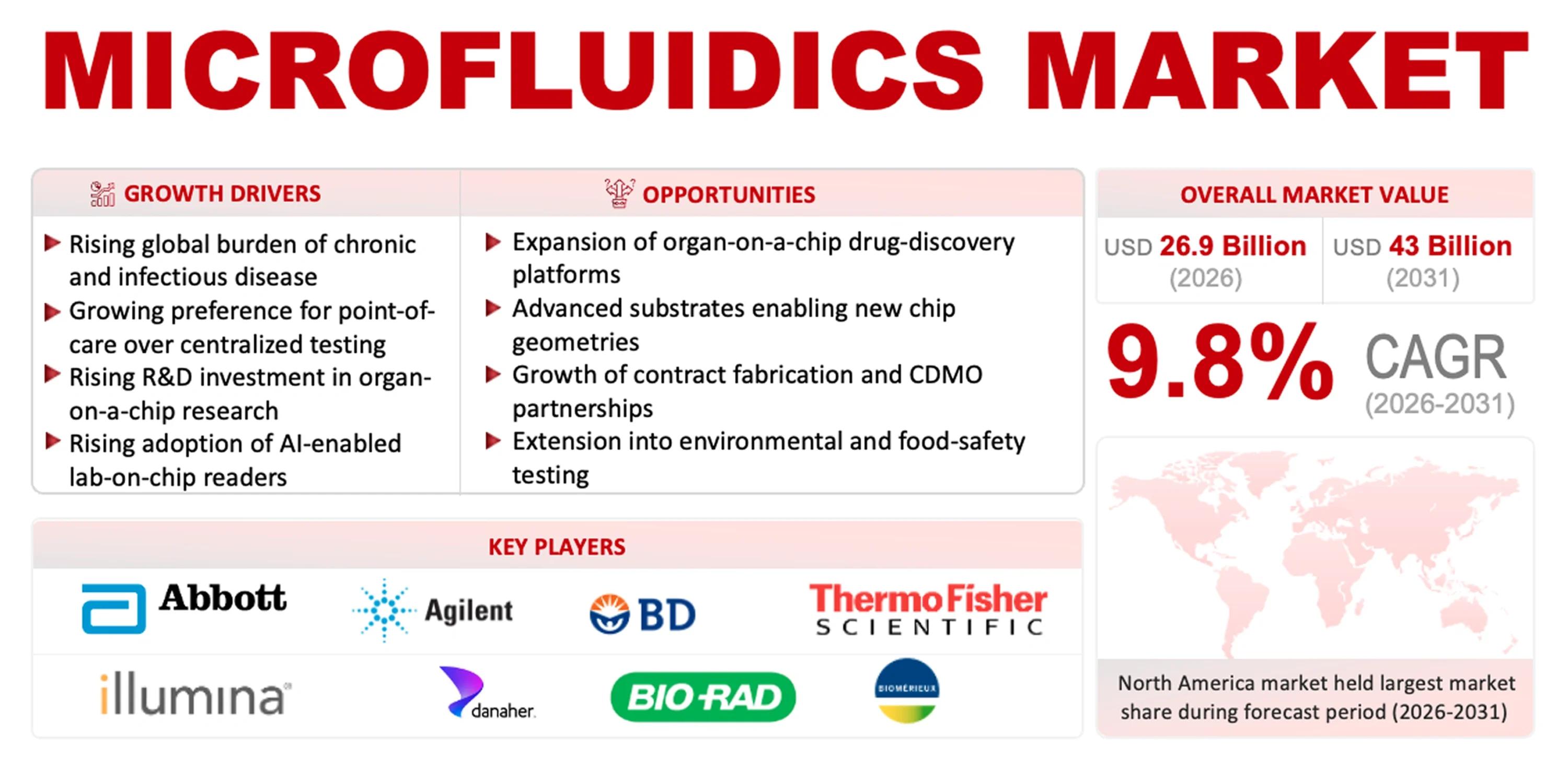
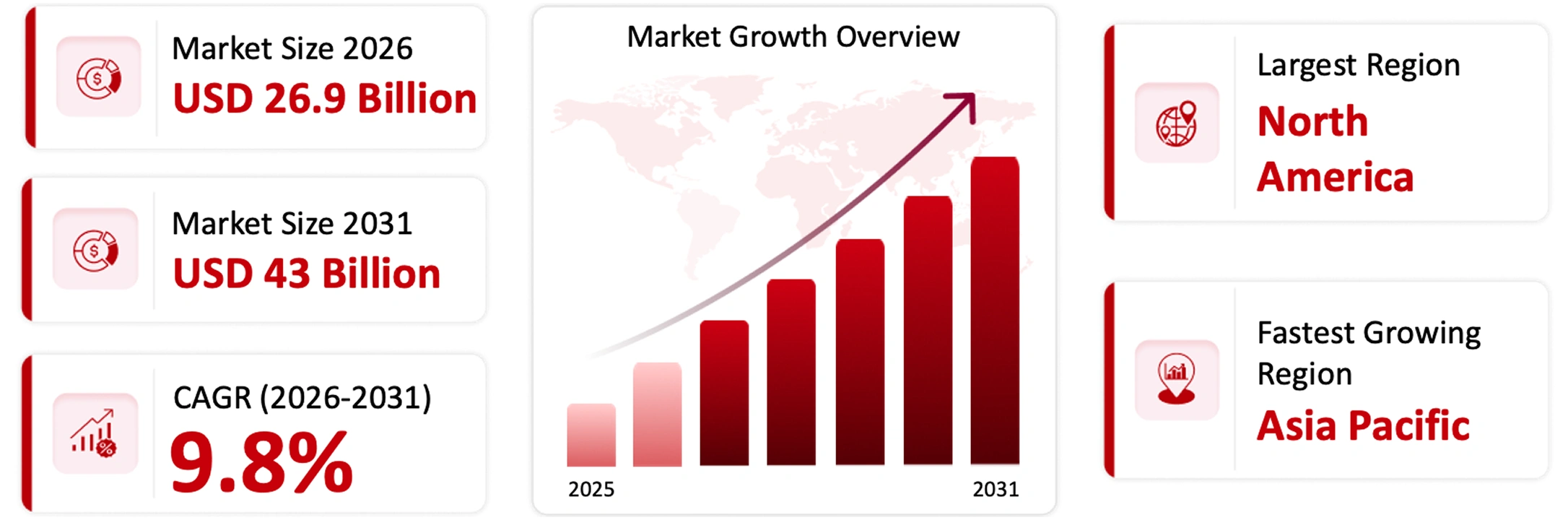
The global microfluidics market is projected to reach USD 43 billion by 2031, growing at a CAGR of 9.8% during the forecast period.
| Market Size (2026): | Forecast (2031): | CAGR (2026–2031): | Leading Region: | Fastest Growing Region: |
|---|---|---|---|---|
| $ 26.9 Billion | $ 43 Billion | 9.8 % | North America | Asia Pacific |
Summarize this report with:



Market Overview
Microfluidics is the science and engineering discipline that deals with controlling and manipulating volumes of liquids, typically in the microliter and nanoliter range, within channels typically ranging from micrometers to hundreds of micrometers in dimension. A single chip is capable of directing, blending, heating, and analyzing a sample via a network of etched or molded channels, reducing dependence on conventional laboratory infrastructure for specific analytical workflows. Reactions occur more rapidly due to the fluid’s confined space, leading to a significant decrease in reagent consumption. In many device types, microfluidic platforms enable decentralized and near-patient testing by reducing sample preparation steps, minimizing instrument complexity, and allowing faster analysis outside traditional laboratory environments. However, certain applications may still require trained personnel, specialized readers, quality control procedures, and regulatory validation before clinical deployment.
The market comprises the actual hardware constructed on this principle: the chips and cartridges containing the fluid network, and the supporting instrumentation such as pumps, valves, sensors, and controllers that enable fluid to flow through them and determine its outcome. This includes all the places where these systems are deployed – hospitals and clinical laboratories performing infectious diseases tests and cardiac screens, pharmaceutical and biotech companies performing drug screens on chips resembling organs, research institutions studying the behavior of individual cells, and forensics and environmental labs detecting contaminants and biological traces.
Based on the defined scope of microfluidic-enabled devices, components, and directly attributable platforms, the market is estimated at USD 26.9 billion in 2026 and is projected to reach USD 43 billion by 2031, growing at a CAGR of 9.8% over the 2026–2031 period.
Technology Overview
Microfluidic systems typically operate at low Reynolds numbers, where viscous and surface-tension forces play an important role in fluid behavior and laminar flow is common. Based on the design, fluid can be propelled through the network by an external pump, via centrifugal spinning, or solely through capillary action. As the sample moves, it can be divided into aliquots, mixed with reagents, heated up for amplification, or analyzed in a special detection zone within one tiny cartridge. Among such device types are lab-on-a-chip devices that incorporate sample preparation and detecting in one compact unit, organ-on-a-chip devices that simulate physiological functions of tissue to test drugs, and digital PCR and sequencing sample-preparation devices, as well as droplet-generation platforms for single-cell analysis. The ongoing development includes increasing channel integration, improving multiplexing capabilities, enhancing manufacturing scalability, integrating optical or electrochemical detection, and coupling platforms with software-based analysis.
Key Growth Drivers
- Rising global demand for point-of-care and decentralized diagnostic platforms that shorten the path between sample collection and clinical decision-making
- Expansion of personalized and precision medicine, which increasingly relies on high-throughput, low-volume molecular profiling that microfluidic platforms can support efficiently and cost-effectively
- Sustained pharmaceutical and biotechnology R&D investment in organ-on-a-chip and droplet-based single-cell systems to complement conventional cell and animal-based models in early-stage drug discovery
- Technological progress toward AI-integrated lab-on-chip analytics and multiplexed on-chip assays, expanding the range of clinical and research use cases
- Rapid build-out of diagnostic and life-science research infrastructure across developing economies
Microfluidics Market Key Highlights
Need deeper insights on this market?
Get full report access with detailed forecasts, competitive analysis, and segmentation.
Microfluidics Market Trends
The microfluidics sector is growing as manufacturers extend their chip integration into multifunctionality, couple their hardware with AI-driven analysis software, and expand platforms that were previously limited to niche labs into more widespread clinical and field environments. The rate of this transition quickened as initial investments in rapid, decentralized diagnostics during the pandemic timeframe translated into more extensive applications for chronic disease management and drug development.
One of the most popular trends includes the change from single-function chips that could perform only one test to multi-functional systems for sample preparation, amplification, and detection performed in one chip, while at the same time AI is being used more often to interpret the results automatically and quantify the output.
Growing Adoption of Organ-On-Chip in Pharma Research
Pharmaceutical companies are increasingly incorporating organ-on-a-chip data into preliminary toxicity and effectiveness assessments, employing chips designed to mimic the mechanical and biochemical conditions of particular human tissues. It is gaining interest in applications where conventional cell culture models may not fully replicate human physiological responses, particularly in drug toxicity and efficacy studies. Multi-organ chip designs linking more than one tissue type on a single platform are beginning to move from academic proof-of-concept into contract-research service offerings.
AI-Enabled Analytics Expanding in Microfluidic Diagnostics
Detection modalities integrated with microfluidic platforms continue to evolve. Machine-learning algorithms are increasingly being incorporated into selected handheld and benchtop readers to analyze fluorescence, morphology, and other optical signals, supporting automated interpretation and quantitative analysis.
Key Players in the Microfluidics Market
The major companies operating in the microfluidics industry are focusing on product innovation, development of lab-on-chip platforms, integration of microfluidics with molecular diagnostics and single-cell analysis, strategic collaborations, and expansion of manufacturing capabilities to strengthen their market position.







Strategic Activities Within the Microfluidics Market
HyperMelt (US) an emerging diagnostics startup, is developing a microfluidics-based platform that integrates sample digitization with thermal analysis to improve molecular characterization of cancer-related biomarkers. The technology is being explored for enhancing early cancer detection workflows by enabling sensitive analysis of biological samples and supporting liquid biopsy applications.
Parallel Fluidics (US) has secured $7 million in seed funding to accelerate the development of its microfluidic manufacturing platform designed for life science applications, including IVF, biotechnology research, and advanced laboratory workflows. The funding supports commercialization of scalable microfluidic systems and expansion of next-generation life science tools.
CEA-Leti (France) and Infiplast (France) have launched a dedicated microfluidics initiative focused on accelerating the industrialization and manufacturing of healthcare-oriented microfluidic devices, enabling the transition of laboratory-developed technologies into commercial products.
Microfluidics Market Insights
As drug developers incorporate microfluidic organ models into routine discovery processes and diagnostic and pharmaceutical companies expand platforms that were previously limited to specialized labs into decentralized and near-patient settings, the global microfluidics market is on a steady growth trajectory. Market growth is also supported by the increasing commercialization and regulatory clearance of microfluidic diagnostic platforms in key markets, although regulatory requirements continue to vary by product type and jurisdiction. According to projections, the market size is anticipated to reach USD 26.9 billion by 2026 and is expected to grow to USD 43 billion by 2031.
The in vitro diagnostics application segment dominates total consumption, including infectious disease panels, cardiac markers, and molecular POCTs. A rapidly growing application segment is pharmaceutical and life sciences research, which is due to the use of proteomics, genomics, and organ-on-a-chip technologies in early drug discovery. Hospital and diagnostic laboratory segments are the major segments among institutional buyers, while university research is a significant part of consumption that is growing because of the development of single cell and organ chip research at universities.
The main driver of demand arises from the necessity for accurate, small-volume fluid manipulation, a capability that microfluidic platforms can provide with advantages in sample volume reduction, portability, and workflow integration compared with many conventional laboratory approaches. Improvements in manufacturing processes for the channels and sensitivity of detection are enabling microfluidics platforms to be utilized in more critical decision-making in the clinic than just in the early stages of research. AI-enabled readers and connected reporting capabilities can support standardized data capture, traceability, and documentation, which are important considerations for regulated diagnostic workflows. Supply chain agreements between chip makers and diagnostic companies are also overcoming production hurdles.
Key developments include the trend towards fully integrated sample-to-answer cartridges, increasing reliance on AI for on-chip result interpretation, and broader use of organ-on-a-chip models in pharmaceutical research and development. However, it should be noted that significant friction exists within the industry, including high initial costs of instrumentation and validation of technologies compared to the cost of traditional lab instrumentation, legacy laboratory procedures that are resistant to switching to new technologies, and regulatory environment that is lagging behind technological developments, especially in the field of organ-chip and multiplex diagnostics.
The Asia-Pacific region will show rapid growth within the microfluidics market on account of increasing investments in diagnostics and research infrastructure, prevalence of chronic and infectious diseases, and rising government support for manufacturing local microfluidic devices. Growing investments in R&D and cross-border collaborations for manufacturing in China, India, and Japan are setting the stage for the region to emerge as an important contributor to global microfluidics demand.
Microfluidics Market Dynamics
Drivers: Rising Demand for Precision Diagnostics and Point-of-Care Testing
The primary factor affecting microfluidics market growth is the increasing burden of chronic and infectious diseases coupled with the ageing of the global population. Both factors ensure sustained demand for platforms that are able to diagnose and monitor patients with minimal time and volume of testing required. Healthcare organizations use microfluidic point-of-care platforms specifically to minimize the cost associated with the delay of samples delivery and batch testing.
Opportunities: Organ-on-a-Chip Expansion and AI-Integrated Analytics
The most promising area appears to be expanding organ-on-a-chip and multi-organ platforms into mainstream pharmaceutical discovery processes, an approach that is attracting new investments for chip design, tissue-culture integration, and validation studies. The growing trend towards AI-enabled analytics is leading to new adjacent areas in the monitoring of chronic diseases and decentralized research, where microfluidic chips were not applicable before.
Challenges: Cost, Validation, and Workflow Inertia
This issue persists in the form of the high costs involved in the integration of microfluidics instruments compared to conventional laboratory equipment, which poses particular difficulties in terms of acceptance by smaller research laboratories and institutions operating in cost-conscious environments. Expectations regarding the regulatory issues surrounding new devices and formats, particularly those being developed to complement or reduce reliance on certain animal-based studies, such as organ-chip platforms, are still under development, making it difficult for the industry to plan their products over a long period of time.
Technology and Market Insights
The microfluidics sector is at the intersection of materials science, precision manufacturing, and diagnostics, with research focused on channel and chip design for higher-density multiplexing, detection technologies that improve sensitivity compared with traditional laboratory methods, and software solutions that convert raw optical or electrochemical signals into measurable, auditable outcomes. Collaboration between microfluidic platform developers and contract manufacturers is becoming increasingly common as a means of reducing time to market. This trend is further supported by the growing number of mid-sized companies with strong R&D capabilities but without extensive in-house manufacturing infrastructure, leading them to leverage external manufacturing partners for scalable production.
Technology Scope and Products
Microfluidics Market Segmentation
Want detailed insights from this report?
Industry Developments and Competitive Landscape
The competitive landscape includes two broad models. Diversified life-science companies increasingly compete by offering integrated workflows spanning chips, instruments, consumables, and analytical software, supported by established regulatory capabilities and distribution networks. Specialized companies, meanwhile, focus on specific technical areas such as microfluidic fabrication, organ-on-chip platforms, droplet generation, or flow control. Many smaller companies rely on external manufacturing partners to scale production without investing in extensive in-house manufacturing infrastructure.
In 2025, consumable microfluidic products, including disposable chips, cartridges, and assay-specific consumables, represented a significant recurring-revenue segment of the market. Unlike capital-intensive instruments and readers, these consumable products are frequently replaced as testing volumes increase, supporting recurring demand. Growth in high-volume diagnostic and life-science workflows is also encouraging manufacturers to develop scalable production processes for disposable microfluidic components.
North America’s leading position in 2025 is supported by the strong presence of established diagnostics and life science companies, a mature biotechnology ecosystem, significant R&D investment, availability of venture capital, and concentration of microfluidic device manufacturers, component suppliers, and research institutions across major biotech clusters. The region’s experience with regulatory pathways for diagnostic technologies further supports commercialization and adoption of microfluidic platforms. Examples of major companies contributing to the regional ecosystem include Thermo Fisher Scientific and Bio-Rad Laboratories; however, the competitive strength of the region also comes from its broader network of specialized suppliers, research institutions, and investors.
What This Report Covers-
This report provides a comprehensive analysis of the microfluidics market, offering insights into key trends, growth drivers, challenges, and future opportunities. It is designed to support strategic decision-making through a combination of quantitative data and qualitative analysis.
Specifically, the report covers:

Market Overview & Definition:
Overview of the market scope, structure, and key terminology

Market Size & Forecast:
Historical data and future projections across key segments and regions

Key Market Trends:
Insights into emerging trends, technological advancements, and evolving demand patterns

Drivers, Restraints & Opportunities:
Analysis of key factors influencing microfluidics market growth

Competitive Landscape:
Overview of major players, their strategies, and recent developments

Detailed Patent Analysis:
which includes, top assignees, geography focus of top assignees, legal status, technology evolution, key patents and patent trends and innovations

Segmentation Analysis:
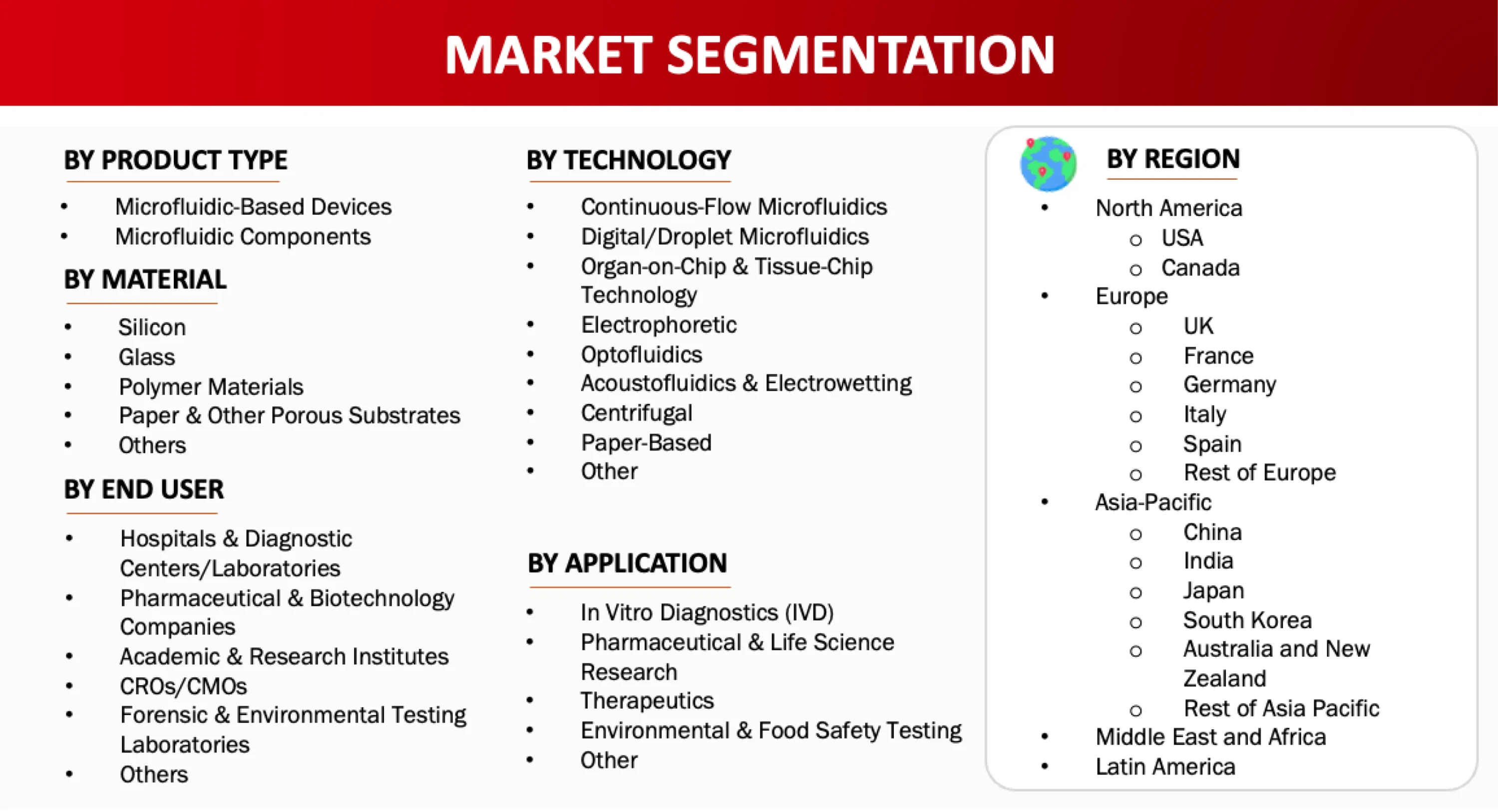
Breakdown by product type, material, technology, application, end user, and region

Regional Insights:
Key regional trends and growth opportunities

Future Outlook:
Strategic insights and future market direction
Research Methodology
The analysis of the microfluidics market is based on a combination of primary and secondary research approaches, complemented by data validation and analytical assessment to ensure the accuracy, consistency, and reliability of market findings.
Market Definition: Microfluidics Market
The microfluidics market covers the design, manufacture, and supply of devices and components that manipulate fluid volumes at the microliter and nanoliter scale within engineered channels, for use in diagnostic, therapeutic, and life-science research settings. Microfluidic devices such as lab-on-a-chip and organ-on-a-chip devices, PCR and DNA sequencing sample preparation systems, capillary electrophoresis equipment and droplet generation platforms, and microfluidic components such as chips, micropumps, valves, flow/pressure sensors, and microneedles constitute the microfluidics market. For market sizing purposes, revenues are included only where microfluidics represents a core enabling technology or a directly attributable component of the product or platform; revenues from broader analytical systems where microfluidics is only a minor subsystem are excluded.
These devices have become more and more sophisticated and integrate precise channel structures with digital detection mechanisms and AI-driven interpretation to enhance the sensitivity, throughput, and traceability of their results to approach laboratory grade level but operate outside of the laboratory environment. Technology categories in microfluidic devices can be classified as continuous flow, digital/droplet, organ-on-chip, and centrifugal microfluidics. Such devices cater to hospitals, diagnostics laboratories, pharmaceutical companies, biotech firms, academic institutions/research centers, and CROs/CMOs in various application areas including IVD, pharmaceutical and life science research, drug delivery/therapeutics, and environmental/food safety testing.
Key Stakeholders
The microfluidics market involves a diverse ecosystem of stakeholders:
- Microfluidic Device & Component Manufacturers
- Microfluidic Chip Fabricators & Material Suppliers (silicon, glass, polymer)
- Instrument, Sensor & Flow-Control Component Suppliers
- In Vitro Diagnostics & Point-of-Care Testing Companies
- Contract Research & Manufacturing Organizations (CROs/CMOs)
- Pharmaceutical and Biotechnology Companies
- Hospitals and Healthcare Providers
- Diagnostic Laboratories
- Distributors and Value-Added Resellers
- Academic and Research Institutions
- Regulatory and Government Bodies
- Investors and Industry Associations
Key Objectives of the Study
- To define, describe, analyze, segment, and forecast the microfluidics market by product type, material, technology, application, end user, and region
- To describe and forecast the market for four key regions: North America, Europe, Asia Pacific, and Rest of the World
- To provide detailed information regarding key drivers, restraints, opportunities, and challenges influencing market growth
- To strategically analyze the micro indicators with respect to individual growth trends, prospects, and contributions to the overall market size
- To analyze opportunities for stakeholders in the microfluidics industry and emphasize the competitive landscape of the market
- To develop competitive benchmarking of key market players based on technology specifications, product offerings, and end-user applications
- To strategically profile key players and comprehensively analyze their product portfolios, technological capabilities, and core competencies
Need deeper insights on this market?
Get full report access with detailed forecasts, competitive analysis, and segmentation.
Research Approach
This research employs a systematic approach by using primary research along with secondary research to achieve full coverage and accuracy of information about the microfluidics sector. Through this approach, the current market trends in terms of consumer behavior, technological developments, and competitive environment can be analyzed thoroughly.
Secondary Research
Secondary research involves the collection of data from reliable sources such as industry databases, company annual reports, investor presentations, and regulatory filings. This process helps in understanding market trends, identifying key players, and gathering technical and commercial insights.
A comprehensive database of leading companies and market participants is developed through secondary research to support further analysis.
Primary Research
Primary research is conducted to validate findings from secondary research and to gain deeper insights into market dynamics. Interviews are carried out with industry stakeholders across both demand and supply sides, including executives such as R&D leads, commercial leadership at device and component manufacturers, procurement and technical decision-makers at hospitals, diagnostic labs, and research institutions, CXOs, Vice Presidents, and Directors from business development, marketing, and product teams.
Data is collected through structured questionnaires, email interactions, and telephonic interviews across key regions including North America, Europe, Asia-Pacific, and Rest of the World.
Market Size Estimation
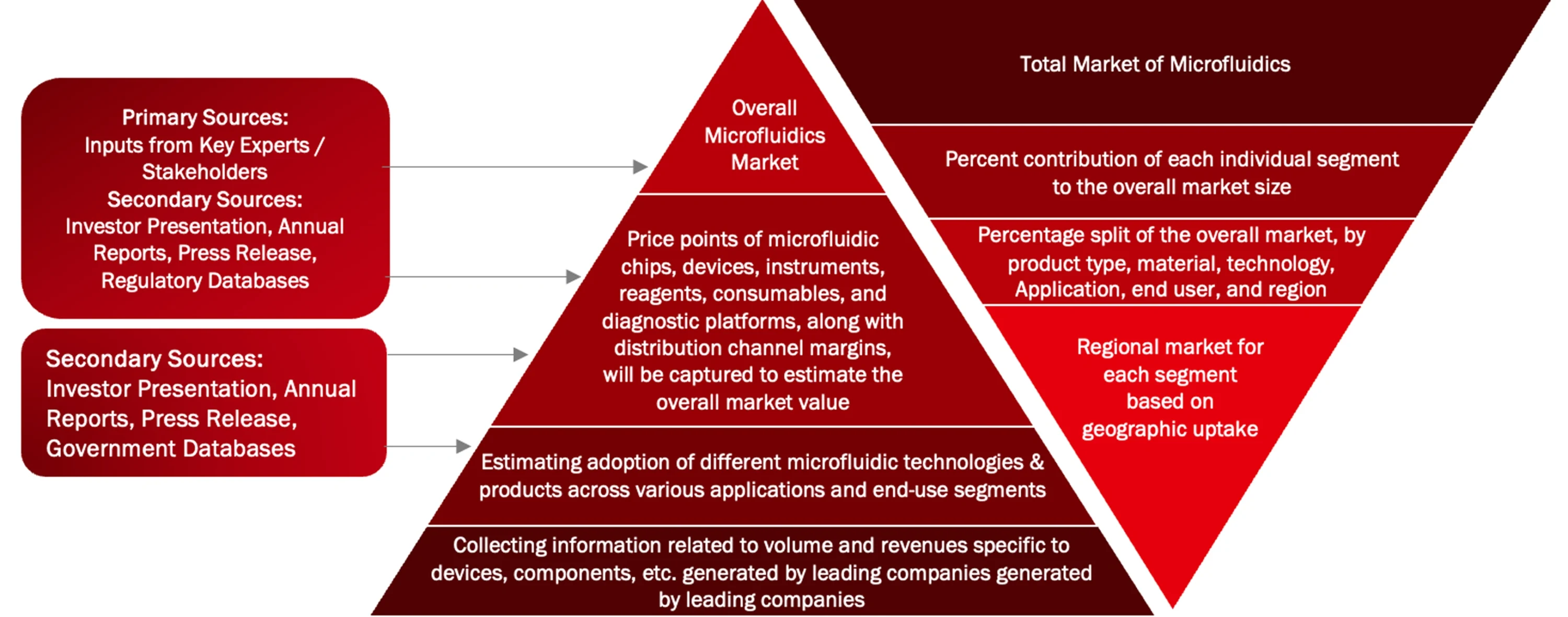
Market size estimation is performed using both top-down and bottom-up approaches. Key market players are identified, and their revenues are analyzed to estimate the overall market size.
The market is further segmented based on:
- Product and service mapping across regions
- Adoption patterns across key application segments
- Insights gathered through primary and secondary research
Data Validation and Research Design
After estimating the overall market size, the data is validated using triangulation methods and market breakdown techniques to ensure accuracy and consistency. Both demand-side and supply-side factors are considered to refine the analysis.
The final data is validated through multiple sources to ensure reliability and to provide accurate insights across all market segments and regions.
Assumptions of the Study
The analysis of the microfluidics market is based on the following key assumptions:
- Trends in the industry are drawn from historical data and current information within the microfluidics sector
- The future outlook is underpinned by constant economic conditions in the absence of major shocks to the market
- The adoption rate of microfluidics technologies will rise steadily across all important regions
- Market size and market share figures are estimated using available information from the industry and publicly available data
- The regulatory frameworks, R&D spending, and pricing conditions are assumed not to be significantly disrupted during the forecast period
Scope and Limitations
Scope of the Study
This report offers an exhaustive overview of the international microfluidics market and includes the following components:
- Summary of market size, growth trends, and projections
- Carefully segmented market based on product type, material, technology, application, end user, and geography
- Discussion of primary factors influencing the market
- Competitor analysis
- Insights into regional and national market performance
Limitations of the Study
Despite the best efforts being made to keep the results accurate, the study does suffer from some limitations:
- It has been done using both primary and secondary data that come with their own constraints
- Rapid developments in technology might affect the future course of market dynamics
- Some figures are only approximations due to lack of public disclosure
- The report is not an insurance against any disruptions in macroeconomics and geopolitics
- Future forecasts are indicative and subject to change due to altered industry dynamics
Data Triangulation and Market Breakdown
Data triangulation involved the combination of primary research, secondary research, and the Wissen Research analysis. Once the data points were sourced from the secondary market research, we sanitized the data points to make the market sizing and growth forecast more accurate by developing our own assumptions based on the inputs and insights we gather through the primary interviews with the industry experts. Once the data was thoroughly validated through primary interviews from both, demand and supply side of the market, our team of analyst and other team members involved finalized the market sizing and growth forecast.
Data Triangulation Methodology
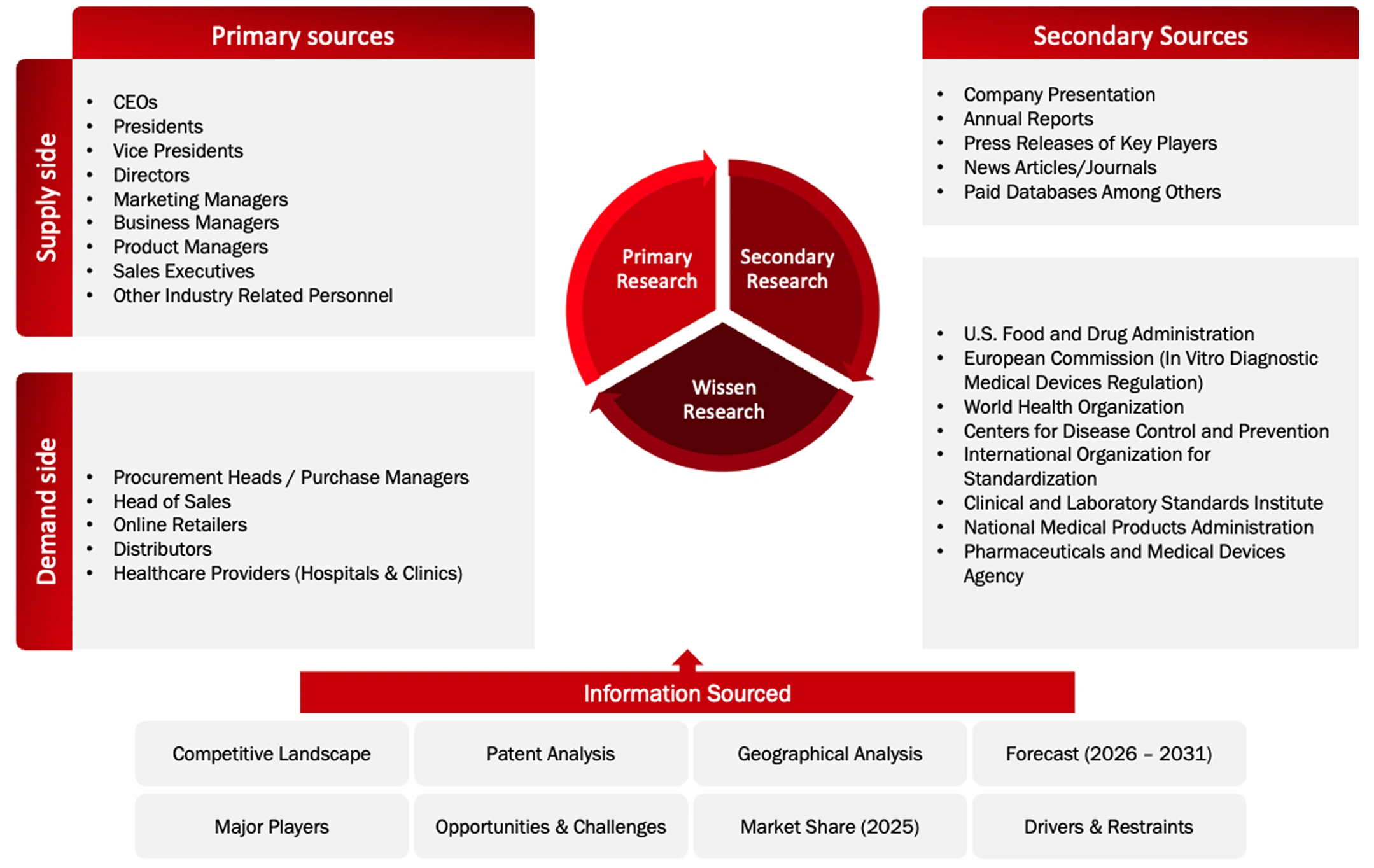
Sources: U.S. Food and Drug Administration, European Medicines Agency, EU In Vitro Diagnostic Regulation (IVDR) notified-body registries, China National Medical Products Administration, International Organization for Standardization (ISO), International Electrotechnical Commission, company websites, press releases, annual reports, paid industry databases, internal analysis, and Wissen Research Analysis.
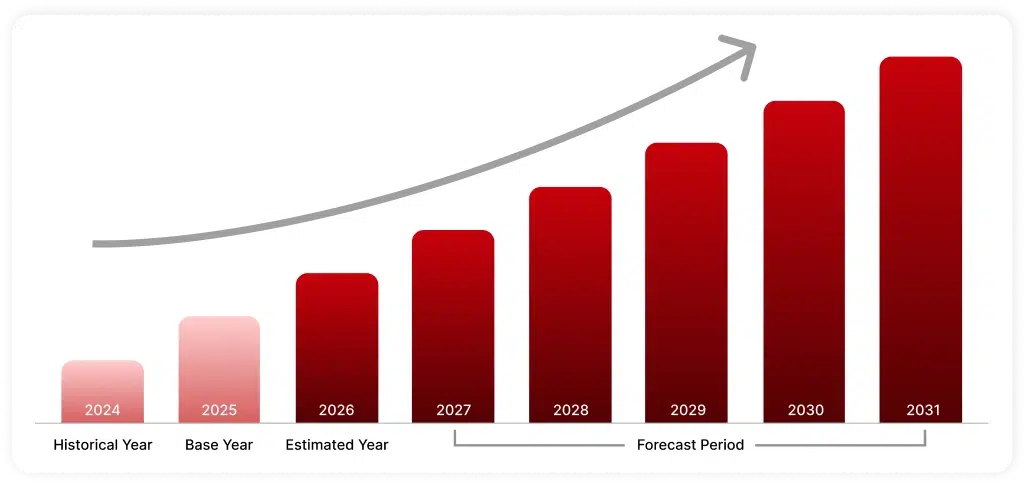
Year Framework
Bottom-Up Approach (Demand Side) And Top-Down Approach (Supply Side)
Bottom-Up Approach (Demand-Side Approach):
Determining the market size through the consolidation of demand among end-users, sectors, and geographic areas, which are calculated according to real-world demand conditions.
Top-Down Approach (Supply-Side Approach):
Calculating the market size through revenue and performance of the industry and its important companies, allocating the market size among various sectors.
Want detailed insights from this report?
Buy this Report
Choose the option that best fits your needs