
Executive Summary
Skin cancer is the most frequently diagnosed cancer in the United States, with nearly one in five Americans expected to develop it during their lifetime. Every day, around 9,500 people in the U.S. are diagnosed with skin cancer. According to the National Cancer Institute, an estimated 112,000 new cases of melanoma are expected in 2026, accounting for 5.3% of all new cancer cases, while approximately 8,510 deaths are projected, representing 1.4% of all cancer-related deaths. The highest global incidence is observed in regions with strong UV radiation exposure and populations primarily composed of individuals with fair skin types.
Despite the growing public health burden and the critical role of photoprotection in skin cancer prevention, the United States continues to lag behind most countries in access to advanced sunscreen technologies. For more than two decades, regulatory constraints have limited the introduction of next-generation UV filters (Figure 1), particularly broad-spectrum agents that provide stable and effective UVA protection. This innovation gap has persisted even as the science of sun care has evolved rapidly, driven by advances in photoprotection, formulation technology, and sustainability. Researchers are developing modern UV filters that not only offer superior protection against harmful radiation but also deliver improved cosmetic elegance, enhanced compatibility with skincare products, and reduced environmental impact. In a landmark development, the FDA’s proposed approval of Bemotrizinol (BEMT) represents the first significant addition to the U.S. sunscreen filter portfolio in over 25 years. This long-awaited regulatory shift may signal the beginning of a new era for sunscreen innovation, bringing the United States closer to global standards and expanding access to more effective sun protection technologies.
-
A 34-to-16 UV filter approval gap: Europe offers more than twice as many UV filters as the United States, underscoring decades of regulatory stagnation and limited access to next-generation sun protection technologies.
-
Bemotrizinol — Bemotrizinol (BEMT / PARSOL Shield) proposed by FDA Dec 2025; final approval expected June 2026 – first new US filter in 26 years. A single regulatory decision made in 2003 froze US sunscreen innovation for 22 years. DSM-Firmenich gets 18-month exclusive right on BEMT post-approval – a significant first-mover commercial advantage.
-
Every global brand is quietly managing the two-product problem: The same La Roche-Posay Anthelios sunscreen sold in Paris and sold in New York contains completely different active ingredients.
-
Beauty of Joseon, Biore and virtually every leading K-beauty sunscreen cannot be legally sold in the US in their current formula. The elegance gap between Korean and American is not a formulation skill gap. It is a regulatory consequence.
-
High SPF does not mean high UVA protection: Most US-approved filters were designed primarily for UVB. UVA — the rays that cause melanoma and deep skin ageing — requires a different class of filters, most of which are blocked in the US.
-
The technology of sun protection has moved far beyond SPF numbers. From DNA repair enzymes and encapsulated UV filters to biotech-produced actives and visible-light defence, the sunscreen industry is entering an era where protection extends beyond prevention to active skin repair and long-term health preservation.
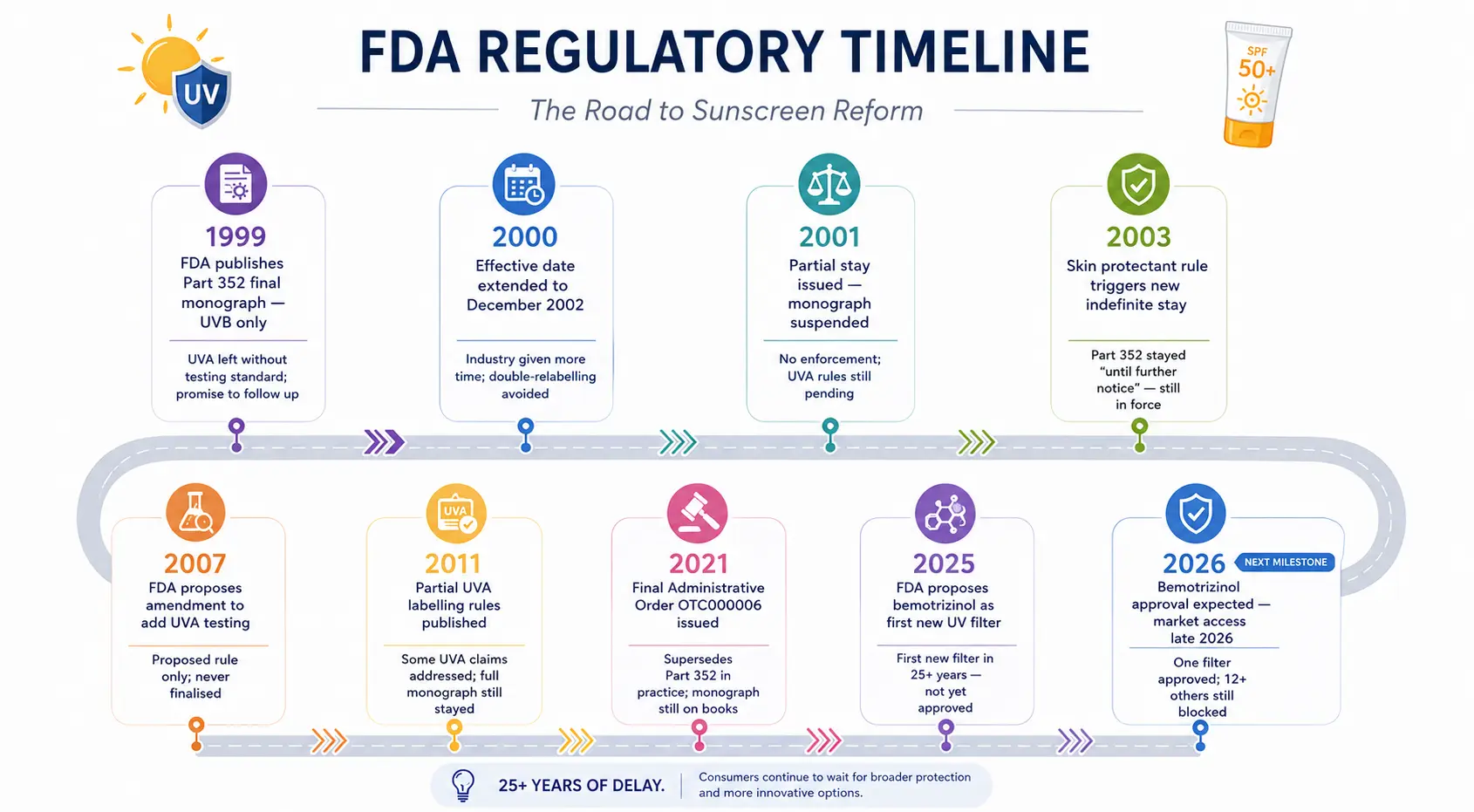
Figure 1: From OTC Monograph to BEMT Approval: FDA’s Regulatory Evolution
Research Methodology
The research methodology adopted for this study was designed to ensure comprehensive, multi-dimensional coverage of the global sunscreen regulatory landscape, competitive dynamics, and emerging market trends. The approach combined systematic review of primary regulatory sources, scientific literature, and commercial intelligence inputs, structured across five distinct but interrelated research streams that together form the evidentiary foundation of this report.
Online Research: The online research stream encompassed a broad and systematic review of the product and commercial landscape through company websites, ingredient supplier technical datasheets, product portfolio disclosures, and industry intelligence reports from Mintel, Euromonitor International, Grand View Research, and In-Cosmetics Global. Competitive and consumer intelligence was further gathered through trade publications (WWD Beauty).
Regulatory Literature & Primary Source Review: The regulatory research stream was built entirely upon direct review of official documentation and government portals maintained by the world’s leading health and cosmetic regulatory authorities, including the Food and Drug Administration (FDA) official website, the Federal Register, the European Commission Cosmetics Portal, EU Cosmetics Regulation (EC) No. 1223/2009, the CosIng cosmetic ingredient database, and scientific opinions published by the Scientific Committee on Consumer Safety (SCCS). The Japanese and South Korean regulatory frameworks were examined through official guidance documents published by Japan’s Ministry of Health, Labour and Welfare (MHLW) and South Korea’s Ministry of Food and Drug Safety (MFDS) respectively, providing the comparative foundation for the cross-market regulatory mapping at the core of this study.
Scientific Literature Review: The scientific literature review was conducted to validate the performance, photostability, and safety profiles of advanced UV protection technologies, with peer-reviewed publications systematically retrieved from Scopus, Web of Science, ScienceDirect, PubMed, and Google Scholar using targeted search terms including “UV filter photostability”, “Bemotrizinol UVA protection efficacy”, “avobenzone photodegradation”, “bisoctrizole performance comparison”, and “microbiome sunscreen compatibility”. This stream enabled an evidence-based comparison of UVA protection factor data, critical wavelength performance, and cosmetic compatibility across filter systems, quantifying the performance gap between US-approved legacy filters and next-generation alternatives including BEMT, bisoctrizole, Mexoryl XL, and Uvinul A Plus. Emerging literature on microbiome-sunscreen interactions, reef-safe formulation chemistry, and bio-derived UV filter candidates including marine-derived mycosporines was also reviewed to assess the frontier of UV filter innovation and its long-term strategic implications.
TECHNOLOGY LANDSCAPE
Ultraviolet (UV) radiation forms part of the electromagnetic spectrum, extending from 100 to 400 nm and preceding the visible light region. UVA (315–400 nm) and UVB (280–315 nm) are harmful forms of UV radiation. UVB mainly causes sunburn and is measured by SPF, while UVA penetrates deeper into the skin, contributing to aging and cellular damage. The effects of the UVA appear much later than the acute effects caused by UVB radiations. UVA radiation interacts with skin cells to generate highly reactive free radicals, which can indirectly cause DNA mutations that may lead to cancer if left unrepaired. Broad-spectrum sunscreens provide protection against both UVA and UVB radiation.
Sunscreens protect the skin from UV-induced damage through two primary mechanisms: Inorganic (mineral) filters such as zinc oxide and titanium dioxide reflect and scatter UV radiation away from the skin, while Organic (chemical) filters absorb UV energy and convert it into harmless heat, thereby reducing UV penetration and minimizing skin damage (Figure 2). The stability of organic sunscreen ingredients and excipients must be carefully evaluated, as some compounds may become unstable upon exposure to UV radiation. In contrast, inorganic sunscreens generally demonstrate greater stability and lower toxicity concerns.
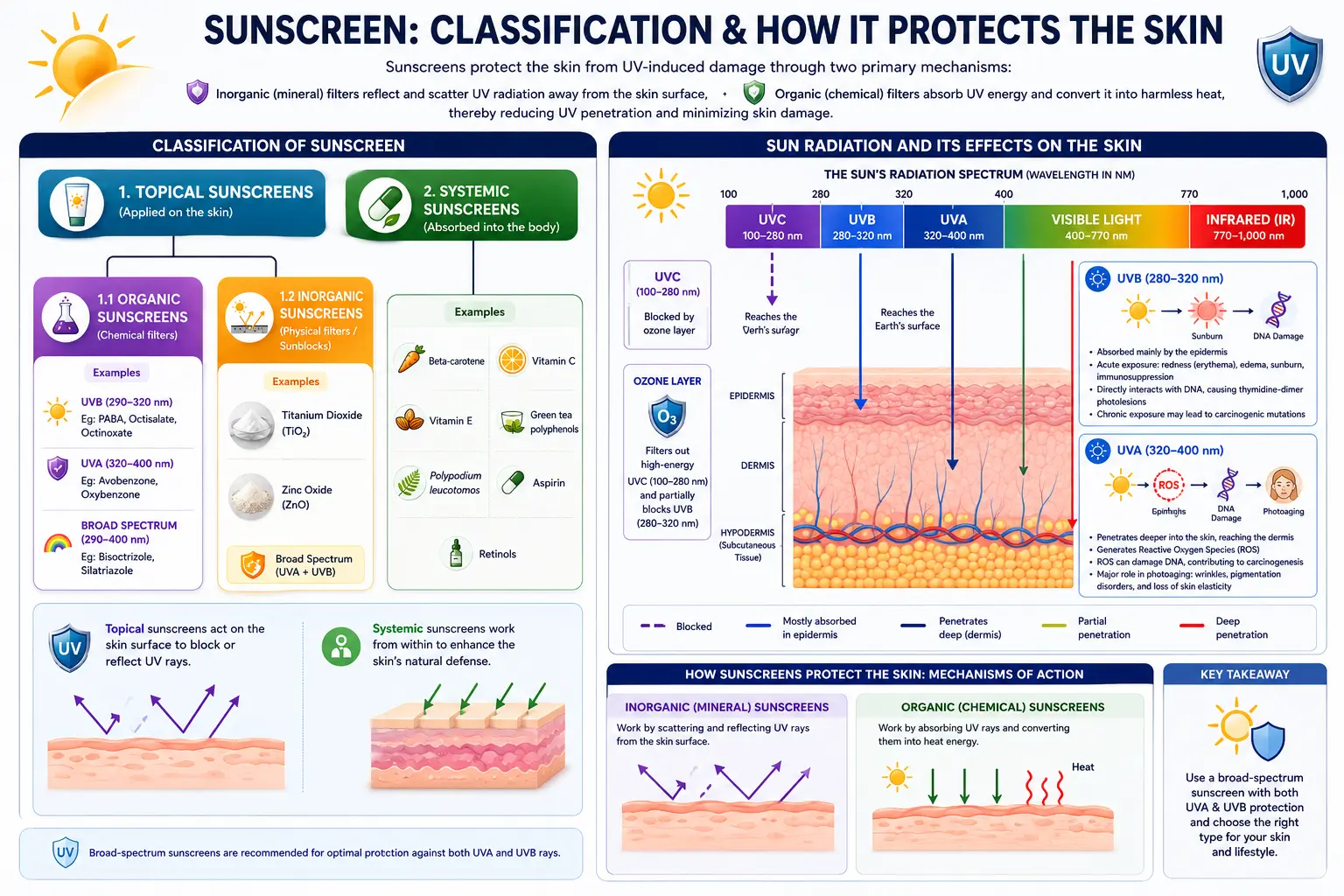
Figure 2: Sunscreen Classification and Mechanisms of Skin Protection
The U.S. FDA classifies sunscreen active ingredients based on their Generally Recognized as Safe and Effective (GRASE) status. Category I (GRASE) includes filters with sufficient evidence of safety and efficacy, currently limited to zinc oxide and titanium dioxide. Category II (Not GRASE) includes ingredients such as PABA and trolamine salicylate, which have been deemed unsafe or ineffective. Category III (Insufficient Data) comprises UV filters for which additional safety and absorption data are required before a final GRASE determination can be made (Figure 3).
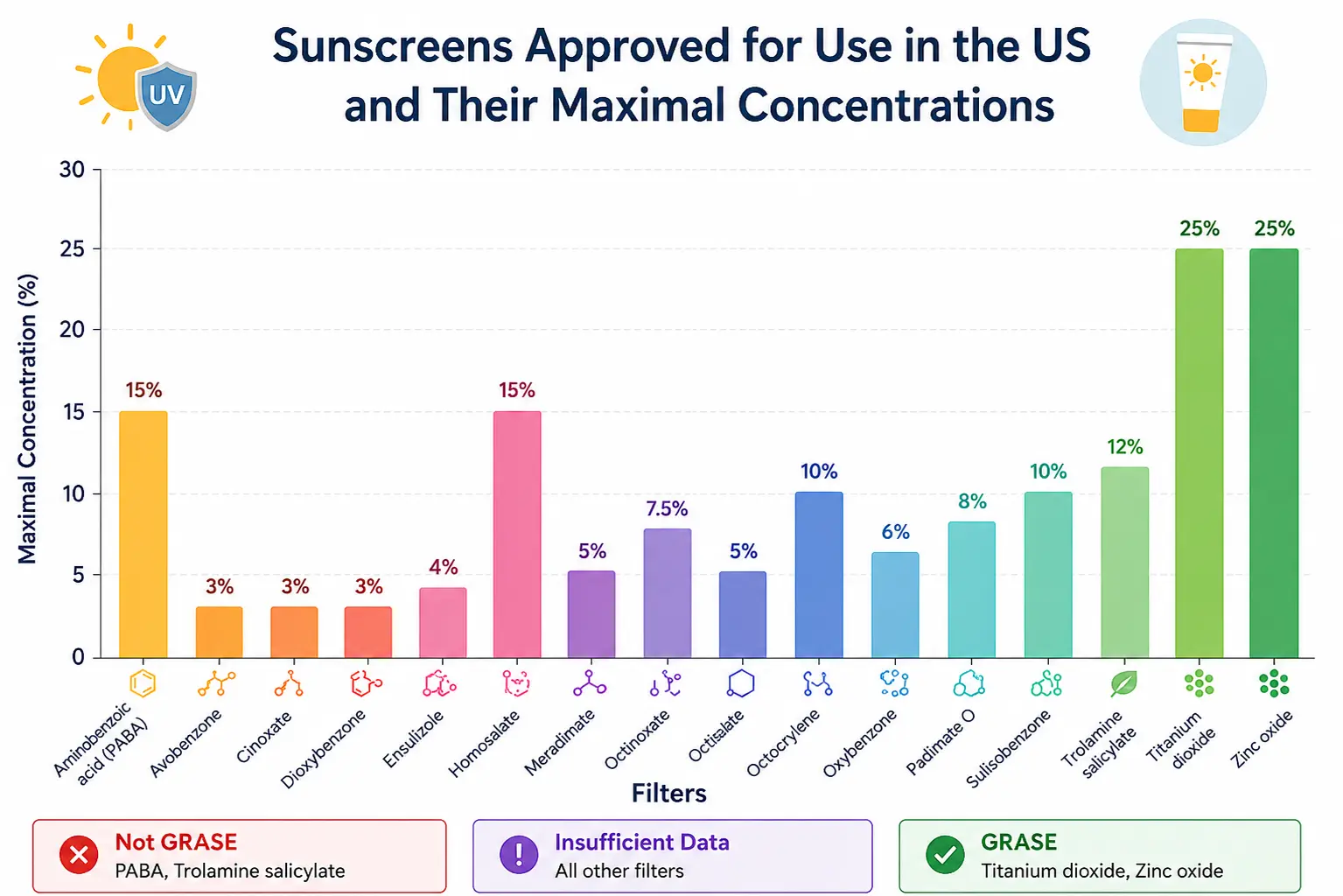
Figure 3: FDA Classification of UV Filters and Permitted Use Levels

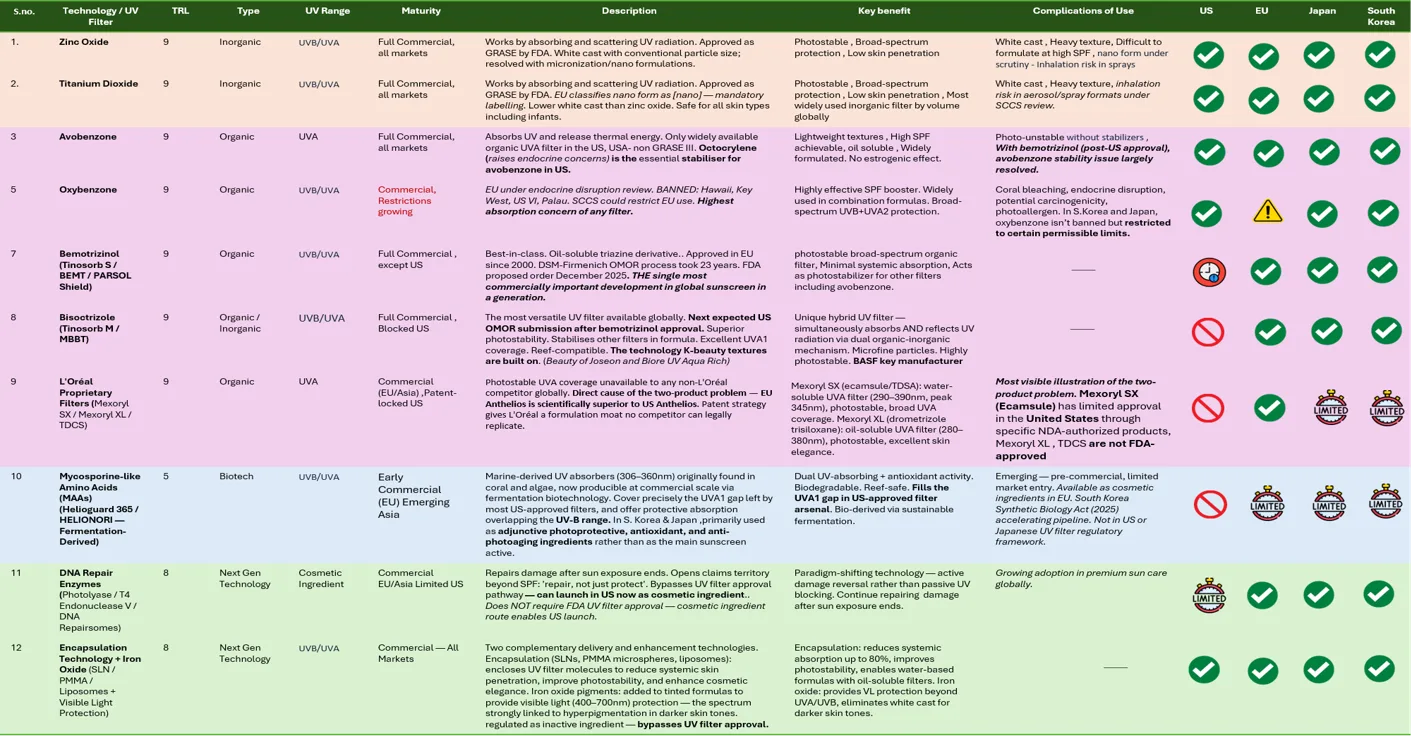
Table 1: Technology Maturity Assessment of Advanced UV Protection Technologies
Note: Limited refers to the availability in niche or premium formulations with restricted commercial adoption; primarily used as a supportive photoprotective or antioxidant technology rather than a mainstream sunscreen ingredient.
Why This Matters for FORMULATORS?
- Avobenzone the only FDA-approved full UVA chemical filter – is notoriously photo-unstable and degrades in sunlight, requiring complex stabilization systems.
- US formulators cannot use photostable UVA filters (BEMT, Uvinul A Plus) that make formulation far easier and result in lighter, more elegant textures.
- Mineral filters (zinc oxide, titanium dioxide) provide broad-spectrum coverage but leave a white cast – especially problematic for darker skin tones.
- European, Japanese and Korean sunscreens achieve SPF 50+ with lighter, more elegant textures precisely because they can use efficient filters at lower concentrations.
- Post-BEMT approval, US formulators will have access to the most efficient broad-spectrum chemical filter available globally.
Bemotrizinol (BEMT) – The Game Changer
The significance of Bemotrizinol (BEMT) for the U.S. sunscreen market cannot be overstated. With absorption peaks in both the UVB and UVA regions, BEMT provides broad-spectrum protection through a single highly photostable molecule, reducing reliance on complex stabilization systems. Its high molecular weight results in minimal skin penetration, aligning well with FDA safety expectations. In addition, BEMT is oil-soluble, highly formulation-compatible, and effective at relatively low concentrations, allowing formulators greater flexibility to incorporate antioxidants, sensorial enhancers, and skincare-active ingredients.
In practical terms, BEMT has been a key enabler of the lightweight, elegant sunscreen formulations that have become synonymous with European and Asian markets. Its introduction into the United States creates an opportunity for American formulators to develop products with improved protection, photostability, and consumer aesthetics that more closely align with global sunscreen innovation standards.
Property | Detail |
|---|---|
Chemical Name | Bis-Ethylhexyloxyphenol Methoxyphenyl Triazine (BEMT) |
Trade Names | Tinosorb S (BASF), PARSOL Shield (DSM-Firmenich), AakoSun BEMT, Escalol S |
Protection | Broad-spectrum UVA + UVB; dual absorption peaks at 310nm (UVB) and 340nm (UVA) |
Photostability | Highly photostable – does not degrade in sunlight; also stabilises less stable filters like avobenzone |
Skin Absorption | Minimal systemic absorption due to high molecular weight – key advantage over older chemical filters |
Allergenic Potential | Very low – only a few published contact dermatitis reports in over 20+ years of global use |
Global Track Record | Approved in EU since 2000; used safely in Europe, Australia, and Asia for 25+ years |
US Proposed Max Conc. | 6% (EU allows up to 10%) |
FDA Proposed Order | December 11, 2025 – GRASE status proposed; public comment period closed January 26, 2026; final order expected in 2026 |
Exclusivity | DSM-Firmenich gets 18-month exclusive marketing rights post-approval; after that, all manufacturers can use BEMT |
Table 2: Bemotrizinol (BEMT) Key Characteristics and Regulatory Overview
The Sunscreen Doping Crisis
In the United States, “sunscreen doping” has emerged as a strategy to bypass regulatory limitations on newer UV filters. “Sunscreen doping” refers to the practice of incorporating UV-absorbing compounds into the inactive ingredient portion of sunscreen formulations without FDA approval as active sunscreen ingredients. Compounds such as butyloctyl salicylate and ethyl ferulate, which are structurally similar to approved UV filters (octisalate), can enhance both UVB and UVA-2 protection. However, because they are classified as cosmetic ingredients rather than active sunscreen agents, this practice raises concerns regarding regulatory consistency, transparency, and safety. Sunscreens contain active ingredients that protect against UV radiation and inactive ingredients that mainly improve product texture and appearance. However, this distinction becomes unclear when some inactive ingredients also exhibit UV-absorbing properties. This crisis highlights both the inadequacy of approved filters and the enforcement gap in the US regulatory system.
REGULATORY APPROVALS
Sunscreen regulations vary significantly across the United States, European Union (EU), South Korea, and Japan, reflecting different regulatory philosophies and approaches to public health protection. In the United States, sunscreens are regulated by the U.S. Food and Drug Administration (FDA) as over-the-counter (OTC) drugs, requiring manufacturers to meet rigorous standards for safety, efficacy, quality, and product labelling. The regulatory framework is primarily established under the Federal Food, Drug, and Cosmetic Act of 1938, which governs the approval and marketing of sunscreen products. To facilitate the assessment of innovative ultraviolet (UV) filter technologies, the Sunscreen Innovation Act (2014) was introduced, providing a structured pathway for the review and potential approval of new sunscreen active ingredients. Despite this framework, the approval of novel UV filters in the United States has generally progressed more slowly compared with several other global markets. Within the European Union, cosmetic products, including sunscreens, are regulated under Cosmetic Regulation (EC) No. 1223/2009, which became fully applicable in 2013 allows a broader range of approved UV filters. The EU regulatory framework is recognized for its rigorous safety standards and for implementing a complete ban on animal testing for cosmetic products and ingredients, as well as prohibiting the marketing of cosmetics developed using animal testing. South Korea classifies sunscreens as functional cosmetics under the supervision of the Ministry of Food and Drug Safety (MFDS), supporting innovation and the use of advanced UV-filter technologies that have contributed to the country’s globally recognized sunscreen products. Similarly, Japan regulates sunscreens as cosmetics or quasi-drugs depending on their formulation and claims, with a strong emphasis on quality, safety, and effective UVA protection through the well-established PA rating system. Overall, while all four regions prioritize consumer safety and protection against harmful ultraviolet radiation, the EU, South Korea, and Japan generally provide greater flexibility for the adoption of innovative sunscreen ingredients, whereas the United States follows a more conservative, drug-based regulatory framework.
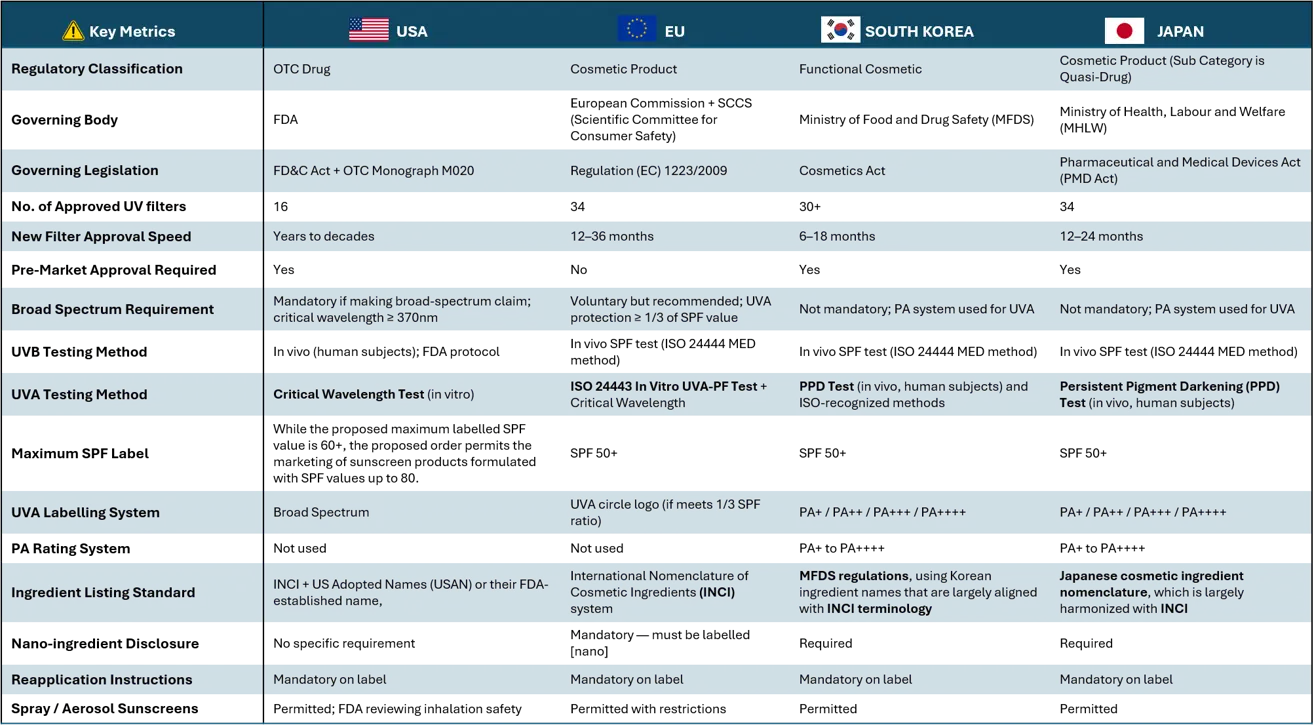
Table 3: Comparison of Sunscreen Approval and Regulatory Requirements
Japan and South Korea assess sunscreen UVA protection using the Persistent Pigment Darkening (PPD) test, an in vivo method conducted on human volunteers. The test measures the ability of a sunscreen to prevent UVA-induced skin darkening and is used to determine the Protection Grade of UVA (PA) rating. Based on the PPD value obtained, sunscreens are classified as PA+, PA++, PA+++, or PA++++, with higher numbers of plus signs indicating greater UVA protection ( Figure 4). The PA rating system provides consumers with a simple and effective way to compare the UVA protective performance of sunscreen products and is widely recognized throughout the Asian sunscreen market.
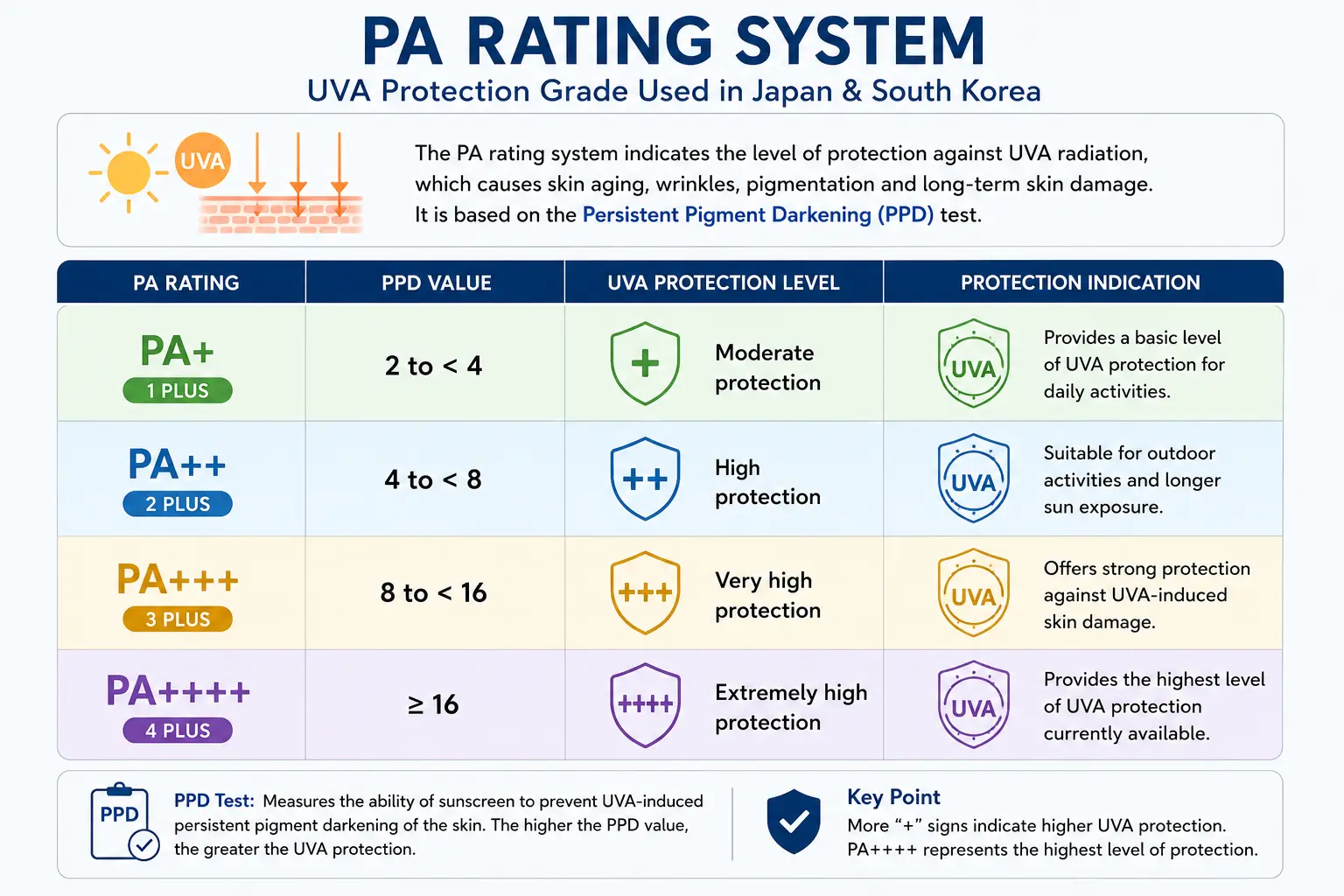
Figure 4: PA Rating System used in Japan & South Korea
Also, Regulatory authorities prohibit certain sunscreen claims that may mislead consumers regarding the level or duration of protection provided. Terms such as “Sunblock,” “Waterproof,” “Complete Protection,” and “All-Day Protection” are not permitted in the USA, EU, Japan, or South Korea because they imply absolute protection against ultraviolet radiation, which no sunscreen can guarantee. Claims such as “Water Resistant” are allowed only when supported by validated testing and accompanied by the specified duration of effectiveness. Similarly, environmental claims such as “Reef Safe” remain largely unregulated and lack standardized definitions across these regions (Figure 5).
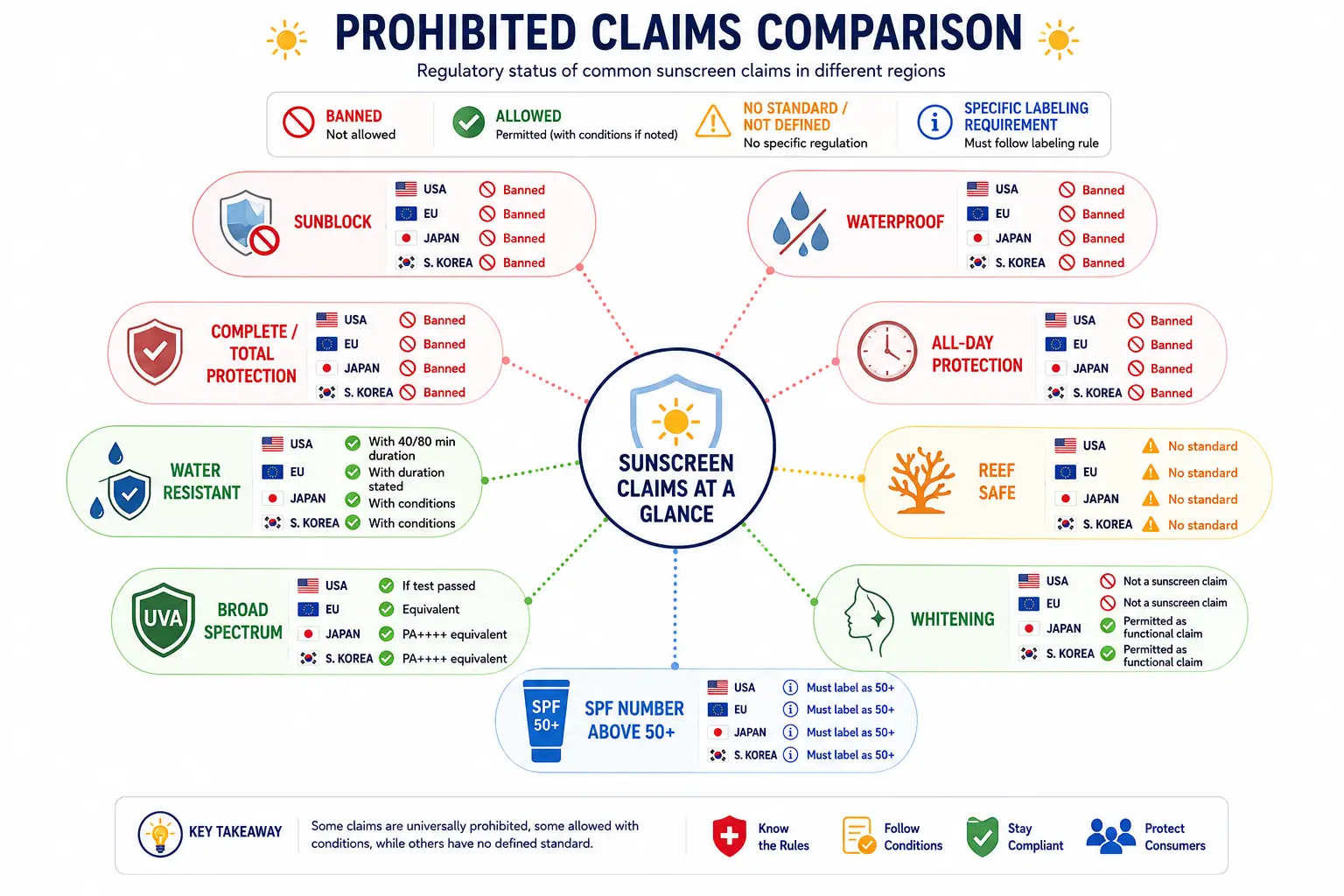
Figure 5: Prohibited and Restricted Sunscreen Claims Across Global Markets
COMPETITIVE LANDSCAPE
The global sunscreen industry is undergoing a significant transformation driven by regulatory modernization, advances in UV filter technology, and evolving consumer expectations. Competition is increasingly centred on three key dimensions: superior photoprotection, cosmetic elegance, and multifunctional skincare benefits. Established dermatological brands such as La Roche-Posay, Neutrogena, and Eucerin continue to leverage clinical credibility and scientific validation, while skincare-focused innovators including Supergoop ,Beauty of Joseon, Skin1004, and Round Lab are gaining market share through lightweight textures, hybrid skincare-SPF formulations, and enhanced user experience.
At the ingredient level, companies such as DSM-Firmenich, BASF, Evonik, Ashland, and Croda play a critical role in shaping industry innovation through the development and commercialization of advanced UV filters and formulation technologies. The recent approval of Bemotrizinol (BEMT) in the United States is expected to intensify competition by enabling brands to improve UVA protection and photostability while reducing dependence on legacy filter systems.
Looking ahead, competitive advantage will increasingly depend on access to next-generation UV filters, sustainability-focused formulations, microbiome-friendly technologies, and the ability to deliver high-performance sunscreens that seamlessly integrate with consumer’s daily skincare routines.
Key Players – Ingredient Suppliers
The global sunscreen ingredient market is dominated by a small number of specialized suppliers that drive innovation in UV filter technology. Companies such as DSM-Firmenich, BASF, Evonik Industries, Ashland, and Croda International (Figure 6) play a critical role in developing and commercializing advanced UV filters, formulation technologies, and functional ingredients. BASF and DSM-Firmenich are particularly influential due to their extensive UV filter portfolios and leadership in next-generation photoprotective technologies, including Bemotrizinol (BEMT). These suppliers not only provide active ingredients but also support sunscreen manufacturers through formulation expertise, regulatory guidance, and product performance optimization.
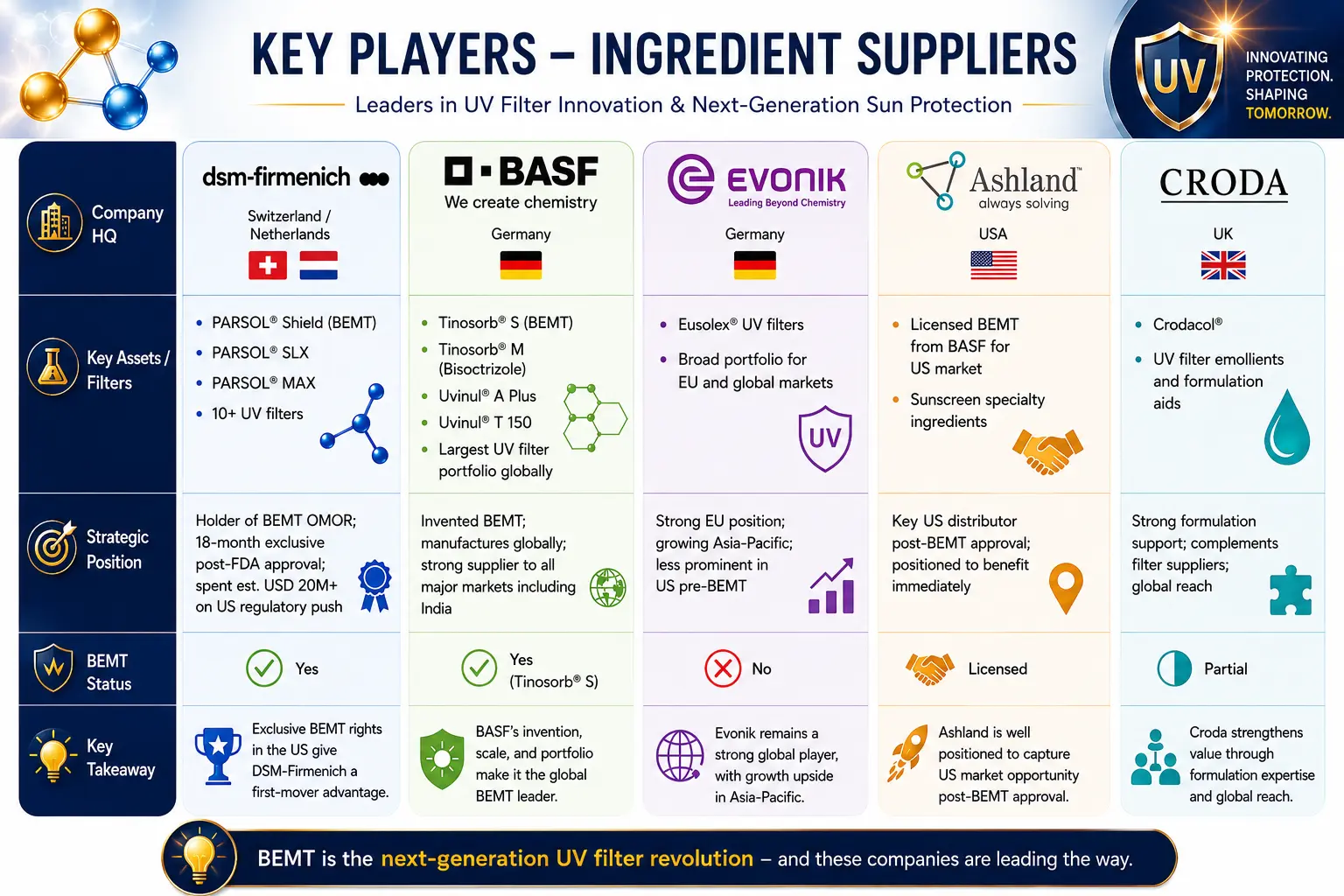
Figure 6: Strategic Positioning of Leading Ingredient Suppliers
The global sunscreen market is led by a diverse mix of dermatological, skincare-focused, and premium beauty brands. Major players include La Roche-Posay, Neutrogena, Supergoop!, Anessa, Biore UV, Beauty of Joseon, Skin1004, Round Lab, and Nivea Sun, among others (Figure 7). These brands compete through product efficacy, formulation innovation, sensory performance, and consumer trust. While European and American brands have traditionally emphasized clinical validation and broad-spectrum protection, Japanese and South Korean brands have gained global recognition for their advanced UV filter technologies, lightweight textures, and skincare-integrated sunscreen formulations. Collectively, these companies are shaping the future of sun care through continuous innovation, premiumization, and enhanced consumer experience.
Brand | Parent / HQ | Current Position | Post-BEMT Strategy |
|---|---|---|---|
La Roche-Posay Anthelios | L’Oreal / France | Already uses BEMT in EU versions; sells inferior formula in US due to filter restrictions | Immediate reformulation expected – premium positioning with BEMT in US |
Neutrogena | J&J / USA | Market leader in US; constrained by approved filter list; sells better products in EU/Asia | Major reformulation pipeline already reportedly in preparation |
Supergoop! | Independent / USA | Premium SPF-focused brand; DTC strength | Well-positioned to launch BEMT-powered products |
Shiseido / Anessa | Japan | Best-in-class Japanese sunscreen technology; uses full range of Asian-approved filters | Technology advantage clear; watch for US entry post-BEMT |
Biore UV | Kao Corp / Japan | Pioneer of ultra-light watery gel textures; uses advanced Japanese-approved UV filters; dominant in Asia. | BEMT allows export of superior formulas to US; lightweight texture positioning gives a strong differentiator for Western markets. |
Beauty of Joseon | Goodai Global / South Korea | Fast-growing K-beauty export brand; Hanbang ingredient-infused SPF; huge global DTC presence. | BEMT access opens US/EU retail channels for already-popular formulas; ingredient storytelling (ginseng, mugwort) translates well globally. |
Table 4: Strategic Positioning of Leading Sunscreen Brands
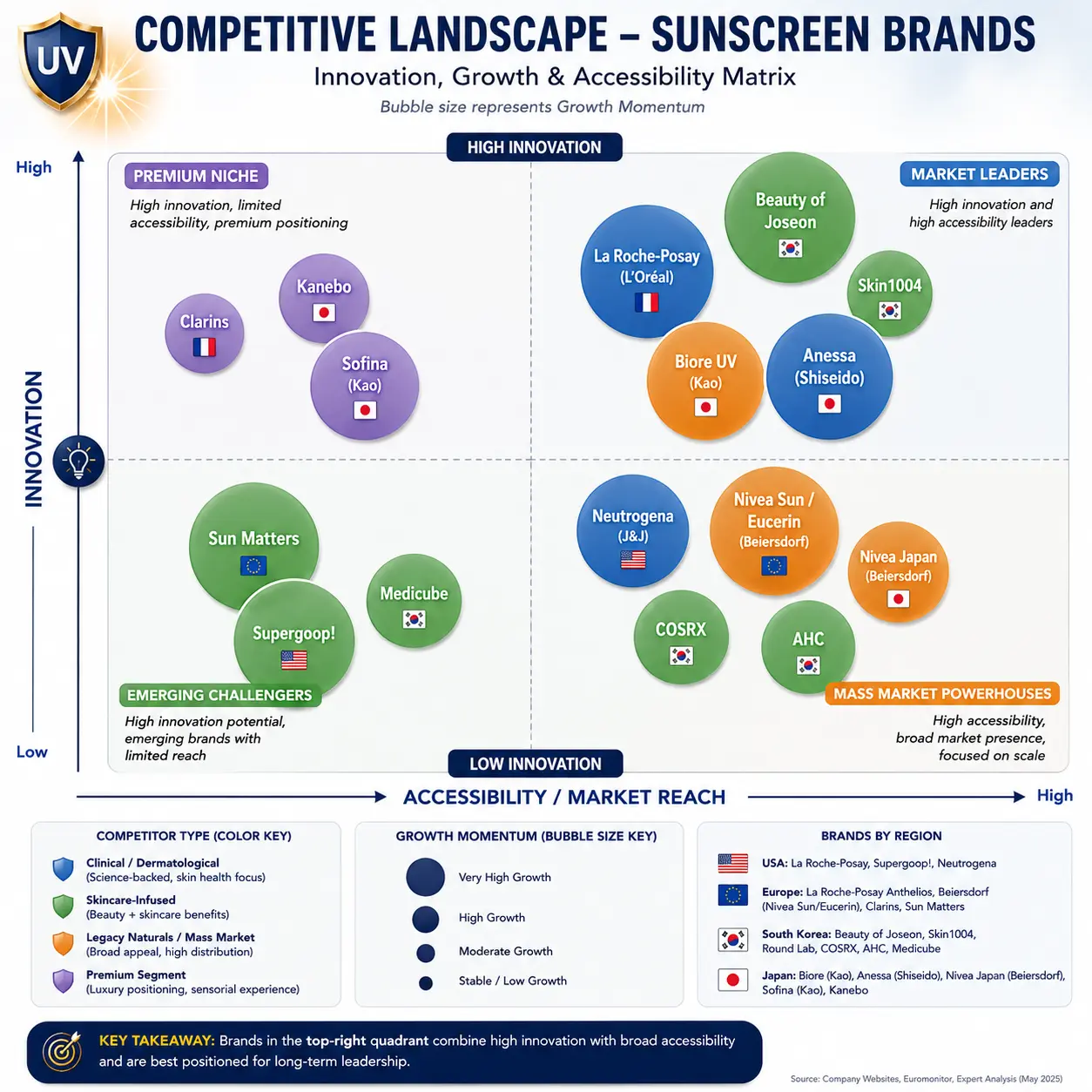
Figure 7: Competitive Landscape of Leading Sunscreen brands
TREND ANALYSIS
Macro Trends Driving the Market
US regulatory inflection – BEMT approval is the first crack in the dam; DSM-Firmenich has confirmed intent to push additional filters through the same OMOR process. BASF holds bisoctrizole (Tinosorb M) and is expected to file next, triggering a multi-year US innovation cycle.
Consumer awareness of the filter gap – Social media has made the US-EU sunscreen disparity mainstream. Consumers are importing European sunscreens, creating grey-market demand and putting competitive pressure on US brands to reformulate immediately post-approval.
Skinification of sunscreen – Sunscreen is shifting from reactive (beach use) to daily preventative skincare.
Reef-safe and environmental sustainability – Hawaii and several countries banning oxybenzone and octinoxate (both FDA-approved) for coral reef damage is adding another layer of complexity and driving demand for next-generation filters.
Emerging Sub-trends
SPF-Skincare Hybrids: The most important format shift of the decade. SPF serum drops (Summer Fridays ShadeDrops upgraded to SPF 50), SPF ampoules, SPF moisturizers with niacinamide, ceramides, and antioxidants. The product serves three functions simultaneously: protect, treat, and hydrate. SkinCeuticals Future Mineral UV Defense SPF 50 launched 2026 with 15% zinc oxide + niacinamide + panthenol.
Tinted Mineral SPF: Iron oxide pigments added to mineral zinc oxide formulas provide three benefits in one: UVB+UVA protection, visible light protection, and a skin-tone-inclusive tint that eliminates white cast. Dezi Skin’s pink-tinted zinc oxide sunscreen blends seamlessly into skin. Simultaneously, increasing environmental awareness and regulatory restrictions on ingredients such as oxybenzone and octinoxate have accelerated the development of reef-safe sunscreen formulations, encouraging brands to explore alternative UV filters, sustainable packaging solutions, and environmentally responsible product designs. Next wave: PFAS-free, biodegradable filter packaging, and waterless SPF concentrates. Sun Bum, Coola and Stream2Sea are first-mover reference brands.
Microbiome-Friendly SPF: The newest and most frontier category in sun care. Sun Matters (April 2025, Douglas exclusive) used a proprietary blacklist of microbiome-disrupting ingredients + plant stem cell UV complex to create the world’s first microbiome-certified sunscreen. As microbiome science enters mainstream skincare, SPF is the next frontier — avoiding benzophenones, parabens, and preservatives that alter skin flora.
Waterless & Solid Formats: Solid sunscreen bars, powder sunscreens for reapplication over makeup, and anhydrous serums represent the sustainability-driven edge of format innovation. Reduce packaging, eliminate preservatives, improve portability. Particularly relevant for outdoor, sports, and travel categories. Still niche but growing rapidly in eco-conscious consumer segments.
K-Beauty Texture Innovation: South Korea has fundamentally redefined what a sunscreen can feel like. Water-type gels, aqua-essence hybrids, SPF mists, serum-textured SPF 50+ formulas — all with zero white cast, zero greasiness, and instant absorption. Biore UV Aqua Rich and Beauty of Joseon Relief Sun are the global reference points. These formulas use bemotrizinol + bisoctrizole combinations not available in US-sold versions.
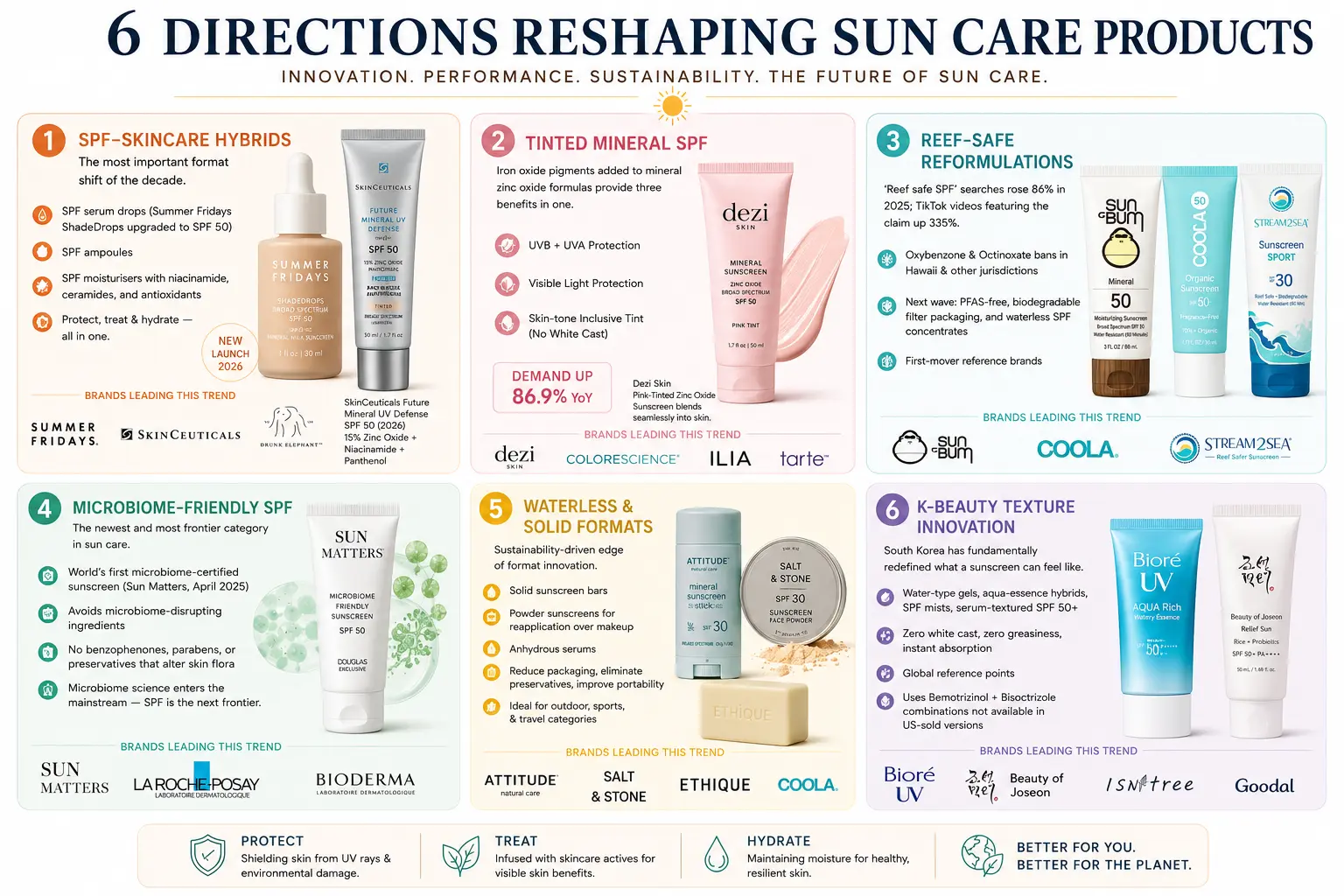
Figure 8: Next-Generation Sunscreen Innovations
Signal | Strength | Direction | Evidence |
|---|---|---|---|
FDA BEMT approval (June 2026) | Very High | Imminent | DSM-Firmenich confirms June 2026; FDA proposed order Dec 2025 |
US brand reformulation wave | High | Starting now | L’Oreal, Neutrogena reportedly preparing; Elevation Labs already formulating with BEMT |
Consumer sunscreen grey market (EU imports) | Medium-High | Up | Social media #EuropeanSunscreen trend; Sephora reportedly wants EU-formula products |
Sunscreen doping enforcement risk | Medium | Rising | Many sunscreens contain unapproved filters; FDA enforcement gap narrowing |
Bisoctrizole (Tinosorb M) US filing | Medium | Likely 2026-27 | Widely viewed by industry stakeholders as a potential candidate for future U.S. regulatory submission following BEMT. |
Reef-safe filter demand (Hawaii, Palau bans) | Medium | Steady | Oxybenzone / octinoxate banned; drives demand for alternative filters incl. next-gen options |
Table 5: Emerging Signals Driving Sunscreen Industry Transformation
SWOT & RISK ANALYSIS
- BEMT has 25+ year safety record in Europe and Asia – de-risked scientifically.
- DSM-Firmenich 18-month exclusivity creates premium pricing and first-mover advantage.
- Consumer awareness of filter gap at all-time high – pull demand from educated buyers.
- Mineral filters (ZnO, TiO2) are globally approved and gaining share in reef-safe segment.
- Post-BEMT approval, US products still restricted to 6% vs EU’s 10% – inferior maximum protection.
- 7 other advanced filters (Tinosorb M, Mexoryl XL, Uvinul A Plus etc.) still blocked in US.
- Sunscreen doping crisis damages category credibility and confuses consumers.
- High cost of BEMT initially due to DSM-Firmenich exclusivity; wider adoption delayed for 18 months.
- White-cast problem with mineral sunscreens remains unsolved for darker skin tones.
- First-mover US brand launching BEMT-powered sunscreen wins premium positioning for 18+ months
- Reformulation support for US brands transitioning from avobenzone-stabiliser systems to BEMT
- FDA enforcement on sunscreen doping could trigger recalls and brand damage before BEMT lands
- BEMT 18-month exclusivity locks small brands out of the best formula for over a year
- Regulatory rollback risk – US FDA political environment could slow subsequent filter approvals
- Environmental regulations (reef-safe bans) continuing to narrow already-limited US filter choices
- Large FMCG brands (L’Oreal, J&J) will dominate first wave of BEMT products – smaller brands squeezed
STRATEGIC RECOMMENDATIONS
For Brands
- Launch a “BEMT waitlist” pre-order campaign now — the FDA final order is weeks away. The first brand with a compelling story owns the media cycle, not the biggest ad budget.
- Run a full “two-formula audit” across your global product portfolio. Map every product sold with different filters in different markets — this is simultaneously your brand risk register and your reformulation roadmap.
- Build a “filter transparency label” as a brand differentiator. List every UV filter, its UVA/UVB range, photostability, and environmental status on pack and online. Consumers who already know about the US–EU gap will pay a premium for honesty.
- Target the “grey-market refugee” consumer — people already importing EU sunscreens are educated, premium-willing, and domestically underserved. Build messaging specifically for them before D2C brands do.
- File a citizen petition with FDA to fast-track bisoctrizole (Tinosorb M) under OMOR: BEMT is the opener. Bisoctrizole is the closer. Brands with formulation dependency on avobenzone should co-file with BASF to accelerate the next approval and neutralise DSM-Firmenich’s 18-month monopoly window.
For Ingredient Suppliers
- DSM-Firmenich: monetise the 18-month BEMT exclusivity as a co-development partnership, not just ingredient supply. Offer top-tier US brands a bundled deal — BEMT + stabiliser system + regulatory dossier support. The margin is in formulation IP, not the molecule alone.
- BASF: file the bisoctrizole (Tinosorb M) OMOR application immediately. The FDA’s proposed BEMT order signals institutional willingness. Political leadership changes or budget cuts could close that window for another decade — 2026 is the optimal moment.
- Launch a B2B “sunscreen doping detection” testing service. With 48.3% of top US Amazon sunscreens containing unapproved filters and enforcement risk rising, the supplier who helps brands clean up before FDA acts wins long-term formulation relationships
For Brands
- Acquire or partner with a Korean formulation lab to close the elegance gap in Western markets. Post-BEMT removes the regulatory barrier — the remaining gap is formulation know-how. Korean texture expertise plus Western clinical credibility is the winning combination, and a joint venture is faster than building in-house.
- Create an SPF subscription model with a “formula update” mechanic. Position the brand as a platform that improves as new filters clear FDA — each approval (bisoctrizole expected 2026–27) becomes a retention event and a PR moment, not just a reformulation cost.
- Launch a US “microbiome-certified SPF” — first in market. Sun Matters did it in Europe in April 2025 via Douglas. The US has no equivalent. Identify a microbiome certification partner and build the first domestically retailed microbiome-friendly SPF 50+.
For Ingredient Suppliers
- Publish a US-specific “formulator readiness kit” for BEMT. US formulators have never worked with this filter. Starter formulations for lotions, serums, and sticks; photostability testing protocols; compatible secondary filter combinations. The first supplier to publish this publicly owns formulator mindshare and reduces time-to-market for brand customers.
- Build a “reef-safe filter coalition” with marine conservation NGOs. Commission environmental fate studies for BEMT and bisoctrizole proactively. As oxybenzone and octinoxate bans spread, the environmental credibility of next-gen filters needs to be established before regulators demand it.
For Brands
- Lobby collectively for a US “Sunscreen Access Act” to shift classification from OTC drug to cosmetic, aligned with EU Cosmetic Regulation (EC) No. 1223/2009. Big brands have the lobbying infrastructure through trade bodies like PCPC. One structural change unlocks all 16 additional EU-approved filters simultaneously — no more filter-by-filter OMOR battles.
- Launch a brand-led “UV filter transparency index” that publicly scores industry products for undeclared UV-absorbing inactive ingredients. Name the problem before a journalist or regulator does. The brand that defines transparency in this category wins in the court of consumer opinion.
- Transition brand positioning from SPF number to holistic photoprotection — UV, visible light, pollution, oxidative stress, and DNA repair in a single product architecture. SPF as a number is increasingly commoditised; the next premium tier is built on mechanisms consumers can understand and trust.
For Ingredient Suppliers
- Invest in bio-derived UV filter R&D now for a 5–7 year payoff window. Mycosporines (marine-derived natural UV absorbers), fermentation-based filter analogues, and bio-synthetic actives are early-stage but gaining traction. Regulators globally are beginning to layer sustainability criteria alongside safety — being first with a credentialed biotech UV filter is a decade-long competitive moat.
- File remaining advanced filters (Mexoryl XL, Uvinul A Plus, Tinosorb A2B) through OMOR sequentially, building a multi-year US innovation pipeline. Each approval expands the total addressable market for supplier ingredients and reinforces the case for the next filing.
APPENDIX
Glossary
UV Filter: Active ingredient in sunscreen that absorbs, scatters, or reflects UV radiation to protect skin
GRASE: Generally Recognized as Safe and Effective – FDA’s standard for OTC drug approval; required for all US sunscreen active ingredients
OTC Monograph: FDA regulatory framework for common non-prescription drugs; the OTC Sunscreen Monograph (M020) lists all approved US UV filters
OMOR: OTC Monograph Order Request – new pathway created by CARES Act 2020; used by DSM-Firmenich to file for BEMT approval
SCCS: Scientific Committee on Consumer Safety – EU body that evaluates cosmetic ingredient safety, including UV filters
Photostability: Property of a UV filter that does not degrade when exposed to sunlight; unstable filters (avobenzone) require stabiliser systems
Sunscreen Doping: Practice of adding unapproved UV filters as inactive ingredients to enhance SPF without regulatory to contain unapproved declaration; 48.3% of top US Amazon sunscreens found filters (2025 analysis)
PA Rating: Protection Grade of UVA – Japanese/Korean system for UVA protection (PA+, PA++, PA+++, PA++++)
Data Sources & References
https://www.aad.org/media/stats-skin-cancer
https://www.fda.gov/consumers/consumer-updates/tips-stay-safe-sun-sunscreen-sunglasses
https://pmc.ncbi.nlm.nih.gov/articles/PMC12288563/
https://www.skincancer.org/risk-factors/uv-radiation/
https://pmc.ncbi.nlm.nih.gov/articles/PMC6978633/
https://onlinelibrary.wiley.com/doi/full/10.1111/phpp.70032
https://onlinelibrary.wiley.com/doi/full/10.1111/phpp.70026
https://www.jidonline.org/article/S0022-202X(25)02322-X/fulltext
https://pmc.ncbi.nlm.nih.gov/articles/PMC7838247/pdf/main.pdf
https://pmc.ncbi.nlm.nih.gov/articles/PMC6978633/#ab005
https://www.govinfo.gov/content/pkg/CFR-2011-title21-vol5/xml/CFR-2011-title21-vol5-part352.xml