
Hematology Diagnostics Market
Global Industry analysis, Size, Share, Growth, Trends, and Forecast 2026-2031
The global hematology diagnostics market is projected to reach USD 6.3 billion by 2031, growing at a CAGR of 6.4% during the forecast period.
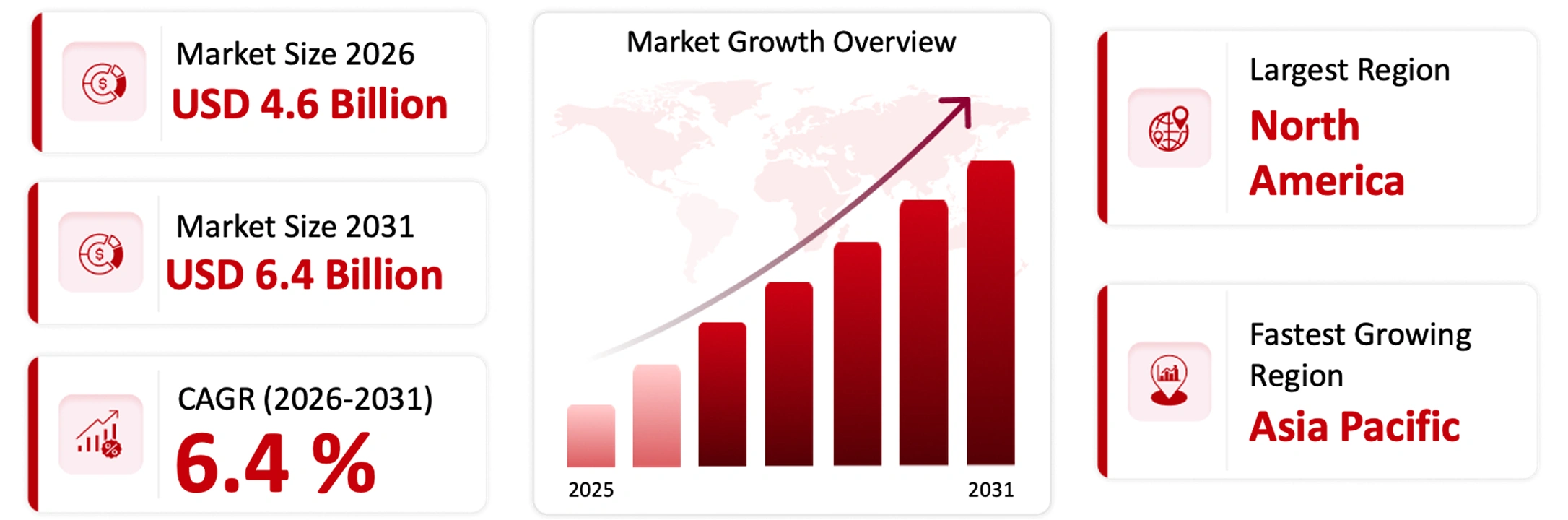
| Market Size (2026): | Forecast (2031): | CAGR (2026–2031): | Leading Region: | Fastest Growing Region: |
|---|---|---|---|---|
| $ 4.6 Billion | $ 6.3 Billion | 6.4% | North America | Asia Pacific |
Summarize this report with:



Market Overview
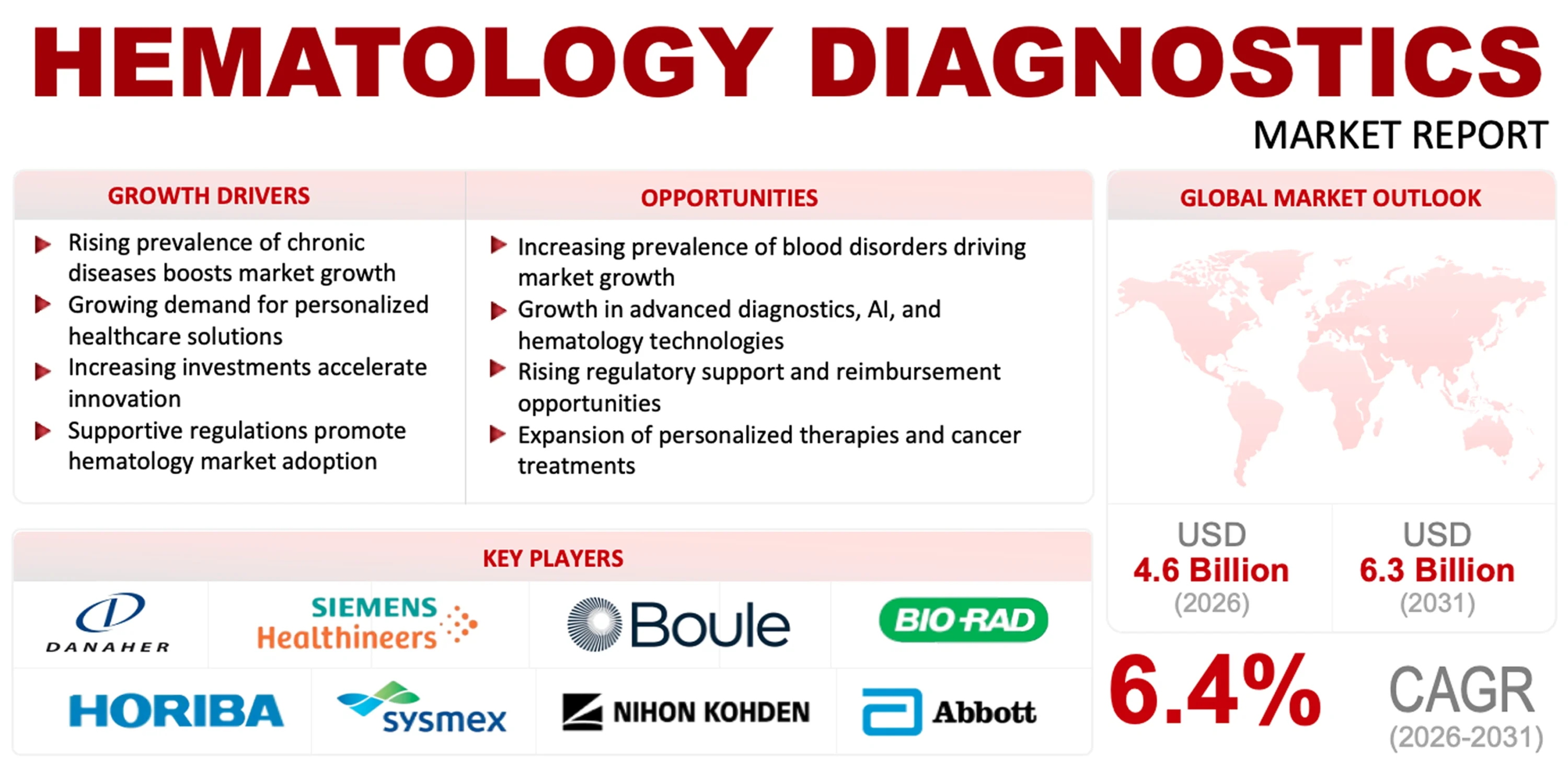
The market for diagnostics in hematology is experiencing both steady and moderate growth due to the increasing prevalence of chronic diseases and blood disorders and continual increases in the number of patients needing routine blood testing. Diagnosing conditions such as anemia, infections, and malignancies of the blood requires hematological testing and is largely dependent upon availability of CBC tests that are commonly performed. With the growth of technology advances for automated analyzers, digital image processing, and point-of-care testing, the efficiency, effectiveness, and availability of hematology testing will continue to improve within hospitals and laboratories performing diagnostic testing. The market is estimated to be USD 4.6 billion in 2026 and is projected to reach USD 6.3 billion by 2031, growing at a CAGR of 6.4% during the forecast period (2026-2031).
Technology Overview
Hematology diagnosing blood components include technologies like Electrical Impedance, Flow Cytometry and Optical Light Scatter, which are used to test for the spread of blood cells including Red Blood Cells (RBC), White Blood Cells (WBC) and Platelets. Analyzers now use fluorescence techniques, digital imaging and artificial intelligence (AI) that allow increased accuracy in classifying cells and decrease the need for manual reviews of blood specimens. The use of high throughput automated systems will increase the efficiency and accuracy of blood laboratories, while point-of-care testing is performed through the use of small, portable analyzers. Systems that integrate with laboratory information systems (LIS) and middleware for electronic communication will improve data management, facilitate remote monitoring and streamline work flows, all of which contribute to clinically fast and reliable decisions.
Key Growth Drivers
- By utilizing AI-driven technology combined with digital tools to morphologically examine specimens, the amount of manual labor involved has been reduced and labs are able to increase their production capability.
- The growth in the adoption of point-of-care (POC) hematology testing has allowed for faster turn-around times for many sites in critical care settings.
- Laboratory personnel shortages have created an increased need for fully automated hematology analyzers.
- With a growing number of specialty tests being performed, there is also a growing need for high-margin reagents and assays.
- The increasing popularity of high-throughput analyzers will provide for greater efficiencies and will decrease the need for secondary testing.
- Regulatory changes in the CE-IVDR will create an opportunity for laboratories to replace older hematology diagnostic equipment.
Hematology Diagnostics Market Key Highlights
Need deeper insights on this market?
Get full report access with detailed forecasts, competitive analysis, and segmentation.
Hematology Diagnostics Market Trends
Hematological diagnostics continues to evolve as there are increasing levels of demand for faster, more accurate, and higher throughput options for blood analysis and diagnostic capabilities across various clinical settings. Increased testing volumes are driven by an increase in the number of people needing routine hematological tests, the need for more efficient laboratory operations, and the increasing burden of disease in terms of incidences of disease and total number of tests that can be performed each day. One major development contributing to the continued growth of the hematology diagnostics market is the movement toward automation and digitalization. This improvement allows laboratories to process larger sample sizes with fewer hands-on techniques than previously possible. In addition, the emergence of advanced technologies like artificial intelligence (AI) and the growth of POC testing is shifting hematology from a traditional testing model to a more data-driven and distributed model of diagnostics.
Integration of AI and Digital Morphology in Hematology
The shift toward AI-based digital morphology platforms is among the most prominent trends defining the future of this market. For many years, blood smears have been traditionally examined under a microscope by trained personnel; therefore, microscopic examination takes considerable time to complete, producing variable results depending on the skill of the reviewer. However, new digital morphology systems leverage deep learning algorithms to classify and identify abnormal cells with a high level of accuracy prior to a manual slide review reducing the effort required and increasing the speed of the review process.
This market trend has been further validated by the emergence of various industry activities, such as the partnership between Beckman Coulter (United States) and Scopio Labs (Israel), which aims to accelerate the use of AI-based digital cell morphology platforms. By implementing these new systems, high-volume laboratories can reduce the workload of their manual slide reviews by approximately 60%, thus enabling them to conduct reviews efficiently and consistently, resulting in swifter clinical decision-making.
Expansion of Point-of-Care (POC) Hematology Testing
A key trend in hematology is the decentralization of testing away from centralized laboratories to point-of-care (POC) locations, which include emergency departments, outpatient clinics, and small community health care centers. Centralized labs typically experience delays in the delivery and processing of specimens, making it difficult to provide timely and efficient critical care.
Rapid testing can now be performed using compact automated hematological analyzers with much shorter times to result, providing timely analysis of blood samples for patients in need of immediate diagnosis and treatment, such as in an acute care setting.
The POC hematology testing market is outpacing overall market growth, driven by the greater need for rapid diagnostics, a growing healthcare infrastructure in emerging markets, and ongoing product development by companies like Sysmex Corporation (Japan) and HORIBA (Japan), which are creating compact and user-friendly analyzers for decentralized testing.
Key Players in the Hematology Diagnostics Market
Leading companies in the hematology diagnostics market are focusing on innovation, strategic partnerships, and expansion of health-centric features to strengthen their market position.








Strategic Activities Within the Hematology Diagnostics Market
Abbott Laboratories (US) completed its multi-billion-dollar acquisition of Exact Sciences, establishing a dedicated Cancer Diagnostics business unit anchored by the Cologuard® screening portfolio. The merger strengthened Abbott’s oncology diagnostics capabilities, expanded cancer testing reach, and supported growth in precision diagnostics and adjacent hematology-related laboratory testing markets.
Alos Paraklet Healthcare announced a new strategic partnership with Beckman Coulter. This collaboration will enable Alos Paraklet to distribute Beckman Coulter’s internationally acclaimed hematology range of products across Ghana, providing healthcare facilities with advanced solutions for accurate and reliable diagnostics.
Hematology Diagnostics Market Insights
There’s a steady rise in the hematology diagnostics industry just like the blood tests. This increased interest is a direct result of how critical it is to analyze blood throughout the clinical workflow. Because CBCs are done on a routine basis within all healthcare systems, there is a never-ending need for blood testing to continue.
Recent growth within this market has occurred primarily as a result of moving from semi-automated to fully automated analyzers, which provide higher sample throughput capabilities than previous generations of fully-automated equipment would have provided. Furthermore, with continued technological advancements in multiparameter detection technologies that also improve analytical precision, we are continuing to see the adoption of hematology diagnostic products increase throughout both developed and developing markets alike.
Hematology diagnostics play an important role in screening for disease, monitoring treatment, and conducting clinical investigations on haemolysis. Most commonly, they are used to detect infectious diseases by analysing white blood cells and to assess patients prior to surgery. In hematologic oncology, advanced techniques, such as flow cytometry, can be used to categorize abnormal populations of cells. Blood banks are able to use hematology tools for screening potential donors; critical care facilities utilize rapid testing in order to direct the course of treatment quickly.
The growing number of chronic diseases worldwide that require ongoing monitoring has changed the way healthcare is provided; increased diagnostic workload has led to more healthcare organizations looking for ways to improve laboratory efficiency. This focus on improved laboratory efficiency may lead to the accelerated adoption of integrated/automated diagnostic systems for laboratory use. Value-based healthcare is focused on providing healthcare services in an efficient and timely manner; accurate and timely diagnosis is critical to improving patient outcomes. Lastly, increasing emphasis on preventative healthcare and early detection of diseases has placed additional pressure on laboratories to increase their routine testing capacity. In addition, significant investments in healthcare infrastructure (especially in developing markets) will encourage the ongoing growth in the use of hematology diagnostic solutions.
The hematology diagnostics market is currently trending towards fully automated laboratory systems. Integrated analyzers are part of automated laboratory environments, which also include sample handling and data management systems. Adoption of new detection technologies, such as fluorescence-based detection, is contributing to improved accuracy of results and providing better differentiation between cell types. However, the challenge that limits adoption by smaller lab systems is that there are significant costs associated with acquiring and maintaining advanced technology. The complexity of integrating these systems and regularly calibrating them and conducting quality control is also an operational burden for providers of healthcare services.
Rapid advancements in healthcare access and diagnostic skillsets are facilitating the emergence of this region as the most quickly developing continent for hematology diagnostics. Increased awareness around early detection of disease, together with increased spending on healthcare, will encourage more frequent use of diagnostic testing. In addition to increasing participation by the private sector, the growing number of diagnostic laboratory chains is helping to drive growth in the market. Furthermore, governments throughout the Asia Pacific are investing heavily in enhancing their current healthcare infrastructure and to support the introduction of new, modern diagnostics technology. Combined with a vast number of patients and the rising number of chronic and infectious diseases, there will be an ongoing demand for hematology-related testing services within both urban and rural populations.
Hematology Diagnostics Market Dynamics
Drivers: Increasing adoption of intelligent, automated, and high-performance hematology diagnostics systems
Some of the main factors influencing the hematology diagnostics industry include the rising use of automation, artificial intelligence (AI), and highly accurate testing technology. Current hematology analyzers offer the capability of performing sample processing, differentiation counting of cells, identification of abnormalities, and data analysis in real time, thereby eliminating the need for manual efforts and lowering turnaround times.
Moreover, the use of AI technology, digital morphological evaluation, and LIS allows for an accurate evaluation of hematological indices and better management of data. The rising number of tests performed, higher incidences of blood-related diseases, and the necessity to increase productivity in the lab is pushing hospitals and diagnostic labs to upgrade from older machines to the automated, high-speed machines.
Opportunities: Expansion into decentralized applications and integration across multi-functional platforms
With decentralized diagnostic models expanding significantly, and compact hematology analyzers being adopted in non-traditional environments, new opportunities will emerge from these developments. Smaller health systems, outpatient clinics, and emergency departments are moving toward portable diagnostic systems to allow for faster testing in the presence of patients. Advanced diagnostics that will create new revenue opportunities for companies are also being developed by using new technologies for flow cytometry and molecular hematology, which are both occurring in areas such as oncology and diagnosing complex diseases. The increasing focus on early diagnosis and personalized medicine is also generating opportunities for advanced hematology products that provide enhanced cellular data and enable precise therapies.
Challenges: High capital costs, skilled workforce requirements, and system integration complexities
Functional challenges remain in the hematology diagnostics sector as demand continues to grow. The prohibitive cost of advanced analyzers as well as the ongoing maintenance needs to keep them operational can act as a barrier to their use by many small laboratories. Due to the increase in technical complexity of the current generation of diagnostic systems, they require a higher level of technical and personnel.
The integration of an analytic device into the laboratory information management system (LIMS) or between devices from different manufacturers presents significant technical challenges. Understanding the technical requirements for compliance with regulations and continual calibration and quality control programs can create additional challenges in implementing and managing a diagnostic hematology system.
Technology and Market Insights
Market-wise, hematology diagnostics could be considered one of the most rapidly developing sectors of the healthcare system due to the emphasis placed on accuracy, efficiency and evidence-based decision making by health care organisations. The implementation of fully automated analyzers and advanced methods for detection has significantly improved the consistency of and ability to scale blood tests. Innovation continues to evolve through the ongoing development of technologies such as digital imaging, multiple analyses and the integration of laboratory systems. With laboratories concentrating on improving their operating systems and decreasing their turnaround time, hematology diagnostics still represents a major portion of the current diagnostic infrastructure, supported by the development of new technology and growing demand for quality clinical outcomes from the adverse events caused by these new diagnostic solutions.
Technology Scope and Products
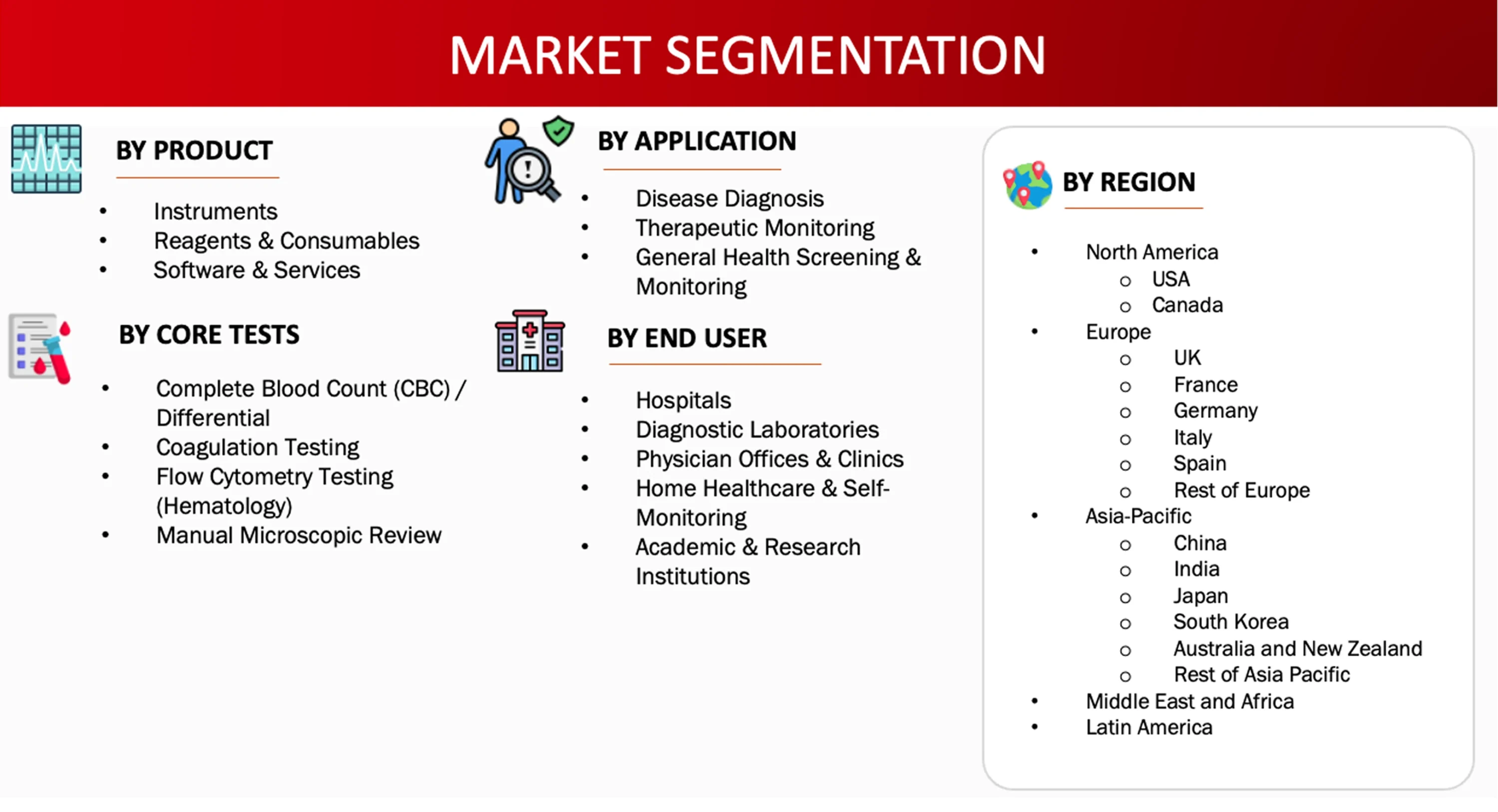
Hematology Diagnostics Market Segmentation
Want detailed insights from this report?
Industry Developments and Competitive Landscape
The hematology analyzer market is seeing considerable innovation, fueled by improvements in automation, artificial intelligence, digital morphology, and high throughput analysis. New-generation hematology analyzers are offering faster testing, better cell classification, and better detection of abnormal cells, allowing laboratories to increase the accuracy of their testing and improve efficiency. The inclusion of artificial intelligence-based algorithms and automated flagging mechanisms is helping decrease manual reviews and provide reliable interpretation of complex parameters in the hematology report.
Another factor that is fueling changes in the competitive landscape is the growing emphasis by the market leaders on high throughput analyzers, integrated laboratory solutions, and better software features. Leading companies in the market are increasingly incorporating their analyzers with LIS, automated sample management system, and digital microscopy.
The CBC (Complete Blood Count) and Differential component of the Hematology diagnostics market is projected to remain at the forefront of the Hematology Diagnostics Market in 2025, driven largely by the fact that CBC is a key testing component in practically every clinical workflow. Testing frequency, regulatory requirements for inclusion in standard treatment protocols, on-going consumption of reagents and the increasing automation of laboratory processes are other factors contributing to the dominance of this test as compared to specialty hematology tests. Because CBC and Differential tests are performed on a universal basis in hospitals, EDs (Emergency Departments), outpatient clinics and decentralized POC (Point of Care) sites, they produce unparalleled testing volume and require continuous consumable supplies.
-
CPT code 85025 (CBC with Auto Differential) continues to be one of the most frequently billed pathology procedures for both routine diagnostic and hospital admission cases in North American healthcare systems.
-
Oncology treatment guidelines require that CBCs done for ALL patients prior to each chemotherapy cycle and during the management of neutropenia generate significantly more repeat testing volumes than specialty tests.
-
Modern analyzers produced by Sysmex Corporation (Japan) and Beckman Coulter (USA) utilize proprietary diluents, lysing reagents, and stains at each CBC testing cycle which increase overall cost efficiency and laboratory productivity.
-
Laboratory Information Systems (LIS) frequently use CBC results as the “gatekeeper” to initiate advanced testing (e.g. flow cytometry or manual microscope reviews).
-
The growth of compact analyzers; including CLIA-waived analyzers; provides more CBC testing capabilities in doctor offices, urgent care centers & distributed sites.
Diagnostic hematological testing is one of the most ubiquitous, necessary decision-making tools across the vast majority of healthcare-directed pathways due to their clinical uses in the assessment of anemia, oncologic disease, verification and treatment of infections, and surgical clearance. Reflex testing that follows diagnostic hematological testing results will lead to additional confirmatory tests or monitored procedures. The high volume of repeat tests (many done in an emergency setting) plus well-defined clinical protocols for rapid blood analysis also contribute to disease diagnosis being the largest (most critical for hospital operation) applications in the clinical and commercial hematology diagnostic markets.
-
UN’s Food and Agriculture Organization estimated 1.6 billion people are living with anemia, leading to an exceptionally large demand for hematology testing across healthcare systems world-wide.
-
Reflex testing following abnormal results in a standard CBC is mandated by clinical laboratory protocols and will automatically generate additional advanced diagnostic tests such as complete and to include atypical lymphocyte counts, reticulocyte evaluation, differential analysis of the RBCs and morphologic evaluation of the peripheral blood smear, etc.
-
The National Comprehensive Cancer Network therefore mandates regular and repeated hematological monitoring during leukemia treatment including during periods when bone marrow suppression is a consequence of chemotherapy.
-
Many hospitals and healthcare systems also routinely require CBCs and coagulation profiles to be performed pre-operatively; these tests assist healthcare providers to identify bleeding abnormalities, defects in platelet function or thrombotic disorders.
-
The international consensus guidelines for infection management (sepsis) require immediate performance of CBC and differential blood counts upon initial assessment of a patient with suspected sepsis, which has resulted in 24/7 utilization of automated hematology analyzers in hospitals.
The hematology diagnostic market dominated by North America throughout 2025, because of the advanced automated laboratory system, the rapid uptake of automated artificial intelligence technologies, and a strong demand for high-frequency blood monitoring for cancer and critical care patients. There is also plenty of regulatory support, with many large installed bases of analyzers throughout the region, and several major diagnostic corporations have a presence in North America, which allows for faster commercialization. Furthermore, these unique characteristics will also allow for sustainable demand for consumables.
-
The record number of artificial intelligence/machine learning medical devices that the FDA approved in 2025 are anticipated to have had a significant impact on the adoption of automated hematology workflows.
-
Due to the shortage of certified laboratory professionals, laboratories within North America are increasingly integrating automated tracks into their workflows to support high volume operations continuously.
-
As newer cancer treatments like CAR-T therapy and immunotherapies continue to come to market, these patients will have increased need for CBC tests; therefore, there will be large increases in hematology testing volumes at specialized treatment centers.
-
Since hospitals are performing a very high number of tests daily, using long-term analyzer supply contracts to generate the majority of their recurrent revenue, reagents and consumables are the primary source of recurrent revenue generation.
-
Major market leaders (i.e., Abbott and Danaher Corporation) continue to focus on North America as their primary region for launching advanced hematology diagnostic technology.
What This Report Covers-
This report provides a comprehensive analysis of the hematology diagnostic market, offering insights into key trends, growth drivers, challenges, and future opportunities. It is designed to support strategic decision-making through a combination of quantitative data and qualitative analysis.
Specifically, the report covers:

Market Overview & Definition:
Overview of the market scope, structure, and key terminology

Market Size & Forecast:
Historical data and future projections across key segments and regions.

Key Market Trends:
Insights into emerging trends, technological advancements, and evolving demand patterns

Drivers, Restraints & Opportunities:
Analysis of key factors influencing hematology diagnostics market growth

Competitive Landscape:
Overview of major players, their strategies, and recent developments

Detailed Patent Analysis:
This includes, top assignees, geography focus of top assignees, legal status, technology evolution, key patents and patent trends and innovations

Segmentation Analysis:
Breakdown by products type, by core test type, by application type, by end user type, and region

Regional Insights:
Key regional trends and growth opportunities

Future Outlook:
Strategic insights and future market direction
Research Methodology
The study of the hematology diagnostics market is based on a combination of primary and secondary research methodologies, supported by data validation and analytical modeling to ensure accuracy and reliability.
Market Definition: Hematology Diagnostics Market
Hematology diagnostic systems have been designed for assessing the components and characteristics of blood in order to identify diseases and judge how well a person is responding to treatment. Some of the technologies used include impedance measurements, flow cytometry and fluorescence analysis of cells, as well as digital imaging. Automated and high-throughput testing for blood components using hematology diagnostics gives laboratories and healthcare providers the opportunity to quickly find abnormalities, determine whether a patient is infected, monitor blood disorders and provide oncological management and critical care through fast and automated methods.
The most common hematology diagnostic products and technologies include automated hematology analyzers, flow cytometry systems, hemostasis analyzers, digital cell morphology platforms and point-of-care hematology devices, all of which are used to provide hematology diagnostic testing for patients. Reagents, stains, calibration materials, quality control materials and laboratory software to manage data and integrate workflows are additional types of products used for hematology diagnostics. Hematology diagnostics can be used in hospitals, diagnostic laboratories, blood banks and research facilities to improve testing efficiency and accuracy and to assist with better patient management.
Key Stakeholders
The hematology diagnostics market involves a diverse ecosystem of stakeholders:
- Device Manufacturers (hematology analyzers, flow cytometry systems, hemostasis analyzers, digital morphology platform)
- Reagents & Consumables Providers (diluents, lysing reagents, stains, controls, calibrators, assay kits)
- Software & Informatics Providers (laboratory information systems, workflow automation platforms)
- Laboratory Automation Providers (track-based automation systems, sample handling and integrated laboratory workflow solutions)
- End-Use Healthcare Facilities (hospitals, diagnostic laboratories, blood banks, specialty clinics, research centers)
- Healthcare & Government Organizations (public health agencies, healthcare systems, disease surveillance programs)
- Testing & Accreditation Organizations (clinical laboratory accreditation agencies, quality assurance providers)
- Research Institutions and Academic Organizations (hematology research, blood disorder research programs)
- Distributors and Channel Partners (medical equipment distributors, diagnostic product suppliers, laboratory solution providers)
- Regulatory & Standards Organizations (diagnostic regulatory authorities, laboratory standards and compliance organizations)
- Technology Partners (AI, digital pathology, cloud-based diagnostics, and healthcare data integration providers)
- Investors (venture capital firms, healthcare investors, and strategic diagnostics industry stakeholders)
Key Objectives of the Study
- To define, describe, analyze, segment, and forecast the hematology diagnostics by products type, by core test type, by application type, by end user type.
- To describe and forecast the market for four key regions: North America, Europe, Asia Pacific, and Rest of the World.
- To provide detailed information regarding key drivers, restraints, opportunities, and challenges influencing market growth
- To strategically analyze the micro indicators with respect to individual growth trends, prospects, and contributions to the overall market size
- To analyze opportunities for stakeholders in the hematology diagnostics industry and emphasize on competitive landscape of the market.
- To develop competitive benchmarking of the key market players based on technology specifications and end users.
- To strategically profile key players and comprehensively analyze their product portfolio offerings, and core competencies
- To analyze competitive developments, such as launches and approvals, agreements, mergers and acquisitions, partnerships, joint ventures, investments and expansions, and collaborations, hematology diagnostics domain.
Need deeper insights on this market?
Get full report access with detailed forecasts, competitive analysis, and segmentation.
Research Approach
This research employs a systematic approach by using primary research along with secondary research to achieve full coverage and accuracy of information about the hematology diagnostics sector. Through this approach, the current market trends in terms of consumer behavior, technological developments, and competitive environment can be analyzed thoroughly.
Secondary Research
Secondary research involves the collection of data from reliable sources such as industry databases, company annual reports, investor presentations, and regulatory filings. This process helps in understanding market trends, identifying key players, and gathering technical and commercial insights.
A comprehensive database of leading companies and market participants is developed through secondary research to support further analysis.
Primary Research
Primary research is conducted to validate findings from secondary research and to gain deeper insights into market dynamics. Interviews are carried out with industry stakeholders across both demand and supply sides, including executives such as CXOs, Vice Presidents, and Directors from business development, marketing, and product teams.
Data is collected through structured questionnaires, email interactions, and telephonic interviews across key regions including North America, Europe, Asia-Pacific, and Rest of the World.
Market Size Estimation
Market size estimation is performed using both top-down and bottom-up approaches. Key market players are identified, and their revenues are analyzed to estimate the overall market size.
The market is further segmented based on:
- Product and service mapping across regions
- Adoption patterns across key application segments
- Insights gathered through primary and secondary research
Data Validation and Research Design
After estimating the overall market size, the data is validated using triangulation methods and market breakdown techniques to ensure accuracy and consistency. Both demand-side and supply-side factors are considered to refine the analysis.
The final data is validated through multiple sources to ensure reliability and to provide accurate insights across all market segments and regions.
Assumptions of the Study
The analysis of the hematology diagnostics market is based on the following key assumptions:
- Trends in the industry are drawn from historical data and current information within the sector
- The future outlook is underpinned by constant economic conditions in the absence of shocks to the market
- The rate of adoption for hematology diagnostics will rise steadily in all important regions
- Advancements in AI, connectivity, and lab-on-chip will continue to drive growth in the point-of-care testing market.
- The income statement and market share figures are estimated using available information from the industry and publicly available data
- The exchange rate and price trends will not be greatly affected during the forecast period
Scope and Limitations
Scope of the Study
This report offers an exhaustive overview of the international hematology diagnostics market and includes the following components:
- Summary of market size, growth trends, and projections
- Carefully segmented market based on products, platform, sample, end users, by mode of acquiring and geography
- Discussion of primary factors influencing the market
- Competitor analysis
- Insights into regional and national market performance
Limitations of the Study
Despite the best efforts being made to keep the results accurate, the study does suffer from some limitations:
- It has been done using both primary and secondary data that come with their own constraints
- Rapid developments in technology might affect the future course of market dynamics
- Some figures are only approximations due to lack of public disclosure
- The report is not an insurance against any disruptions in macroeconomics and geopolitics
- Future forecasts are indicative and subject to change due to altered industry dynamics
Data Triangulation and Market Breakdown
Data triangulation involved the combination of primary research, secondary research, and the Wissen Research analysis. Once the data points were sourced from the secondary market research, we sanitized the data points to make the market sizing and growth forecast more accurate by developing our own assumptions based on the inputs and insights we gather through the primary interviews with the industry experts. Once the data was thoroughly validated through primary interviews from both, demand and supply side of the market, our team of analyst and other team members involved finalized the market sizing and growth forecast.
Data Triangulation Methodology
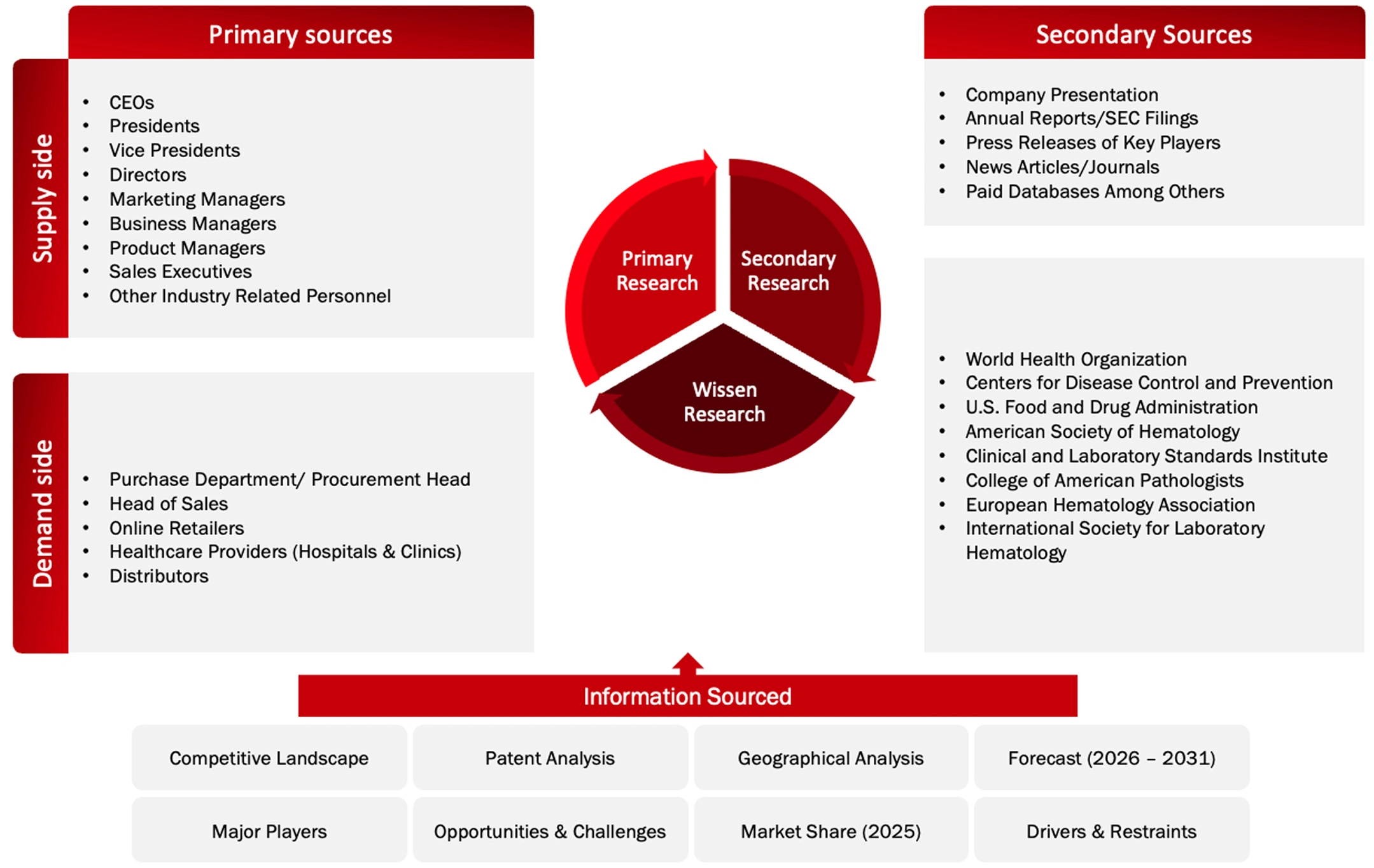
Sources: U.S. Food and Drug Administration, European Medicines Agency, National Institute of Standards and Technology, International Organization for Standardization, International Electrotechnical Commission, Federal Communications Commission, Occupational Safety and Health Administration, American National Standards Institute, Device Coordination Group, Company Website, Press Releases, Annual Reports, Paid Data Sources, and Wissen Research Analysis.
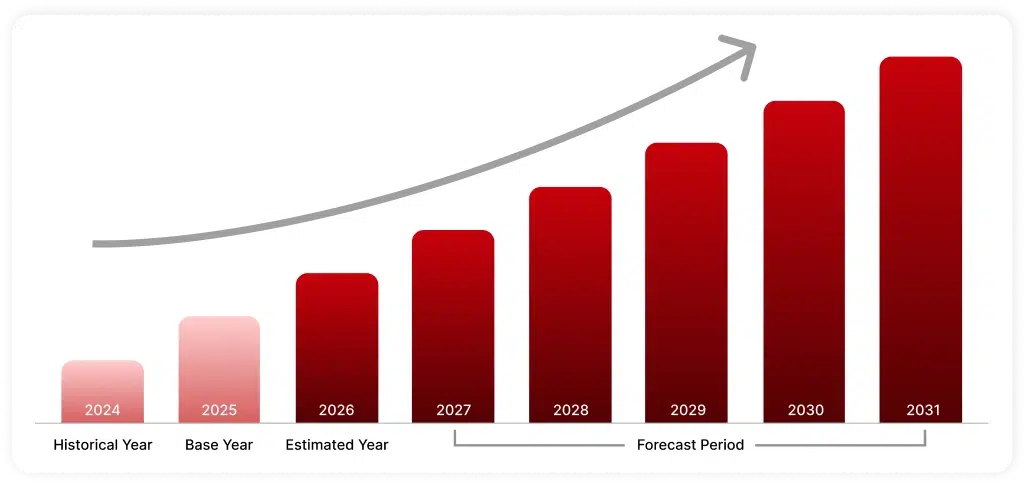
Year Framework
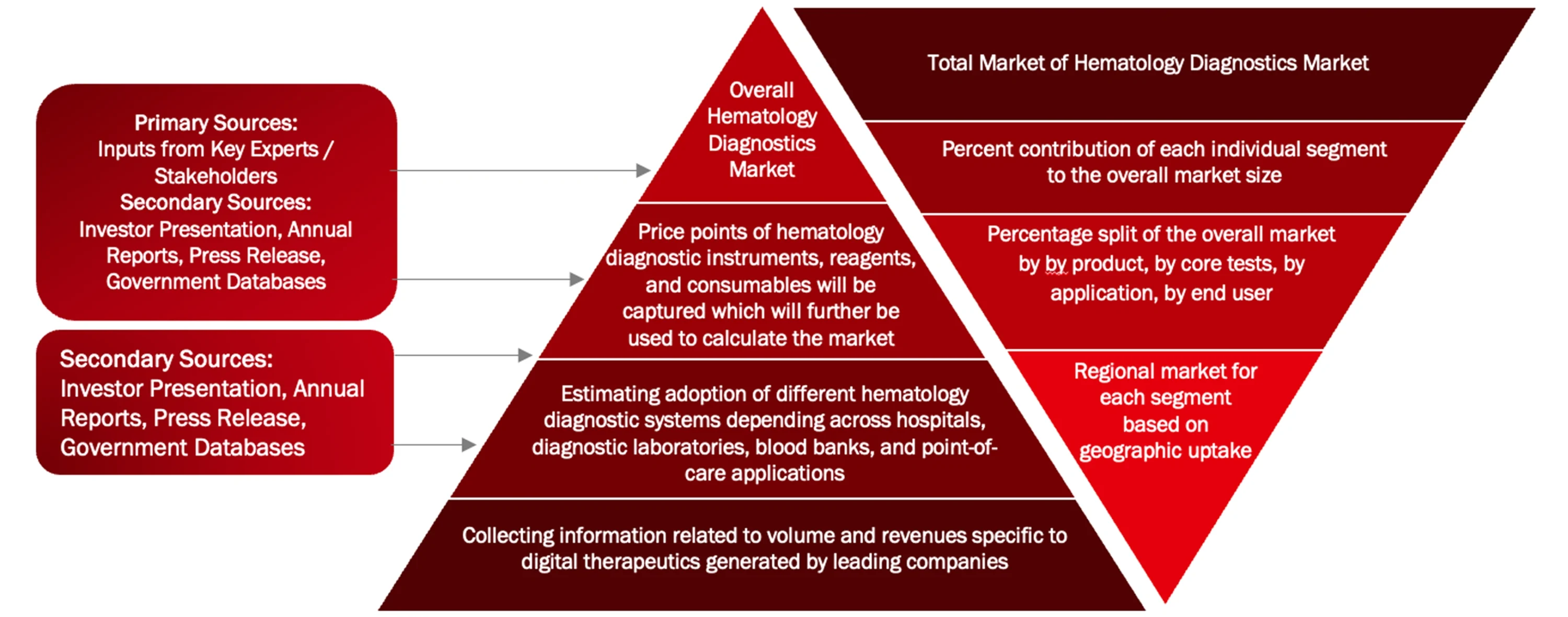
Bottom-Up Approach (Demand Side) and Top-Down Approach (Supply Side)
Bottom-Up Approach (Demand-Side Approach):
Determining the market size through the consolidation of demand among end-users, sectors, and geographic areas, which are calculated according to real-world demand conditions.
Top-Down Approach (Supply-Side Approach):
Calculating the market size through revenue and performance of the industry and its important companies, allocating the market size among various sectors.
Want detailed insights from this report?
Buy this Report
Choose the option that best fits your needs


