
Medical Image Analysis Software Market
Global Industry analysis, Size, Share, Growth, Trends, and Forecast 2026-2031
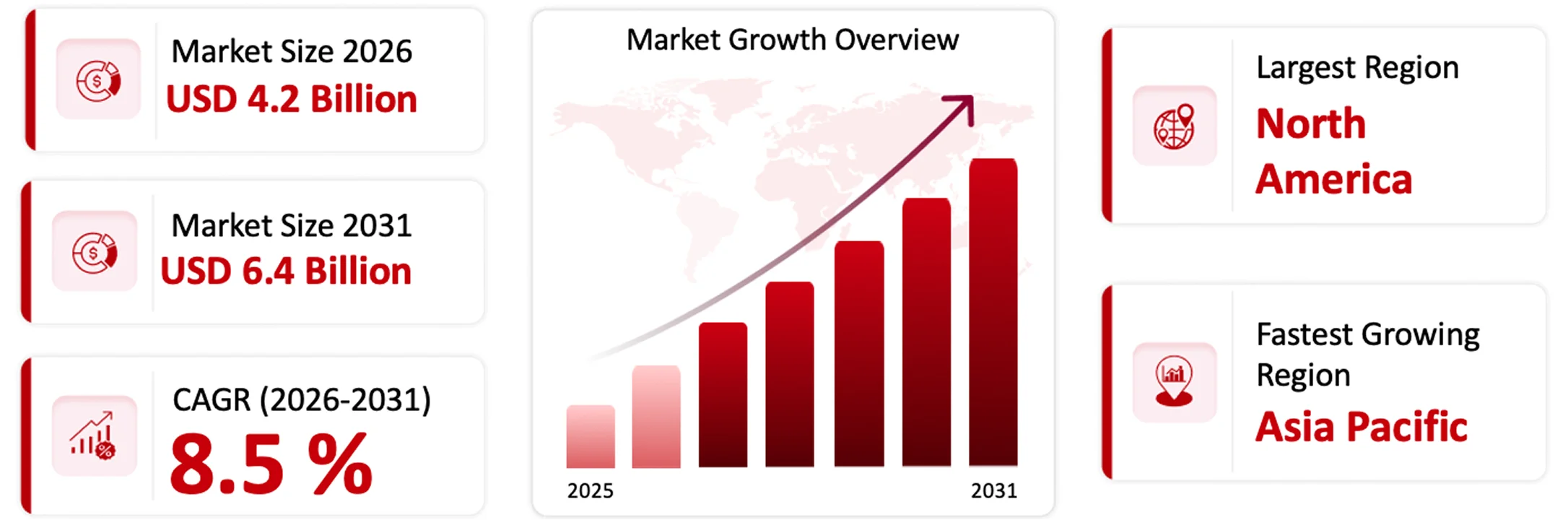
The global medical image analysis software market is projected to reach USD 6.3 billion by 2031, growing at a CAGR of 8.5% during the forecast period.
| Market Size (2026): | Forecast (2031): | CAGR (2026–2031): | Leading Region: | Fastest Growing Region: |
|---|---|---|---|---|
| $ 4.2 Billion | $ 6.3 Billion | 8.5 % | North America | Asia Pacific |
Summarize this report with:



Market Overview
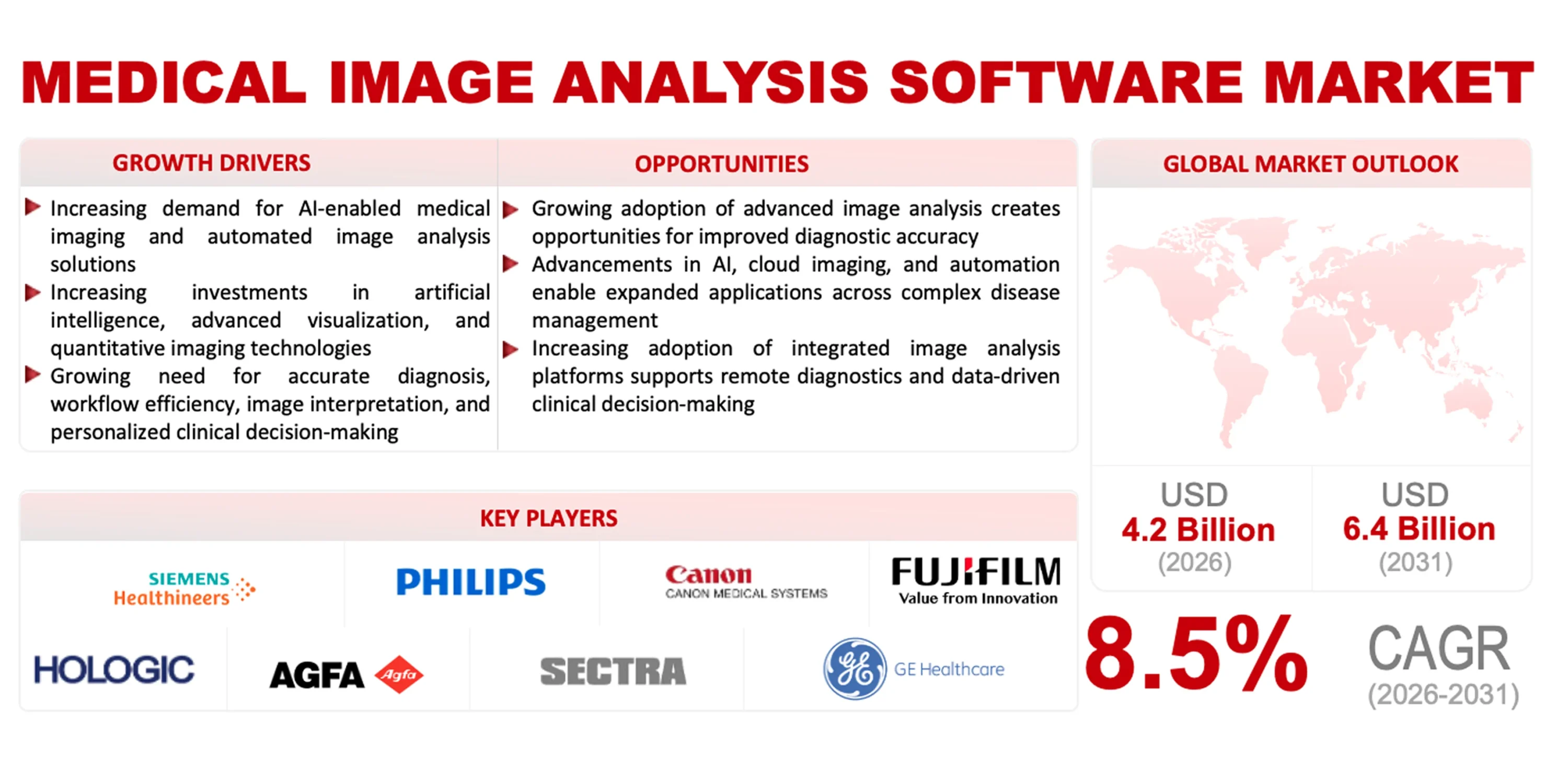
The medical image analysis industry is witnessing a constant increase in demand for advanced technologies that can improve the interpretation, processing, visualization, and quantification of medical images. Medical image analysis technologies have improved diagnostic workflows and made it possible for healthcare professionals to identify abnormalities, measure anatomical structures, and support clinical decision-making more efficiently. In addition, medical image analysis solutions help in the evaluation of complex imaging data generated from CT, MRI, X-ray, ultrasound, mammography, and nuclear imaging systems. Moreover, within the field of medicine, image analysis software helps improve diagnostic efficiency by enhancing image interpretation, reducing manual workload, supporting accurate measurements, and enabling faster reporting. The market is estimated to be USD 4.2 billion in 2026 and is projected to reach USD 6.3 billion by 2031, growing at a CAGR of 8.5 % during the forecast period (2026-2031).
Technology Overview
Medical image analysis technologies allow medical images to be processed, interpreted, quantified, and visualized through specialized software and computational systems. This way, clinically relevant information can be extracted from complex imaging datasets and presented to healthcare professionals. These technologies can be used in several ways, including image reconstruction, segmentation, detection and localization, image registration, visualization, quantification, and automated reporting. Among their numerous uses, medical image analysis can support oncology, cardiology, neurology, orthopedics, women’s health, and other clinical specialties. Advanced medical image analysis solutions provide healthcare professionals with improved visualization, automated measurements, faster identification of abnormalities, and decision-support capabilities compared with conventional manual image interpretation methods.
Key Growth Drivers
- The increased number of medical imaging procedures like CT scanning, MRI, X-rays, ultrasound, and mammography leads to an increased need for technologies that can reliably and swiftly process and assess enormous amounts of medical images.
- The rise in the incidence of cancer, CVDs, neurologic conditions, and other chronic illnesses has created the need for accurate imaging-based diagnosis and assessment.
- The increased use of AI, machine learning, and computer vision has created opportunities for the automated identification, segmentation, reconstruction of images, and clinical decision-making support.
- The shortage and increasing workload of radiologists and other imaging specialists force healthcare institutions to implement software that can minimize repetitive work, prioritize examinations, and enhance reporting.
- The increase in introduction of digital healthcare infrastructure, cloud-based imaging solutions, and interoperable systems contributes to effective adoption of medical imaging technologies into hospitals’ and diagnostic centers’ workflow.
Medical Image Analysis Software Market Key Highlights
Need deeper insights on this market?
Get full report access with detailed forecasts, competitive analysis, and segmentation.
Medical Image Analysis Software Market Trends
The medical picture analysis industry is leaving behind the time of the traditional visualization of images and measurement. New technologies are emerging to improve interpretation of the processed information. Medical institutions are faced with the need to treat growing numbers of images, they need to provide quicker results, obtain more accurate measurements and better utilize experts’ resources available. This creates demand for analytics systems that are able to extract important information from complicated datasets. The functionality of artificial intelligence appears to be important as AI systems are now widely used in applications related to identifying anomalies, segmenting anatomy, classifying images and making quantitative conclusions based on them. Besides that, the development of digital healthcare has made the idea of utilizing interoperable medical picture analysis more attractive.
Increasing Adoption of Artificial Intelligence for Automated Medical Image Interpretation
Artificial intelligence is helping medical imaging analysis by helping software detect patterns and characteristics that would take a long time to process manually, reach new heights. Previous medical imaging processes relied primarily on doctors and specialists to review images, measure patient anatomy based on images, find abnormalities, and create diagnoses. Recently, the high volume of imaging work has made interest in ways to automate these processes grow.
Modern medical imaging innovations are adopting deep learning and computer vision systems to accomplish tasks such as the identification of lesions, segmentation of images, classification of diseases, prioritization of images, and quantitative analysis of images. By having these capabilities at their disposal, healthcare workers can see the significant findings and get standardized measurements of medical images with ease. Medical imaging solutions that use AI can also be integrated into traditional medical imaging processes, allowing the results to be acquired along with standard image interpretation processes rather than going through an entirely different process.
Growing Use of Quantitative and 3D Image Analysis Across Clinical Applications
The use of medical imaging continues to grow beyond just visualizing anatomical structures; it can also generate measurable data that can help physicians with diagnosis, treatment planning, and disease monitoring processes. Advanced imaging platforms allow for the transformation of 2D and 3D imaging data sets into quantitative information, volumetric measurement, anatomical modeling, and other relevant clinical output. This is particularly important in any cases when it is required to measure changes in the size and characteristics of the lesion, volume of any organ, etc.
Among the most important advantages of 3D visualization, automated image segmentation, image registration, and quantitative imaging, one can observe the impact of these technologies in oncology, cardiology, neurology, orthopaedics, and surgical planning. Many examples can be presented in the area of oncology, where some analytical software can measure tumors and track the ongoing treatment process. As for cardiology, it would be great to mention that various calculations are possible thanks to image processing.
Key Players in the Medical Image Analysis Software Market
Leading companies in the medical image analysis software market are focusing on innovation, strategic partnerships, and expansion of health-centric features to strengthen their market position.








Strategic Activities Within the Medical Image Analysis Software Market
Vanderbilt University Medical Center (U.S.) and Siemens Healthineers AG (Germany) entered into an $87 million multi-year partnership to modernize diagnostic imaging and radiation oncology. The collaboration covered MRI, CT, molecular imaging, interventional radiology, AI-enabled radiology, data infrastructure, workflow automation, and workforce development to improve operational efficiency and patient care.
GE HealthCare Technologies Inc. (US) and Mayo Clinic (US) launched the MI-BET theranostics research collaboration to advance personalized radioligand therapy for prostate cancer. The study combined GE HealthCare’s StarGuide SPECT/CT with MIM Software Inc.’s MIM LesionID Pro to analyze tumor response and imaging biomarkers for treatment decisions.
Koninklijke Philips N.V. (Netherlands) launched the Alturion ultrasound system with AI-powered workflows following FDA 510(k) clearance and CE marking. The system incorporated AI-enabled measurements, automated acquisition, and workflow tools designed to improve examination efficiency, measurement reproducibility, visualization, and clinical decision-making in high-volume ultrasound environments.
Medical Image Analysis Software Market Insights
The role of medical image analysis is increasing in importance due to the fact that more and more complex data is produced by healthcare providers. Advanced image processing systems perform more than just viewing images; they can also measure, display, register, reconstruct, detect, and evaluate the images generated using imaging techniques such as CT, MRI, X-ray, ultrasound, and mammography. These capabilities of the advanced software facilitate the work of radiologists and other specialists by enhancing the quality of images analysis, minimizing amount of repetitive work, and increasing the detail of disease progression assessment. There is also an increasing use of artificial intelligence, machine learning, and computer vision technology which is widening the scope of medical image analysis bringing it closer to medical clinical support.
Healthcare image processing technology can be employed in various specializations of medicine in which imaging is essential for diagnoses, treatment planning, and disease management. The branch of oncology has the most applications of image processing technology, including tumor detection, tumor delineation and measurement, as well as evaluation of treatment outcomes. Cardiology employs image processing to assess heart structures, vessels, and function based on images from CT, MRI, and ultrasound examinations. In neurology, image processing is used for brain structure analysis, localization of lesions, and determination of the type of pathology. Other medical specialties that utilize the image processing techniques are orthopaedics, gynaecology, and pulmonary medicine.
The increase in diagnostic imaging procedures, along with the need for quicker and more consistent interpretation, is one of the key reasons for the growth of the medical image analysis market. At the same time, the rising frequency of cancer, cardiovascular diseases, neurological problems, and other diseases that need repeated imaging tests is increasing the data amount healthcare specialists should analyze. The technological progress in the field of artificial intelligence and deep learning generates extra opportunities through the ability for automatic detection, segmentation, classification, and quantitative estimation of “medical images”. At the same time, the lack of specialists and the work pressure on radiologists motivate healthcare organizations to implement the technologies that can automate many repetitive tasks and highlight the examinations that can be important. Finally, the apparition of cloud technology imaging infrastructure, digital hospitals, and interoperable health systems facilitates the use of image analysis technologies.
The medical imaging analysis sector is progressively marked by the use of AI-supported interpretation, automatic segmentation, quantitative imaging, 3D visualization, as well as cloud-based analyzing platforms. Healthcare providers have also expressed rising interest towards solutions that offer the possibility to integrate with PACS, electronic health records, and other existing radiology workflows rather than work as stand-alone software programs. Regardless of that, the field is still facing challenges such as data interoperability, data quality, regulatory approval, cybersecurity, and the need to illustrate the clinical benefit of the implementation. It should also be taken into account that AI-based systems usually require considerable input data which should reflect the diversity of situations to meet the needs for its creation.
Moreover, health institutions have to cope with costs for integration, training, reimbursement, as well as encouraging doctors to oversee the process of analysis.
The rise in healthcare spending, the growth of diagnostic infrastructure, and the increasing access to latest imaging equipment’s are laying the foundation for the increased adoption of medical image analysis within Asia Pacific region. Countries like China, Japan, India, South Korea, and Australia are concentrating on digitalizing healthcare and providers are also gradually including more and more AI-based technologies in their diagnostic workflow. Furthermore, the region is experiencing the influx of demands for imaging-based diagnosis due to the rising cases of cancer, cardiovascular issues, and other chronic diseases. The availability of cloud systems, improvements in healthcare connectivity, and domestic investment in AI and medical technologies will create new opportunities for image analysis providers. Finally, the emergence of private hospitals, diagnostic centres, and technology-driven healthcare networks around the world is expected to assist in adoption in developed and developing healthcare markets.
Medical Image Analysis Software Market Dynamics
Drivers: Increasing Integration of Artificial Intelligence and Automation in Medical Imaging
The use of artificial intelligence, sophisticated algorithms, and automated analysis methods is a key factor in the development of the medical imaging market. Modern software tools can provide assistance in terms of medical imaging segmentation, abnormality identification, anatomical measurement, classification of scans, and scheduling of examinations. The technology fits perfectly into such fields of medicine as oncology, neurology, cardiology, and pulmonary imaging since they require working with huge data sets and down to detailed measurement data. Connection of the software solutions with PACS and other imaging systems allows for integration of analysis outputs into already established work processes. The increased pace of diagnostics and increased workflow efficiency due to the use of AI-enabled image analysis solutions enable further increase in demand for these technologies on the medical market.
Opportunities Expansion of AI-Enabled Diagnostics and Cloud-Based Imaging Platforms
There is an opportunity for substantial growth in the medical imaging analysis field specifically with the integration of AI diagnostics technology and cloud imaging systems. Through cloud capabilities, the data and applications used can be shared and utilized at various hospitals, imaging centers, and health care systems while the use of AI allows for much of the process to happen automatically. This makes it easier to integrate imaging analysis into several fields of medicine and patient care including oncology, cardiology, neurology, female care, and others. The high increase in remote radiology services and centralized imaging practices increases the need for scalable imaging systems. Moreover, the advancement of algorithms, infrastructure, and interoperability finally enables the providers to develop tailored solutions to specific diseases, imaging methods, and workflows.
Challenges: Regulatory Complexity, Data Requirements, and Integration Barriers
Despite advancements in modern technology, medical imaging companies face various issues that can affect market acceptability and adoption. AI applications must confirm their efficiency, dependability, and medical usefulness to be used in standard health systems, which leads to post-development regulatory and validation processes. Data quality and variety are also crucial, since models using marginal databases can work unpredictably with different patient groups, types of equipment, and healthcare settings. Besides, with existing hospital systems, the problem of integrating systems may appear, especially when health institutions use various imaging machines and software — issues in terms of interoperability, data security, data privacy, and cybersecurity will complicate the implementation process. Moreover, healthcare professionals may need some education to work with automated features properly. Vendors’ activities may be influenced by different reimbursement schemes in the industry and uncertainty connected with the economic effects of particular AI applications.
Technology and Market Insights
The healthcare organizations are progressing towards data-driven diagnosis and automated image interpretation which is expanding the medical image analysis market. Hospitals, diagnostic centers, research institutions and medical technology firms are interested in gaining more clinical insights from the existing imaging examinations. The advancements in AI, cloud computing, visualization and image processing technology are aiding the analytical technologies in integrating better with traditional imaging processes.
Technology Scope and Products
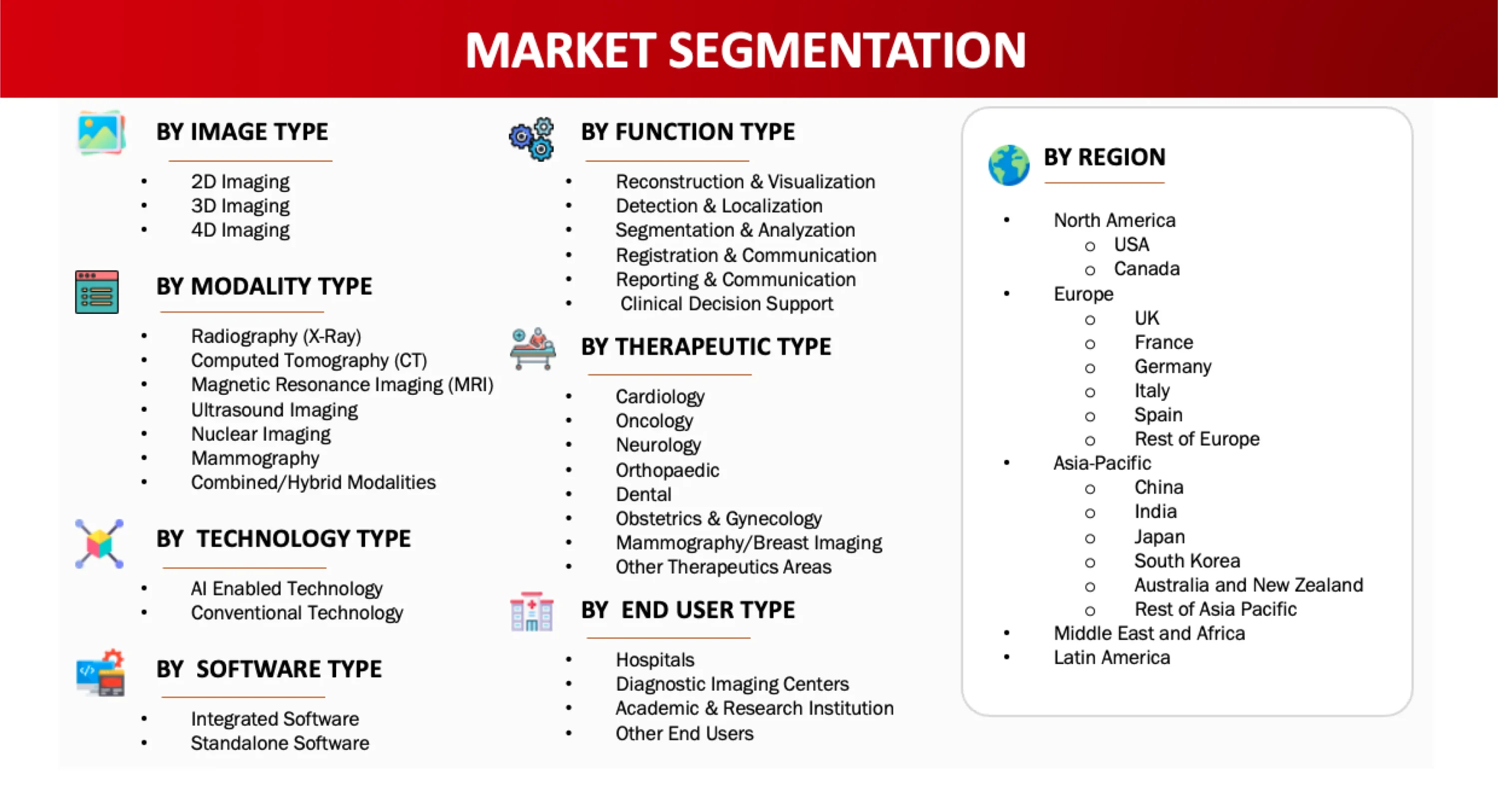
Medical Image Analysis Software Market Segmentation
Want detailed insights from this report?
Industry Developments and Competitive Landscape
The competitive landscape in medical image analysis is transforming due to the convergence of artificial intelligence, diagnostic imaging, cloud computing, and clinical workflow software. Technology giants in the medical sector are expanding their image ecosystem by focusing on using artificial intelligence in their solutions, developing software, and partnering with other companies, while specialized technology companies are introducing new products designed to help treat certain diseases or used for specific imaging purposes. As a result, competition between general imaging-platform vendors and specialized AI players will keep growing in such fields as radiology workflow, oncology, cardiovascular imaging, and automated abnormality detection.
Computed Tomography (CT) was the dominant segment of the market in 2025. In addition to being utilized for oncology and emergency care, CT is also utilized in cardiovascular imaging, pulmonology, and assessing neurologic conditions. The use of CT involves the creation of large and complex datasets, which necessitate tasks like reconstruction, visualization, segmentation, lesions detection, and quantitative analysis. As a result, demand for image analysis software is substantial, driven by the intricacies of CT interpretation and the application of AI technology.
-
There is a trend towards the integration of AI in CT analyses for tasks that include pulmonary nodule detection, stroke assessment, coronary calcium scoring, vascular analysis, and tumor assessment.
-
The increasing utilization of CT in emergency and critical-care situations is driving demand for help in producing images quickly and for automated detection systems.
-
The development of high-resolution, spectral, and dual-energy CT technology is causing the emergence of increasingly complex datasets that will drive the need for quantitative analysis software and advanced visualization software.
-
AI-based reconstruction and image-processing technologies are the other area where CT interpretation is evolving.
The segment for reconstruction and visualization is thought to have been the biggest segment in 2025 since these capabilities are core to converting raw imaging data into clinical images. The radiology departments need reconstruction and visualization solutions throughout CT and MRI workflows in order to create clear images, generate MPR and 3D views, or provide thorough anatomical evaluation. The significance of the segment is also related to the growing complexity of modern imaging datasets and the requirement for obtaining more clinical information from every examination.
-
The advanced reconstruction technology is becoming part of CT workflows in order to improve image quality and help limit radiation exposure.
-
3D visualization technology allows doctors to view anatomical structures from different angles, being a valuable tool for surgical planning or treatment evaluation.
-
The increasing amount of large imaging datasets results in the need for faster computing and automated reconstruction processes.
-
The segment of detection and localization is thought to advance the fastest in the years ahead owing to the growing number of hospitals that implement AI technologies in order to prioritize important findings.
North America continues to be the prominent region in the year 2025, driven by the high imaging volumes, developed healthcare facilities, high inclination towards the AI-based healthcare solutions, and a number of major companies (in the medical imaging, and healthcare software sectors) based in the region. The region also has the advantage of ethical and legal frameworks and a major digital imaging investment.
-
The U.S. makes for the majority of the demand coming from the region, due to having a highly functioning hospital infrastructure and widespread use of CT, MRI, X-ray, and other imaging solutions.
-
The increasing workloads of the radiologists and the increase in the volumes of imaging are the factors promoting the use of AI-based solutions in the U.S.
-
The presence of such companies as Siemens Healthineers, GE HealthCare, Philips, Aidoc, and Viz.ai adds strength to the medical imaging software ecosystem in the region.
-
It is expected that Asia Pacific will grow even faster due to the improvement of healthcare infrastructure, diagnostic capacity, AI usage, and digital health investments in the countries, such as China, India, Japan, South Korea.
What This Report Covers-
This report provides a comprehensive analysis of the medical image analysis software market, offering insights into key trends, growth drivers, challenges, and future opportunities. It is designed to support strategic decision-making through a combination of quantitative data and qualitative analysis.
Specifically, the report covers:

Market Overview & Definition:
Overview of the market scope, structure, and key terminology

Market Size & Forecast:
Historical data and future projections across key segments and regions

Key Market Trends:
Insights into emerging trends, technological advancements, and evolving demand patterns

Drivers, Restraints & Opportunities:
Analysis of key factors influencing medical image analysis software market growth

Competitive Landscape:
Overview of major players, their strategies, and recent developments

Detailed Patent Analysis:
This includes, top assignees, geography focus of top assignees, legal status, technology evolution, key patents and patent trends and innovations

Segmentation Analysis:
Breakdown by image type, by modality type, by technology type, by therapeutic area type, by software type, by function type, by end user, and region

Regional Insights:
Key regional trends and growth opportunities

Future Outlook:
Strategic insights and future market direction
Research Methodology
The study of the Medical Image Analysis market is based on a combination of primary and secondary research methodologies, supported by data validation and analytical modelling to ensure accuracy and reliability.
Market Definition: Medical Image Analysis Software Market
Medical image analysis refers to the use of specialized software, computational algorithms, and artificial intelligence technologies to process, interpret, quantify, and visualize information obtained from medical images. These solutions are designed to extract clinically relevant information from imaging modalities such as computed tomography (CT), magnetic resonance imaging (MRI), X-ray, ultrasound, mammography, and nuclear imaging. Healthcare professionals can use medical image analysis technologies to identify abnormalities, measure anatomical structures, monitor disease progression, support diagnosis, assist treatment planning, and improve the efficiency of imaging workflows across applications including oncology, cardiology, neurology, orthopedics, and women’s health.
Key examples of medical image analysis technologies include image segmentation, computer-aided detection and diagnosis, image registration, 3D visualization, quantitative image analysis, image reconstruction, and AI-based image interpretation. In addition, automated lesion detection, anatomical measurement, image fusion, clinical decision-support applications, and cloud-based image analysis platforms are included within selected technology categories. Across healthcare environments, including hospitals, diagnostic imaging centers, specialty clinics, research institutions, and outpatient facilities, medical image analysis solutions are used to improve diagnostic consistency, reduce manual interpretation workload, accelerate image processing, support quantitative assessment, and facilitate data-driven clinical decision-making.
Key Stakeholders
The medical image analysis software market involves a broad ecosystem of stakeholders:
- Medical Imaging & Image Analysis Software Providers (Image analysis platforms, AI algorithms, visualization software, segmentation, and quantitative analysis solutions)
- Medical Imaging Equipment Manufacturers (CT, MRI, X-ray, ultrasound, mammography, and nuclear imaging systems)
- Artificial Intelligence & Healthcare Technology Companies (Machine learning, deep learning, computer vision, automated detection, and clinical decision-support technologies)
- PACS, RIS & Healthcare IT Providers (Image storage, communication, radiology information systems, workflow integration, and interoperability solutions)
- Cloud & Data Infrastructure Providers (Cloud imaging platforms, data storage, computing infrastructure, cybersecurity, and remote image processing)
- Healthcare Providers (Hospitals, diagnostic imaging centers, specialty clinics, outpatient facilities, and integrated healthcare networks)
- Radiologists and Clinical Specialists (Image interpretation, clinical validation, diagnostic decision-making, and evaluation of analytical outputs)
- Patients and Caregivers (Diagnostic imaging, disease monitoring, treatment planning, and access to imaging-supported healthcare services)
- Medical Imaging Research & Academic Institutions (Algorithm development, medical imaging research, clinical validation, and development of advanced analytical methods)
- Clinical Research Organizations (CROs) (Clinical studies, algorithm validation, imaging-based clinical research, and regulatory support)
- Regulatory & Standards Organizations (Software approval, AI-enabled medical device regulation, patient safety, data requirements, and performance standards)
- Testing, Inspection & Certification (TIC) Companies (Software validation, cybersecurity testing, quality assurance, performance assessment, and regulatory compliance)
- Healthcare Technology Integrators & Channel Partners (Software implementation, system integration, imaging workflow deployment, and technical support)
- Investors (Venture capital firms, private equity investors, medical technology companies, and strategic healthcare investors)
Key Objectives of the Study
- To define, describe, analyze, segment, and forecast the medical image analysis software by image type, by modality type, by technology type, by therapeutic area type, by software type, by function type and by end user.
- To describe and forecast the market for four key regions: North America, Europe, Asia Pacific, and Rest of the World
- To provide detailed information regarding key drivers, restraints, opportunities, and challenges influencing market growth
- To strategically analyze the micro indicators with respect to individual growth trends, prospects, and contributions to the overall market size
- To analyze opportunities for stakeholders in the medical image analysis software industry and emphasize on competitive landscape of the market
- To develop competitive benchmarking of the key market players based on technology specifications and end user
- To strategically profile key players and comprehensively analyze their product portfolio offerings, and core competencies
- To analyze competitive developments, such as launches and approvals, agreements, mergers and acquisitions, partnerships, joint ventures, investments and expansions, and collaborations, medical image analysis software domain
Need deeper insights on this market?
Get full report access with detailed forecasts, competitive analysis, and segmentation.
Research Approach
This research employs a systematic approach by using primary research along with secondary research to achieve full coverage and accuracy of information about the medical image analysis software sector. Through this approach, the current market trends in terms of consumer behaviour, technological developments, and competitive environment can be analysed thoroughly.
Secondary Research
Secondary research involves the collection of data from reliable sources such as industry databases, company annual reports, investor presentations, and regulatory filings. This process helps in understanding market trends, identifying key players, and gathering technical and commercial insights.
A comprehensive database of leading companies and market participants is developed through secondary research to support further analysis.
Primary Research
Primary research is conducted to validate findings from secondary research and to gain deeper insights into market dynamics. Interviews are carried out with industry stakeholders across both demand and supply sides, including executives such as CXOs, Vice Presidents, and Directors from business development, marketing, and product teams.
Data is collected through structured questionnaires, email interactions, and telephonic interviews across key regions including North America, Europe, Asia-Pacific, and Rest of the World.
Market Size Estimation
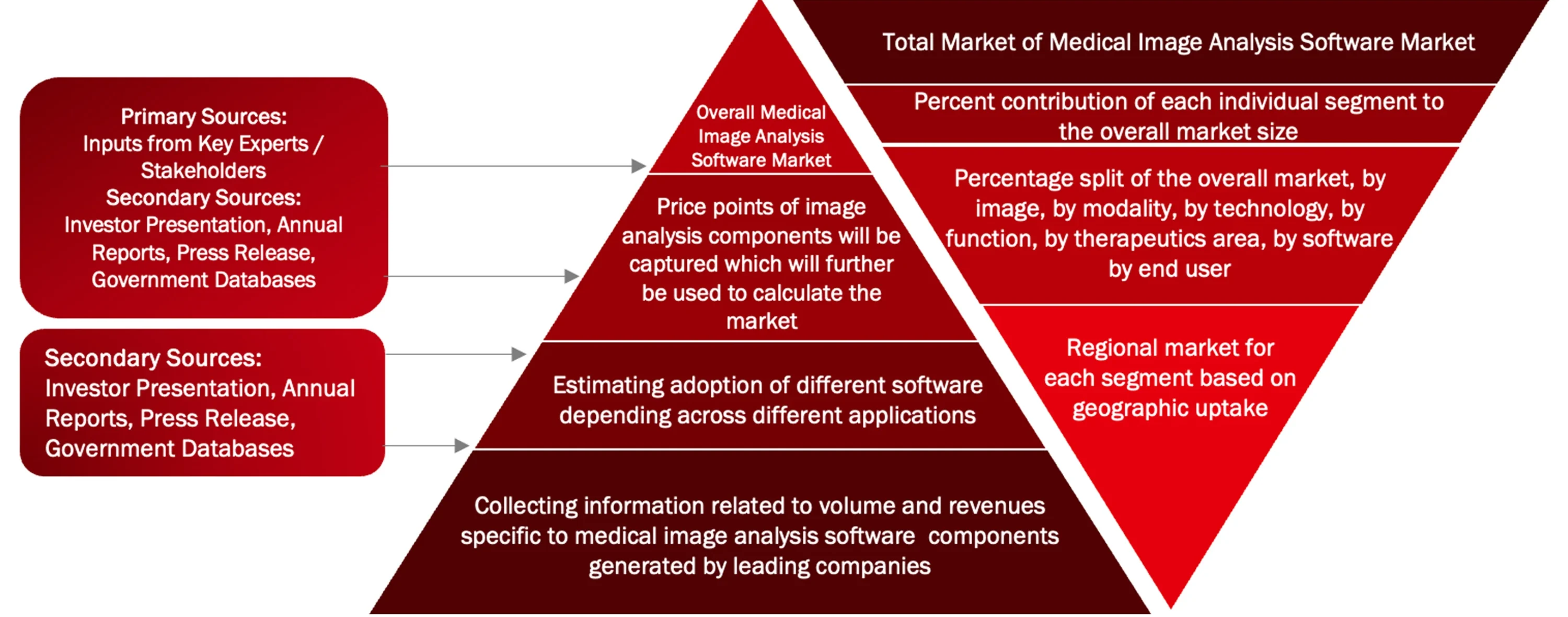
Market size estimation is performed using both top-down and bottom-up approaches. Key market players are identified, and their revenues are analysed to estimate the overall market size.
The market is further segmented based on:
- Product and service mapping across regions
- Adoption patterns across key application segments
- Insights gathered through primary and secondary research
Data Validation and Research Design
After estimating the overall market size, the data is validated using triangulation methods and market breakdown techniques to ensure accuracy and consistency. Both demand-side and supply-side factors are considered to refine the analysis.
The final data is validated through multiple sources to ensure reliability and to provide accurate insights across all market segments and regions.
Assumptions of the Study
The analysis of the medical image analysis software market is based on the following key assumptions:
- Trends in the industry are drawn from historical data and current information within the sector
- The future outlook is underpinned by constant economic conditions in the absence of shocks to the market
- The rate of adoption for medical image analysis software will rise steadily in all important regions
- The income statement and market share figures are estimated using available information from the industry and publicly available data
- The exchange rate and price trends will not be greatly affected during the forecast period
Scope and Limitations
Scope of the Study
This report offers an exhaustive overview of the global medical image analysis software market and includes the following components:
- Summary of market size, growth trends, and projections
- Carefully segmented market based on image type, modality type, technology type, therapeutic area type, software type, function type, end user and geography
- Discussion of primary factors influencing the market
- Competitor analysis
- Insights into regional and national market performance
Limitations of the Study
Despite the best efforts being made to keep the results accurate, the study does suffer from some limitations:
- It has been done using both primary and secondary data that come with their own constraints
- Rapid developments in technology might affect the future course of market dynamics
- Some figures are only approximations due to lack of public disclosure
- The report is not an insurance against any disruptions in macroeconomics and geopolitics
- Future forecasts are indicative and subject to change due to altered industry dynamics
Data Triangulation and Market Breakdown
Data triangulation involved the combination of primary research, secondary research, and the Wissen Research analysis. Once the data points were sourced from the secondary market research, we sanitized the data points to make the market sizing and growth forecast more accurate by developing our own assumptions based on the inputs and insights we gather through the primary interviews with the industry experts. Once the data was thoroughly validated through primary interviews from both, demand and supply side of the market, our team of analyst and other team members involved finalized the market sizing and growth forecast.
Data Triangulation Methodology
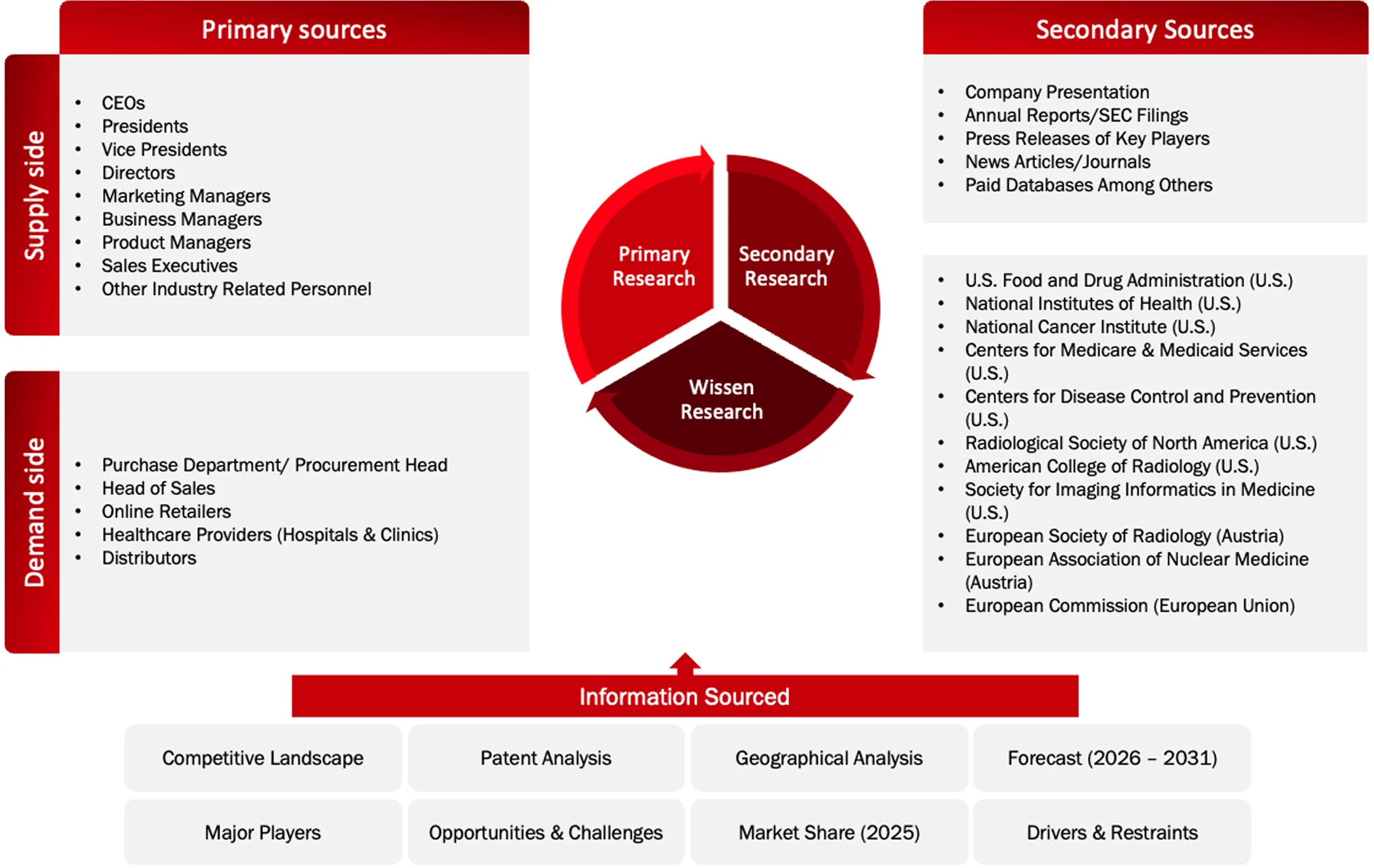
Sources: U.S. Food and Drug Administration, National Institutes of Health, National Cancer Institute, Centers for Medicare & Medicaid Services, Radiological Society of North America, American College of Radiology, Society for Imaging Informatics in Medicine, European Society of Radiology, European Association of Nuclear Medicine, World Health Organization, International Organization for Standardization, International Electrotechnical Commission, Company Websites, Press Releases, Annual Reports, Paid Data Sources, and Wissen Research Analysis.
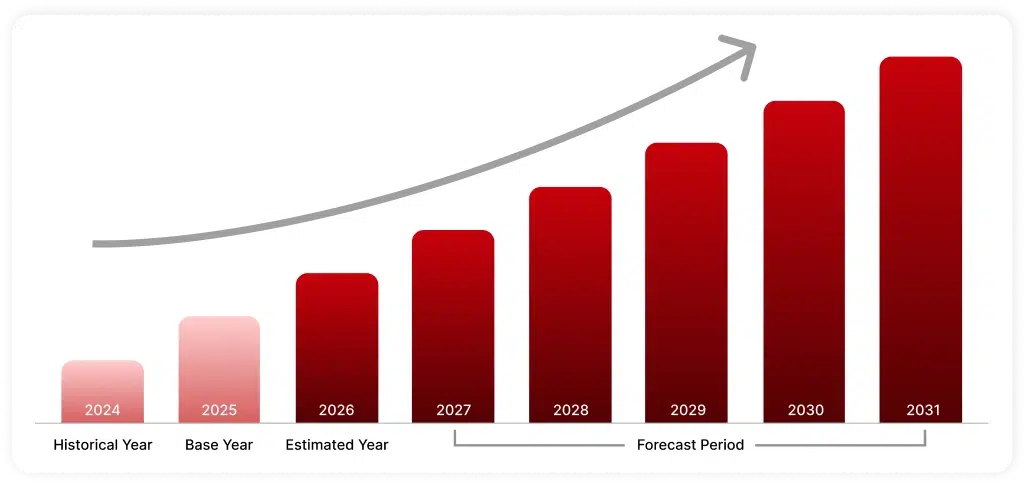
Year Framework
Bottom-Up Approach (Demand Side) And Top-Down Approach (Supply Side)
Bottom-Up Approach (Demand-Side Approach):
Determining the market size through the consolidation of demand among end-users, sectors, and geographic areas, which are calculated according to real-world demand conditions.
Top-Down Approach (Supply-Side Approach):
Calculating the market size through revenue and performance of the industry and its important companies, allocating the market size among various sectors.
Want detailed insights from this report?
Buy this Report
Choose the option that best fits your needs