
Medical Membrane Market
Global Industry analysis, Size, Share, Growth, Trends, and Forecast 2026-2031
The global medical membrane market is projected to reach USD 7.8 billion by 2031, growing at a CAGR of 9.3% during the forecast period.
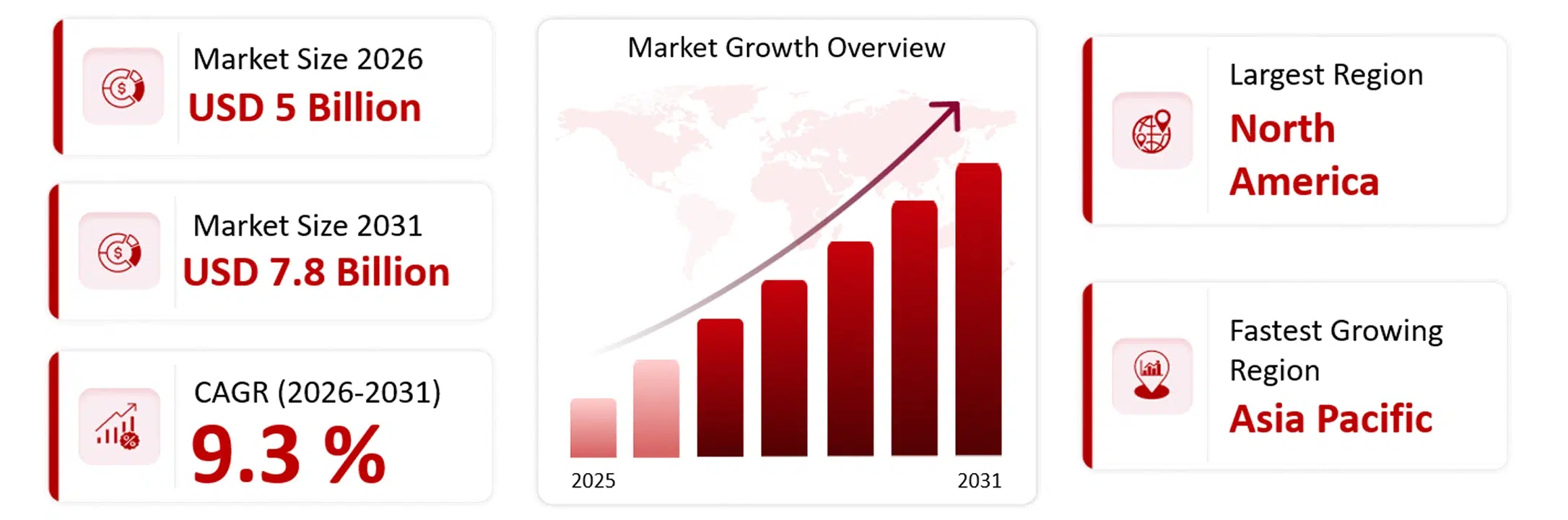
| Market Size 2026 | Market Size 2031 | CAGR (2026-2031) | Largest Region | Fastest Growing Region |
|---|---|---|---|---|
| $5 Billion | $7.8 billion | 9.3% | Asia-Pacific | Asia Pacific |
Summarize this report with:



Market Overview
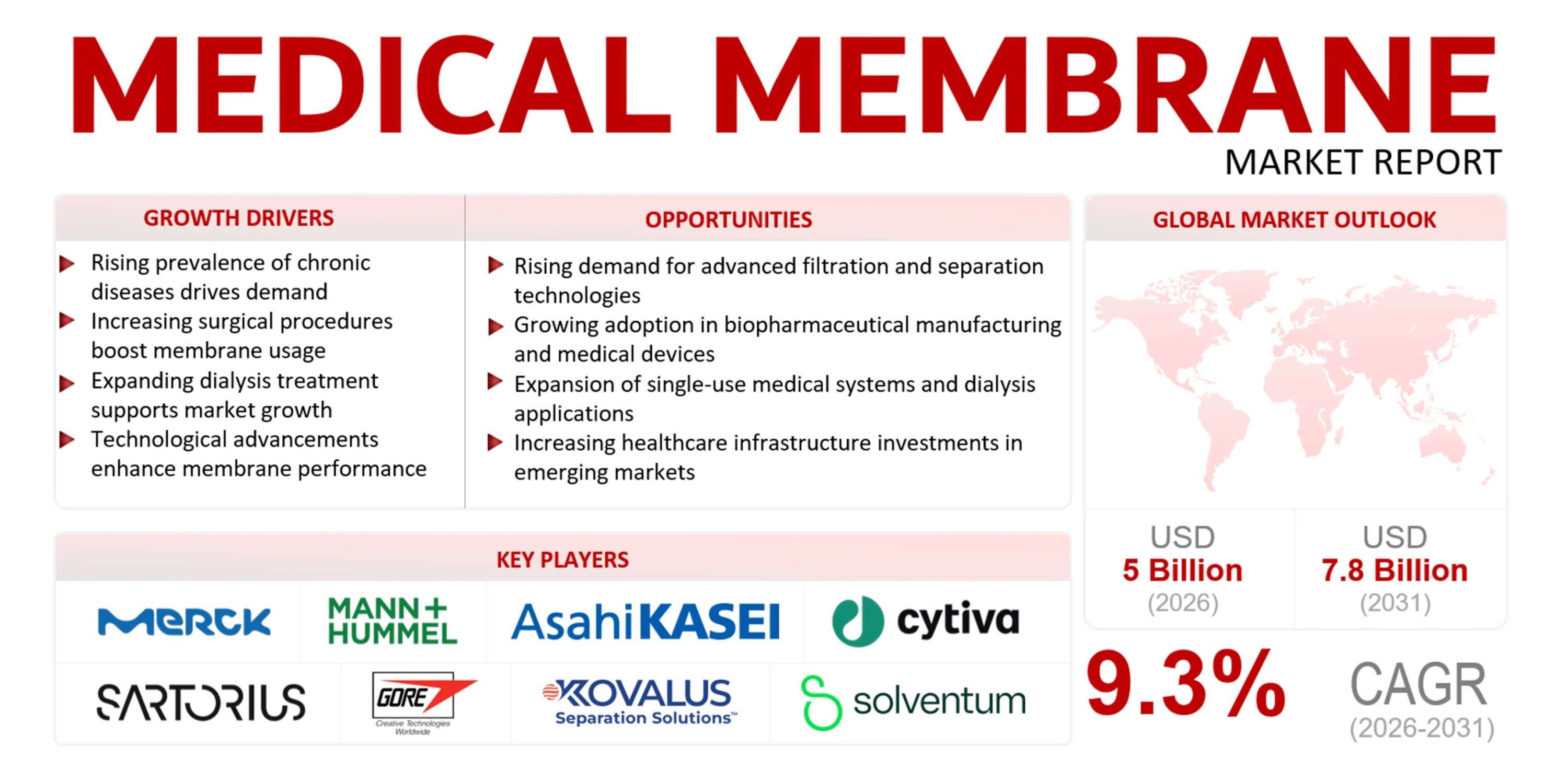
The medical membrane market is experiencing a constant & steady growth due to its increasing integration in the modern healthcare systems. The strongest reason for the market’s evolving nature is the wide applicability of biomedical membranes across diverse areas such as hemodialysis, pharmaceutical filtration, diagnostics, tissue engineering, and drug delivery. The market is estimated to be at USD 5 billion in 2026 and is projected to reach USD 7.8 billion by 2031, growing at a CAGR of 9.3% during the forecast period (2026-2031).
Technology Overview
Medical membrane technology allows selective separation and filtration of biological substance, ensuring safety and high purity in healthcare process, as conventional or orthodox methods of filtration are not that reliable which face limitation in efficiency and precision. The addition or integration of polymeric material has significantly improved membrane durability, compatibility, and chemical resistance with biological systems. Modern surface modified & anti-fouling membranes is addressing long due issue of degradation therefore extending operational lifespan.
Key Growth Drivers
- Constant demand in the dialysis due to frequent membrane replacement per patient.
- Continuously growth in the CKD patient pool drives the global adoption of the biomedical membranes
- Expansion in the use of membranes in the biopharma filtration & manufacturing of biologics
- Shift in the market from conventional to the high-flux & advanced membranes increasing average selling prices
- Strict regulatory requirement in the pharma & healthcare, making membrane filtration mandatory.
Medical Membrane Market Key Highlights
Need deeper insights on this market?
Get full report access with detailed forecasts, competitive analysis, and segmentation.
Medical Membrane Market Trends
The emerging trends are expected to yield new avenues of opportunity in areas like single-use membranes, high-flux dialysis, advanced polymer membrane usage, and integrated systems within the production of biologics & vaccines. A number of industry leaders (including Fresenius Medical Care; Asahi Kasei Corporation; Sartorius AG; & Danaher Corporation, etc.) are actively pursuing next-generation membrane tech (i.e., high-performance dialyzers/filtration systems, and scalable bioprocessing platforms, etc.) with an ongoing commitment of investment funds.
Medical Membrane Industry Trends – Advanced Materials and Hollow Fiber Technology
The medical membrane world is in a state of evolution driven by breakthroughs in polymer chemistry and membrane engineering. Advances in polymer compositions mean that traditional materials, such as PES, PSU and PVDF, are being replaced with high-performance materials which allow for greater durability, selectivity and biocompatibility of the membranes themselves.
Another major change has been with the introduction of hollow fibre membrane (HFM) technology into the modern medical field. HFMs are now seen as an essential component in many current medical applications, given their large surface area and high mass transfer capabilities provided within very small-sized devices. As a direct result of HFMs, there have been significant improvements in the performance of dialysis, filtration and oxygenator devices.
As compared to the first generation of membrane devices which were primarily used as a means of simple filtration, innovative new membrane devices are now capable of performing a wide range of tasks associated with high precision separations, high levels of toxin exiting, and low levels of fouling, allowing them to be used in increasingly complex applications such as biopharmaceutical processing and advanced therapies. Due to the increasing need for efficient and reliable filtration devices, the use of innovative new membrane technology is expanding at an accelerating rate.
Asia-Pacific Medical Membrane Market Trends Insights
There is substantial development in the Asia Pacific medical membranes sector due to healthcare infrastructure expansion, increase in the number of people who will need dialysis and pharmaceutical manufacturing capabilities growing substantially. China, India and Japan have been significant contributors, among others.
Higher demand from the region can be attributed to many other factors such as the higher incidence of kidney disease, greater awareness and knowledge surrounding advanced medical treatments and an overall increase in government initiatives that help improve access to healthcare services in rural areas and semi-urban areas.
The biopharmaceutical sector is also expanding and driving demand for membrane technology through greater production efficiencies and lower-cost methods of manufacturing. In addition, the trend toward local production has made it easier for large international companies to establish a presence in the region, with facilities located in major countries around the world.
There are a number of major players in this market, including Toray Industries, Asahi Kasei Corporation and Merck KGaA. These companies are investing heavily to expand their operations in the region by developing new technologies and expanding their existing operations through the investment of both capital and human resources.
Key Players in the Medical Membrane Market
Leading companies in the medical membrane market are focusing on innovation, strategic partnerships, and expansion of health-centric features to strengthen their market position.






Strategic Activities Within the Medical Membrane Market
Sartorius Stedim Biotech (France) expanded its global production infrastructure in 2025, including increasing membrane and filter manufacturing capacity in Göttingen, Germany, and progressing construction of a new facility in Songdo, South Korea to support biopharmaceutical production.
Solventum (United States) completed the sale of its Purification & Filtration business to Thermo Fisher Scientific Inc. (United States) for $4.0 billion in 2025. The divestiture transferred membrane filtration and purification technologies used in life sciences and medical applications to Thermo Fisher, while Solventum used the proceeds primarily to reduce debt and streamline its business strategy.
Medical Membrane Market Insights
The increase in demand for membranes used in medicine has been driven by the need for effective means of using filtration in modern healthcare settings. Traditional methods of filtration cannot provide sufficient cleaning capabilities due to their shortfalls in meeting increasingly high requirements for cleanliness as well as regulatory compliance. Some examples of how medical filtration is benefiting hospital systems and labs, are: The filtration of blood that is dialyzed; the sterilization of surgical instruments; and the development of new medicines by pharmaceutical companies. Because of increased demand for all of the above, along with the growing trend toward a cleaner method of providing medical care and the growing development of more advanced treatment options, the market for this technology will continue to grow rapidly in the years ahead.
Hemodialysis (Blood Purification) represents the primary healthcare application of medical membrane technologies in addition to other healthcare/life science applications. The purpose of medical membrane technology is to serve as a filtration technology to remove metabolites from blood and retain important materials, which makes it a critical element in kidney disease treatment.
As an example, biopharmaceutical filtration is becoming a rapidly growing application for medical membranes, and they provide sterile filtration for pharmaceuticals, separate proteins, and produce vaccines. Medical membranes are also being used in diagnostic laboratories, drug delivery systems, and tissue engineering, and in these contexts, the precise filtration and transfer of substances are critical.
The medical membrane market has been growing due to the fact that it is a consumable product when used in conjunction with dialysis. Because dialysis membranes are commonly replaced, there is always a need for them. As the number of individuals who are diagnosed with chronic kidney disease around the globe continues to increase, so too does the number of individuals require dialysis membranes. These two trends will drive the growth of this segment and create a major source of revenue. The growth of the biopharmaceutical business is also creating a need for the high-performance membrane filtration systems that are used in the production and purification of drugs. The overall trend towards the development of new membrane types, including high-flux and polymer-based membranes, is also supporting the need for greater efficiency and improved patient outcomes.
There is a significant number of technological advancements occurring in the medical membrane market due to the growing focus on developing advanced polymer materials, improving hollow fiber configurations, and identifying new high-flux membrane technologies. Developing anti-fouling surfaces and membranes that utilize nanotechnology to improve product performance and durability and enhance filtration accuracy will support future growth within the medical membrane industry. Wallet-growing trends associated with single-use and disposable membrane systems are emerging, especially within the biopharmaceutical industry, as these systems improve sterility and decrease the risk of contamination during manufacturing processes.
The Asia Pacific market is projected to expand rapidly, primarily as a result of the rapid growth of health care infrastructure, along with an increase in the number of dialysis and pharmaceutical manufacturing facilities in the region.
Countries like China, India and Japan have seen increases in both the number of dialysis patients and the number of healthcare facilities, which drives more people to use membrane technologies.
Further, the growth of the biopharmaceutical industry in the area is aided by increasing levels of investment and government funding, while the presence of major manufacturing centers and advantages of lower costs are providing additional incentive for global companies to set up operations within the region.
Medical Membrane Market Dynamics
Drivers: Increasing shift toward high-performance polymer membranes and advanced filtration technologies
New material science developments, in particular, have led to the creation of high-performance polymers (e.g. Polyether sulphone, Polysulphone and Polyvinylidene Fluoride (PVDF) polymer) that allow the production of medical membranes with greater user efficiency, performance and long-lasting durability. Along with allowing the creation of membranes with precise size (pore size) and permeability distance control, these polymers also play a significant role in ensuring products used for applications such as dialysis or sterile pharmaceutical filtration; have an adequate amount of durability and biocompatibility.
Opportunities: Expansion of membrane applications in biopharmaceutical processing and single-use systems
With the increase in the biopharma industry, a variety of uses for medical membranes have been discovered. The most common applications include producing biologic products, making vaccines, and filtering sterile drugs. The increasing use of membranes through the complete manufacturing process creates more assurance of purity and contamination control.
Single-use membranes will drastically change drug manufacturing for pharmaceutical companies because they remove the need for extensive cleaning procedures, reduce the risk of cross-contamination, and increase operational flexibility. Single-use membranes will play an important role in the manufacture of costly biologics and the creation of personalized therapies by providing a sterile environment to work within. As a result, membrane technologies are beginning to expand into many areas beyond healthcare, including advanced manufacturing and research.
Challenges: Performance limitations due to membrane fouling and stringent regulatory requirements.
Membrane fouling is a significant challenge in the medical membrane market. This term refers to the decreased efficiency of membrane filters due to the accumulation of proteins, microorganisms, and other contaminants on the surface of the membrane over an extended period of time. Not only does membrane fouling decrease performance, it also increases operational costs by necessitating frequent replacement and increased maintenance.
In addition to membrane fouling, the medical membrane market is subject to many regulation and quality compliance issues. This is especially true in the pharmaceutical and clinical application markets where the safety of products is very important. There are many instances where variations in the performance of membranes or materials used in their construction could adversely affect treatment efficacy or drug purity. As a result of this, the processes to validate and gain approval for a medical device can be quite lengthy and complicated.
Medical Membrane Market Dynamics
With rising demand for high-precision filtration, separation and purification technology across all types of healthcare/biopharmaceutical solutions, the global medical membrane market is consistently growing. Medical membranes are utilized in various medical processes including:
1) Dialysis
2) Drug Sterilization
3) Biologics
Membranes allow the selective removal of contaminants through the processes mentioned above while also ensuring that essential biological products remain within that same processes/loss from contamination. Furthermore, advancements/innovations related to the membranes’ material, design and functionality allow these technologies to operate more effectively that with low levels of errors while processing complex medical applications. The growth of this market segment is driven primarily by two factors; increased utilization of membrane-based systems for dialysis and production of pharmaceuticals and/or by continuous improvements made to polymer-based membranes that are enhancing and increasing their filter efficiencies.
Technology Scope and Products
Technology Scope and Products
Want detailed insights from this report?
Industry Developments and Competitive Landscape
Advancements in material science, membrane engineering, and surface modification technologies continue to evolve, increasingly high-performance, durable, and efficient medical membranes are being developed for critical healthcare applications. Innovations in polymer chemistry and fabrication techniques are enabling membranes with improved selectivity, permeability, and biocompatibility, supporting their use in complex processes such as dialysis and biopharmaceutical filtration.
The medical membrane market in 2025 is led by Polysulphone (PSU) and Polyether sulphone (PES), thanks to their excellent performance metrics including: High biocompatibility, High thermal stability, Excellent filtration efficiency in critical healthcare applications e.g. dialysis and sterile filtration
-
Membranes made from PSU and PES represented approximately 50-60% of the overall market share for materials used in a medical environment due to their widespread use in dialysis membranes and biopharmaceutical filtration systems.
-
PSU/PES membranes are also used extensively in hollow fiber configurations, which provide a high surface area and allow for continuous filtration to achieve much higher efficiencies compared to conventional materials.
-
Additionally, their established safety records and reliability lead to a lower tendency for healthcare providers to switch to another material type, reinforcing their continued dominance in medical applications and their continued use in the future.
-
Both Fresenius Medical Care, Asahi Kasei Corporation and Toray Industries continue to build market share in this segment with new product innovations, advancements within the therapeutic products being developed utilizing these membranes and through growing their dialysis and filtration product lines.
By the year 2025, ultrafiltration became the largest segment of the medical membrane technology market mainly because it is the most efficient method for filtering both large molecules with great precision with a high degree of operational efficiency. Ultrafiltration is a perfect fit for applications such as dialysis therapy, separation of proteins, and sterile processing of pharmaceuticals.
-
Ultrafiltration technology represents approx. 40 – 50 % of the overall medical membrane technology market and its use in the process of hemodialysis and as a biopharmaceutical filtration technology are key factors supporting this market share.
-
Ultrafiltration is the only membrane technology that allows for the complete removal from the feed stream of macromolecules, proteins, and pathogens while permitting the passage of smaller desired components through the membrane into the filtrate. Therefore, the use of ultrafiltration membranes for Clinical and Laboratory uses cannot be understated.
Asia-Pacific region held the share of 32 to 35% of the global total medical membranes market by 2025. There are two main factors driving this market expansion:
-
The number of patients receiving dialysis has risen significantly; thus, the demand for dialyzers (membrane devices used to perform a dialysis procedure) has increased dramatically. Dialyzers are utilized on a daily basis, so medical facilities require a constant supply on hand; as a result, most dialysis facilities find themselves continually purchasing dialyzers to replace their inventory due to some suppliers being unable to meet their customers’ needs.
-
The introduction of government investment in both the area of healthcare funding and in infrastructure projects has also assisted the overall growth of the Asia-Pacific medical membranes product market, specifically in countries such as India and China, where many government support programs have increased local manufacturing activity, leading to greater accessibility to high-tech products, including new technologies. The establishment of biopharmaceutical and vaccine manufacturing facilities across much of the Asia-Pacific region, and their respective requirements for advanced membrane filtration systems to produce medicines (including biologics and sterile pharmaceuticals), is driving increased biopharmaceutical development.
What This Report Covers-
This report provides a comprehensive analysis of the medical membrane market, offering insights into key trends, growth drivers, challenges, and future opportunities. It is designed to support strategic decision-making through a combination of quantitative data and qualitative analysis.
Specifically, the report covers:

Overview of the market scope, structure, and key terminology.

Historical data and future projections across key segments and regions.

Insights into emerging trends, technological advancements, and evolving demand patterns.
Analysis of key factors influencing market growth.

Overview of major players, their strategies, and recent developments.

Top Assignees, Geography Focus of Top Assignees, Legal Status, Technology Evolution, Key Patents and Patent Trends and Innovations

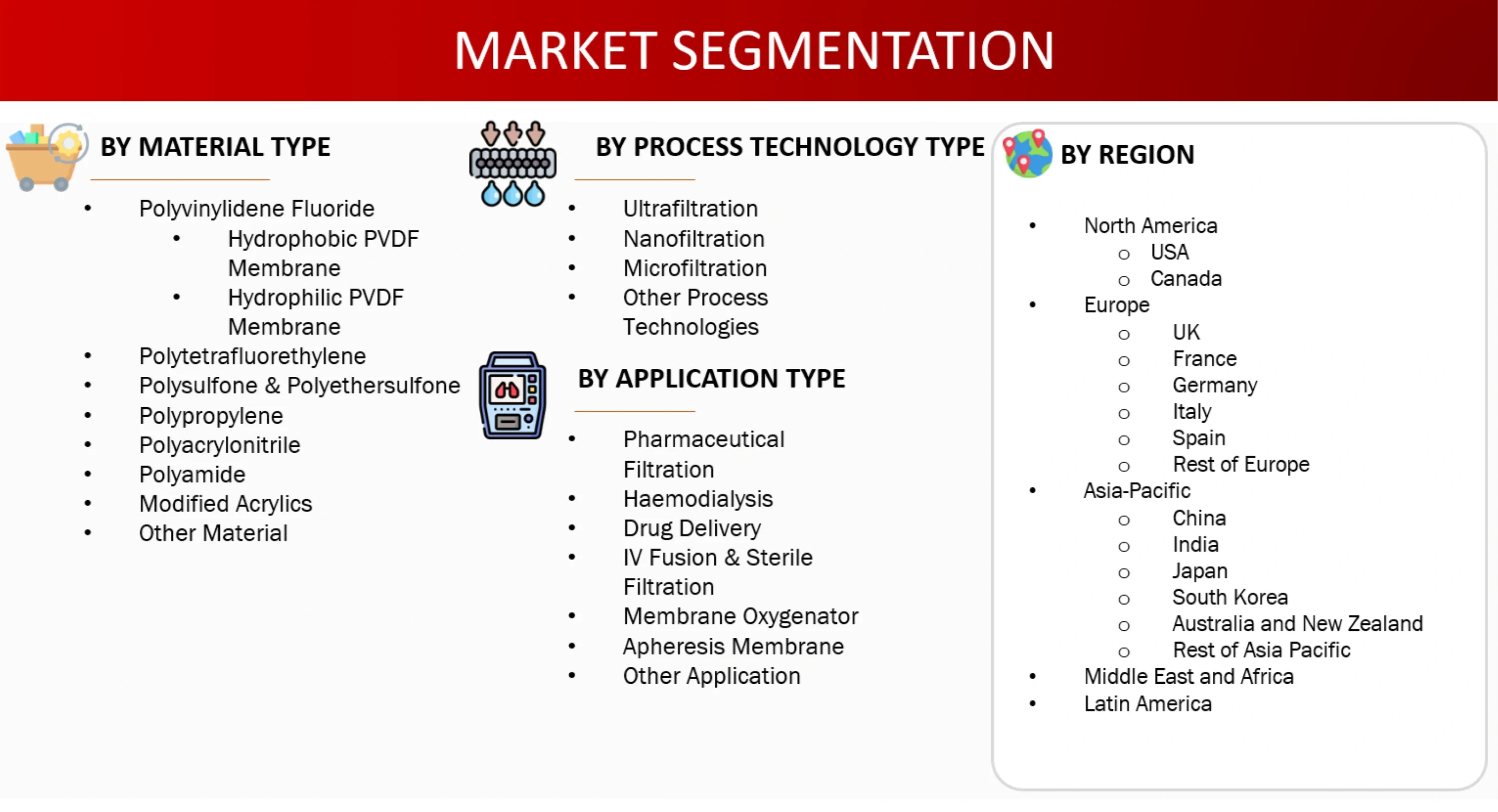
Breakdown by material, process technology, application & region.

Key regional trends and growth opportunities.

Strategic insights and future market direction.
Research Methodology
The study of the medical membrane market is based on a combination of primary and secondary research methodologies, supported by data validation and analytical modeling to ensure accuracy and reliability.
Market Definition: Medical Membrane Market
The medical membrane industry includes the production and selling of semi-permeable membranes that are utilized to filter, segment, and purify items in medical and biopharma settings. The semi-permeable membranes allow molecules to pass through at a selectively regulated rate, which enables accurate execution of processes like dialysis, sterile drug filtering, and production of biologics.
Examples of products used with medical membranes include dialysis membranes, filter membranes, and filtration modules, found in hospitals, labs, and pharmaceutical facilities. Medical membranes improve clinical outcomes; contribute to the production of safe products; and help to create more cost effective and efficient healthcare environments by facilitating high quality processing and ongoing treatment systems.
Key Stakeholders
The medical membrane market involves a diverse ecosystem of stakeholders:
- Membrane Manufacturers (dialysis membranes, filtration membranes, membrane modules)
- Material Suppliers (polymer providers such as PES, PSU, PVDF raw materials)
- Equipment & System Providers (dialysis machines, filtration systems, bioprocessing units)
- Healthcare Providers (hospitals, dialysis centers, clinics)
- Pharmaceutical and Biotechnology Companies
- Contract Manufacturing Organizations (CMOs) & Bioprocessing Facilities
- Regulatory Authorities (e.g., U.S. Food and Drug Administration, European Medicines Agency)
- Research Institutions and Academic Organizations
- Distributors and Supply Chain Providers (medical suppliers, B2B distributors)
- Healthcare Infrastructure Providers (dialysis networks, specialty care centers)
- Government and Public Health Agencies
- Investors (venture capital firms, private equity, strategic investors)
Key Objectives of the Study
- To define, describe, analyze, segment, and forecast the medical membrane market by material type, by technology type, by application type
- To describe and forecast the market for four key regions: North America, Europe, Asia Pacific, and Rest of the World
- To provide detailed information regarding key drivers, restraints, opportunities, and challenges influencing market growth
- To strategically analyze the micro indicators with respect to individual growth trends, prospects, and contributions to the overall market size
- To analyze opportunities for stakeholders in the medical membrane industry and emphasize on competitive landscape of the market
- To develop competitive benchmarking of the key market players based on technology specifications and end user
- To strategically profile key players and comprehensively analyze their product portfolio offerings, and core competencies
- To analyze competitive developments, such as launches and approvals, agreements, mergers and acquisitions, partnerships, joint ventures, investments and expansions, and collaborations, medical membrane domain
Need deeper insights on this market?
Get full report access with detailed forecasts, competitive analysis, and segmentation.
Research Approach
This research employs a systematic approach by using primary research along with secondary research to achieve full coverage and accuracy of information about the medical membrane sector. Through this approach, the current market trends in terms of consumer behavior, technological developments, and competitive environment can be analyzed thoroughly.
Secondary Research
Secondary research involves the collection of data from reliable sources such as industry databases, company annual reports, investor presentations, and regulatory filings. This process helps in understanding market trends, identifying key players, and gathering technical and commercial insights.
A comprehensive database of leading companies and market participants is developed through secondary research to support further analysis.
Primary Research
Primary research is conducted to validate findings from secondary research and to gain deeper insights into market dynamics. Interviews are carried out with industry stakeholders across both demand and supply sides, including executives such as CXOs, Vice Presidents, and Directors from business development, marketing, and product teams.
Data is collected through structured questionnaires, email interactions, and telephonic interviews across key regions including North America, Europe, Asia-Pacific, and Rest of the World.
Market Size Estimation
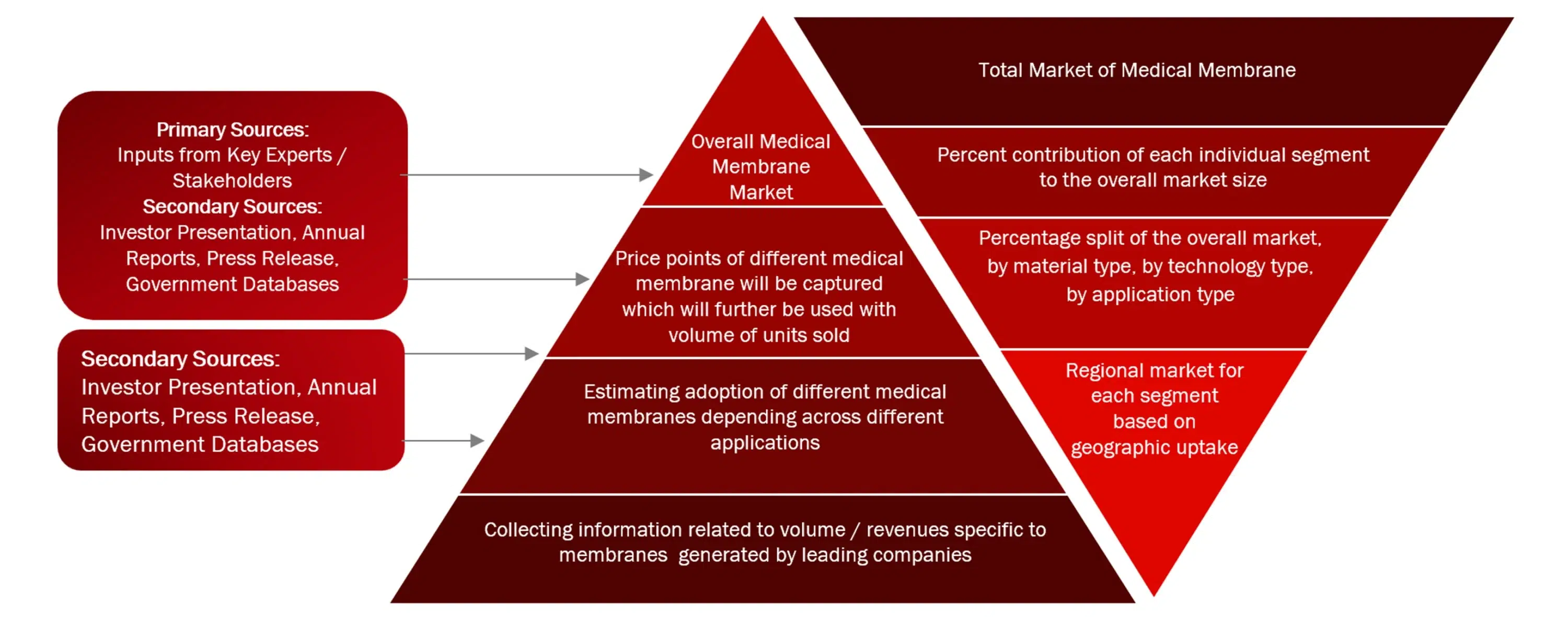
Market size estimation is performed using both top-down and bottom-up approaches. Key market players are identified, and their revenues are analyzed to estimate the overall market size.
The market is further segmented based on:
- Product and service mapping across regions
- Adoption patterns across key application segments
- Insights gathered through primary and secondary research
Data Validation and Research Design
After estimating the overall market size, the data is validated using triangulation methods and market breakdown techniques to ensure accuracy and consistency. Both demand-side and supply-side factors are considered to refine the analysis.
The final data is validated through multiple sources to ensure reliability and to provide accurate insights across all market segments and regions.
Assumptions of the Study
The analysis of the medical membrane market is based on the following key assumptions:
- Trends in the industry are drawn from historical data and current information within the sector
- The future outlook is underpinned by constant economic conditions in the absence of shocks to the market
- The rate of adoption for medical membrane will rise steadily in all important regions
- Advancements in AI, connectivity, and lab-on-chip will continue to drive growth in the medical membrane market
- The income statement and market share figures are estimated using available information from the industry and publicly available data
- The exchange rate and price trends will not be greatly affected during the forecast period
Scope and Limitations
Scope of the Study
This report offers an exhaustive overview of the international medical membrane market and includes the following components:
- Summary of market size, growth trends, and projections
- Carefully segmented market based on products, platform, sample, end users, by mode of acquiring and geography
- Discussion of primary factors influencing the market
- Competitor analysis
- Insights into regional and national market performance
Limitations of the Study
Despite the best efforts being made to keep the results accurate, the study does suffer from some limitations:
- It has been done using both primary and secondary data that come with their own constraints
- Rapid developments in technology might affect the future course of market dynamics
- Some figures are only approximations due to lack of public disclosure
- The report is not an insurance against any disruptions in macroeconomics and geopolitics
- Future forecasts are indicative and subject to change due to altered industry dynamics
Data Triangulation and Market Breakdown
Data triangulation involved the combination of primary research, secondary research, and the Wissen Research analysis. Once the data points were sourced from the secondary market research, we sanitized the data points to make the market sizing and growth forecast more accurate by developing our own assumptions based on the inputs and insights we gather through the primary interviews with the industry experts. Once the data was thoroughly validated through primary interviews from both, demand and supply side of the market, our team of analyst and other team members involved finalized the market sizing and growth forecast.
Data Triangulation Methodology
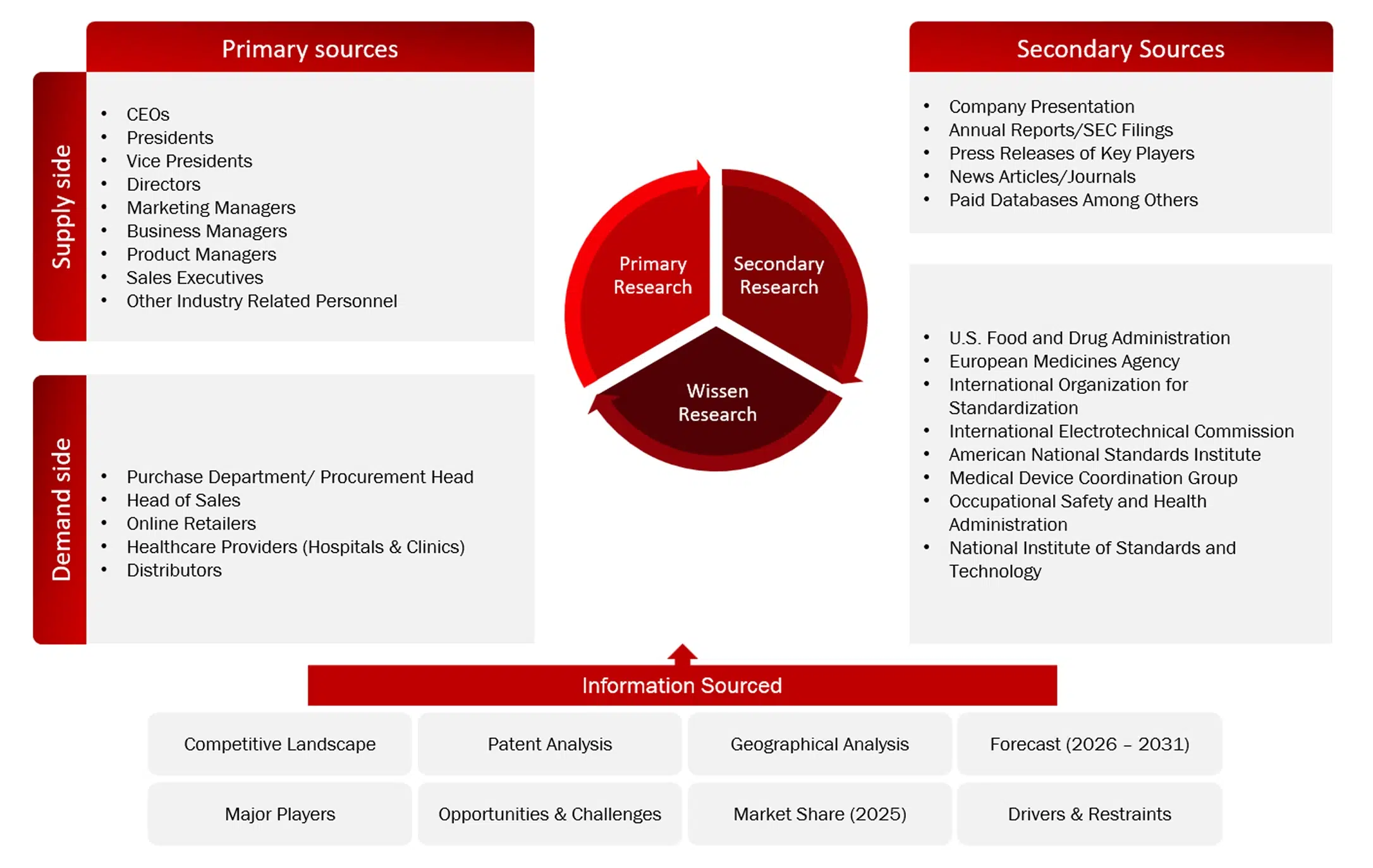
Sources: U.S. Food and Drug Administration, European Medicines Agency, National Institute of Standards and Technology, International Organization for Standardization, International Electrotechnical Commission, Federal Communications Commission, Occupational Safety and Health Administration, American National Standards Institute, Device Coordination Group, Company Website, Press Releases, Annual Reports, Paid Data Sources, and Wissen Research Analysis.
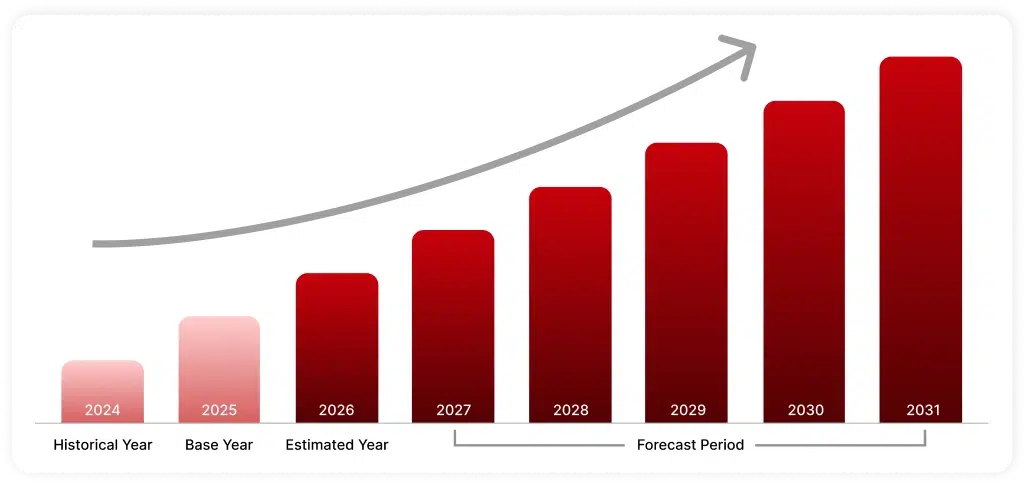
Years Framework
Bottom Up Approach (Demand-Side Approach) and Top Down Approach (Supply-Side Approach)
Bottom Up Approach (Demand-Side Approach):
Determining the market size through the consolidation of demand among end-users, sectors, and geographic areas, which are calculated according to real-world demand conditions.
Top Down Approach (Supply-Side Approach):
Calculating the market size through revenue and performance of the industry and its important companies, allocating the market size among various sectors.
Want detailed insights from this report?
Buy this Report
Choose the option that best fits your needs