
Polylactic Acid Market
Global Industry analysis, Size, Share, Growth, Trends, and Forecast 2026-2031
The global polylactic acid market is projected to reach USD 5.23 billion by 2031, growing at a CAGR of 18.5% during the forecast period.
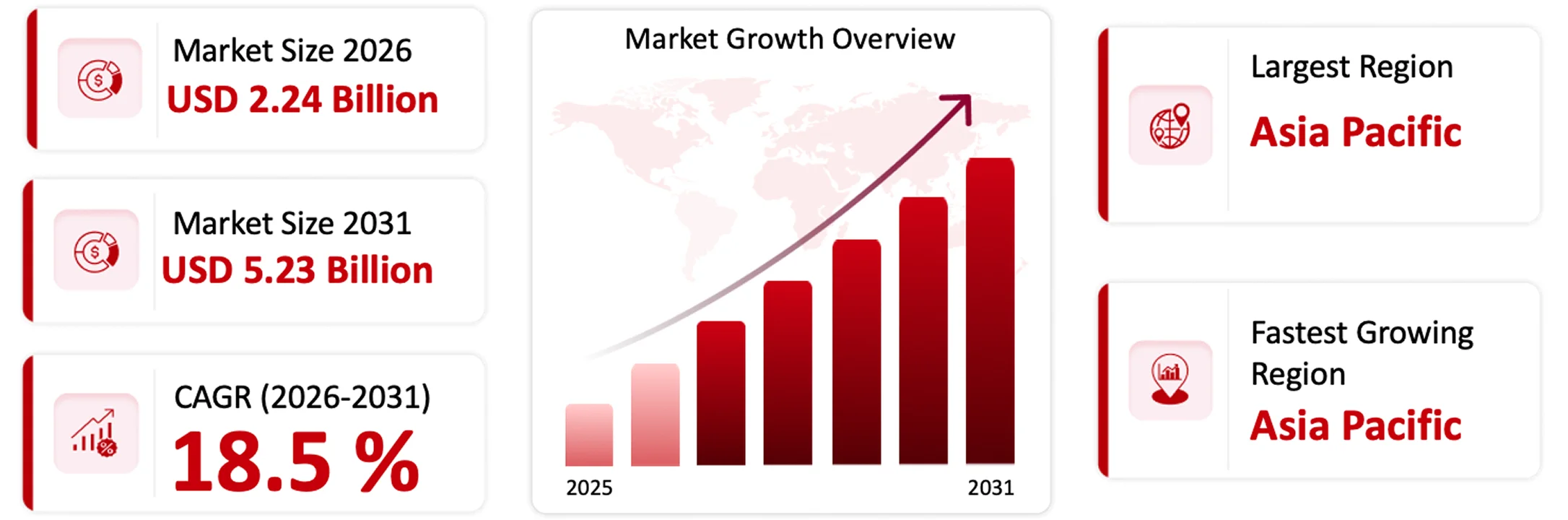
| Market Size (2026): | Forecast (2031): | CAGR (2026–2031): | Leading Region: | Fastest Growing Region: |
|---|---|---|---|---|
| $ 2.24 Billion | $ 5.23 Billion | 18.5% | Asia Pacific | Asia Pacific |
Summarize this report with:



Market Overview
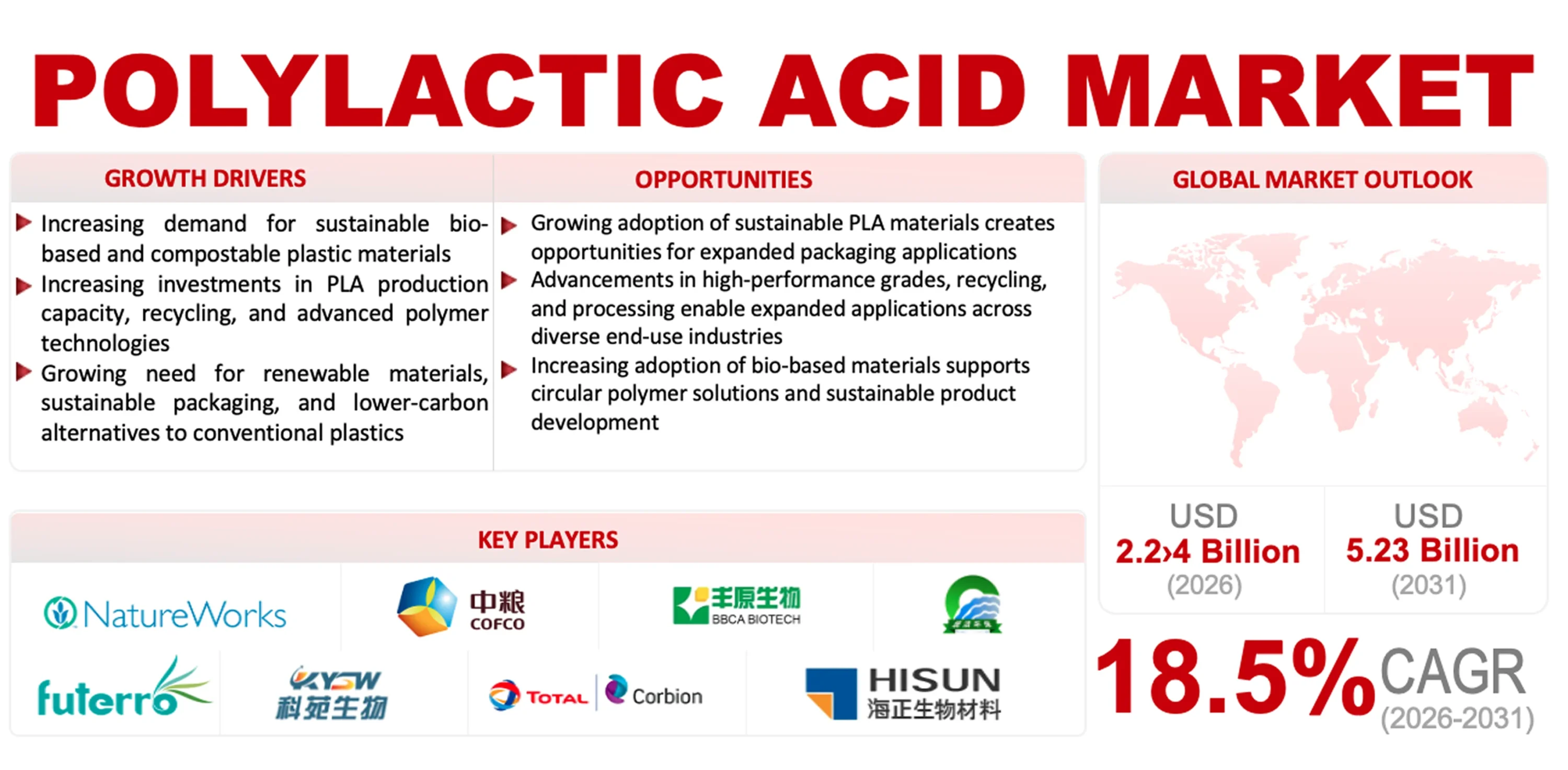
The polylactic acid (PLA) market is experiencing a significant boost in demand, as the companies and brands are progressively searching for bio-based and compostable substitutes for traditional petroleum-based plastics. PLA is a thermoplastic polyester produced mainly from renewable raw materials such as corn starch, sugarcane, cassava, and sugar beet, and it is applicable in various industries including packaging, textiles and fibers, consumer goods, agriculture, biomedicine, and 3D printing. The market is supported by the increasing regulation of traditional single-use plastics, corporate sustainability commitments to the environment, the growing demand for compostable products, and investment in bio-plastic production capacity. The market is estimated to be USD 2.24 billion in 2026 and is projected to reach USD 5.23 billion by 2031, growing at a CAGR of 18.5 % during the forecast period (2026-2031).
Technology Overview
Polylactic acid is a polymer from renewable sources made through multiple stages that typically include fermentation of renewable carbohydrate feedstock into lactic acid, conversion of lactic acid into lactide, and polymerization to yield PLA resin. The polymer can then undergo the usual processes of plastic conversion technologies such as injection molding, thermoforming, extrusion, blow molding, and fiber spinning.
PLA technology has been improved from traditional low-temperature usage to grades of polymers characterized by higher performance. Applications of PLA materials have been expanded to include grades suitable for flexible films, rigid packaging, fibers and non-woven materials, 3D printing, foamed materials, medical applications, etc. NatureWorks LLC, e.g., produces Ingeo PLA grades for food, beverage packaging, films, fibers, and other uses, while TotalEnergies Corbion B.V. offers regular, high-temperature, low-temperature PLA grades for the European market.
Key Growth Drivers
- The growing demand for sustainable packaging is leading to the use of PLA in food sector packaging, cups, trays, films, coffee capsules, labels, and other applications as brands look for green alternatives to traditional plastic options. Packaging continues to be a significant end-user of bioplastics.
- Certain government regulations on traditional single-use plastics are pressuring manufacturers and packaging suppliers to consider biodegradable and biobased options, thereby increasing demand for PLA in applications with sufficient disposal infrastructure.
- Corporate commitments towards sustainability are pushing companies to make the shift from fossil-based plastics to biobased ones. PLA gives companies access to a renewable carbon-based product that has proven successful in various sectors.
- The increase in PLA production capacity leads to the improvement of its availability locally and globally. Major companies continuously expand their production sites, with a considerable focus on the Asian market. Among the major global producers of PLA are NatureWorks LLC (U.S.), TotalEnergies Corbion B.V. (the Netherlands), and Futerro S.A. (Belgium).
- The use of PLA in fibers and non-wovens opens various opportunities in non-traditional areas of PLA application. More and more products are made with PLA today such as apparel, home textiles, hygiene, tea bags, tissues, and filtration media.
Polylactic Acid Market Key Highlights
Need deeper insights on this market?
Get full report access with detailed forecasts, competitive analysis, and segmentation.
Polylactic Acid Market Trends
The PLA sector is transitioning from being mostly involved in bioplastics for the packaging industry to becoming a more inclusive bio-based materials industry, servicing several industries such as textiles, consumer products, agriculture, biomedical products, as well as 3D printing and durable applications. The manufacturers have started to actively work on improving the heat resistance, the mechanical properties, the processing efficiency, as well as the recyclability, and end-of-life characteristics, thus making the product more competitive against the traditional plastics.
Increasing Adoption of PLA in Sustainable Packaging
As for the primary purpose of PLA, its packaging is of utmost significance, especially in foods and drinks where transparency, hardness, printability, and compostability can be benefits in some instances. PLA finds increasing application in such items as vacuum-formed containers, cups, trays, films, capsules for coffee, food service packaging, and other types of containers.
Recently, the development of new products also aims at eliminating previous shortcomings. NatureWorks LLC recently introduced its Ingeo Extend 4950D for PLA, which was created for producing biaxially stretched PLA films. The products made of this new technology can be used for producing coffee capsules, candy wrappers, sachets, and various other flexible containers.
Increasing Focus on PLA Recycling and Circularity
The PLA industry is making strides in the implementation of circular production models in addition to traditional compostability practices. Manufacturers are working on mechanical and chemical recycling technologies aimed at retrieving materials from PLA waste originating from both industrial and consumer waste. TotalEnergies Corbion B.V., which is based in the Netherlands, has disclosed effective methods of PLA recycling and produced specific types of recycled PLA, all while also evaluating the life cycle of PLA up to 2025.
The bioplastics industry at large is also growing. According to European Bioplastics, the overall capacity for biobased plastics production is expected to rise from 2.31 million tons in 2025 to around 4.69 million tons by 2030 as demand for eco-friendly products and new technologies continues to grow. PLA is considered one of the leading biodegradable polymer types in this regard.
Key Players in the Polylactic Acid Market
Leading companies in the PLA market are focusing on production-capacity expansion, bio-based feedstock integration, high-performance PLA grades, sustainable packaging, fibers and nonwovens, recycling technologies, and expansion into durable applications.








Strategic Activities Within the Polylactic Acid Market
NatureWorks LLC (U.S.) opened a fully integrated PLA biopolymer manufacturing facility in Nakhon Sawan, Thailand, with approximately 75,000 metric tons of annual capacity. The facility integrated sugarcane-derived lactic acid, lactide, and polymer production, strengthening regional PLA supply and supporting demand across packaging, fibers, food service ware, and 3D printing applications.
TotalEnergies Corbion B.V. (Netherlands) unveiled an embossed, label-free PLA bottle for the South Korean beverage market, designed for closed-loop chemical recycling. The system converted post-consumer PLA bottles into lactic acid monomers through hydrolysis, which were reused to produce recycled Luminy PLA, supporting circularity and higher-quality recycled PLA.
Polylactic Acid Market Insights
Polylactic acid (PLA) is becoming important as manufacturers and brands want biodegradable and compostable alternatives to standard petroleum-based plastics. PLA is used in packaging, consumer goods, textiles and fibers, agriculture, biomedical products, and more. This is because PLA comes from renewable feedstock and has the properties of plastic. PLA can be processed by means of thermoforming, extrusion, injection molding, and blow molding, among other methods commonly used in the plastic industry.
PLA is widely used in areas where the advantages of renewable materials, compostable materials, transparency, ease of processing and their own feedstock resources in comparison with plastics made from fossil fuels are applicable. The most important area of usage of PLA is packaging including rigid thermoforming, cups, trays, boxes, films, sheets and other packaging products for consumers. Another important area is consumer goods such as household goods, materials for 3D printing, etc. PLA gains more and more popularity in textiles and non-woven materials. PLA fibers find their applications in clothes, sanitary products, filtering media and other products made with fibers. As for agricultural applications, here include mulching films and others, while medical applications make use of biocompatibility and biodegradability properties of PLA in some medical products and drug-delivering applications.
The increasing acceptance of PLA is greatly driven by the rise in demand for sustainable alternatives to plastics based on fossil fuels. Government policies in the area of single use plastics, reliance of businesses on sustainable business practices, and growing consumer interest in biodegradable and compostable materials are contributing to the spread of PLA products in packaging and consumer products. PLA’s compatibility with traditional plastic processing technology enables its usage in various product formats. Another factor supporting expanding opportunities for PLA is development of technologies resulting in creation of grades with unique characteristics such as heat resistance, performance improvements, and fast compounds. Besides, growing adoption of PLA in textiles, 3D printing, consumer products, agriculture and medicine will diminish reliance of the industry on packaging only.
Markets for PLA are growing rapidly as evidenced by the introduction of grades with superior performance characteristics, the entrance into non-packaging applications, the focus placed on recycling of these products and investment in production facilities. Companies are making PLA grades with better thermal stability and mechanical properties so that PLA can compete with common plastics in a broader range of applications. Nevertheless, market players are still facing problems related to dull thermal stability of PLA compared to other types of plastic, economics of production, availability of feedstock and price fluctuations on the market, and the presence of facilities suitable for industrial composting and recycling process. Biodegradability of PLA depends on the environmental conditions of the object’s location; hence, the difference between the concepts of compostability and biodegradability should be emphasized.
The Asia Pacific region is projected to witness a rapid increase in the number of applications for PLA owing to the fast-growing packaging and consumer goods industries, general awareness concerning environmental issues, and government intervention against traditional plastics and input availability in the region. The PLA market in the Asia Pacific region is expected to be valued at around USD 485 million in 2025. Key countries include China, Japan, India, and the Republic of Korea, while the emerging markets in Southeast Asia are also beginning to use sustainable materials.
India has been experiencing rapid market growth in the region; the PLA market value in India has been estimated at around USD 55 million in 2025. By application, packaging is the leading sector in India, along with consumer goods and textiles. The country’s large packaging and textile sectors are expected to provide extensive opportunities for PLA producers and conversion operators.
Polylactic Acid Market Dynamics
Drivers: Increasing Demand for Bio-Based and Compostable Plastics
For its remarkable environmental credentials, the transition to greener and lower-fossil-resource feedstocks has been a catalyst for PLA demand. The use of PLA is being investigated by product producers and brands seeking to capitalize on its thermoplastic and compostable attributes in applications where traditional oil-based plastics have previously been used. Regulatory measures are facilitating the trend towards substitutions of non-degradable plastics, particularly in the food service and packaging industry.
The well-known processing properties of PLA that can produce films, sheets, bottles, rigid thermoforms, fibers, and molded products through traditional processing technologies also favor its usage.
Opportunities Expansion of High-Performance, Recycled, and Diversified PLA Applications
The PLA market is presented with a unique chance to enhance the performance of the polymer in order to gain additional applications aside from conventional disposable packaging. High-heat grades, enhanced-impact formulations, special compounds, and improved processing methods can allow PLA to enter fields that have been dominated by conventional plastics until now.
Besides that, recycling is a great opportunity as well. Manufacturers are looking at mechanical and chemical recycling methods that would supplement the already existing compostability and help establish a circular economy for PLA products. Applications in textiles, durable goods, automotive parts, medical products, and 3D printing enable to lessen the dependence on packaging only.
Challenges: Cost Competitiveness, Performance Limitations, and End-of-Life Infrastructure
Though there has been progress in the tech world, PLA manufacturers and converters continue to struggle with a variety of issues like economic competitiveness, thermal performance, feedstock economics, and waste management at the end-of-life. The heat resistance of PLA is lower than that of many engineering plastics, which also limits its potential for use in high-temperature applications unless it is modified or compounded.
With regards to the end-of-life of PLA, the management of waste presents yet another major challenge. Not all markets have the infrastructure for industrial composting and recycling, so the benefits of PLA in relation to its environmental effects depend in part on whether appropriate disposal methods are in place. Additionally, PLA faces competition from other bio-based and biodegradable polymers such as PHA and bio-based polyolefins.
Technology and Market Insights
The PLA industry is advancing towards more high-performing, application tailored, and sustainable polymer goods. The manufacturers are funding in polymerization technology, advanced grade of polymers, better crystallization, heat tolerance, processing efficiency, and enhancement of biodegradability.
Simultaneously, the industry is changing its emphasis from just replacing traditional plastics towards creation of complete systems of materials and life cycle solution. This entails sourcing of renewable feedstock, expanding production capabilities, creating chemically or mechanically recycled PLA, improvement of compostability, and integrated recycling and waste disposal.
Innovation of new PLA grades is an important aspect for expanding the market. NatureWorks LLC in the USA has latest Ingeo Extend grades created to enhance productivity and accelerate biodegradation for use of BOPLA films.
Technology Scope and Products
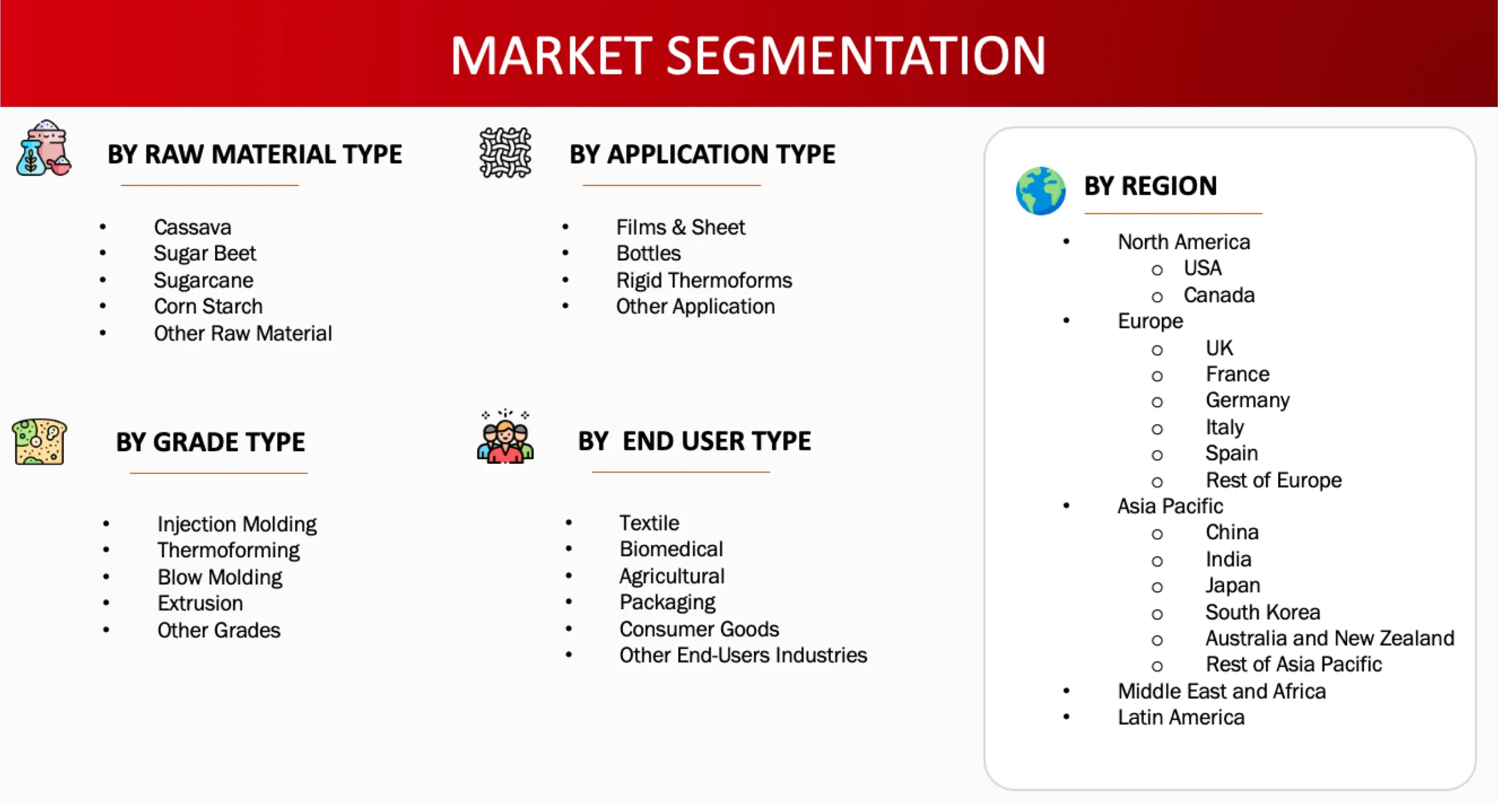
Polylactic Acid Market Segmentation
Want detailed insights from this report?
Industry Developments and Competitive Landscape
The competitive environment in the PLA industry is changing as a result of the fusion of various elements, including renewable raw materials, different polymerization methods, sustainable packaging, special polymer types, recycling processes, and processing in downstream industries. Big industrial and biopolymer companies raise their capacity in production of PLA while also working on various improvements in their grades. Some companies that focus on PLA technology offer various types of resin, compounds, fibers, films, and other products. Competitiveness in the industry is mostly determined by factors such as scale of manufacture, raw materials, polymer characteristics and other factors.
In 2025, corn starch emerged as the leading raw material category in the PLA Corn serves as a reliable feedstock for PLA due to the conversion of starch into fermentable sugars and lactic acid, lactide, and PLA.
-
Corn starch is a relatively cost-effective feedstock for lactic acid production because of its abundance as a carbohydrate source.
-
The availability of well-established corn processing and fermentation technologies facilitates large-scale production of PLA.
-
Sugarcane is another prominent feedstock, especially in regions with a significant production of sugarcane and related bio-based chemical industries.
-
Cassava and other starch-rich agricultural feedstocks offer additional prospects for PLA production, especially in Asian countries and regions highly endowed with agricultural products.
-
The increasing interest in non-food feedstocks, agricultural waste, and various renewable alternative carbon sources enable manufacturers to improve PLA production.
In 2025, the thermoforming grade of PLA emerged as the top category of the PLA market owing to its widespread adoption in the rigid packaging sector for food containers, trays, cups, clamshells, and other formed products. Thermoforming grades deliver transparency, rigidity, processability, and renewable materials for important packaging applications.
-
The food and beverage industry utilizes the thermoforming grade of PLA due to its transparency, rigidity, and ability to produce thin-walled formed products.
-
The packaging sector is a big consumer of PLA sheets and thermoformed products due to the need for eco-friendly packaging solutions.
-
The injection molding grade of PLA is becoming increasingly popular for consumer products, household goods, and 3D printing applications.
-
The extrusion and film grades are used in flexible packaging, films, sheets, and coatings, where continuous processing is important.
-
High-performance grades of PLA are being developed to overcome the challenges of conventional PLA and enter into durable goods, automotive and healthcare sectors, among others.
Asia Pacific was the largest regional market for PLA in 2025. This area is characterized by the increasing capacity of production facilities, growing packaging and consumer goods industries, rise in environmental awareness, government programs aiming at combating the use of traditional plastics, as well as increasing popularity of biobased materials. China is a key market in this region due to its developed plastics processing industry, growing base of PLA production and rise in demand for environment-friendly packaging. Agricultural countries – Japan, India, South Korea and others – also play a role in the overall regional consumption of PLA.
-
China has become a dominating PLA market and production center due to the big packaging industry, availability of a great volume of plastics converted and growing investments into biopolymers.
-
Japan already has a developed market of biobased materials and advanced technologies of polymers. Its demand involves packaging industry, fibers, consumer goods and special applications.
-
In India, there is a growing demand for PLA from the producers of packaging and consumer goods due to sustainability initiatives and interest in the alternatives to traditional plastics.
-
Asia Pacific countries are major producers of agricultural products and have access to renewable resources for feedstocks such as corn, sugarcane, cassava, and other starch-rich materials, supporting the development of regional PLA value chains.
What This Report Covers-
This report provides a comprehensive analysis of the polylactic acid market, offering insights into key trends, growth drivers, challenges, and future opportunities. It is designed to support strategic decision-making through a combination of quantitative data and qualitative analysis.
Specifically, the report covers:

Market Overview & Definition:
Overview of the market scope, structure, and key terminology

Market Size & Forecast:
Historical data and future projections across key segments and regions

Key Market Trends:
Insights into emerging trends, technological advancements, and evolving demand patterns

Drivers, Restraints & Opportunities:
Analysis of key factors influencing polylactic acid market growth

Competitive Landscape:
Overview of major players, their strategies, and recent developments

Detailed Patent Analysis:
This includes, top assignees, geography focus of top assignees, legal status, technology evolution, key patents and patent trends and innovations

Segmentation Analysis:
Breakdown by raw material type, by grade type, by application type, and by end user, and region

Regional Insights:
Key regional trends and growth opportunities

Future Outlook:
Strategic insights and future market direction
Research Methodology
The study of the Polylactic Acid (PLA) market is based on a combination of primary and secondary research methodologies, supported by data validation, supply-demand analysis, capacity assessment, and analytical modelling to ensure accuracy and reliability.
Market Definition: Polylactic Acid Market
Polylactic acid (PLA) refers to a bio-based and biodegradable thermoplastic polyester produced primarily from renewable resources such as corn starch, sugarcane, cassava, and other carbohydrate-rich feedstocks. PLA is manufactured through the conversion of renewable feedstocks into lactic acid, followed by lactide production and polymerization to produce PLA resin. The material combines renewable feedstock origin with established thermoplastic processing characteristics and is used across packaging, textiles, consumer goods, agriculture, 3D printing, biomedical products, and other applications.
The market includes PLA resins and grades used in thermoforming, injection molding, extrusion, film production, fiber spinning, blow molding, and other processing technologies. Key applications include food and beverage packaging, films and flexible packaging, cups and containers, consumer products, 3D-printing materials, fibers and nonwovens, agricultural films, biomedical products, and selected durable goods. Specialty PLA grades, including high-heat, high-performance, recycled, and application-specific grades, are also included within the relevant product categories.
PLA is used across packaging converters, plastics processors, textile manufacturers, consumer-product manufacturers, healthcare applications, agricultural applications, and other industrial settings. The market encompasses the production and supply of PLA resin and relevant specialty grades, while downstream finished products are considered as applications rather than independently counted as PLA market revenue.
Key Stakeholders
The polylactic acid market involves a broad ecosystem of stakeholders:
- PLA Resin Manufacturers (PLA resins, standard grades, specialty grades, high-performance PLA, and application-specific materials)
- Bio-Based Polymer & Biochemical Companies (Lactic acid, lactide, PLA polymers, renewable feedstocks, and integrated bio-based polymer production)
- Feedstock Suppliers (Corn, sugarcane, cassava, starch, sugars, agricultural feedstocks, and other renewable carbohydrate sources)
- Lactic Acid & Lactide Producers (Lactic acid, lactide monomers, purified lactic acid, and intermediate materials used in PLA production)
- Packaging Manufacturers & Converters (Films, sheets, trays, cups, containers, food-service products, flexible packaging, and other PLA-based packaging)
- Plastics Processors & Compounders (Injection molding, extrusion, thermoforming, blow molding, compounding, and specialty PLA formulations)
- Film & Fiber Manufacturers (PLA films, fibers, filaments, nonwovens, textiles, filtration materials, and related products)
- 3D Printing Material Manufacturers (PLA filaments, specialty filaments, additive-manufacturing materials, and related products)
- Consumer Goods Manufacturers (Household products, consumer products, toys, appliances, electronics components, and other PLA-based goods)
- Agricultural Product Manufacturers (Agricultural films, mulch films, horticultural products, controlled-release materials, and other PLA-based agricultural products)
- Biomedical & Healthcare Companies (Resorbable materials, medical devices, drug-delivery components, surgical products, and biomedical applications)
- Recycling & Circular-Economy Companies (Mechanical recycling, chemical recycling, recycled PLA, depolymerization, and recovery technologies)
- Composting & Waste-Management Providers (Industrial composting, organic waste processing, collection, sorting, and end-of-life management for compostable PLA products)
- Equipment & Technology Providers (Fermentation equipment, polymerization systems, extrusion equipment, film-processing equipment, fiber-spinning equipment, and recycling technologies)
- Packaging Brands & Consumer Product Companies (Food and beverage brands, retailers, consumer-goods companies, and other organizations adopting bio-based and compostable materials)
- Research & Development Institutions (Polymer research, biotechnology, feedstock development, PLA processing, material-performance testing, recycling, and biodegradation research)
- Regulatory & Standards Organizations (Bioplastics regulations, compostability requirements, food-contact requirements, material standards, labeling, and environmental compliance)
- Testing, Inspection & Certification (TIC) Companies (Material testing, compostability certification, biodegradation testing, food-contact testing, product validation, and quality assurance)
- Distributors & Channel Partners (PLA resin distribution, logistics, technical support, inventory management, and supply-chain services)
- End-Use Industries & Manufacturers (Packaging, textiles, consumer goods, agriculture, healthcare, 3D printing, and other industries purchasing PLA-based materials)
- Investors (Venture capital firms, private equity investors, chemical companies, strategic investors, and sustainability-focused investment organizations)
Key Objectives of the Study
- To define, describe, analyze, segment, and forecast the polylactic acid by raw material type, by grade type, by application type, and by end user.
- To describe and forecast the market for four key regions: North America, Europe, Asia Pacific, and Rest of the World
- To provide detailed information regarding key drivers, restraints, opportunities, and challenges influencing market growth
- To strategically analyze the micro indicators with respect to individual growth trends, prospects, and contributions to the overall market size
- To analyze opportunities for stakeholders in the polylactic acid industry and emphasize on competitive landscape of the market
- To develop competitive benchmarking of the key market players based on technology specifications and end user
- To strategically profile key players and comprehensively analyze their product portfolio offerings, and core competencies
- To analyze competitive developments, such as launches and approvals, agreements, mergers and acquisitions, partnerships, joint ventures, investments and expansions, and collaborations, polylactic acid domain
Need deeper insights on this market?
Get full report access with detailed forecasts, competitive analysis, and segmentation.
Research Approach
This research employs a systematic approach by using primary research along with secondary research to achieve full coverage and accuracy of information about the polylactic acid sector. Through this approach, the current market trends in terms of consumer behaviour, technological developments, and competitive environment can be analysed thoroughly.
Secondary Research
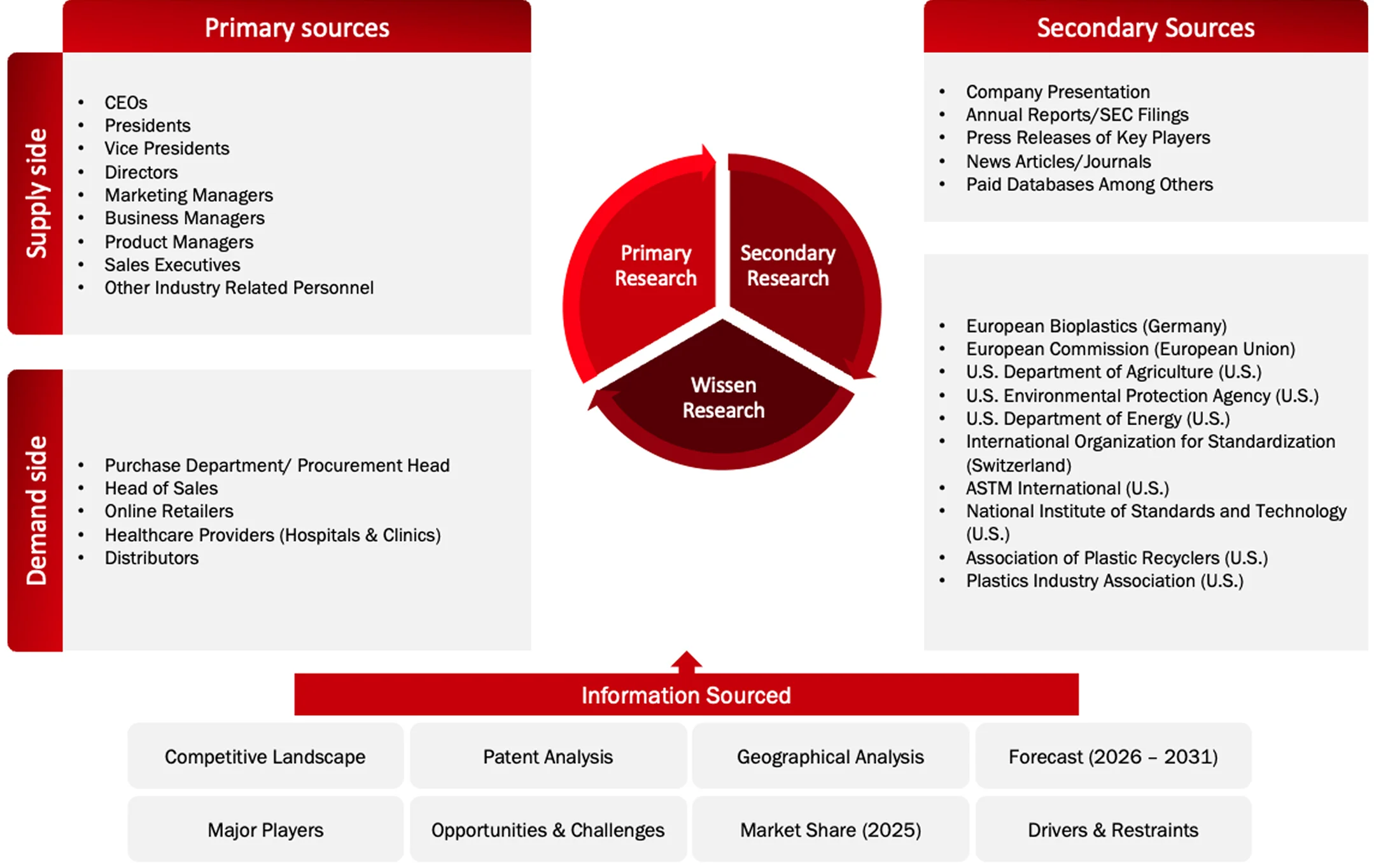
Secondary research involves the collection of data from reliable sources such as industry databases, company annual reports, investor presentations, and regulatory filings. This process helps in understanding market trends, identifying key players, and gathering technical and commercial insights.
A comprehensive database of leading companies and market participants is developed through secondary research to support further analysis.
Primary Research
Primary research is conducted to validate findings from secondary research and to gain deeper insights into market dynamics. Interviews are carried out with industry stakeholders across both demand and supply sides, including executives such as CXOs, Vice Presidents, and Directors from business development, marketing, and product teams.
Data is collected through structured questionnaires, email interactions, and telephonic interviews across key regions including North America, Europe, Asia-Pacific, and Rest of the World.
Market Size Estimation
Market size estimation is performed using both top-down and bottom-up approaches. Key market players are identified, and their revenues are analysed to estimate the overall market size.
The market is further segmented based on:
- Product and service mapping across regions
- Adoption patterns across key application segments
- Insights gathered through primary and secondary research
Data Validation and Research Design
After estimating the overall market size, the data is validated using triangulation methods and market breakdown techniques to ensure accuracy and consistency. Both demand-side and supply-side factors are considered to refine the analysis.
The final data is validated through multiple sources to ensure reliability and to provide accurate insights across all market segments and regions.
Assumptions of the Study
The analysis of the polylactic acid market is based on the following key assumptions:
- Trends in the industry are drawn from historical data and current information within the sector
- The future outlook is underpinned by constant economic conditions in the absence of shocks to the market
- The rate of adoption for polylactic acid will rise steadily in all important regions
- Advancements in AI, connectivity, and lab-on-chip will continue to drive growth in the polylactic acid market
- The income statement and market share figures are estimated using available information from the industry and publicly available data
- The exchange rate and price trends will not be greatly affected during the forecast period
Scope and Limitations
Scope of the Study
This report offers an exhaustive overview of the international polylactic acid market and includes the following components:
- Summary of market size, growth trends, and projections
- Carefully segmented market based on products, platform, sample, end users, by mode of acquiring and geography
- Discussion of primary factors influencing the market
- Competitor analysis
- Insights into regional and national market performance
Limitations of the Study
Despite the best efforts being made to keep the results accurate, the study does suffer from some limitations:
- It has been done using both primary and secondary data that come with their own constraints
- Rapid developments in technology might affect the future course of market dynamics
- Some figures are only approximations due to lack of public disclosure
- The report is not an insurance against any disruptions in macroeconomics and geopolitics
- Future forecasts are indicative and subject to change due to altered industry dynamics
Data Triangulation and Market Breakdown
Data triangulation involved the combination of primary research, secondary research, and the Wissen Research analysis. Once the data points were sourced from the secondary market research, we sanitized the data points to make the market sizing and growth forecast more accurate by developing our own assumptions based on the inputs and insights we gather through the primary interviews with the industry experts. Once the data was thoroughly validated through primary interviews from both, demand and supply side of the market, our team of analyst and other team members involved finalized the market sizing and growth forecast.
Data Triangulation Methodology
Sources: U.S. Food and Drug Administration, National Institutes of Health, National Cancer Institute, Centers for Medicare & Medicaid Services, Radiological Society of North America, American College of Radiology, Society for Imaging Informatics in Medicine, European Society of Radiology, European Association of Nuclear Medicine, World Health Organization, International Organization for Standardization, International Electrotechnical Commission, Company Websites, Press Releases, Annual Reports, Paid Data Sources, and Wissen Research Analysis.
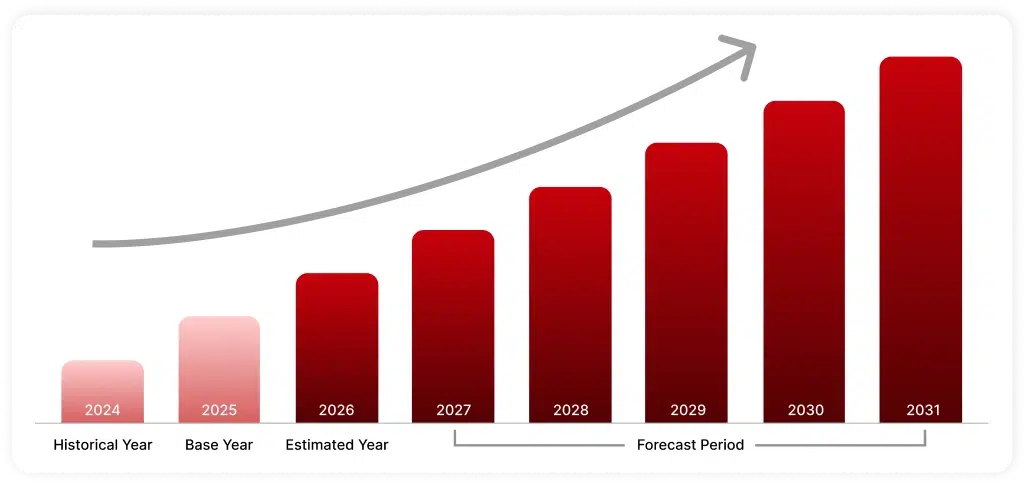
Years Framework
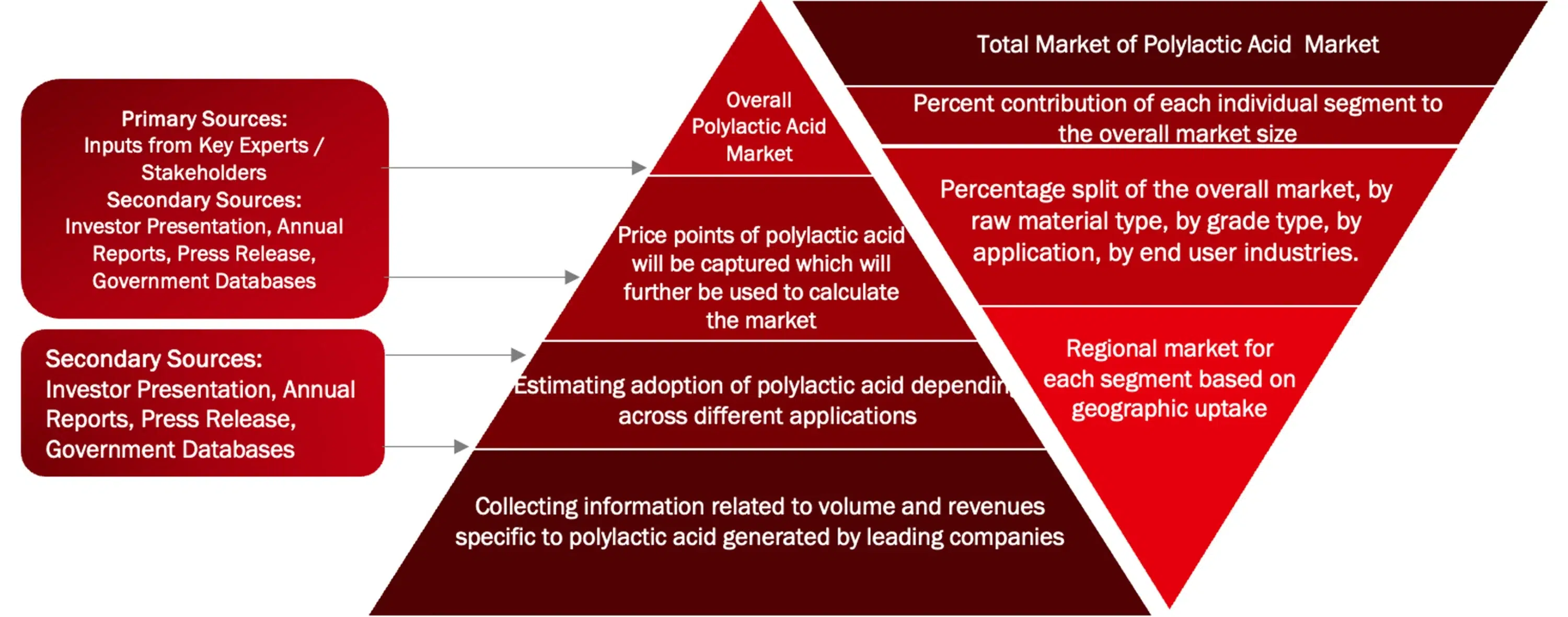
Bottom-Up Approach (Demand Side) And Top-Down Approach (Supply Side)
Bottom-Up Approach (Demand-Side Approach):
Determining the market size through the consolidation of demand among end-users, sectors, and geographic areas, which are calculated according to real-world demand conditions.
Top-Down Approach (Supply-Side Approach):
Calculating the market size through revenue and performance of the industry and its important companies, allocating the market size among various sectors.
Want detailed insights from this report?
Buy this Report
Choose the option that best fits your needs