
Remote Patient Monitoring Market
Global Industry analysis, Size, Share, Growth, Trends, and Forecast 2026-2031
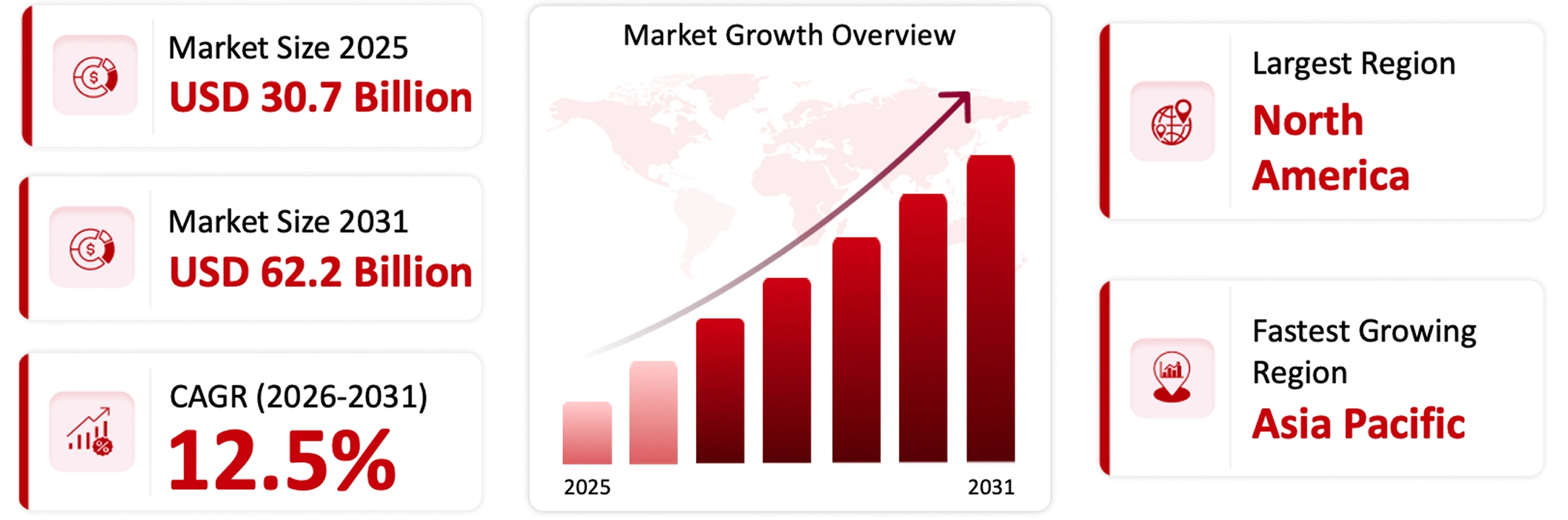
The global remote patient monitoring market is projected to reach USD 62.2 billion by 2031 with a compound annual growth rate (CAGR) of 12.5 % from 2026 through to 2031.
| Market Size 2026 | Market Size 2031 | CAGR (2026-2031) | Largest Region | Fastest Growing Region |
|---|---|---|---|---|
| USD 34.5 Billion | USD 62.2 Billion | 12.5% | North America | Asia Pacific |
Summarize this report with:



Market Overview
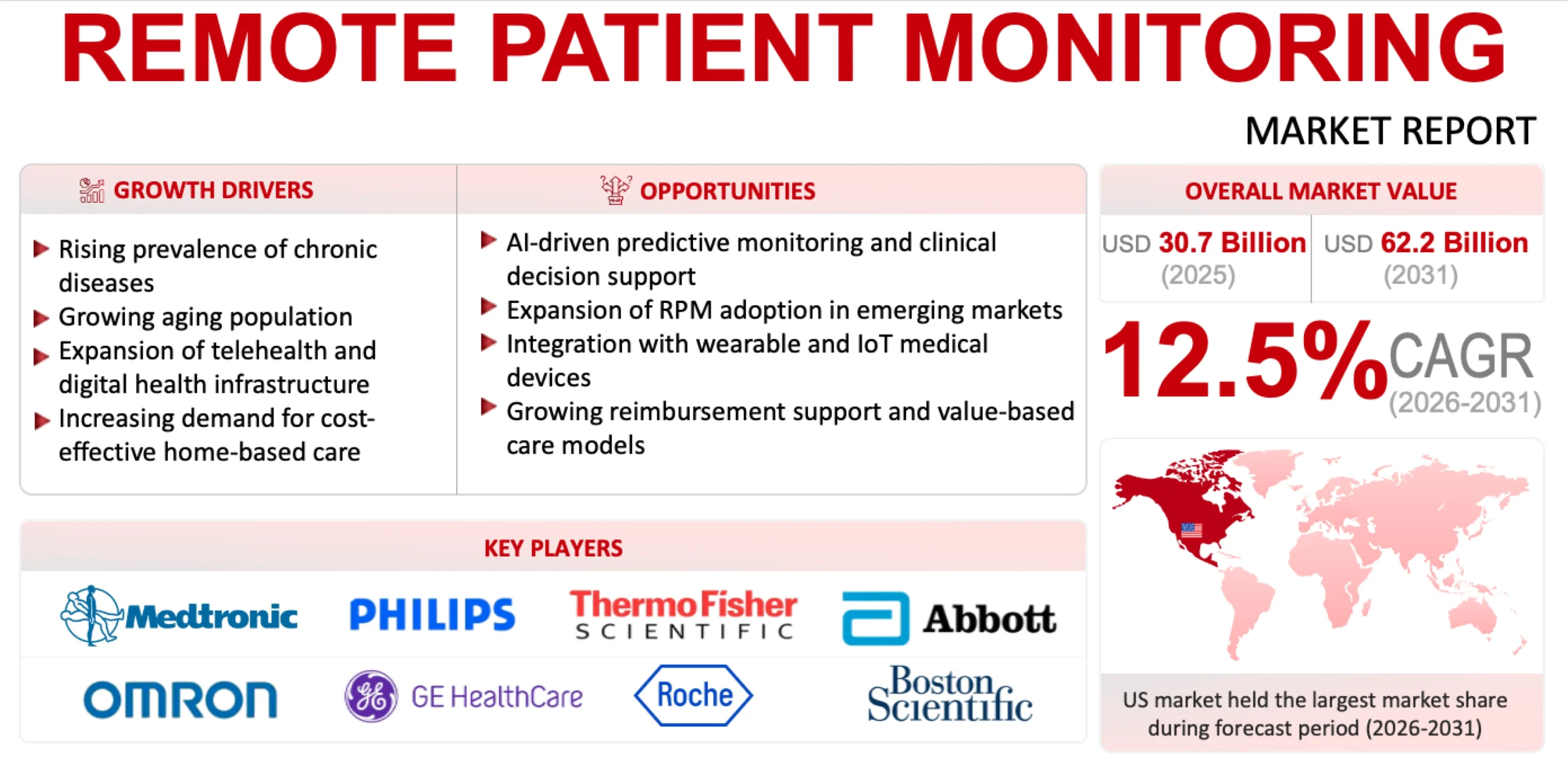
The global remote patient monitoring (RPM) business is flourishing as more people suffer from chronic illnesses (living longer) and are unable to afford the costs associated with treating those illnesses (the cost of healthcare continues to rise). Many healthcare organizations are implementing RPM technology in order to assist providers in delivering better quality care, decreasing readmissions (i.e., being admitted again to the hospital), and supporting value-based care models. The widespread availability of connected medical devices, mobile devices (i.e., smartphones), and high-speed internet has stimulated the implementation of RPM throughout homecare, ambulatory care, and post-acute settings. The value of the market is estimated to be USD 34.5 billion in 2026 and projected to be USD 62.2 billion by 2031 with a compound annual growth rate (CAGR) of 12.5 % from 2026 through to 2031.
Technology Overview
Remote patient monitoring (RPM) technologies consist of a variety of devices that are connected via the internet or cellular networks. These devices measure and transmit patient health information, including physiology and/or biometrics, to the healthcare provider for analysis. The most common RPM devices include wearable sensors (such as smartwatches), cardiac monitoring systems, blood glucose monitors, blood pressure monitors, pulse oximeters, thermometers, and respiratory monitoring systems. RPM devices support healthcare providers in the continuous, real-time tracking of patient health conditions from anywhere without requiring an in-person visit. By integrating wireless connectivity, Internet of Things (IoT) technologies, cloud computing, and artificial intelligence (AI)-based analytics, RPM allows for more accurate tracking of patient data, early detection of diseases, and personalized management of treatments. Advanced RPM platforms also facilitate automated alerts, virtual care consultations, and integration with electronic health records (EHRs), which helps improve workflow processes and increase patient engagement for healthcare providers. In addition, the increasing utilization of portable and user-friendly monitoring devices is allowing for greater access to healthcare in the home and in rural and/or outpatient clinical settings.
Key Growth Drivers
- Billing codes that are backed by reimbursement have expanded while helping doctors and clinics produce ongoing, month-to-month income from chronic disease monitoring services.
- Hospitals are deploying remote patient monitoring (RPM) technologies to minimize costly readmissions within 30 days and avoid losing reimbursement payments because patients were readmitted due to a repeat occurrence of their chronic disease.
- With nursing shortages and a rise in clinical burnout, hospitals are quickly adopting automated RPM dashboards that prioritize only those alerts for patients that are considered to be high risk.
- Hospital-at-home programs are increasing the need for continuous remote monitoring devices that help keep patients safe while recovering outside of the high costs associated with being treated as an inpatient in a hospital.
- Value-based contracts for healthcare providers are encouraging providers to utilize RPM products that reduce the number of emergency room visits from patients, leading to better patient outcomes while reducing the costs associated with their overall treatment.
- The rapid availability of patient monitoring systems that have cell cellular service integrated into them has simplified the process of bringing a patient on board for remote monitoring and has eliminated the need for complicated setup of their home network to allow for remote monitoring from outside of their home.
Remote Patient Monitoring Market Key Highlights
Need deeper insights on this market?
Get full report access with detailed forecasts, competitive analysis, and segmentation.
Remote Patient Monitoring Market Trends
The Remote Patient Monitoring industry is experiencing significant changes due to an increase in the use of technology to provide care, the rising number of people with chronic diseases, and the growing need for hospitals to keep their patients out of traditional clinical settings.
One of the greatest trends in the industry is the rise of ‘Hospital at Home’ programs, where patients receive acute and post-discharge care from their healthcare provider using remote-connected monitoring devices. The use of artificial intelligence (AI) for analytics and automated alerts is also becoming more prevalent as it allows clinicians to detect a decline in their patients sooner while decreasing the amount of manual monitoring required.
Another major trend in the industry is the increasing use of cellular-enabled, plug-and-play monitoring devices that do not require complicated set-up for elderly or non-technical patients.
Healthcare organizations are also beginning to develop integrated remote patient monitoring solutions that link remote patient monitoring to electronic health records and telehealth systems as a way to create a common connected platform for the delivery of care. In addition, the integration of these types of solutions into the healthcare system gives rise to a centralized connected ecosystem where the delivery of care will be more streamlined and easier to manage over time.
Expansion of Hospital-at-Home Care Models
To lower the burden on hospitals, maximize bed usage, and reduce treatment costs, hospital-at-home programs are becoming more popular among health care providers. These programs rely heavily on remote patient monitoring technologies that allow continuous monitoring of patient vital signs such as ECG, oxygen saturation, blood pressure, and respiratory parameters in a patient’s own home. Hospitals are utilizing connected diagnostic devices, wearable sensors, and virtual consultation platforms to provide caregivers with the ability to monitor their patients remotely while they recover from surgery or treatment for a chronic illness such as heart failure, COPD, etc. This growth is occurring as a result of both a shortage of health care professionals and an increase in demand for decentralized forms of health care delivery. Many healthcare systems have also begun using RPM-supported homecare programs to decrease the rate of hospital readmissions while providing higher levels of patient satisfaction.
Increasing Adoption of AI-Enabled Monitoring Platforms
Artificial Intelligence (AI) is being integrated into Remote Patient Monitoring (RPM) systems to improve clinical effectiveness and facilitate proactive delivery of health care by utilizing AI. Through AI functionality, large amounts of health data generated by patients are automatically evaluated and analysed for irregularities in trends; the system also allows for categorized prioritization of alerts based on the level of risk that a patient is presenting, thereby reducing manual review burden upon health care personnel while granting them the ability to intervene more quickly when necessary to avoid further patient deterioration. Another application of AI is in the area of predictive analytics the early identification of various aspects associated to the progression of a disease, non-compliance with medication, and readmission risk. In addition to predictive analytics, the use of AI in workflow automation allows for larger populations of remote patients to be managed by health care organizations through enhanced scalability. The continued emphasis on preventative care and operational efficiency are also leading to the global rapid adoption of intelligent RPM platforms.
Key Players in the Remote Patient Monitoring Market
Leading companies in the Remote Patient Monitoring market are focusing on innovation, strategic partnerships, and expansion of health-centric features to strengthen their market position.








Strategic Activities Within the Remote Patient Monitoring Market
Koninklijke Philips N.V. (Netherlands), along with Cuviva AB (Sweden) and Vingmed AB (Sweden), was selected by Region Stockholm to deploy a large-scale hospital-at-home remote patient monitoring program supporting continuous virtual care and real-time patient monitoring for up to 15,000 patients annually.
Abbott Laboratories (United States) received U.S. FDA approval for its next-generation CardioMEMS HERO remote heart failure monitoring reader, enhancing remote patient management through improved portability, integrated cellular connectivity, and real-time pulmonary artery pressure monitoring to help reduce heart failure hospitalizations.
Oracle Corporation (U.S.) launched the Oracle Health Device Validation Program to standardize and simplify medical device integration across healthcare systems, enabling secure interoperability, scalable remote monitoring connectivity, and faster adoption of connected care technologies with partners including Bio IntelliSense, Inc. (U.S.) and Baxter International Inc. (U.S.).
OMRON Healthcare Co., Ltd. (Japan) acquired the Heartnote® long-term Holter ECG analysis business from JSR Corporation (Japan) to strengthen its ECG monitoring portfolio and expand remote cardiac monitoring capabilities across homecare and clinical healthcare settings in Japan.
Remote Patient Monitoring Market Insights
The RPM (Remote Patient Monitoring) market is continuing to expand because patients want to be monitored continually, even when they are not physically present in the hospital or doctor’s office. As more patients are living with chronic health problems, there will be increasing costs for the healthcare system as hospitals are under increasing pressure to reduce hospital readmissions. Due to this demand for RPM, healthcare providers are implementing wearable sensors and other connected monitoring technologies (e.g., connected monitoring devices) and cloud-based monitoring systems that help improve patient outcomes and efficiency. Telehealth services are expanding; new reimbursement policies are supporting telehealth services; and more hospitals are implementing hospital-at-home programs to provide care in-home to patients with declining senior populations. Additionally, cellular connected device technology and artificial intelligence (AI)-enabled monitoring systems will simplify the delivery of remote care, ultimately enabling more access to healthcare services for patients in home and outpatient settings.
Many healthcare providers across a variety of clinical settings utilize remote patient monitoring (RPM) technologies for things such as chronic disease management, managing patients after they are discharged from inpatient care and detecting deterioration of patients at an earlier point. An area of significant growth within RPM is within cardiology as access to remote monitoring ECGs, the use of heart failure management systems and monitoring devices for blood pressure continues to grow. Additionally, managing diabetes is driving significant demand for wearable devices and glucose monitoring systems. RPM usage in the field of pulmonology is also growing as more patients can be monitored at home with devices that measure their oxygen saturation levels and those with COPD. Patients in hospice care, receiving post-acute care, managing hypertension and receiving a hospital at home receive significant benefits from using RPM platforms in order to improve treatment compliance, prevent the need for emergency room visits and improve workflow related to remote patient monitoring.
There are many good prospects for the Real-time, Patient Monitoring (RPM) industry as artificial intelligence-based patient monitoring platforms, wearables, continue to rise; these factors will contribute greatly to the overall success of the RPM Industry. RPM has become more highly adopted by providers of healthcare through the use of intelligent patient monitoring systems to help automate patient data analysis, assist with timely identification of critical alerts, increase the effectiveness of clinical decision making. The rapid growth of hospital-at-home programs, together with a shift toward decentralized delivery of care, has led to the need for a scalable remote patient monitoring infrastructure. The RPM and remote patient monitoring market should experience significant growth, particularly in emerging economies, due to increasing healthcare investment, increased smartphone adoption, and the rapid development of new digital healthcare infrastructures. Additionally, the use of plug-and-play cellular monitoring devices and ability to integrate with EHR systems are providing improved access and enabling global expansion of RPM.
The rapid changes occurring in the remote patient monitoring (RPM) industry are leading to new challenges within both operational and financial aspects that limit the growth of the market for this technology. The issues of data protection, cybersecurity threats, and transmission security for patient data are all critical concerns for healthcare facilities that are using cloud-based RPM solutions. Implementation issues are also caused by difficulties associated with integrating the RPM platforms with the various hospital IT systems. Additionally, there are inconsistencies regarding adherence to, and ongoing participation in, RPM programs, especially among older adults. Healthcare organizations also face interoperability issues related to devices, variability in reimbursement, and the management of the large amounts of data created by patients through the use of RPM systems. Although these challenges exist, the continued advancement of technology and the digitization of the healthcare system are expected to facilitate long-term growth of this market segment.
Due to the increase in digital health infrastructure in the region as well as the growth of chronic disease prevalence, the Asia Pacific region is quickly becoming the region with the highest growth rate for Remote Patient Monitoring (RPM). Governments throughout the region (i.e., China, India, Japan, South Korea, and Australia) continue to make significant investments in telehealth solutions, internet-based healthcare solutions, and remote care delivery systems. A high level of mobile (smartphone) device usage combined with better internet connectivity, an increased number of wearable medical devices being used, is creating opportunities for RPM to be implemented in both rural and urban areas. Private healthcare sector growth, an increase in home healthcare services, and an increase in awareness of preventative healthcare will also increase the demand for RPM solutions. As the population continues to age, healthcare shortages will create an additional source of demand for scalable RPM solutions.
Remote Patient Monitoring Market Dynamics
Drivers: Expansion of Reimbursement-Supported Chronic Care Management.
The Remote Patient Monitoring (RPM) market is experiencing rapid growth because of increasing demand for chronic disease management using programs that have reimbursement support. The Centers for Medicare & Medicaid Services (CMS) are providing reimbursement code supports for RPM billing that can be used over a long period of time. The reimbursement code for establishing a device, data transfer and data monitoring through a health professional, or the total payment for RPM using Medicare is between USD 500 million; therefore, providers are rapidly supporting this type of patient care.
Chronic disease prevalence is also influencing the demand for RPM. According to the U.S. Centers for Disease Control and Prevention (CDC), approximately 90% of overall health care expenses each year build from chronic and serious mental health issues. Additionally, there were more than 40 million American adults with diabetes by 2023, contributing to significant demand for ongoing, remote monitoring services for individuals with chronic medical issues.
Opportunities: Hospital-at-Home and Remote Cardiac Monitoring Expansion
Hospital-at-home programmes are evolving rapidly and are giving rise to enormous growth opportunities in the RPM industry. Healthcare providers now use connected monitoring devices to care for their patients outside of hospitals while lowering patient volume and costs. Cardiovascular disease is a key area of concentration, with the CDC reporting more than 919,000 deaths in the U.S. caused by cardiovascular issues through 2023. As a result, businesses are investing heavily in advanced cardiac RPM technology to meet these growing needs. Examples include Abbott Laboratories (U.S.) receiving FDA clearance in 2026 for their next-generation CardioMEMS HERO remote heart failure monitoring system to improve early detection of patients with worsening heart failure. Koninklijke Philips N.V. (Netherlands) is also working with Region Stockholm to encourage large-scale hospital-at-home monitoring programmes throughout Sweden.
Challenges: Data Integration, Billing Oversight, and Workflow Complexity
The RPM (Remote Patient Monitoring) market has ample opportunity for growth, but the industry is still hampered by major operational roadblocks due to issues of interoperability, as well as difficulties integrating workflows and compliance with the reimbursement process. Many healthcare organizations may find it difficult to use their RPM services within their Electronic Health Record (EHR) systems and clinical workflows. Additionally, many of them may be using multiple devices from different vendors for remote patient monitoring and the amount of patient data being transmitted over the Internet via these cloud-based services is increasing… And unfortunately, there is a growing concern regarding the oversight of RPM-related billing by the OIG (U.S. Department of Health and Human Services Office of Inspector General) and the issue of fraudulent billing is rapidly increasing.
Furthermore, the increase in the number of patients using remote patient monitoring services presents significant challenges to healthcare providers’ cybersecurity, due to the transmission of patient data through cloud-based services… Also, when RPMs generate a large number of critical, noncritical, or redundant alerts, clinical staff experience alert fatigue, resulting in inefficiencies when performing their duties, which can be further compounded by the lack of scalability for large populations of patients on RPMs
Technology and Market Insights
RPM (Remote Patient Monitoring) is becoming one of the fastest-changing areas of digital health care, as there is a greater need for ongoing monitoring of patients and for early clinical interventions, and also for more accessible healthcare overall. Wearable sensors, connected devices, AI-enabled monitoring platforms, and cloud-based healthcare facilities are allowing greater real-time collection of patient data and use of that information in making clinical decisions and coordinating care between different healthcare facilities. Predictive analytics, automated notifications, and interoperable digital health platforms are supporting healthcare providers to become more efficient in their workflows and decrease the number of unnecessary hospital admissions and the burden of manual monitoring. Additionally, continuous innovation in cellular-based monitoring devices, hospital-at-home models, and virtual care technologies will allow for more remote health care delivery through home care, outpatient, and post-acute care settings. As healthcare continues to emphasize on wellness, decentralized care models, and operational efficiencies, RPM is becoming an integral part of today’s connected healthcare system.
Technology Scope and Products
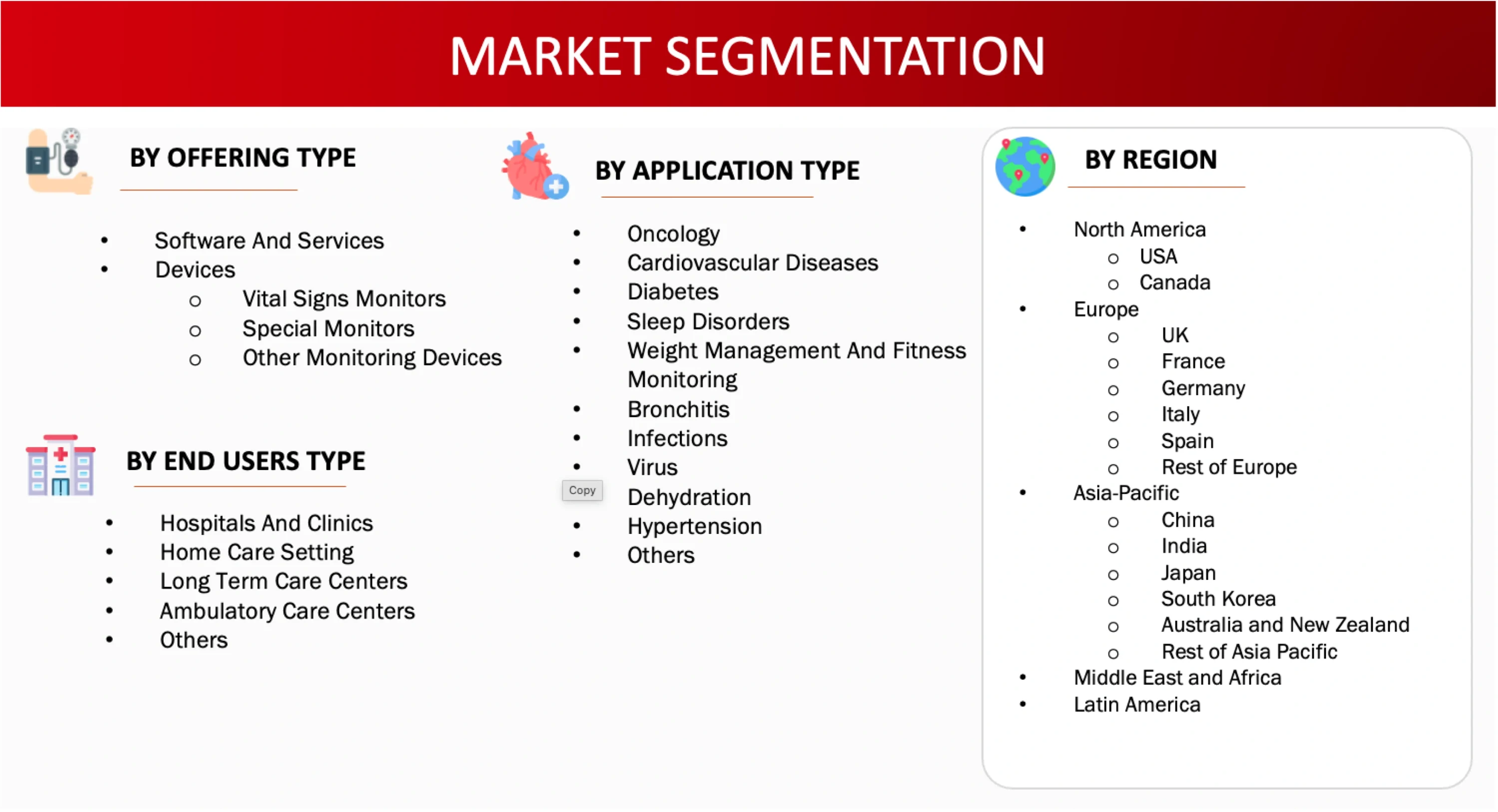
Remote Patient Monitoring Detailed Market Segmentation
Want detailed insights from this report?
Industry Developments and Competitive Landscape
The continual evolution of the Remote Patient Monitoring (RPM) Industry has been driven by recent technological advances within the realms of wearables/functional sensors, artificial intelligence (AI) based analytics, and cloud-based health systems, as well as connected medical devices. Enhanced wireless connectivity; instantaneous data sharing; and the ability to monitor multiple parameters of patients remotely; means healthcare professionals now have the capability to monitor patients outside of the traditional clinic environment, with much greater accuracy and efficiency. As well, AI oriented RPM platforms are now being utilized for the purpose of automatically recognizing abnormal vital sign patterns, prioritizing alerts for high-risk patients, providing clinicians with the option for earlier intervention, while reducing the manual workload associated with routine patient monitoring. Other new technologies such as cellular-based plug-and-play monitoring devices, smart wearables for ECG, continuous glucose monitoring systems, and interoperable cloud-based connected care platforms are assisting in the improvement of patient adherence to their care plans, simplifying remote care delivery, and expanding access to high-quality healthcare services in homecare, outpatient and hospital-at-home settings.
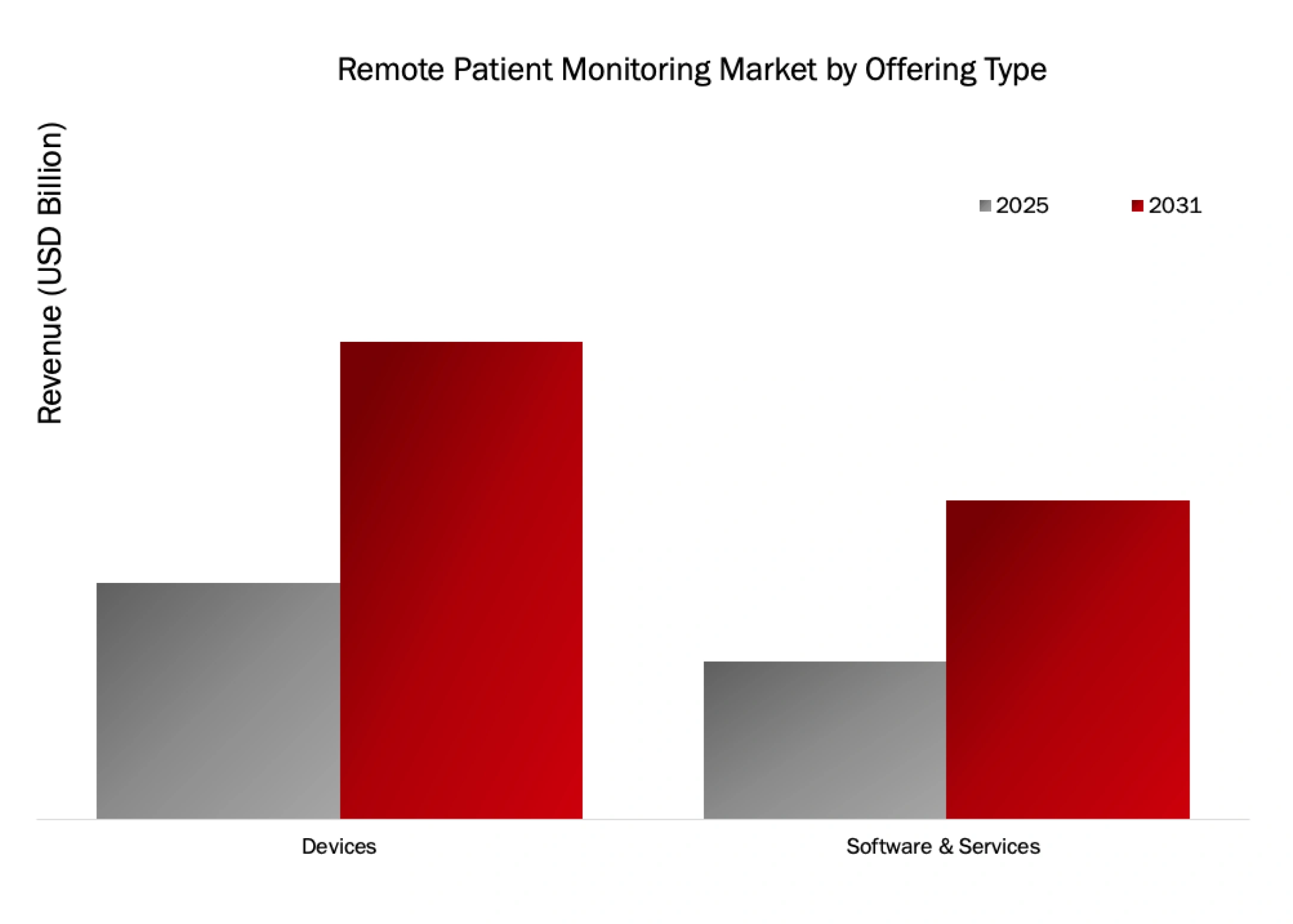
The Remote Patient Monitoring (RPM) market was dominated by the RPM Devices section in 2025 due to the usage of connected medical devices collecting real-time patient health information by devices that include Continuous Glucose Monitors (CGMs), Cardiac Monitoring Systems, Blood Pressure Monitors, Pulse Oximeters and wearable Biosensors, and these devices serve as the foundation for every RPM program and the fact that RPM products utilize patient-generated data, while the monitoring device is the main source of clinical information necessary to provide remote patient care. In addition, the segment continued to be the primary source of RPM revenue generation due to the higher per-unit cost associated with RPM monitoring devices, and the recurring need for new sensors associated with RPM devices as they are deployed more and more frequently in chronic illness management and other care delivery scenarios.
-
Without having physical monitoring devices, remote patient monitoring programs could not occur since vital signs and biometric data must be collected from approved monitoring hardware.
-
The use of high-value devices such as continuous glucose monitors, implantable cardiac monitors, and wearable ECG systems generates more revenue per patient than do software subscriptions.
-
Medical-grade monitoring devices must undergo extensive validation and clearance processes through regulatory authorities, including the FDA, resulting in a higher market value associated with these types of products.
-
In addition to device setup costs, CMS provides reimbursement for the onboarding of patients, supply of equipment and transmission of device data, which will likely continue to drive the use of medical-grade pome equipment through enhanced reimbursement model usage.
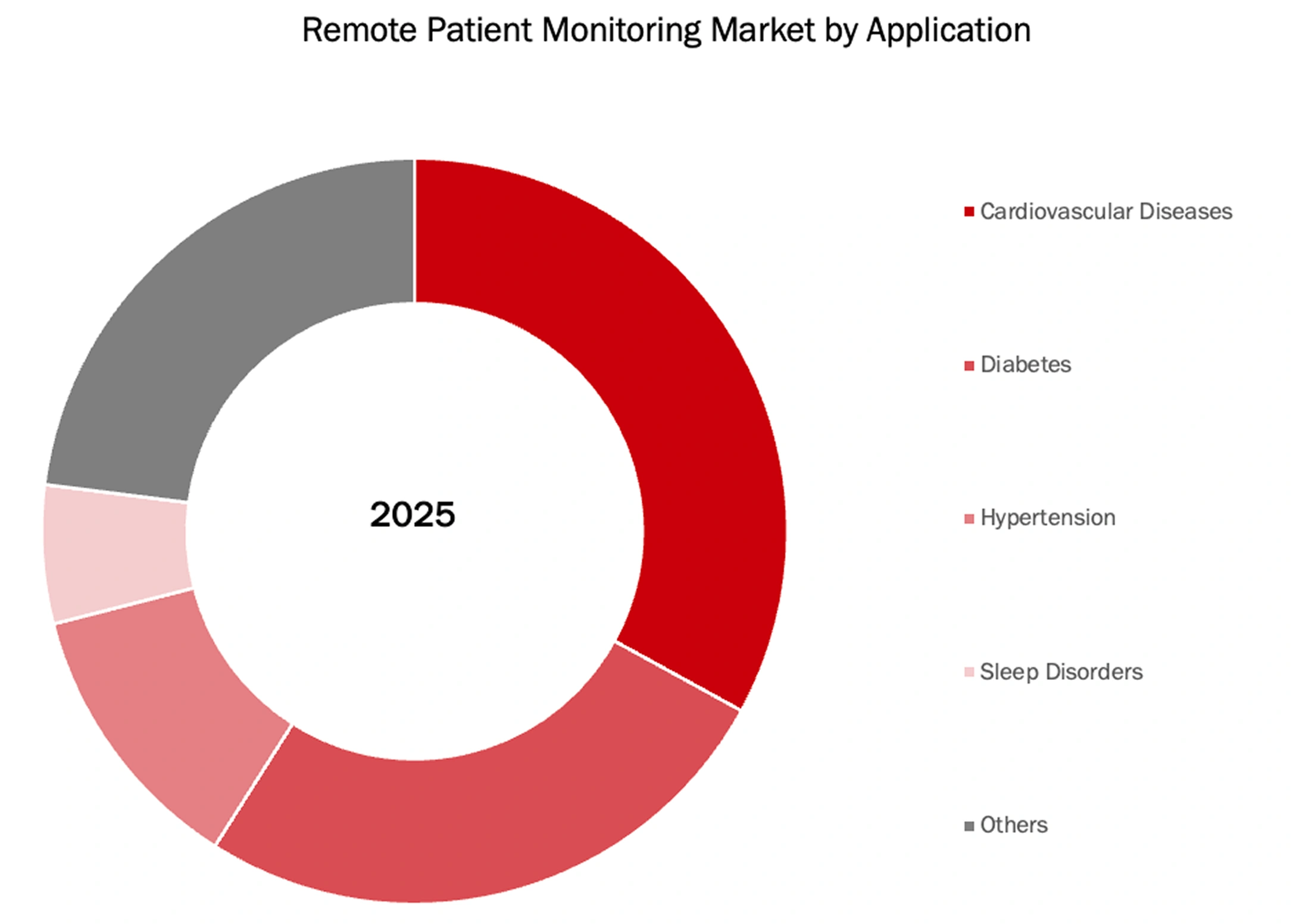
Remote patient monitoring (RPM) was predominantly targeted towards CVD in 2025; it comprised the majority of the total RPM Market share. With the significant clinical and financial burden of heart failure and other AF and hypertension, patients with CVD require continuous monitoring of their rhythm, blood pressure, oxygen saturation and many other factors to avoid complications in the future and reduce the need for hospital admission. As the use of remote cardiac monitors proliferates, increasingly favourable reimbursement strategies will continue to support facilities’ implementation of remote monitoring programs for cardiovascular diseases. As a result, CVD is the top application area in the RPM market.
-
Due to the high rates of morbidity and mortality associated with coming, CVDs drive the demand for continuous remote monitoring and proactive intervention prior to the development of an identifiable complication.
-
Hospitals participating in the HRRP face severe fiscal penalties for excessive readmissions due to heart failure; therefore, they have an incentive to develop a RPM program for VTEs.
-
Approximately $233 billion per year are expended for direct CVD-related health care expenditures, making preventive care for CVDs a national priority according to the CDC.
The Remote Patient Monitoring (RPM) market in North America is led by the U.S. because it has an established reimbursement approach, an extensive chronic disease burden, a developed digital health care infrastructure and a large number of known medical technology companies as well as a wide variety of government initiatives supporting RPM reimbursement.
-
Due to all of these factors and many more, RPM has seen large-scale adoption within health care systems throughout the U.S. with a focus on supporting chronic disease management, post-acute care and hospital at home programs – driving large-scale utilization of remote monitoring services by providers and patients.
-
The U.S. Centers for Medicare & Medicaid Services (CMS) developed dedicated RPM reimbursement codes, establishing a direct financial incentive for providers to implement remote monitoring services on a large scale.
-
According to the CDC, approximately 90% ($4.9 trillion) of the annual health care expenditures within the U.S. are related to chronic and mental health conditions. Therefore, this large amount of health care spending due to chronic and mental health conditions will drive the need for increased RPM utilization.
-
In 2025, Abbott Laboratories (U.S.) reported total revenues of $44.3 billion. Abbott’s continued revenue growth is largely due to the rapid adoption of the company’s FreeStyle Libre continuous glucose monitoring system by an expanding client base.
-
DexCom, Inc. (U.S.) generates majority of the company’s revenues from the U.S. market; and is experiencing positive revenue growth as a result of the favorable reimbursement practices of the U.S. and the pace of FDA product approvals within the U.S.
What This Report Covers
This report provides a comprehensive analysis of the remote patient monitoring market, offering insights into key trends, growth drivers, challenges, and future opportunities. It is designed to support strategic decision-making through a combination of quantitative data and qualitative analysis.
Specifically, the report covers:

Market Overview & Definition: Overview of the market scope, structure, and key terminology.

Market Size & Forecast: Historical data and future projections across key segments and regions.

Key Market Trends: Insights into emerging trends, technological advancements, and evolving demand patterns.

Drivers, Restraints & Opportunities: Analysis of key factors influencing RPM market growth.

Competitive Landscape: Overview of major players, their strategies, and recent developments.

Detailed Patent Analysis which includes, top assignees, geography focus of top assignees, legal status, technology evolution, key patents and patent trends and innovations

Segmentation Analysis: Breakdown by type, application, end users, and region.

Regional Insights: Key regional trends and growth opportunities.

Future Outlook: Strategic insights and future market direction.
Research Methodology
The study of the remote patient monitoring market is based on a combination of primary and secondary research methodologies, supported by data validation and analytical modeling to ensure accuracy and reliability.
Market Definition: Remote Patient Monitoring Market
In the remote patient monitoring market, there are several connected medical devices, software platforms, and other Digital Health Technologies that let health care providers remotely collect, track, and analyze patient’s health data outside of a typical clinical environment. Some examples of RPM solutions are cardiac monitoring devices, continuous glucose monitors, blood pressure monitors, pulse oximeters, wearable sensors, and cloud-based monitoring platforms.
The typical users of RPM Technology are hospitals, physician practices, home health care providers, ambulatory care centers, and virtual care networks as they use the tools for chronic disease management, post-discharge monitoring of patients with chronic diseases, elderly care and use of hospital-at-home services. The key clinical applications of RPM Technology are for patients with cardiovascular disease, diabetes, hypertension, respiratory disease, and management of patients following the receipt of acute care.
Key Stakeholders
The remote patient monitoring market involves a diverse ecosystem of stakeholders:
- Device Manufacturers (cardiac monitoring devices, continuous glucose monitors, blood pressure monitors, pulse oximeters, wearable biosensors, and multi-parameter monitoring systems)
- RPM Software & Digital Health Platform Providers (remote monitoring platforms, patient engagement solutions, AI-enabled analytics software, virtual care platforms, and clinical workflow management systems)
- Connectivity & Healthcare IT Providers (cloud infrastructure providers, interoperability solutions, electronic health record integration vendors, and healthcare data management platforms)
- Telehealth & Virtual Care Providers (telemedicine platforms, virtual consultation providers, remote care coordination services, and digital healthcare networks)
- End-Use Healthcare Facilities (hospitals, physician practices, home healthcare agencies, ambulatory care centers, long-term care facilities, and hospital-at-home programs)
- Healthcare Payers & Government Organizations (public healthcare systems, Medicare and Medicaid programs, private insurers, value-based care organizations, and healthcare regulatory agencies)
- Testing, Regulatory & Compliance Organizations (medical device regulatory authorities, cybersecurity compliance bodies, healthcare accreditation organizations, and interoperability standards organizations)
- Research Institutions and Academic Organizations (digital health research centers, clinical research organizations, healthcare innovation institutes, and remote care evaluation programs)
- Distributors and Service Providers (medical device distributors, remote monitoring service providers, logistics partners, and patient onboarding support organizations)
- Investors (venture capital firms, digital health investors, healthcare technology funds, and strategic stakeholders supporting connected care and remote monitoring innovation)
Key Objectives of the Study
- To define, describe, analyze, segment, and forecast the remote patient monitoring market by type, by application type, by end users’ type.
- To describe and forecast the market for four key regions: North America, Europe, Asia Pacific, and Rest of the World.
- To provide detailed information regarding key drivers, restraints, opportunities, and challenges influencing market growth
- To strategically analyze the micro indicators with respect to individual growth trends, prospects, and contributions to the overall market size
- To analyze opportunities for stakeholders in the remote patient monitoring industry and emphasize on competitive landscape of the market.
- To develop competitive benchmarking of the key market players based on technology specifications and end users.
- To strategically profile key players and comprehensively analyze their product portfolio offerings, and core competencies
- To analyze competitive developments, such as launches and approvals, agreements, mergers and acquisitions, partnerships, joint ventures, investments and expansions, and collaborations, remote patient monitoring domain.
Need deeper insights on this market?
Get full report access with detailed forecasts, competitive analysis, and segmentation.
Research Approach
This research employs a systematic approach by using primary research along with secondary research to achieve full coverage and accuracy of information about the remote patient monitoring sector. Through this approach, the current market trends in terms of consumer behavior, technological developments, and competitive environment can be analyzed thoroughly.
Secondary Research
Secondary research involves the collection of data from reliable sources such as industry databases, company annual reports, investor presentations, and regulatory filings. This process helps in understanding market trends, identifying key players, and gathering technical and commercial insights.
A comprehensive database of leading companies and market participants is developed through secondary research to support further analysis.
Primary Research
Primary research is conducted to validate findings from secondary research and to gain deeper insights into market dynamics. Interviews are carried out with industry stakeholders across both demand and supply sides, including executives such as CXOs, Vice Presidents, and Directors from business development, marketing, and product teams.
Data is collected through structured questionnaires, email interactions, and telephonic interviews across key regions including North America, Europe, Asia-Pacific, and Rest of the World.
Market Size Estimation
Market size estimation is performed using both top-down and bottom-up approaches. Key market players are identified, and their revenues are analyzed to estimate the overall market size.
The market is further segmented based on:
- Product and service mapping across regions
- Adoption patterns across key application segments
- Insights gathered through primary and secondary research
Data Validation and Research Design
After estimating the overall market size, the data is validated using triangulation methods and market breakdown techniques to ensure accuracy and consistency. Both demand-side and supply-side factors are considered to refine the analysis.
The final data is validated through multiple sources to ensure reliability and to provide accurate insights across all market segments and regions.
Assumptions of the Study
The analysis of the remote patient monitoring market is based on the following key assumptions:
- Trends in the industry are drawn from historical data and current information within the sector
- The future outlook is underpinned by constant economic conditions in the absence of shocks to the market
- The rate of adoption for remote patient monitoring will rise steadily in all important regions
- Advancements in AI, connectivity, and lab-on-chip will continue to drive growth in the remote patient monitoring market.
- The income statement and market share figures are estimated using available information from the industry and publicly available data
- The exchange rate and price trends will not be greatly affected during the forecast period
Scope and Limitations
Scope of the Study
This report offers an exhaustive overview of the international RPM market and includes the following components:
- Summary of market size, growth trends, and projections
- Carefully segmented market based on type, application, end users, and geography
- Discussion of primary factors influencing the market
- Competitor analysis
- Insights into regional and national market performance
Limitations of the Study
Despite the best efforts being made to keep the results accurate, the study does suffer from some limitations:
- It has been done using both primary and secondary data that come with their own constraints
- Rapid developments in technology might affect the future course of market dynamics
- Some figures are only approximations due to lack of public disclosure
- The report is not an insurance against any disruptions in macroeconomics and geopolitics
- Future forecasts are indicative and subject to change due to altered industry dynamics
Data Triangulation and Market Breakdown
Data triangulation involved the combination of primary research, secondary research, and the Wissen Research analysis. Once the data points were sourced from the secondary market research, we sanitized the data points to make the market sizing and growth forecast more accurate by developing our own assumptions based on the inputs and insights we gather through the primary interviews with the industry experts. Once the data was thoroughly validated through primary interviews from both, demand and supply side of the market, our team of analyst and other team members involved finalized the market sizing and growth forecast.
Data Triangulation Methodology
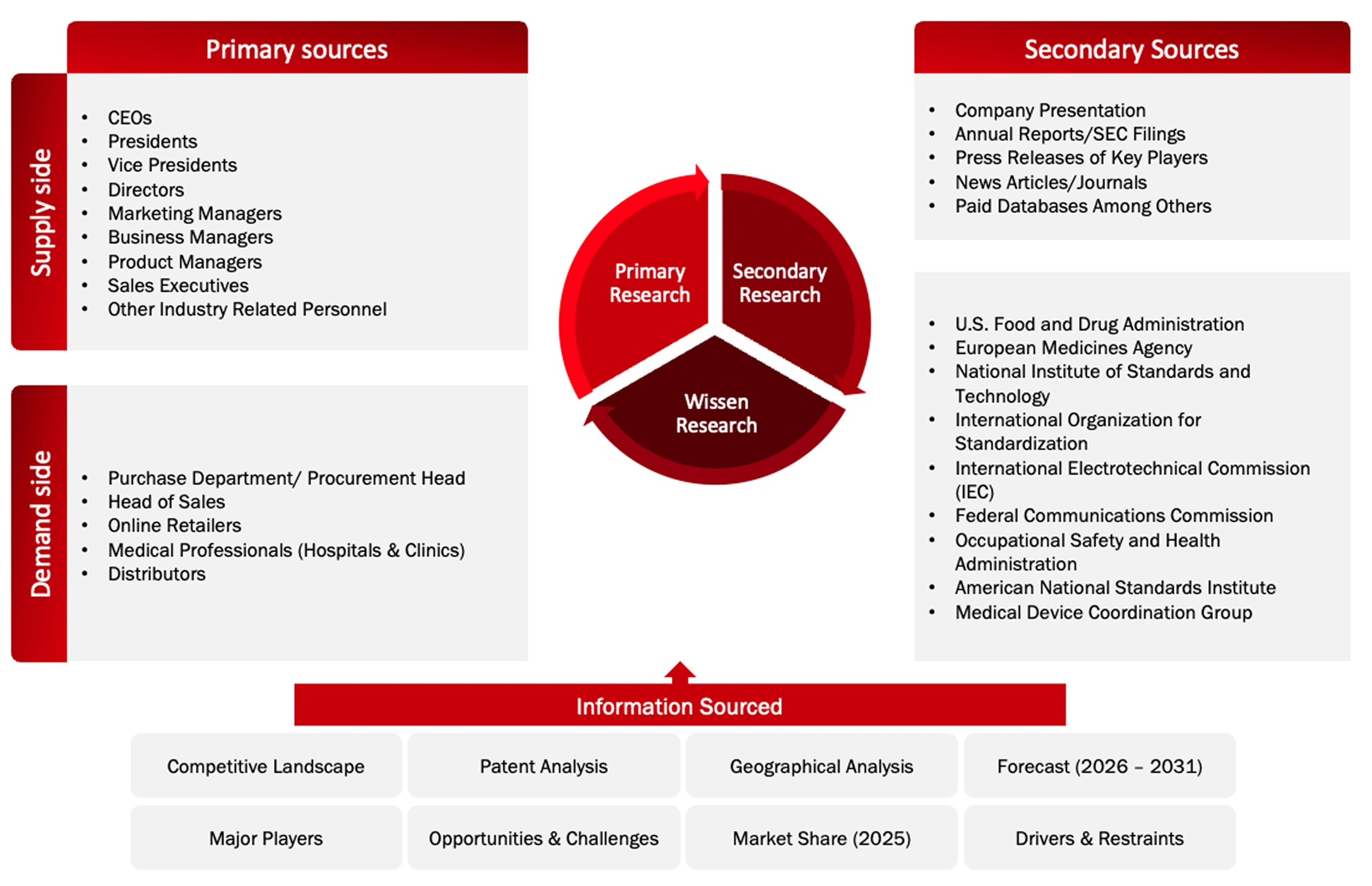
Sources: U.S. Food and Drug Administration, European Medicines Agency, National Institute of Standards and Technology, International Organization for Standardization, International Electrotechnical Commission, Federal Communications Commission, Occupational Safety and Health Administration, American National Standards Institute, Device Coordination Group, Company Website, Press Releases, Annual Reports, Paid Data Sources, and Wissen Research Analysis.
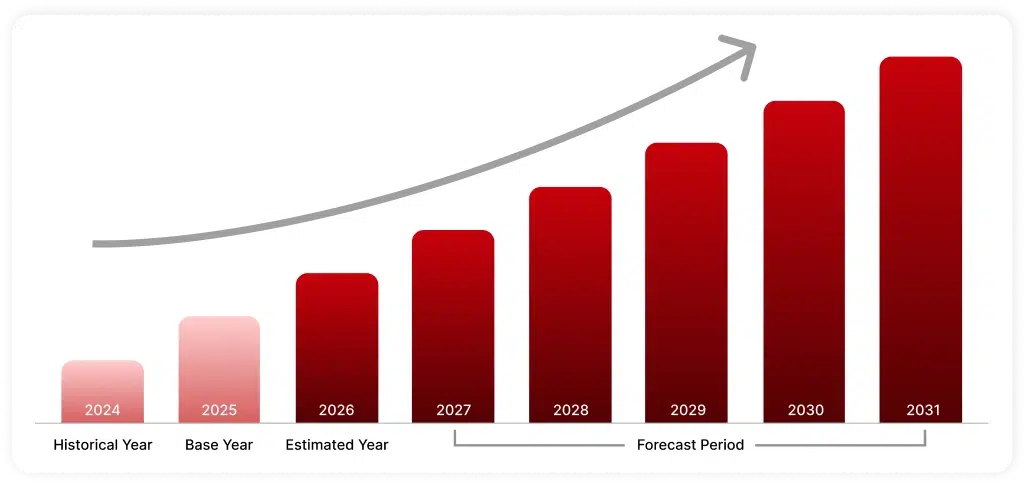
Years Framework
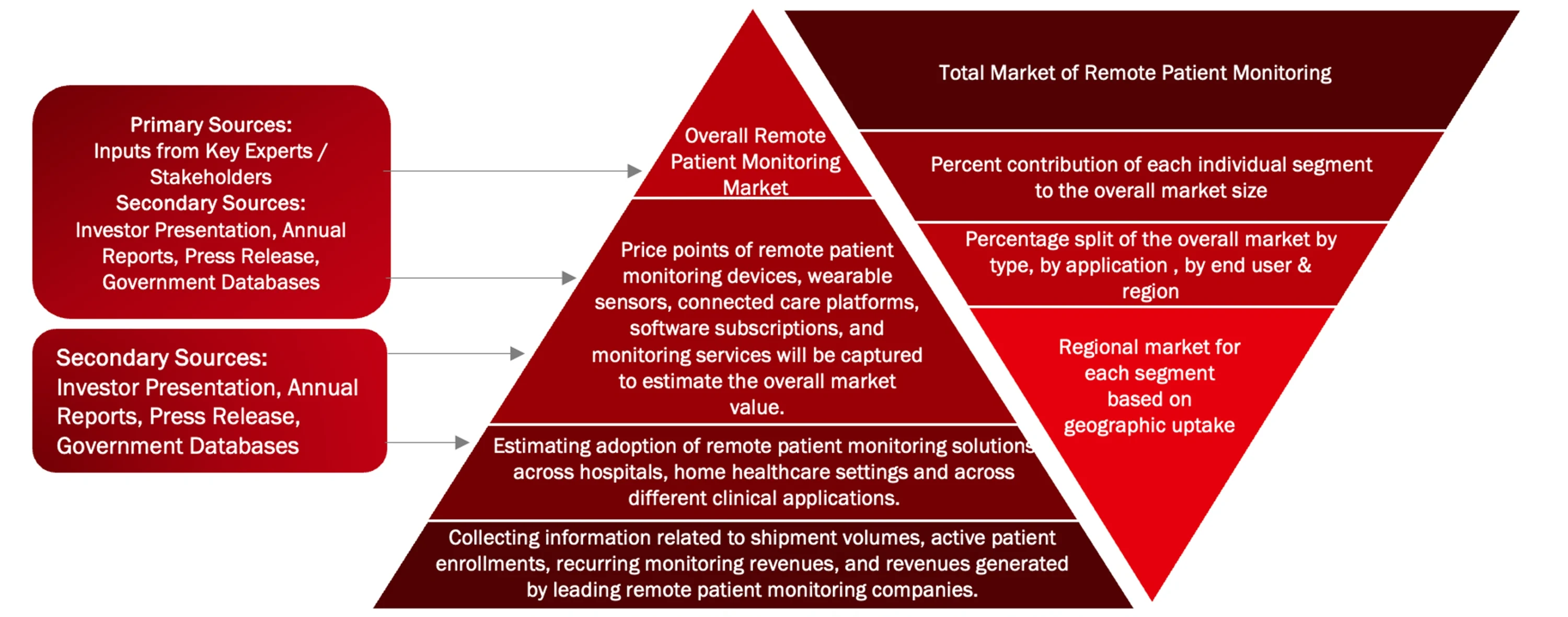
Bottom-Up Approach (Demand Side) And Top-Down Approach (Supply Side)
Bottom-Up Approach (Demand-Side Approach):
Determining the market size through the consolidation of demand among end-users, sectors, and geographic areas, which are calculated according to real-world demand conditions.
Top-Down Approach (Supply-Side Approach):
Calculating the market size through revenue and performance of the industry and its important companies, allocating the market size among various sectors.
Want detailed insights from this report?
Buy this Report
Choose the option that best fits your needs