
Stem Cells Market
Global Industry analysis, Size, Share, Growth, Trends, and Forecast 2026-2031
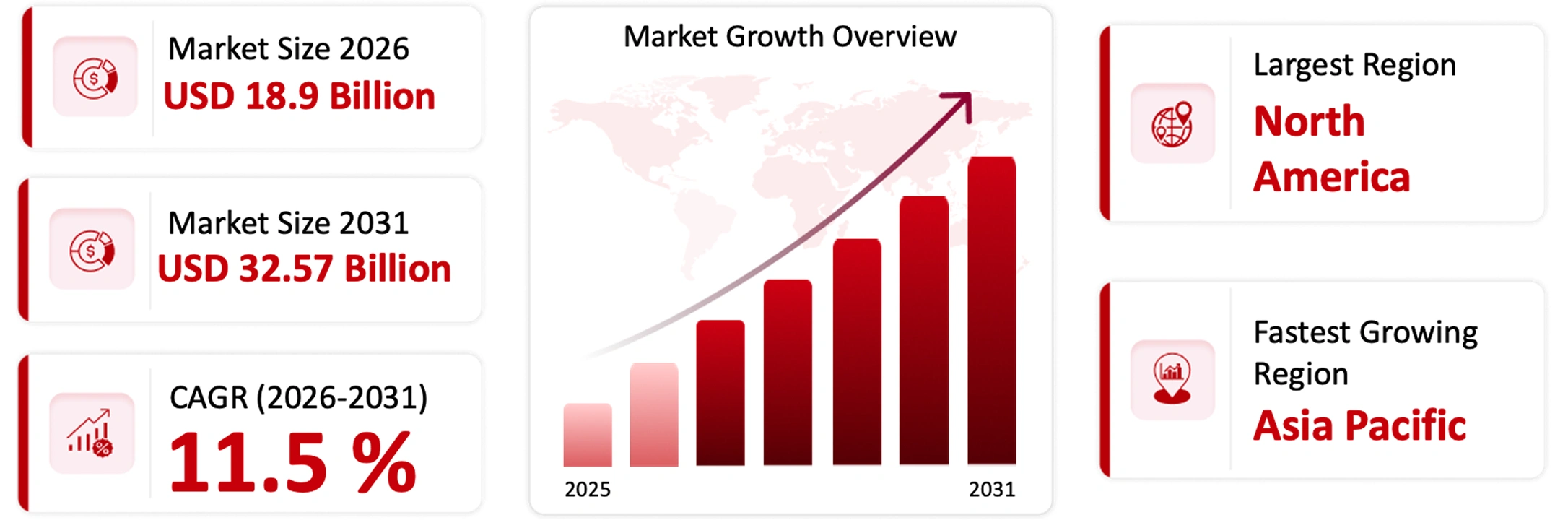
The global stem cells market is projected to reach USD 32.57 billion by 2031, growing at a CAGR of 11.5% during the forecast period.
| Market Size (2026): | Forecast (2031): | CAGR (2026–2031): | Leading Region: | Fastest Growing Region: |
|---|---|---|---|---|
| $ 18.9 Billion | $ 32.57 Billion | 11.5 % | North America | Asia Pacific |
Summarize this report with:



Market Overview
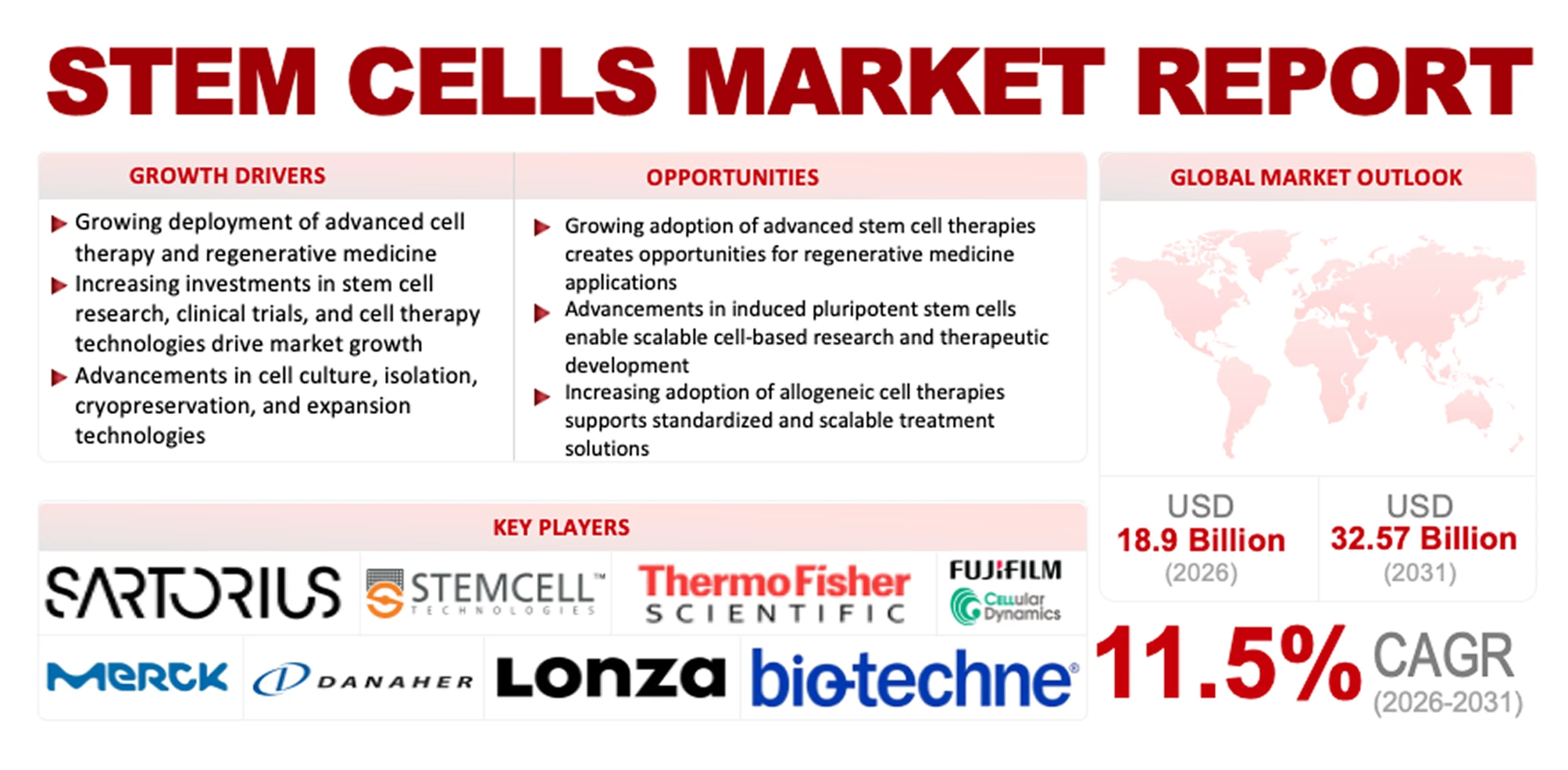
The global stem cells market is experiencing significant growth, driven by increasing demand for regenerative medicine, stem cell-based therapies, and advanced drug discovery applications. Rising prevalence of chronic diseases, growing investment in stem cell research, and increasing adoption of cell-based therapies are supporting market expansion. In addition, advancements in cell acquisition, cell production, cryopreservation, and cell expansion technologies are improving the development and application of stem cells. Growing use of adult stem cells, induced pluripotent stem cells, and other stem cell types across oncology, neurology, orthopedics, hematology, and other therapeutic areas is further contributing to market growth. The market is estimated to be USD 18.9 billion in 2026 and is projected to reach USD 32.57 billion by 2031, growing at a CAGR of 11.5 % during the forecast period (2026-2031).
Technology Overview
Stem cells are specialized cells with the ability to self-renew and differentiate into different cell types, making them valuable for regenerative medicine, research, and therapeutic applications. Different types, including adult stem cells, human embryonic stem cells, induced pluripotent stem cells, and very small embryonic-like stem cells, are being studied and developed for various medical and research purposes. Advancements in cell acquisition, cell production, cryopreservation, and expansion technologies are improving stem cell processing, scalability, and applications. The growing demand for regenerative therapies, drug discovery, and cell-based research is further supporting the adoption of stem cell technologies across pharmaceutical and biotechnology companies, hospitals, cell banks, and academic and research institutes.
Key Growth Drivers
- Increasing demand for stem cell-based therapies and regenerative medicine for the treatment of chronic and degenerative diseases
- Rising adoption of stem cells in drug discovery, development, and advanced biomedical research
- Growing investments in stem cell research, cell-based therapies, and regenerative medicine technologies
- Increasing demand for advanced cell acquisition, production, cryopreservation, and expansion technologies
- Rising adoption of stem cell applications across oncology, neurology, orthopedics, hematology, and other therapeutic areas
Stem Cells Market Key Highlights
Need deeper insights on this market?
Get full report access with detailed forecasts, competitive analysis, and segmentation.
Stem Cells Market Trends
The stem cells market is witnessing strong growth due to increasing demand for regenerative medicine, cell-based therapies, drug discovery, and advanced biomedical research. The growing adoption of adult stem cells, induced pluripotent stem cells, and other stem cell types, along with advancements in cell acquisition, production, cryopreservation, and expansion technologies, is supporting market expansion. Key trends include increasing development of personalized therapies, improved cell processing techniques, and growing applications of stem cells across various therapeutic and research areas.
The rising adoption of stem cell-based approaches in oncology, neurology, orthopedics, hematology, and regenerative medicine is creating new opportunities for market participants. In addition, growing investments in stem cell research and clinical development are encouraging advancements in cell-based therapies, drug discovery, and stem cell manufacturing technologies.
Increasing Demand for Regenerative Medicine and Cell-Based Therapies
The growing prevalence of chronic, degenerative, and life-threatening diseases is increasing demand for regenerative medicine and stem cell-based therapies. Stem cells offer potential applications in tissue repair, disease treatment, and cellular regeneration, supporting their use across various medical fields. Advancements in stem cell research and therapeutic development are further enabling the development of innovative and personalized treatment approaches.
Growing Adoption of Advanced Stem Cell Processing Technologies
Advancements in cell acquisition, cell production, cryopreservation, isolation, and expansion technologies are improving the quality, scalability, and efficiency of stem cell processing. Developments in cell culture and preservation techniques are supporting the expansion of stem cell applications across pharmaceutical and biotechnology companies, hospitals, cell banks, and academic and research institutes.
Key Players in the Stem Cells Market
Leading companies in the stem cells market are focusing on product innovation, advanced photonic integration, strategic partnerships, research and development, capacity expansion, and technology development to strengthen their market presence.




Strategic Activities Within the Stem Cells Market
Applied StemCell (US) and Cellipont Bioservices (US) entered into a strategic collaboration to accelerate the development of iPSC-derived cell therapies. The partnership combines iPSC engineering and cell banking capabilities with cGMP process development, manufacturing, and regulatory support to enable a streamlined path toward clinical and commercial-scale production.
Aspect Biosystems (Canada) and Novo Nordisk (Denmark) entered a new phase of their strategic partnership to develop advanced stem cell-derived therapies for diabetes. Aspect acquired rights to Novo Nordisk’s stem cell-derived islet cell and hypoimmune cell engineering technologies, while Novo Nordisk provided an additional equity investment and research funding to support development and commercialization.
MEDIPOST (South Korea) secured US$140 million in funding from investors including Skylake Equity Partners and Crescendo Equity Partners to accelerate the development of its allogeneic, umbilical cord blood-derived mesenchymal stem cell therapy. The funding will support Phase III clinical development, infrastructure expansion, and manufacturing scale-up.
Stem Cells Market Insights
The global stem cells market is experiencing strong growth due to increasing demand for regenerative medicine, cell-based therapies, drug discovery, and advanced biomedical research. Growing investments in stem cell research, increasing prevalence of chronic diseases, and advancements in cell processing technologies are supporting market expansion. Developments in cell acquisition, production, cryopreservation, and expansion are further creating growth opportunities for stem cell market participants worldwide.
Stem cells are widely used across regenerative medicine, drug discovery and development, and biomedical research. Regenerative medicine applications include neurology, orthopedics, oncology, hematology, cardiovascular conditions, injuries, diabetes, and liver disorders. Pharmaceutical and biotechnology companies, hospitals and cell banks, and academic and research institutes are increasingly adopting stem cell technologies for therapeutic development, disease modeling, and research applications.
Increasing demand for regenerative medicine and cell-based therapies is a major factor driving the stem cells market. Rising prevalence of chronic and degenerative diseases, growing investments in stem cell research, and increasing adoption of personalized medicine are accelerating market growth. Technological advancements in cell acquisition, cell production, cryopreservation, isolation, and expansion are further improving the scalability and efficiency of stem cell applications.
Key trends in the stem cells market include increasing adoption of induced pluripotent stem cells, growing development of regenerative therapies, advancements in cell culture and expansion technologies, and rising use of stem cells in drug discovery. The growing focus on personalized and cell-based therapies is creating new opportunities across healthcare and research sectors. However, the market faces challenges such as high development costs, complex manufacturing processes, regulatory requirements, ethical concerns, and the need for specialized technical expertise.
The Asia Pacific is expected to witness strong growth in the stem cells market due to increasing healthcare investments, expanding biotechnology and pharmaceutical industries, and growing research activities in regenerative medicine. China, Japan, South Korea, India, and other countries are contributing to regional growth through investments in stem cell research, cell-based therapies, and advanced healthcare infrastructure. Rising demand for innovative treatments, increasing clinical research activities, and growing adoption of regenerative medicine are expected to further strengthen the stem cells market across the region.
Stem Cells Market Dynamics
Drivers: Increasing Demand for Regenerative Medicine and Cell-Based Therapies
The major driver of the stem cells market is the growing demand for regenerative medicine and cell-based therapies for the treatment of chronic, degenerative, and life-threatening diseases. Increasing prevalence of conditions such as cancer, neurological disorders, cardiovascular diseases, and orthopedic conditions is supporting the adoption of stem cell-based approaches. In addition, growing investments in stem cell research, personalized medicine, and clinical development are accelerating market growth. Advancements in cell acquisition, production, culture, cryopreservation, and expansion technologies are further improving the potential applications of stem cells.
Opportunities: Expansion of Stem Cell Research, Drug Discovery, and Regenerative Medicine
The increasing use of stem cells in regenerative medicine, drug discovery and development, disease modeling, and biomedical research is creating significant opportunities for market participants. Rising investments by pharmaceutical and biotechnology companies, academic institutions, and research organizations are encouraging the development of innovative stem cell-based products and therapies. In addition, growing adoption of induced pluripotent stem cells and advanced cell processing technologies is expanding the application scope of stem cell technologies.
Challenges: High Development Costs, Regulatory Complexity, and Technical Requirements
Despite strong growth potential, the stem cells market faces challenges such as high research and development costs, complex manufacturing processes, regulatory requirements, ethical considerations, and the need for specialized technical expertise. Maintaining cell quality, safety, consistency, and scalability can increase development and production complexity. Market participants also need to address regulatory and technical requirements while improving manufacturing efficiency and reducing costs to support the broader adoption of stem cell-based therapies and research applications.
Technology and Market Insights
From a market perspective, the stem cells market is witnessing strong growth due to increasing demand for regenerative medicine, cell-based therapies, drug discovery, and advanced biomedical research. The growing adoption of stem cell technologies across pharmaceutical and biotechnology companies, hospitals, cell banks, and academic and research institutes is driving investments in advanced stem cell products and processing capabilities.
Continuous developments in cell acquisition, cell production, cell culture, cryopreservation, isolation, and expansion technologies are improving cell quality, scalability, efficiency, and therapeutic potential. These innovations are enabling market participants to develop advanced and reliable stem cell-based solutions while supporting wider adoption across regenerative medicine, drug discovery, oncology, neurology, orthopedics, hematology, and other applications.
Technology Scope and Products
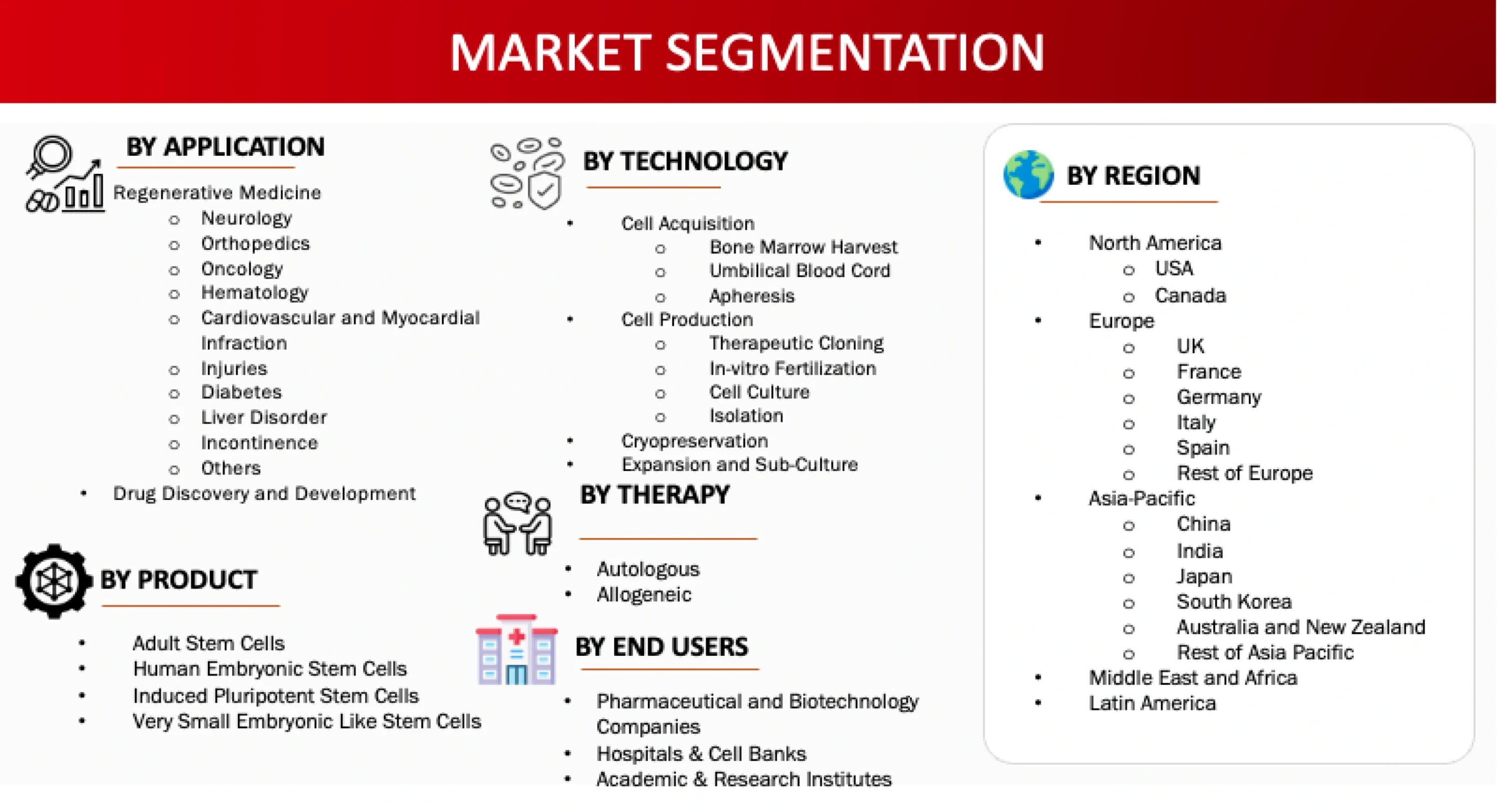
Stem Cells Market Segmentation
Want detailed insights from this report?
Industry Developments and Competitive Landscape
The stem cells market is witnessing continuous technological advancements driven by growing demand for regenerative medicine, cell-based therapies, drug discovery, and advanced biomedical research. Stem cell companies are investing in advanced cell acquisition, cell production, cell culture, cryopreservation, isolation, and cell expansion technologies to improve cell quality, scalability, efficiency, and therapeutic potential. The integration of advanced cell processing, automation, quality control, and innovative stem cell technologies is further supporting market growth by enabling reliable, scalable solutions and meeting the evolving requirements of clinical, pharmaceutical, and research applications.
The adult stem cells segment held the largest revenue share of approximately 72% in 2025, supported by their established use in regenerative medicine, hematopoietic therapies, tissue repair, transplantation, and other clinical applications. Adult stem cells, particularly hematopoietic and mesenchymal stem cells, have demonstrated significant therapeutic potential due to their ability to differentiate into specialized cell types and support tissue regeneration. Increasing research activities, growing clinical trials, and advancements in cell isolation, culture, expansion, and cryopreservation technologies are further supporting the adoption of adult stem cells. The growing focus on regenerative medicine and development of cell-based therapies is also creating new opportunities for adult stem cell applications. For example, Mesoblast Limited is developing and commercializing therapies based on mesenchymal lineage cells for applications in areas such as inflammatory and degenerative diseases, highlighting the growing application of adult stem cell technologies in regenerative medicine and clinical development.
The pharmaceutical and biotechnology companies segment captured the largest revenue share of approximately 55% in 2025, driven by increasing investments in stem cell research, drug discovery, regenerative medicine, disease modeling, and cell-based therapies. Pharmaceutical and biotechnology companies are increasingly using stem cells to evaluate drug candidates, study disease mechanisms, conduct toxicity testing, and develop innovative therapeutic approaches. Growing investments in research and development, increasing collaboration with academic institutions, and the expansion of cell therapy pipelines are further contributing to the segment’s growth. In addition, advancements in induced pluripotent stem cells and stem cell-derived models are enabling companies to develop more efficient and relevant platforms for drug development. For example, REPROCELL expanded its clinical iPSC and stem cell solutions in China through a strategic collaboration with WEIPU Biotechnology in July 2026, demonstrating continued investment by biotechnology companies in stem cell-based research, clinical development, and advanced cell therapy solutions.
The allogeneic therapy segment captured the largest revenue share of approximately 60% in 2025, supported by the potential for donor-derived cells to be developed into scalable and standardized, off-the-shelf therapies. Allogeneic approaches can provide advantages in terms of manufacturing scalability and broader patient accessibility compared with individualized cell production. These therapies are being investigated across regenerative medicine, oncology, hematology, neurological disorders, and other therapeutic areas. Increasing investments in clinical research, cell manufacturing infrastructure, and development of standardized cell therapy platforms are further supporting segment growth. In addition, advancements in cell engineering and manufacturing processes are helping companies improve the consistency, safety, and scalability of allogeneic products. For example, BlueRock Therapeutics and Bayer are conducting clinical development of an allogeneic stem cell-derived therapy for Parkinson’s disease, demonstrating the increasing focus on donor-derived cell therapies for neurological and regenerative medicine applications.
North America accounted for the largest revenue share of approximately 44% in 2025, supported by significant investments in stem cell research, regenerative medicine, cell-based therapies, and advanced biotechnology infrastructure. The region benefits from the presence of leading pharmaceutical and biotechnology companies, established research institutions, advanced healthcare infrastructure, and strong clinical research capabilities. Increasing demand for innovative treatments, growing clinical trials, and rising investments in cell therapy development are expected to further strengthen the region’s market position. For example, Thermo Fisher Scientific provides a broad portfolio of stem cell research and cell therapy solutions, while STEMCELL Technologies offers specialized products and technologies supporting stem cell research and cell-based applications, highlighting North America’s strong stem cell research and commercial ecosystem.
What This Report Covers-
This report provides a comprehensive analysis of the stem cells market, offering insights into key trends, growth drivers, challenges, and future opportunities. It is designed to support strategic decision-making through a combination of quantitative data and qualitative analysis.
Specifically, the report covers:

Market Overview & Definition:
Overview of the market scope, structure, and key terminology

Market Size & Forecast:
Historical data and future projections across key segments and regions.

Key Market Trends:
Insights into emerging trends, technological advancements, and evolving demand patterns

Drivers, Restraints & Opportunities:
Analysis of key factors influencing stem cells market growth

Competitive Landscape:
Overview of major players, their strategies, and recent developments

Detailed Patent Analysis:
This includes, top assignees, geography focus of top assignees, legal status, technology evolution, key patents and patent trends and innovations

Segmentation Analysis:
Breakdown by product, application, technology, therapy, end-user, and region

Regional Insights:
Key regional trends and growth opportunities

Future Outlook:
Strategic insights and future market direction
Research Methodology
The analysis of the stem cells market is based on a combination of primary and secondary research approaches, complemented by data validation and analytical assessment to ensure the accuracy, consistency, and reliability of market findings.
Market Definition: Stem Cells Market
The stem cells market refers to the development, production, and supply of stem cell-based products and technologies used for regenerative medicine, therapeutic applications, drug discovery, and biomedical research. Stem cells have the ability to self-renew and differentiate into various specialized cell types, making them valuable for tissue regeneration, disease modeling, cell-based therapies, and pharmaceutical research. Key stem cell types include adult stem cells, human embryonic stem cells, induced pluripotent stem cells, and very small embryonic-like stem cells, which are being explored across a wide range of clinical and research applications.
Modern stem cell technologies incorporate advanced cell acquisition, cell production, cell culture, isolation, cryopreservation, expansion, and quality-control processes to improve cell viability, scalability, consistency, and therapeutic potential. Key technology categories include bone marrow harvest, umbilical cord blood, and apheresis for cell acquisition; cell culture, isolation, therapeutic cloning, and in-vitro fertilization for cell production; and cryopreservation and expansion technologies for maintaining and scaling stem cell populations.
Key Stakeholders
The stem cells market involves a diverse ecosystem of stakeholders:
- Stem Cell Technology Developers
- Pharmaceutical and Biotechnology Companies
- Stem Cell Product and Therapy Manufacturers
- Cell Acquisition and Processing Technology Providers
- Cell Culture and Expansion Technology Providers
- Cryopreservation and Cell Storage Companies
- Cell Therapy and Regenerative Medicine Companies
- Hospitals and Healthcare Providers
- Cell Banks and Biobanks
- Academic and Research Institutions
- Drug Discovery and Development Companies
- Clinical Research Organizations
- Regulatory and Government Organizations
- Investors and Industry Associations
Key Objectives of the Study
- To define, describe, analyze, segment, and forecast the the stem cells market by product, application, technology, therapy, and end-user
- To describe and forecast the market for four key regions: North America, Europe, Asia Pacific, and Rest of the World
- To provide detailed information regarding key drivers, restraints, opportunities, and challenges influencing market growth
- To strategically analyze the micro indicators with respect to individual growth trends, prospects, and contributions to the overall market size
- To analyze opportunities for stakeholders in the stem cells industry and emphasize the competitive landscape of the market
- To develop competitive benchmarking of key market players based on technology specifications, product offerings, and end-user applications
- To strategically profile key players and comprehensively analyze their product portfolio offerings, technological capabilities, and core competencies
Need deeper insights on this market?
Get full report access with detailed forecasts, competitive analysis, and segmentation.
Research Approach
This research employs a systematic approach by using primary research along with secondary research to achieve full coverage and accuracy of information about the stem cells sector. Through this approach, the current market trends in terms of consumer behavior, technological developments, and competitive environment can be analyzed thoroughly.
Secondary Research
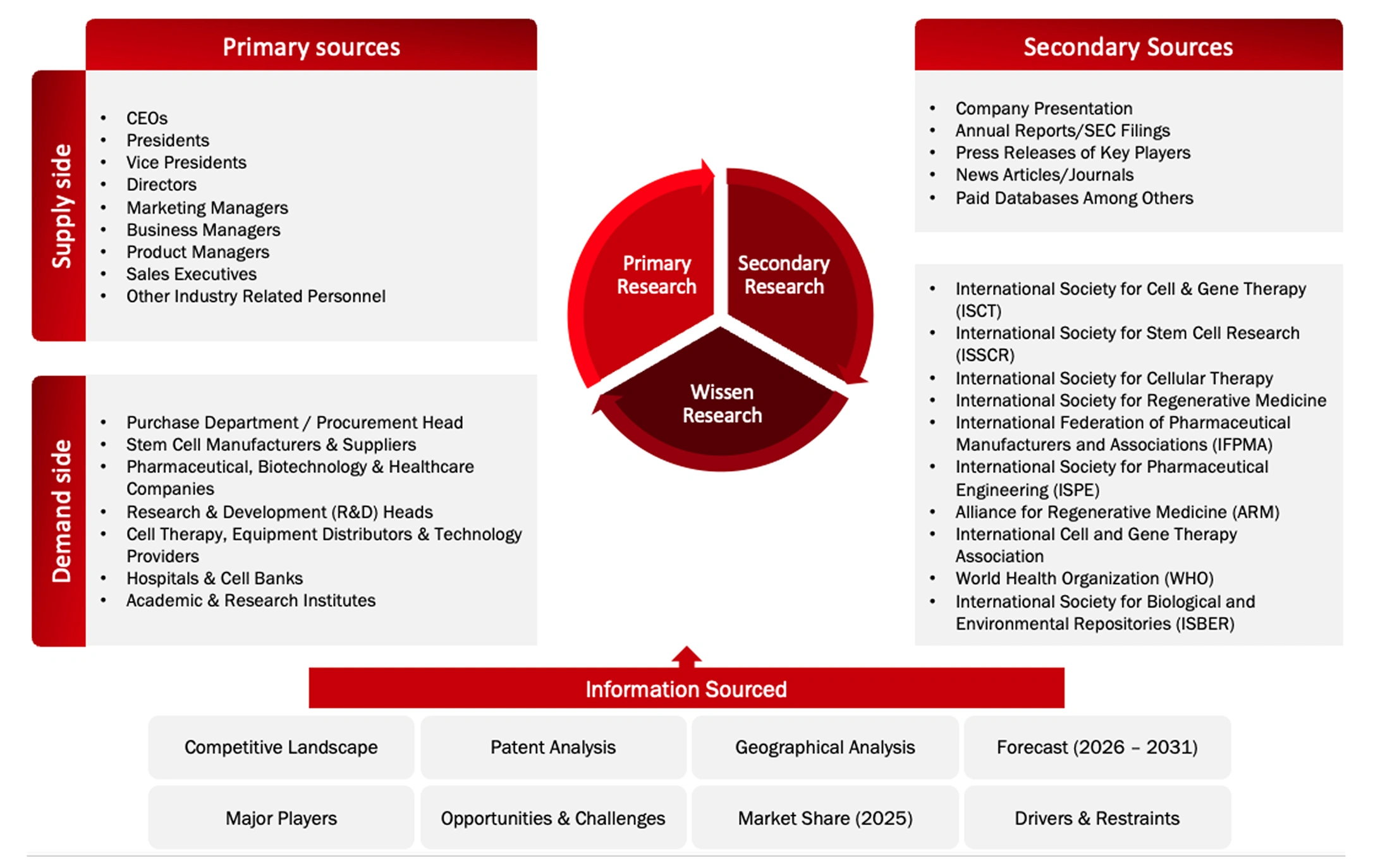
Secondary research involves the collection of data from reliable sources such as industry databases, company annual reports, investor presentations, and regulatory filings. This process helps in understanding market trends, identifying key players, and gathering technical and commercial insights.
A comprehensive database of leading companies and market participants is developed through secondary research to support further analysis.
Primary Research
Primary research is conducted to validate findings from secondary research and to gain deeper insights into market dynamics. Interviews are carried out with industry stakeholders across both demand and supply sides, including executives such as CXOs, Vice Presidents, and Directors from business development, marketing, and product teams.
Data is collected through structured questionnaires, email interactions, and telephonic interviews across key regions including North America, Europe, Asia-Pacific, and Rest of the World.
Market Size Estimation
Market size estimation is performed using both top-down and bottom-up approaches. Key market players are identified, and their revenues are analyzed to estimate the overall market size.
The market is further segmented based on:
- Product and service mapping across regions
- Adoption patterns across key application segments
- Insights gathered through primary and secondary research
Data Validation and Research Design
After estimating the overall market size, the data is validated using triangulation methods and market breakdown techniques to ensure accuracy and consistency. Both demand-side and supply-side factors are considered to refine the analysis.
The final data is validated through multiple sources to ensure reliability and to provide accurate insights across all market segments and regions.
Assumptions of the Study
The analysis of the stem cells market is based on the following key assumptions:
- Trends in the industry are drawn from historical data and current information within the stem cells sector
- The future outlook is underpinned by constant economic conditions in the absence of major shocks to the market
- The rate of adoption for stem cells will rise steadily across all important regions
- Advancements in stem cell research, cell acquisition, cell production, cryopreservation, expansion, and cell-based therapies will continue to drive growth in the stem cells market
- Market size and market share figures are estimated using available information from the industry and publicly available data
- The regulatory environment, investment levels, and pricing trends for stem cell products, therapies, and related technologies will not be significantly disrupted during the forecast period
Scope and Limitations
Scope of the Study
This report offers an exhaustive overview of the international stem cells market and includes the following components:
- Summary of market size, growth trends, and projections
- Summary of market size, growth trends, and projections
- Discussion of primary factors influencing the market
- Competitor analysis
- Insights into regional and national market performance
Limitations of the Study
Despite the best efforts being made to keep the results accurate, the study does suffer from some limitations:
- It has been done using both primary and secondary data that come with their own constraints
- Rapid developments in technology might affect the future course of market dynamics
- Some figures are only approximations due to lack of public disclosure
- The report is not an insurance against any disruptions in macroeconomics and geopolitics
- Future forecasts are indicative and subject to change due to altered industry dynamics
Data Triangulation and Market Breakdown
Data triangulation involved the combination of primary research, secondary research, and the Wissen Research analysis. Once the data points were sourced from the secondary market research, we sanitized the data points to make the market sizing and growth forecast more accurate by developing our own assumptions based on the inputs and insights we gather through the primary interviews with the industry experts. Once the data was thoroughly validated through primary interviews from both, demand and supply side of the market, our team of analyst and other team members involved finalized the market sizing and growth forecast.
Data Triangulation Methodology
Sources: U.S. Food and Drug Administration, European Medicines Agency, National Institute of Standards and Technology, International Organization for Standardization, International Electrotechnical Commission, Federal Communications Commission, Occupational Safety and Health Administration, American National Standards Institute, Device Coordination Group, Company Website, Press Releases, Annual Reports, Paid Data Sources, and Wissen Research Analysis.
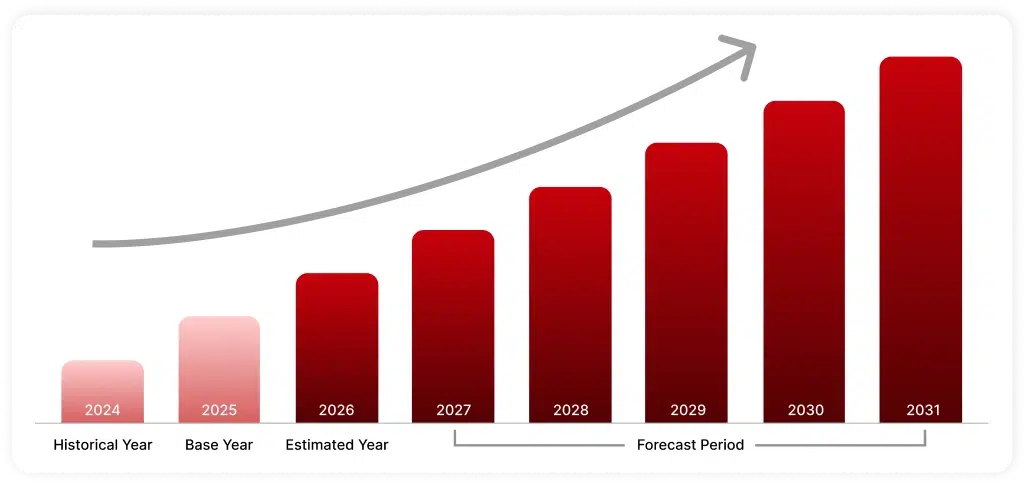
Year Framework
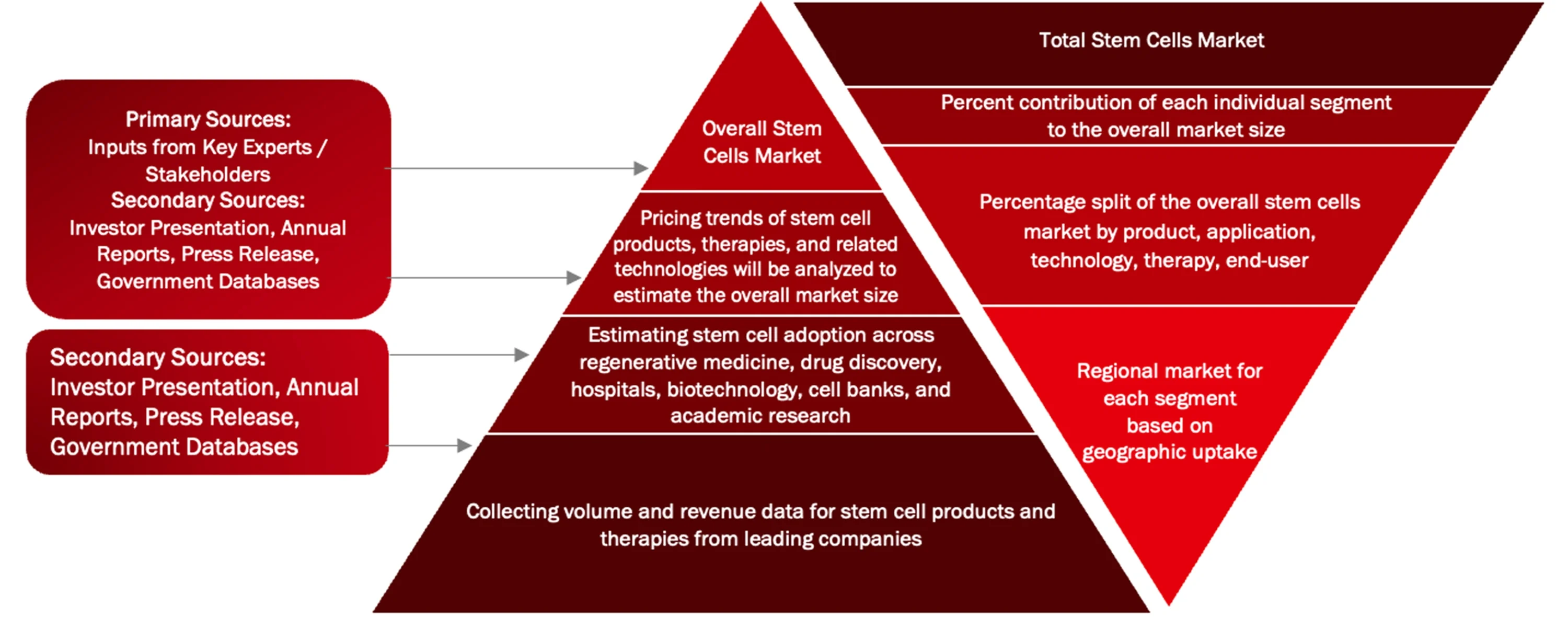
Bottom-Up Approach (Demand Side) and Top-Down Approach Supply Side)
Bottom-Up Approach (Demand-Side Approach):
Determining the market size through the consolidation of demand among end-users, sectors, and geographic areas, which are calculated according to real-world demand conditions.
Top-Down Approach (Supply-Side Approach):
Calculating the market size through revenue and performance of the industry and its important companies, allocating the market size among various sectors.
Want detailed insights from this report?
Buy this Report
Choose the option that best fits your needs