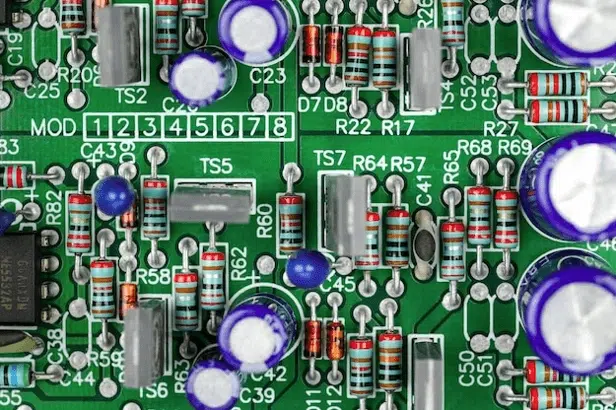
In some cases, surface-mounted or through-hole components may obscure the underlying traces, vias, or pads, making it difficult to fully analyze the PCB’s electrical pathways. When necessary, we proceed with the careful removal of components to expose the hidden layers and interconnections beneath them.
This step must be done with precision to avoid damaging the PCB or its conductive layers. We use specialized tools such as a heat gun and a desoldering station to safely detach components while preserving the integrity of the parts and the board. During this process, key information such as component type, part number, and their precise location on the board is meticulously documented for further analysis.
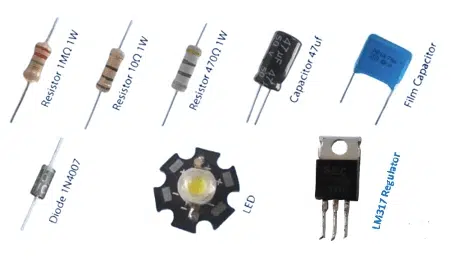
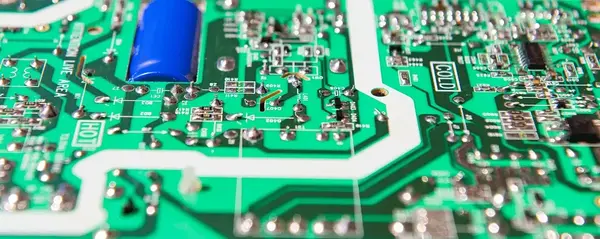
To document the connections, we either sketch them manually on graph paper or utilize digital software to create a more precise and organized representation of the circuit. Digital tools are useful for larger or more complex PCBs, where visualizing the connections and the relationships between components becomes critical. Additionally, software-based tracing tools allow us to identify and map the traces more efficiently, creating digital schematics that can be easily analyzed and compared against the original patent design.
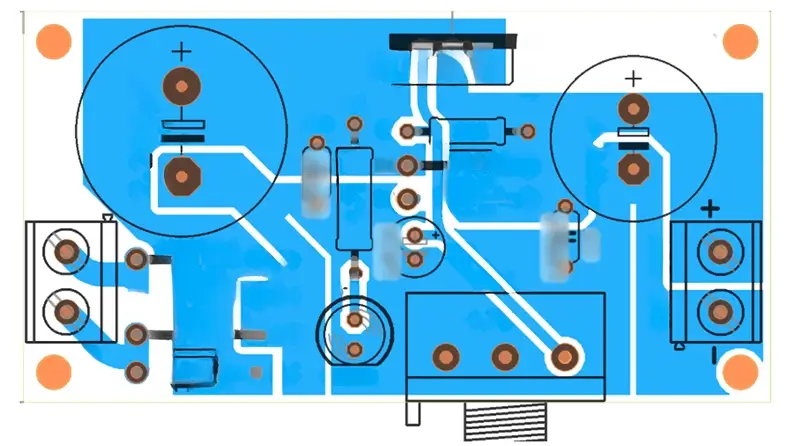
This step provides a comprehensive map of the circuit’s functionality and is essential for identifying design similarities, uncovering potential patent violations, and ensuring that we have an accurate understanding of the board’s electrical behavior.
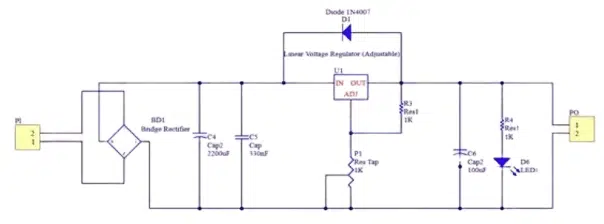
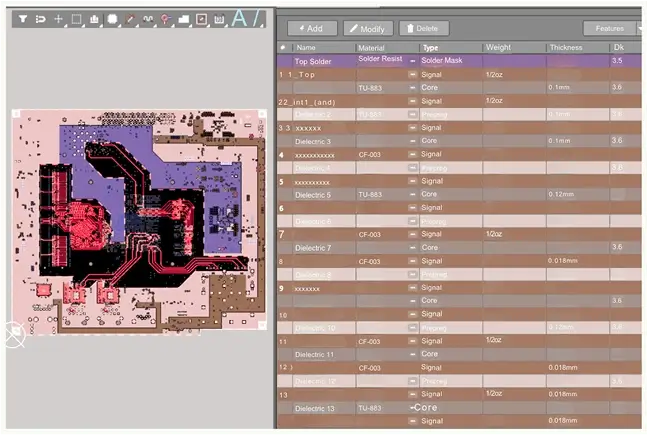
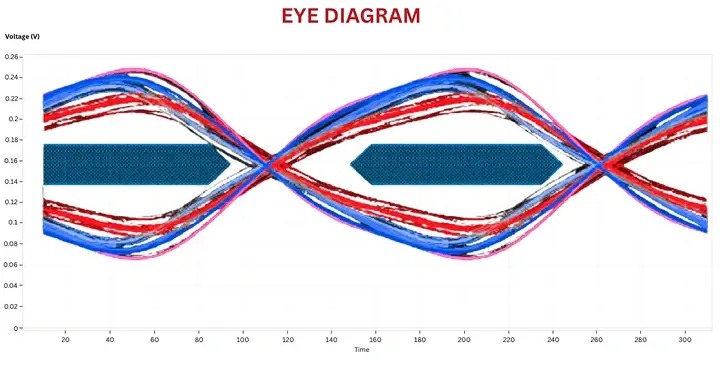
This step includes key analyses such as generating eye diagrams to visualize signal clarity and timing accuracy, conducting impedance analysis to check for transmission line mismatches, and assessing power ripple to identify any fluctuations that may affect sensitive components. These evaluations provide insight into real-world performance, revealing issues that may not be evident from a physical trace alone.
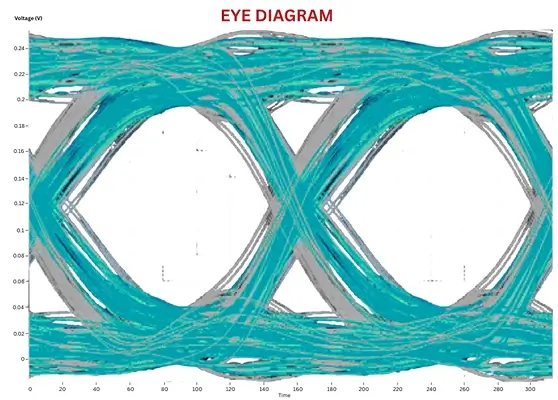
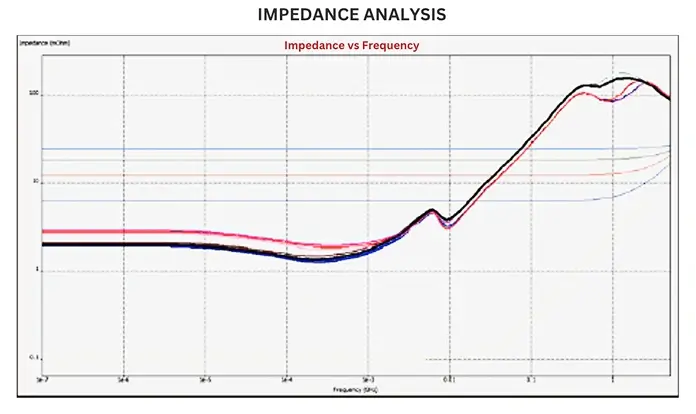
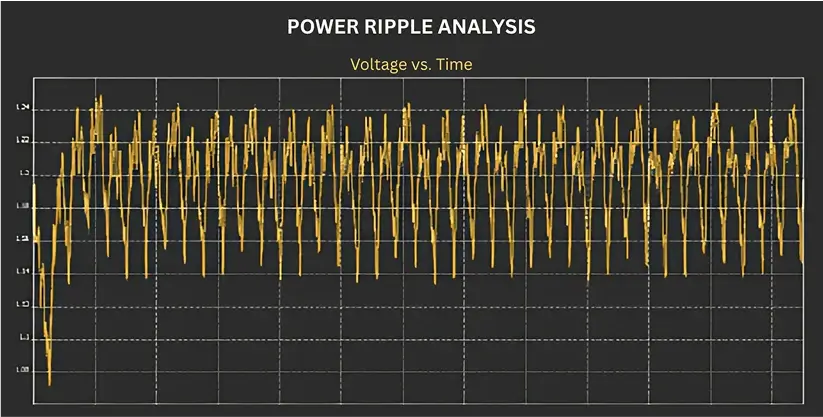 All findings are carefully documented with corresponding images, waveforms, and technical notes, building a comprehensive picture of how the circuit operates under actual conditions. Whether the goal is to detect patent infringement, troubleshoot design flaws, or study a competitor’s product, signal path analysis ensures a deep functional understanding of the PCB’s electronic behavior.