Veterinary Vaccines Are Entering a New Era. And It’s About More Than Disease Prevention
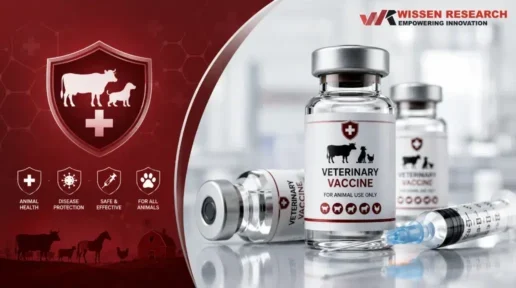
The veterinary vaccines market appears to be entering a different phase of development. While routine immunization remains the foundation of animal health, recent investment in next-generation vaccine platforms, recurring livestock disease outbreaks and growing attention to zoonotic disease preparedness suggest that future growth may be shaped as much by adaptability and resilience as by vaccination volume.
For decades, veterinary vaccines occupied a relatively stable position within the broader animal health industry. Vaccination schedules for livestock and companion animals followed established protocols, supporting herd productivity, disease prevention and regulatory compliance. Innovation continued, but largely within a predictable framework centered on improving existing products and expanding coverage against known pathogens.
Over the past few years, a series of developments has begun to reshape the conversation around veterinary immunization. Recurring outbreaks of avian influenza and African swine fever have exposed the economic and operational consequences of rapidly spreading animal diseases. At the same time, advances in mRNA, recombinant and DNA-based vaccine technologies have expanded the industry’s ability to respond to emerging pathogens more quickly than traditional vaccine development approaches allowed. Alongside these scientific advances, growing investment in companion animal healthcare reflects a broader shift toward preventive veterinary care and higher expectations for animal wellbeing.
Viewed individually, these developments represent distinct trends unfolding across different parts of the market. Taken together, however, they point toward something larger. Veterinary vaccines are increasingly being positioned not simply as tools for disease prevention, but as a critical component of preparedness helping strengthen animal health systems while supporting broader public health, food security and disease surveillance efforts.
The Industry Is Facing a Different Set of Threats
Much of the veterinary vaccine market has historically been built around managing endemic diseases through established immunization programs. For livestock producers, vaccines have played an essential role in protecting productivity and minimizing economic losses. In companion animal care, vaccination has long focused on preventing a relatively stable set of infectious diseases through routine clinical practice.
Today’s risk landscape is considerably different.
The increasing frequency and geographic spread of infectious animal diseases have introduced a level of uncertainty that traditional vaccination strategies were not designed to address. Outbreaks now have the potential to disrupt global food supply chains, affect international trade and create broader public health concerns when diseases cross species barriers.
Recent years have highlighted several developments that continue to shape industry priorities:
The Signals Are Emerging Across the Market
If changing disease patterns explain why the veterinary vaccines market is evolving, advances in vaccine technology help explain how it is responding.
Animal health companies are directing increasing attention toward vaccine platforms that offer greater flexibility than conventional approaches. Technologies such as recombinant vector vaccines, DNA vaccines and more recently mRNA-based platforms have attracted growing investment as manufacturers seek faster and more adaptable ways to respond to emerging pathogens.
The industry’s response is becoming visible across multiple fronts.
Animal health companies continue expanding investment in next-generation vaccine research. Strategic collaborations between biotechnology firms and established veterinary pharmaceutical companies are becoming more common as platform technologies mature. At the same time, regulatory agencies in several major markets have begun exploring pathways that may enable more efficient review and deployment of veterinary vaccines during active disease outbreaks.
None of these developments alone defines the future direction of the market.
What makes them noteworthy is their consistency. Different organizations, responding to different commercial and regulatory priorities, appear to be converging on the same underlying objective: improving the industry’s ability to anticipate, adapt to and respond more quickly to emerging disease risks.
The transition is subtle, but strategically significant. Competitive advantage may increasingly depend not only on developing effective vaccines, but also on building platforms capable of evolving alongside the diseases they are designed to prevent.
Why Companion Animal Health Is Becoming Central to the Market
For decades, livestock vaccination largely defined the veterinary vaccines market. Investment was closely linked to protecting food production, improving herd productivity and minimizing the economic impact of infectious diseases. Those priorities remain fundamental, particularly as livestock producers continue to navigate increasingly complex disease risks.
At the same time, companion animal healthcare is becoming a more influential force within the market.
This shift reflects broader changes in how pet ownership is evolving across many parts of the world. Higher disposable incomes, increasing urbanization and changing social attitudes have contributed to greater investment in preventive veterinary care. Pets are increasingly viewed as long-term companions whose health and wellbeing warrant ongoing medical attention rather than treatment only after illness occurs.
These changes suggest that companion animal health is becoming an increasingly important source of both commercial growth and product innovation across the veterinary vaccines market.
The Next Competitive Battleground May Not Be the Antigen
As vaccine technologies become more modular and adaptable, the basis of competition may gradually shift from individual products toward the capabilities of the underlying platform itself. Several developments illustrate this transition:
These innovations share a common objective: improving responsiveness rather than simply expanding product portfolios.
This raises an important question.
As platform technologies become increasingly transferable across multiple pathogens, where will long-term competitive differentiation come from?
The competitive landscape may therefore begin to resemble other biotechnology sectors, where platform capability becomes as strategically important as the products built upon it.
What This Means for Industry Stakeholders
For animal health companies, biotechnology firms, livestock producers, veterinary service providers and investors, they signal broader changes in how innovation may be evaluated over the coming years. Several areas merit close attention:
A Broader Lesson: The One Health Connection
Perhaps the most important lesson emerging from the veterinary vaccines market extends beyond veterinary medicine itself.
For many years, animal vaccination was largely discussed within the context of livestock productivity or companion animal welfare. Today, those conversations increasingly intersect with broader questions surrounding food security, public health, environmental sustainability and pandemic preparedness.
This reflects the growing influence of the One Health approach, which recognizes that the health of animals, people and ecosystems is fundamentally interconnected.
Under this framework, veterinary vaccines serve a broader purpose than preventing disease within individual animal populations. They contribute to reducing zoonotic disease transmission, strengthening food production systems and supporting surveillance efforts that may help identify emerging health risks before they affect human populations.
This broader perspective helps explain why investment in veterinary vaccine innovation is attracting increasing attention from governments, research institutions, biotechnology companies and public health organizations alike.
The veterinary vaccines market illustrates how industries that appear stable can undergo meaningful transformation when scientific innovation converges with changing global priorities.
Recurring disease outbreaks, advances in adaptable vaccine platforms, evolving regulatory approaches and growing investment in preventive animal healthcare are not isolated developments. Together, they point toward a market that is becoming increasingly focused on preparedness rather than routine immunization alone.
That evolution is likely to influence not only how veterinary vaccines are developed, but also how organizations invest, collaborate and respond to emerging disease risks over the coming decade.
What Happens Next?
The transition from routine immunization to preparedness-driven vaccine innovation is only one dimension of a rapidly evolving market. Explore detailed analysis of technology trends, market segmentation and long-term growth opportunities shaping the future of veterinary immunization.
Frequently Asked Questions: The Veterinary Vaccines Market
The veterinary vaccines market covers biological products developed to prevent infectious diseases in livestock, poultry and companion animals, spanning traditional inactivated and live-attenuated vaccines as well as newer recombinant and mRNA-based platforms.
Common types include live-attenuated vaccines, inactivated (killed) vaccines, recombinant vector vaccines, subunit vaccines and emerging mRNA and DNA-based vaccines, each suited to different pathogens and animal species.
Key drivers include recurring livestock disease outbreaks (such as avian influenza and African swine fever), rising companion animal healthcare spending, growing zoonotic disease awareness and advances in vaccine platform technology.
The category is expected to move toward faster, more adaptable vaccine platforms capable of responding quickly to emerging or mutating pathogens, alongside deeper integration with public health and One Health disease surveillance frameworks.
Livestock and poultry vaccines have historically represented the largest share by volume, driven by food security and herd health needs, while companion animal vaccines are an increasingly significant growth segment tied to rising pet healthcare spend.
The Best Decisions Start With Better Intelligence.
Connect the dots across technology, markets, competition and innovation with research designed to support strategic decision-making.