
Immunoassay Market
Global Industry analysis, Size, Share, Growth, Trends, and Forecast 2026-2031
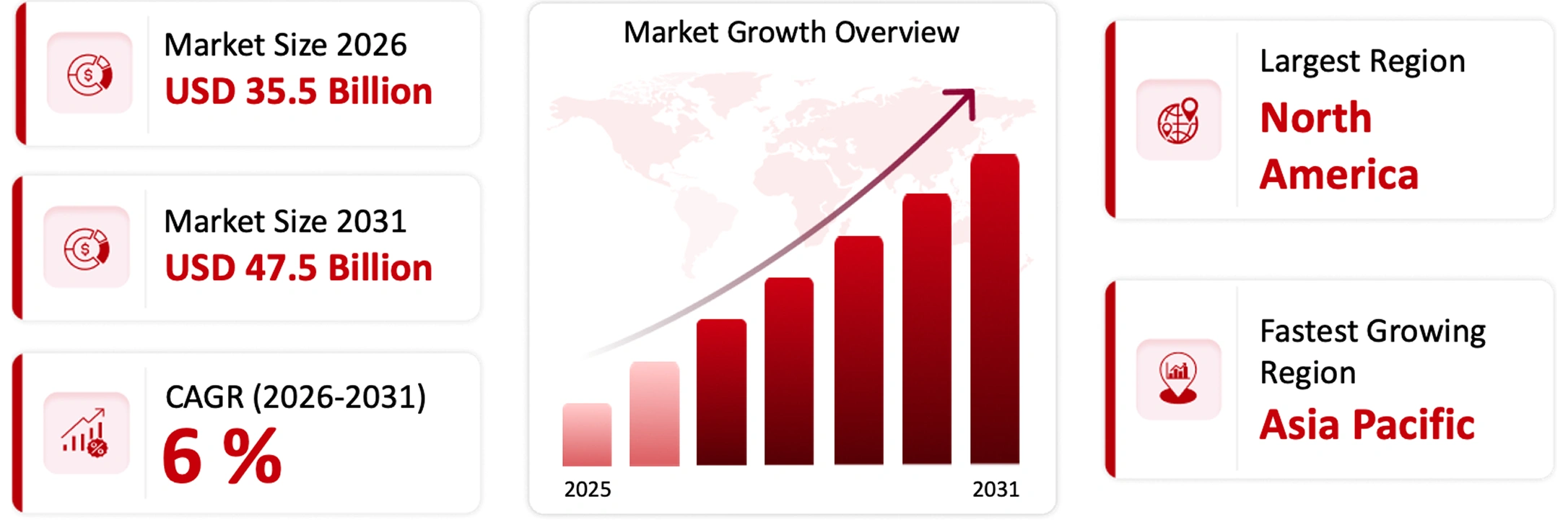
The global immunoassay market is projected to reach USD 47.5 billion by 2031, growing at a CAGR of 6% during the forecast period.
| Market Size (2026): | Forecast (2031): | CAGR (2026–2031): | Leading Region: | Fastest Growing Region: |
|---|---|---|---|---|
| $ 35.5 Billion | $ 47.5 Billion | 6 % | North America | Asia Pacific |
Summarize this report with:



Market Overview
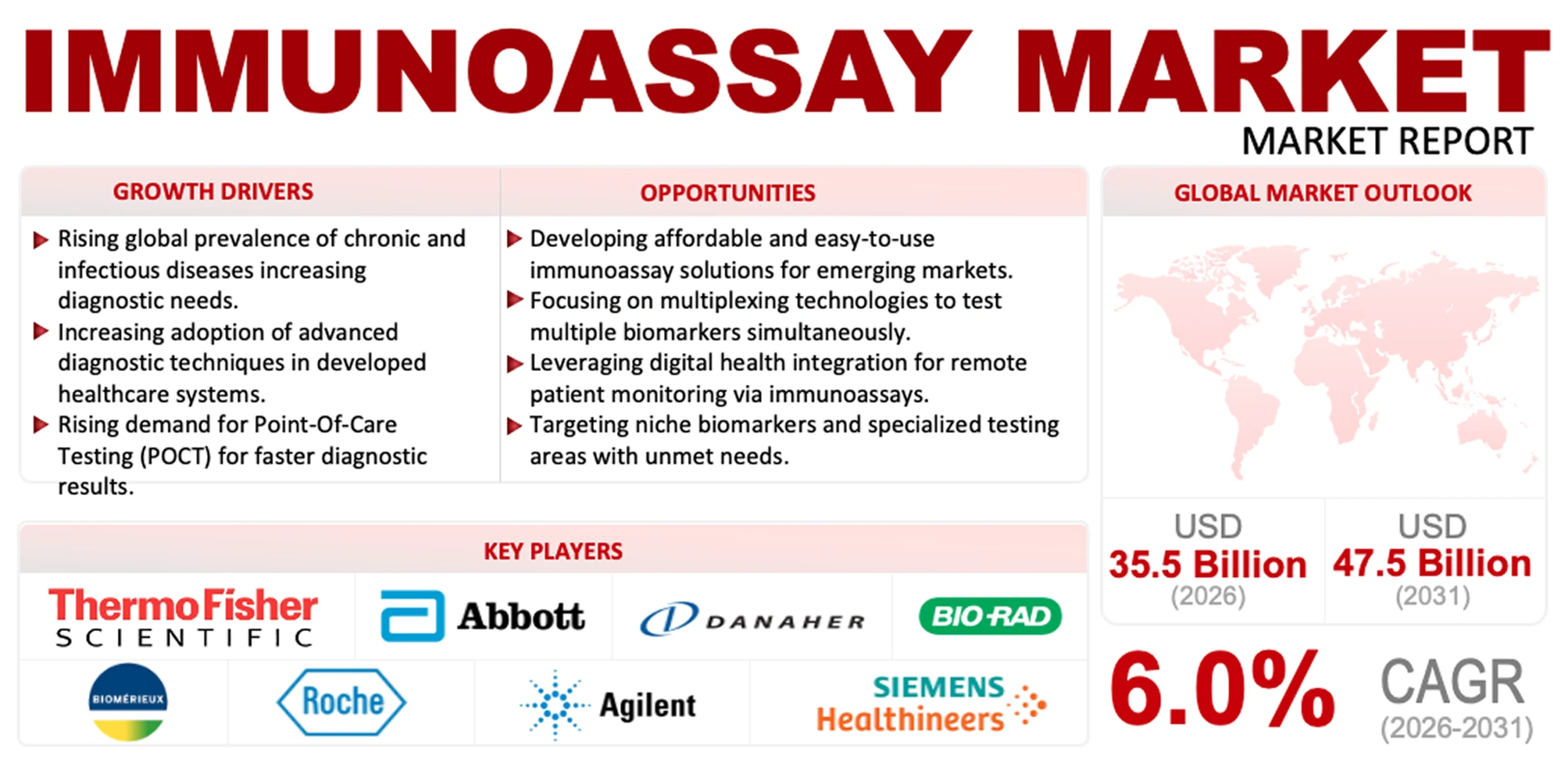
The ongoing development in the immunoassays market is marked by the need to develop fast, highly sensitive, and reliable tools for detecting biomarkers, antibodies, hormones, and other analytes. Immunoassay techniques have been vital in testing for infections, cancer biomarkers, endocrinology, cardiology, allergies, and monitoring of drugs through the use of fast and highly sensitive analysis of different biological samples. The uptake of immunoassay analysers, which are automated and high throughput, in clinical settings has been boosting efficiency and standardizing workflows in tests performed. Moreover, developments in chemiluminescence, enzyme-linked, fluorescence, and other immunoassay formats are making assays more sensitive and automate. The market is estimated to be USD 35.5 billion in 2026 and is projected to reach USD 47.5 billion by 2031, growing at a CAGR of 6% during the forecast period (2026-2031).
Technology Overview
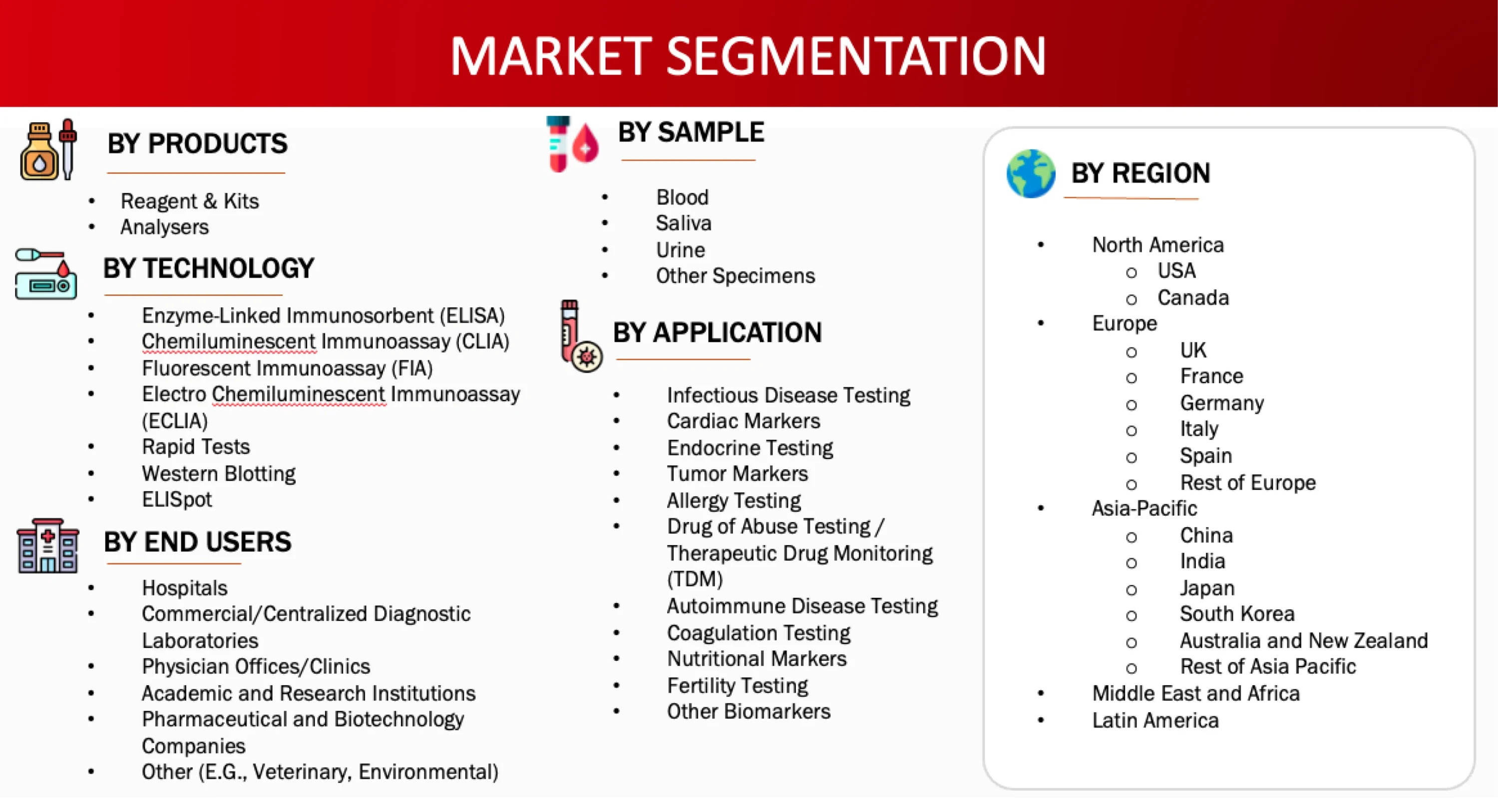
The immunoassay technology allows detecting and measuring a particular biomarker, antibody, antigen, hormone, and other analytes due to the unique specificity of their interaction. Immunoassay technologies are actively applied in clinical diagnostics, pharmaceutical science, disease screening, and therapeutics. According to the detection method, there are several popular immunoassay platforms, including the enzyme-linked immunosorbent assay (ELISA), chemiluminescent immunoassay (CLIA), fluorescence immunoassay (FIA), electrochemiluminescence immunoassay (ECLIA), rapid immunoassays, Western blotting, and ELISpot. Every platform provides the different level of sensitivity, specificity, throughput, and automation required for various purposes.
Modern immunoassay systems usually consist of an automated analyser, advanced signal detection system, multiplexing, and digital data handling which provide higher testing accuracy and increased laboratory productivity. High throughput chemiluminescence and electrochemiluminescence immunoassay platforms provide the ability to detect the low-abundance analytes and minimize manual processing and turnaround time. Moreover, the artificial intelligence, laboratory information systems, and automation technologies can facilitate the process of results’ analysis and interpretation, increase the quality of control, and optimize laboratory decision-making. Miniaturization and point-of-care immunoassay platforms provide further expansion of these technologies and their application outside laboratory facilities such as in hospitals and physician offices.
Key Growth Drivers
- The increasing prevalence of infectious diseases, chronic disorders, and cancer is driving demand for accurate and sensitive immunoassay-based diagnostic testing.
- The growing adoption of automated and high-throughput immunoassay analysers is improving laboratory efficiency, reducing manual intervention, and accelerating diagnostic turnaround times.
- The increasing demand for early disease detection and biomarker-based diagnostics is expanding the application of immunoassays across oncology, cardiac testing, endocrine disorders, autoimmune diseases, and infectious disease diagnostics.
- The rapid advancement of chemiluminescence, electrochemiluminescence, and fluorescence-based technologies is enhancing assay sensitivity, specificity, and detection capabilities.
- The expansion of point-of-care and decentralized testing is increasing the demand for rapid immunoassay platforms that enable timely diagnosis and clinical decision-making outside centralized laboratories.
- The growing adoption of immunoassays in pharmaceutical and biotechnology research is supporting applications in drug development, therapeutic drug monitoring, biomarker discovery, and clinical trials.
Immunoassay Market Key Highlights
Need deeper insights on this market?
Get full report access with detailed forecasts, competitive analysis, and segmentation.
Immunoassay Market Trends
Immunoassay technology is experiencing great changes as its application is being increasingly used in clinical diagnostics, drug development, decentralized tests and personalized treatment options. With an ever-growing need for accurate detection, the demand for sophisticated immunoassays is constantly rising in order to provide better efficiency and throughput. One of the trends that is present on the market is automation of immunoassays through the implementation of AI and digital lab technologies to build smart platforms for immunoassays that will be able to perform testing automatically, quality control and data analysis.
Advances in technology are leading to development of highly sensitive and miniaturized immunoassays that can be used in point-of-care diagnostics. Technologies such as chemiluminescence and electrochemiluminescence are becoming increasingly popular due to their high sensitivity and suitability for automated high throughput testing. Moreover, multiplexing capabilities of these technologies allow multiple biomarkers to be analyzed in one sample, and their applications are expanding to oncology, infectious diseases, autoimmune diseases and many other conditions. Finally, there are connections between immunoassay systems and laboratory information system, cloud computing and other diagnostic work flows.
Increasing Adoption of Automated and High-Throughput Immunoassay Platforms
A trend toward automating the workflow in immunoassay processes from manual processes is another key development that affects the immunoassay market. Immunoassays may be characterized by a number of manual steps such as reagents preparation, sample handling, incubation, washing and reading the result of the test. This leads to human variability and decreased testing capacity. With the increasing amount of complex testing performed in laboratories, the adoption of laboratory systems that increase automation, testing throughput and uniformity of workflow becomes essential.
Examples of commercial immunoassay analyzers that reflect the mentioned trend are many. Roche cobas e 801 is an automated immunology analyzer that is based on electrochemiluminescence (ECL) technology. It performs up to 300 immunochemistry tests per hour with automatic reagent loading/unloading, RFID reagent identification, clot detection and liquid level monitoring. Another example is Siemens Healthineers’ Atellica CI Analyzer which combines chemistry and immunoassays testing and has immunoassay throughput up to 120 tests per hour in an automated workflow.
Shift Toward Highly Sensitive and Multiplexed Immunoassays
The growing requirement of identification of low abundance biomarkers and extraction of a larger number of biological data from smaller amount of biological samples from patients is fueling advancements in highly sensitive and multiplex immunoassays. Traditional single target immunoassays often need multiple tests to analyze several targets, leading to greater amount of consumed biological material and increased lab work and testing time. Multiplex immunoassays solve the problem by allowing several targets to be detected simultaneously using one biological sample.
Recent advances show the future trends in technology development. For example, a 2024 study described development of barcoded multiplex digital ELISA that allows simultaneous detection of eight targets from a volume of less than 9 microliters of blood with sensitivity of up to the mid-picomolar to low-attomolar range. In addition, the platform uses flow-cytometric readout system and is automatable, thus, uniting high sensitivity, multiplexing, and automation features. Simultaneous detection of several inflammatory proteins at extremely low concentrations by multiplexed single-molecule immunoassays also demonstrates potential of multiplexing in further biomarker analysis. Therefore, multiplex and digital immunoassays gain significance in areas where larger panels of biomarkers need to be analyzed.
Key Players in the Immunoassay Market
Leading companies in the immunoassay market are focusing on innovation, strategic partnerships, and expansion of health-centric features to strengthen their market position.







Strategic Activities Within the Immunoassay Market
QuidelOrtho partnered with Lifotronic. This partnersip aims to strengthened its global immunoassay offering through a new partnership aimed at expanding assay availability beyond its existing VITROS™ diagnostic system portfolio.
LubioScience and Mabtech have entered into a strategic partnership to strengthen the availability of high-quality immunoassay solutions for research and diagnostics customers in Switzerland. The collaboration combines Mabtech’s internationally recognised ELISA, EYRAplex, ELISpot and FluoroSpot technologies with LubioScience’s established distribution network and local scientific support, aiming to provide researchers with improved access, technical expertise and streamlined procurement.
Gentian Diagnostics announced the launch of the GCAL® Calprotectin Immunoassay with Beckman Coulter Diagnostics to its clinical chemistry platforms. This collaboration illustrates enhanced diagnostic efficiency for improved treatment decisions.
Immunoassay Market Insights
The immunoassay market is growing constantly due to the rising adoption of immunoassay techniques in the diagnosis of infectious diseases, oncology, endocrine tests, cardiac markers, autoimmune diseases, and pharmacotherapy drug monitoring. Immunoassays have a high analytical specificity because of the reaction between antigens and antibodies and can be utilized in both centralized laboratory analysers and decentralised testing devices. Market growth is also fueled by the shift towards automation and high throughput technologies that ensure processing of a high volume of testing samples with minimal human interaction. For example, Roche’s cobas e 801 immunochemistry analyzer ensures the throughput of up to 300 tests per hour, illustrating the focus on automation and laboratory efficiency.
Technological innovations are helping to drive market growth. Platforms based on chemiluminescence and electrochemiluminescence deliver high sensitivity and allow to incorporate immunoassays into automated laboratory systems. However, at the same time, innovations like digital, multiplex, and microfluidic immunoassays increase the possibilities of this technology for low volume, ultrasensitive and point-of-care tests.
There is a wide range of clinical and research applications of immunoassays. Immunoassays are widely employed in infectious diseases testing for detection of specific antigens and antibodies, providing rapid and efficient diagnosis and screening. An example of application of immunoassay technologies in decentralized infectious diseases testing is provided by point-of-care products like Abbott BinaxNOW and Quidel Sofia.
Oncology testing is the area where immunoassays are employed in the evaluation of tumor associated biomarkers. Cardiac immunoassays are also utilized for the detection of biomarkers like troponin in the diagnosis of myocardial damage. Endocrine tests involve the use of immunoassays for the evaluation of hormones such as thyroid-stimulating hormone and reproductive hormones.
Other types of applications of immunoassays include allergenicity testing, autoimmune diseases testing, fertility assessment, therapeutic drugs monitoring, and nutritional marker analysis. Besides clinical diagnostics, immunoassays become widely used in pharmaceutical and biotechnological research in biomarker analysis, drug discovery and development, pharmacokinetics studies and clinical trials. Multiplex immunoassays are particularly efficient for the simultaneous evaluation of several biomarkers in limited volume samples.
The rising incidence of infectious diseases, cancer, cardiovascular diseases, endocrine disorders, and autoimmune diseases is driving the rising demand for effective biomarker and antibody testing. The rising demand for effective diagnosis of diseases is leading to increased adoption of sensitive immunoassay testing equipment in hospitals and diagnostic labs.
The trend towards automation and high throughput diagnostics is yet another important growth driver for the immunoassay testing market. Automated platforms help decrease manual intervention, offer standardization in workflows and allow laboratories to run a large number of samples in an efficient way. The examples of automated immunoassay testing systems include Roche’s cobas e 801 and Siemens Healthineers’ Atellica CI.
Moreover, increasing demand for decentralized testing is offering growth opportunities for miniaturized and faster immunoassay testing equipment. The advances in chemiluminescence, electrochemiluminescence, microfluidics, and digital detection technology are helping to increase sensitivity, while decreasing the sample and reagents used in assays. The advent of multiplex immunoassays that can analyze multiple biomarkers at once is helping to widen the scope of application of immunoassay testing equipment.
Emerging trends in the immunoassay industry involve the growing use of chemiluminescence and electrochemiluminescence technologies, automation in the lab, multiplex immunoassay testing, digital immunoassay and point of care. Microfluidics and smartphone or digital detection also help in miniaturizing sample sizes and reducing the time taken to complete the testing process. Recent studies have shown that there are portable multiplex immunoassay platforms available today which are capable of detecting various bacterial antigens within 30 minutes.
Challenges to the immunoassay market may come in form of lack of standardization in immunoassays, assay cross reactivity, interference by biological samples and variations in analytical performance of different platforms. High sensitivity immunoassays can be affected by quality control issues in order to avoid false positive results or variability. In addition, advanced automated analyzers and ultrasensitive digital platforms can be quite expensive to acquire, making it difficult for smaller labs to acquire the technology.
Immunoassays have been emerging as a key segment among the fastest growing regions in terms of immunoassay in APAC, owing to the rising healthcare infrastructures, rise in diagnostic tests, rising pharmaceutical & biotechnology activities and rising usage of automation in labs. Countries like China, Japan, and India have emerged as key markets due to their large patient population, increasing diagnostic test infrastructure and investment in healthcare technologies.
Automated immunoassay analyzers have been increasingly being adopted in hospitals and diagnostic laboratories in the region. Japan has a well-established base of companies offering diagnostics technologies, whereas China and India have been investing in domestic diagnostic manufacture and laboratory facilities. Moreover, there is a need for faster and decentralized diagnostic testing which has been leading to the adoption of immunoassays at point of care.
Furthermore, increased pharmaceutical research and clinical trial activity in countries like China, India, South Korea, and Japan has resulted in the rise in demand for immunoassays for biomarker analysis and pharmaceutical research.
Immunoassay Market Dynamics
Drivers: Increasing adoption of automated, high-throughput, and highly sensitive immunoassay systems
The market growth of immunoassays is due to the rise in the use of automation, improving laboratory processes, along with the introduction of advanced technologies that have made places of diagnosis and laboratory facilities more efficient. For instance, by employing modern analyzers, it is possible to automate different procedures from sample processing to the generation of results, thus eliminating labor involvement in the testing process. A good example of this is the cobas e 801 immunochemistry analyzer by Roche that can perform over 300 tests within an hour and has several automations such as reagent manager, and quality control.
The demand for immunoassay applications in detecting diseases like infections and various tumors along with multiple other medical issues drives the desire for sensitive immunoassay technologies. The trend is especially supported by chemi-and electro chemistry as it allows fast testing while still being compatible with automatic machines.
Opportunities: Expansion of decentralized testing, multiplexing, and digital immunoassay platforms
The market for immunoassays is showing considerable promise as a result of innovations in compact, portable and Point-of-Care (POC) testing technologies. Decentralized immunoassays allow diagnostic results to be obtained nearer to the patients rather than relying too much on centralized laboratories and aiding quick clinical decision-making processes. Certain products are available in the market today such as Abbott BinaxNOW and Quidel Sofia to show the application of immunoassay-based technologies in testing for infections close to patients.
Another considerable opportunity is through multiplexing and digital immunoassays that permit testing for several biomarkers either simultaneously or at very low concentrations. Studies have shown that multiplex digital ELISA systems can detect multiple analytes from minimal blood samples; this opens up possibilities for oncology, immune profiling and precision diagnostics. In addition, new technologies that integrate microfluidics, smartphone detection capabilities and digital data processing systems help to maintain compact ideas for sample-to-answer techniques. As the market grows towards the demands for quick testing, biomarker panels, personalized medicine and decentralized diagnostics; thus the use of these technologies can expand the scope of immunoassay application going beyond centralized laboratory use.
Challenges: High equipment costs, assay complexity, and analytical and regulatory limitations
The immunoassay industry continues to contend with difficulties even with advancements in technology, especially for smaller laboratories and healthcare establishments. The more sophisticated automated machines and high-efficiency detection inventions necessitate a big investment at the outset, while the regular costs for the reagents, consumables, calibration, maintenance, and technical support raise the overall testing price. Hence these prerequisites may be exceedingly burdensome in a healthcare field where the resources are scarce.
It is also vital to note that many analytical challenges still exist. Immunoassays can be influenced by the cross-reactivity as well as non-specific binding, matrix effects, heterophile antibodies, and other interfering material, which has an impact on the precision of results. Very sensitive assays require that control of background signals and interference in the assay because of the sensitive background signal becomes even more essential.
Additionally, diverse assay formats, reagent and calibration differences, and platform specifications make it difficult to have an even flow of results across different laboratories and manufacturers.
Technology and Market Insights
From technological and market viewpoints, the immunoassay market is evolving towards increased sensitivity, increased automation, and expanded testing capabilities. Improvements in antibody design, signal amplification techniques, immunochemistry, and detection methods enable immunoassay manufacturers to detect increasingly low levels of target molecules without compromising on specificity. This feature is especially relevant when it comes to applications that involve the analysis of low amounts of biomarkers, such as early disease diagnosis and treatment monitoring.
Moreover, the market is moving away from traditional single-analyte testing towards multiplexing and digital immunoassays, thus allowing for the assessment of multiple biomarkers in one sample. The development of microfluidics and smaller format immunoassay platforms results in reduced amounts of sample and reagents used in the tests and helps immunoassay technologies find its way into decentralized and point-of-care settings. Meanwhile, automation and digitalization increase test efficiency and accuracy.
In terms of commercialization, the market is evolving towards the integration of sensitivity, speed, multiplexing, and user-friendliness instead of focusing on the improvement of one test characteristic. Technological advancement contributes to the widening of the immunoassay scope from diagnostic tests to biomarker profile analysis, precision medicine, pharmaceutical research, and near-patient diagnostics.
Technology Scope and Products
Immunoassay Market Segmentation
Want detailed insights from this report?
Industry Developments and Competitive Landscape
Continuous innovations are taking place in the immunoassay market as new developments in assay chemistry, detection methods, automation, and multiplexing are bringing improvements in the efficiency of immunoassays. Assay sensitivity and automation in immunoassays are increasing which will lead to efficient detection of biomarkers, antibodies, hormones, and other analytes. Moreover, with the use of digital, microfluidics, and advanced signal detection technologies, small, fast, and highly sensitive immunoassay instruments can be developed.
The competitive environment involves established players in the diagnostic and life sciences segments looking towards expansion in the form of assay menu growth, analyser throughput and testing solution development along with start-up companies with innovations like digital, multiplex, and point-of-care immunoassays. New product introductions, technology partnerships, business alliances, and acquisitions continue to be key competitive strategies.
It is expected that ELISA will have the maximum market share among the different types of immunoassays in the global immunoassay market in 2025 based on the fact that it has been widely used in clinical laboratories, research institutions, blood banks, and in diagnosis of infections around the world. This technology has been extensively utilized in the diagnosis of antibodies, antigens, hormones, tumor markers, and several other biomarkers. ELISA has been mentioned in scientific literature as one of the most popular immunoassay methods for its wide range of applications in clinical and research purposes.
-
The adoption of ELISA around the world is further justified by its versatility, existing laboratory setup, relatively available instruments, and availability of commercial kits. HIV and hepatitis infection detection, autoimmune markers, hormones, and tumor markers are some of the areas where ELISA is being used.
-
The role of ELISA is also reinforced by its ability to be adaptable to various testing environments. Traditional microplate-based ELISA still holds significance in centralized laboratories while new forms of automated, microfluidics, and chip-based ELISA tests will help take the technology towards higher throughput and decentralization. For instance, some chip-based ELISA tests are used to detect HIV, dengue, and hepatitis biomarkers, highlighting the potential of the test in diverse medical setups.
-
While CLIA and ECLIA are becoming popular automated and high-throughput laboratory systems, the existing installed base, wide menu of assays, clinical application, and adaptability of the technology in the future favor the leadership position of ELISA in the global immunoassay market in 2025.
It is anticipated that hospitals will form the greatest share of the immunoassay market by end user in 2025, mainly owing to high numbers of diagnostic tests performed and application of immunoassay techniques in various clinical departments in hospitals. Immunoassays are commonly used in hospitals in tests for infectious diseases, cardiac biomarkers, thyroid and other endocrine hormones, oncology markers, autoimmune disorders, and therapeutic monitoring. Automated immunoassay instruments have great suitability in hospitals since they help with high-throughput testing and standardization of work processes.
-
Use of integrated laboratory systems has greatly increased hospitals’ requirement for immunoassays. For instance, immunochemistry combined with clinical chemistry on one platform is found in Roche’s cobas pro and cobas pure, which serve low-, medium-, and high-volume clinical laboratories. Similarly, Siemens Healthineers’ Atellica Solution provides clinical chemistry and immunoassay tests using automation in hospitals looking to increase capacity and efficiency in laboratory work.
-
Immunoassays are increasingly used in hospitals in emergency medicine, inpatient and other specialized diagnostic tests, whereby prompt access to biomarkers helps in clinical decisions making. Troponins, for instance, which are cardiac biomarkers, are routinely quantified through immunoassays in the assessment of acute myocardial injury.
Asia Pacific is expected to register the highest CAGR within the global immunoassay market during the 2026-2030 period owing to the development of healthcare facilities, increase in diagnostic testing volumes, prevalence of chronic and infectious diseases, and adoption of automated laboratory technologies. The establishment of hospital and clinical laboratory networks, along with the availability of advanced diagnostic solutions, increases the demand for immunoassays in China and India.
-
The two countries are the key drivers of the regional expansion. The demand for immunoassays in China is supported by investment in healthcare infrastructure, the extension of diagnostic capabilities into new markets, and the adoption of laboratory automation. The demand for immunoassays in India is fueled by an increase in healthcare spending, preventative diagnostics, the expansion of laboratory networks, and government-supported healthcare initiatives.
-
The region benefits from the modernization of clinical laboratories and adoption of point-of-care testing due to its increased access in case of decentralized diagnostics. Japan and South Korea are among the other contributors owing to the well-developed healthcare facilities and advanced diagnostic capabilities. Meanwhile, emerging Southeast Asian markets are developing their diagnostic infrastructure. These factors will ensure the high potential of the Asia Pacific immunoassay adoption.
What This Report Covers-
This report provides a comprehensive analysis of the immunoassay market, offering insights into key trends, growth drivers, challenges, and future opportunities. It is designed to support strategic decision-making through a combination of quantitative data and qualitative analysis.
Specifically, the report covers:

Market Overview & Definition:
Overview of the market scope, structure, and key terminology

Market Size & Forecast:
Historical data and future projections across key segments and regions.

Key Market Trends:
Insights into emerging trends, technological advancements, and evolving demand patterns

Drivers, Restraints & Opportunities:
Analysis of key factors influencing immunoassay market growth

Competitive Landscape:
Overview of major players, their strategies, and recent developments

Detailed Patent Analysis:
This includes, top assignees, geography focus of top assignees, legal status, technology evolution, key patents and patent trends and innovations

Segmentation Analysis:
Breakdown by product, by technology, by sample, by application, and by end user, and region

Regional Insights:
Key regional trends and growth opportunities

Future Outlook:
Strategic insights and future market direction
Research Methodology
The study of the immunoassay market is based on a combination of primary and secondary research methodologies, supported by data validation and analytical modelling to ensure accuracy and reliability.
Market Definition: Immunoassay Market
Immunoassays are analytical diagnostic technologies that use specific antigen–antibody interactions to detect and quantify biomarkers, proteins, hormones, antibodies, and other target analytes in biological samples. They provide sensitive and specific analysis across clinical diagnostics, disease screening, therapeutic monitoring, pharmaceutical research, and biomedical applications.
The immunoassay market includes reagents and kits, immunoassay analyzers, and associated testing platforms based on technologies such as ELISA, chemiluminescent immunoassay (CLIA), fluorescence immunoassay (FIA), electrochemiluminescence immunoassay (ECLIA), rapid immunoassays, Western blotting, and ELISpot. These technologies are used across applications including infectious disease testing, oncology, endocrine and cardiac testing, autoimmune disorders, allergy testing, and therapeutic drug monitoring.
Key Stakeholders
The immunoassay market involves a diverse ecosystem of stakeholders:
- Immunoassay Instrument & Analyzer Manufacturers (automated analyzers, ELISA systems, CLIA/ECLIA platforms, point-of-care systems)
- Reagent & Kit Manufacturers (ELISA, CLIA, FIA, ECLIA, rapid-test, Western blot, and ELISpot reagents and kits)
- Raw Material & Component Suppliers (antibodies, antigens, enzymes, substrates, labels, membranes, and assay consumables)
- Healthcare Providers & Hospitals (hospital laboratories, diagnostic departments, and clinical testing facilities)
- Clinical & Reference Laboratories (independent laboratories, reference laboratories, and diagnostic centers)
- Pharmaceutical & Biotechnology Companies (drug development, biomarker research, therapeutic drug monitoring, and clinical trials)
- Academic & Research Institutions (immunology, biomarker, disease, and assay-development research)
- Distributors & Channel Partners (diagnostic equipment distributors, laboratory suppliers, and regional channel partners)
- Regulatory & Standards Organizations (agencies and bodies overseeing diagnostic product safety, quality, performance, and commercialization)
- Laboratory Automation & Software Providers (laboratory information systems, workflow automation, data management, and analytical software)
- Contract Research & Testing Organizations (clinical testing, assay development, validation, and research services)
- Healthcare & Diagnostic Associations (professional, laboratory, and diagnostic organizations supporting standards, education, and industry development)
- Investors & Strategic Partners (venture capital, private equity, corporate investors, and strategic technology partners)
Key Objectives of the Study
- To define, describe, analyze, segment, and forecast the immunoassay market by product, by technology, by sample, by application, and by end user.
- To describe and forecast the market for four key regions: North America, Europe, Asia Pacific, and Rest of the World
- To provide detailed information regarding key drivers, restraints, opportunities, and challenges influencing market growth
- To strategically analyze the micro indicators with respect to individual growth trends, prospects, and contributions to the overall market size
- To analyze opportunities for stakeholders in the immunoassay industry and emphasize on competitive landscape of the market
- To develop competitive benchmarking of the key market players based on technology specifications and end user
- To strategically profile key players and comprehensively analyze their product portfolio offerings, and core competencies
- To analyze competitive developments, such as launches and approvals, agreements, mergers and acquisitions, partnerships, joint ventures, investments and expansions, and collaborations, immunoassay domain.
Need deeper insights on this market?
Get full report access with detailed forecasts, competitive analysis, and segmentation.
Research Approach
This research employs a systematic approach by using primary research along with secondary research to achieve full coverage and accuracy of information about the immunoassay sector. Through this approach, the current market trends in terms of consumer behaviour, technological developments, and competitive environment can be analyzed thoroughly.
Secondary Research
Secondary research involves the collection of data from reliable sources such as industry databases, company annual reports, investor presentations, and regulatory filings. This process helps in understanding market trends, identifying key players, and gathering technical and commercial insights.
A comprehensive database of leading companies and market participants is developed through secondary research to support further analysis.
Primary Research
Primary research is conducted to validate findings from secondary research and to gain deeper insights into market dynamics. Interviews are carried out with industry stakeholders across both demand and supply sides, including executives such as CXOs, Vice Presidents, and Directors from business development, marketing, and product teams.
Data is collected through structured questionnaires, email interactions, and telephonic interviews across key regions including North America, Europe, Asia Pacific, and Rest of the World.
Market Size Estimation
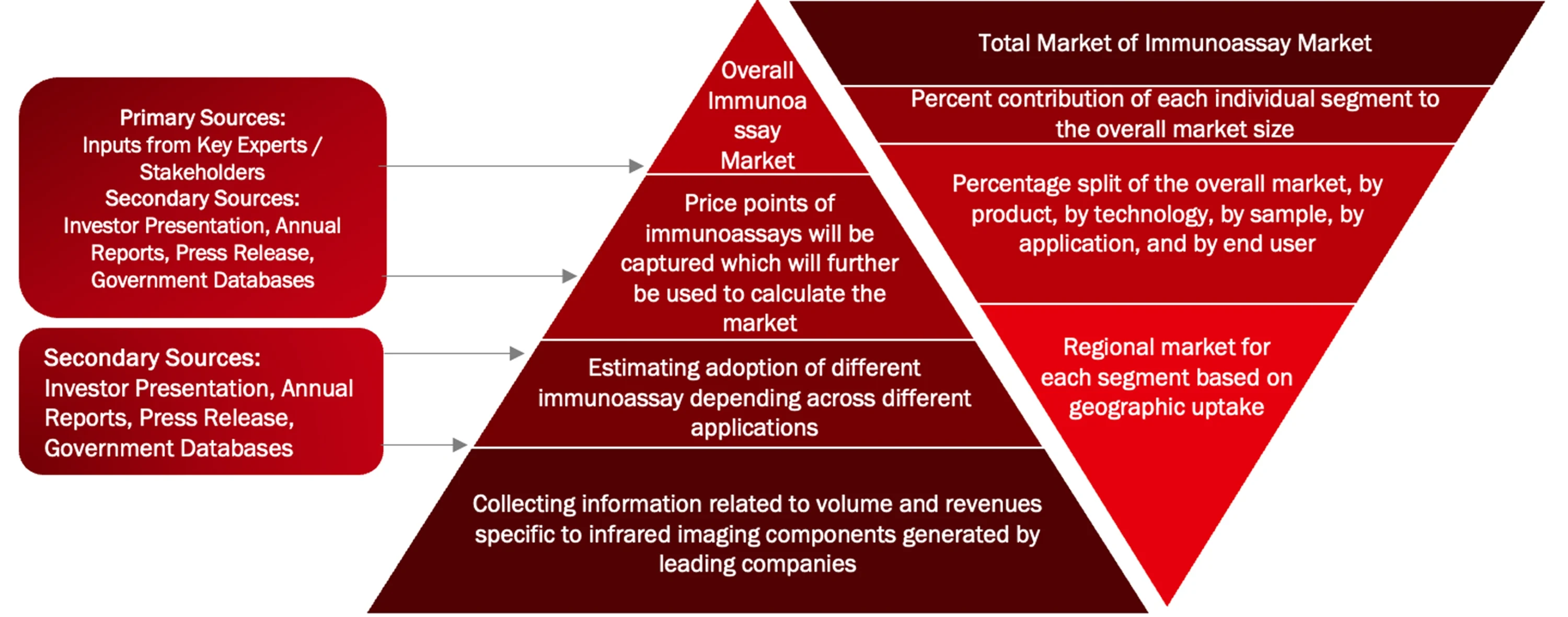
Market size estimation is performed using both top-down and bottom-up approaches. Key market players are identified, and their revenues are analyzed to estimate the overall market size.
The market is further segmented based on:
- Product and service mapping across regions
- Adoption patterns across key application segments
- Insights gathered through primary and secondary research
Data Validation and Research Design
After estimating the overall market size, the data is validated using triangulation methods and market breakdown techniques to ensure accuracy and consistency. Both demand-side and supply-side factors are considered to refine the analysis.
The final data is validated through multiple sources to ensure reliability and to provide accurate insights across all market segments and regions.
Assumptions of the Study
The analysis of the immunoassay market is based on the following key assumptions:
- Trends in the industry are drawn from historical data and current information within the sector
- The future outlook is underpinned by constant economic conditions in the absence of shocks to the market
- The rate of adoption for immunoassay will rise steadily in all important regions
- Advancements in AI, connectivity, and lab-on-chip will continue to drive growth in the immunoassay market
- The income statement and market share figures are estimated using available information from the industry and publicly available data
- The exchange rate and price trends will not be greatly affected during the forecast period
Scope and Limitations
Scope of the Study
This report offers an exhaustive overview of the international immunoassay market and includes the following components:
- Summary of market size, growth trends, and projections
- Carefully segmented market based on product, technology, sample, application, end user and geography
- Discussion of primary factors influencing the market
- Competitor analysis
- Insights into regional and national market performance
Limitations of the Study
Despite the best efforts being made to keep the results accurate, the study does suffer from some limitations:
- It has been done using both primary and secondary data that come with their own constraints
- Rapid developments in technology might affect the future course of market dynamics
- Some figures are only approximations due to lack of public disclosure
- The report is not an insurance against any disruptions in macroeconomics and geopolitics
- Future forecasts are indicative and subject to change due to altered industry dynamics
Data Triangulation and Market Breakdown
Data triangulation involved the combination of primary research, secondary research, and the Wissen Research analysis. Once the data points were sourced from the secondary market research, we sanitized the data points to make the market sizing and growth forecast more accurate by developing our own assumptions based on the inputs and insights we gather through the primary interviews with the industry experts. Once the data was thoroughly validated through primary interviews from both, demand and supply side of the market, our team of analyst and other team members involved finalized the market sizing and growth forecast.
Data Triangulation Methodology
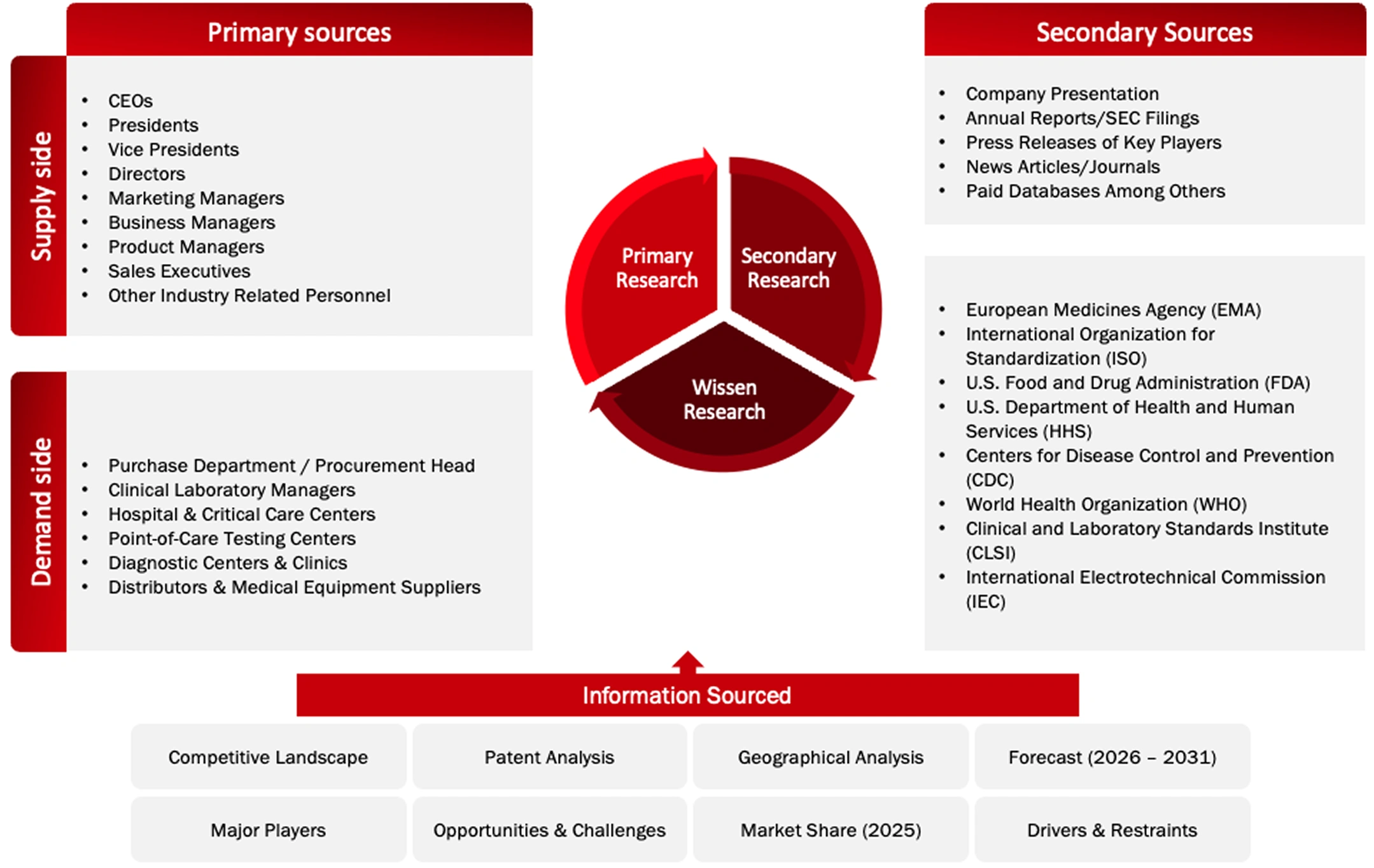
Sources: U.S. Food and Drug Administration, European Medicines Agency, National Institute of Standards and Technology, International Organization for Standardization, International Electrotechnical Commission, Federal Communications Commission, Occupational Safety and Health Administration, American National Standards Institute, Device Coordination Group, Company Website, Press Releases, Annual Reports, Paid Data Sources, and Wissen Research Analysis.
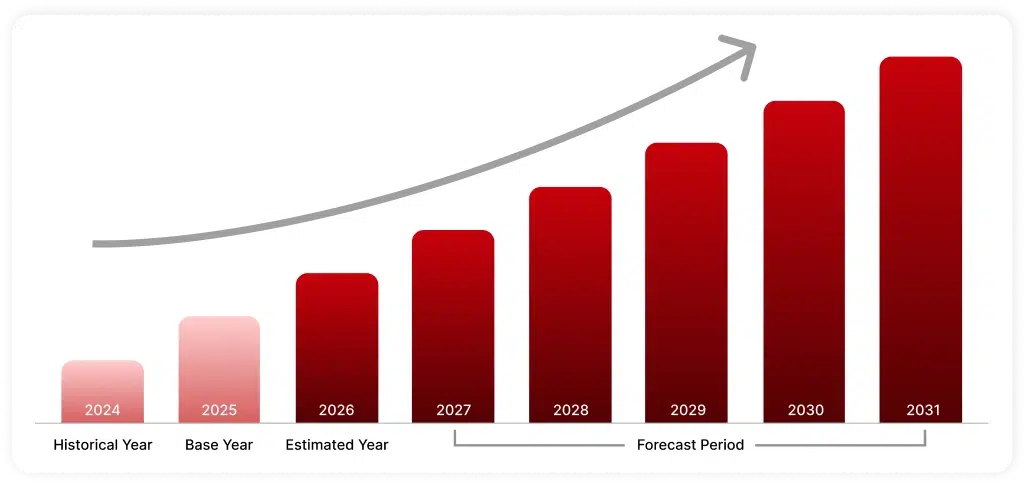
Year Framework
Bottom-Up Approach (Demand Side) And Top-Down Approach (Supply Side)
Bottom-Up Approach (Demand-Side Approach):
Determining the market size through the consolidation of demand among end-users, sectors, and geographic areas, which are calculated according to real-world demand conditions.
Top-Down Approach (Supply-Side Approach):
Calculating the market size through revenue and performance of the industry and its important companies, allocating the market size among various sectors.
Want detailed insights from this report?
Buy this Report
Choose the option that best fits your needs